
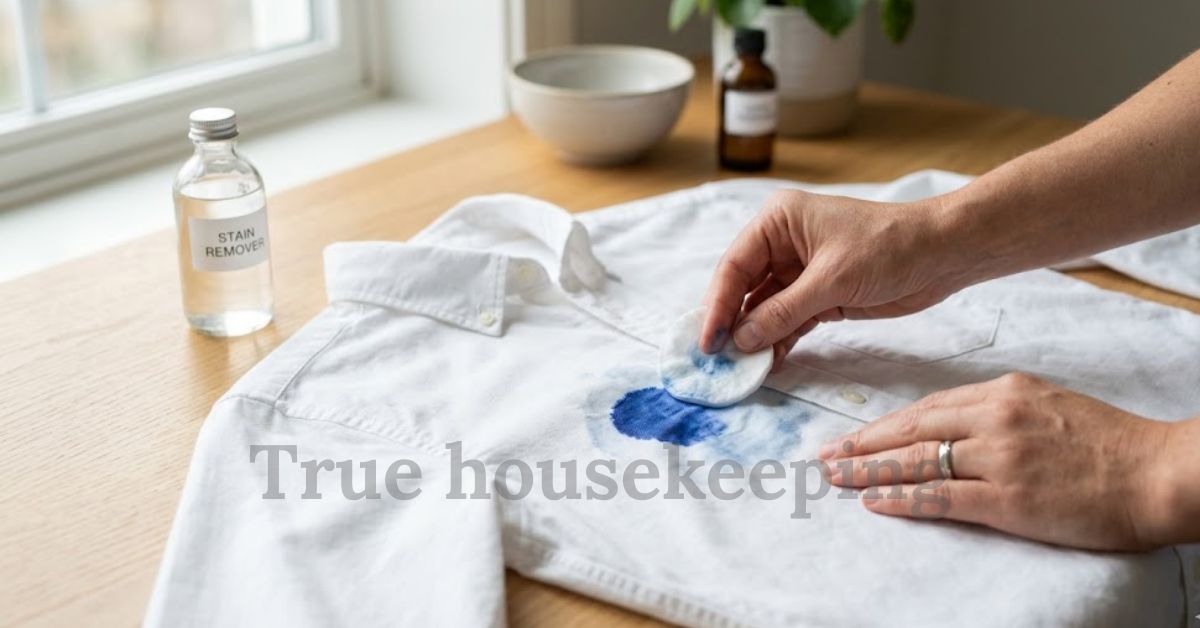
Ink stains on clothes can feel like a disaster, especially when they appear on your favorite outfit, school uniform, or workwear. Whether it’s a leaking pen in your pocket, a child accidentally drawing on fabric, or a printer mishap, ink stains are among the most stubborn and frustrating stains to remove. The reason ink is so difficult to clean is that it is designed to be permanent and quickly absorbed into fabric fibers.
However, ink stains are not impossible to remove. With the right techniques, tools, and a little patience, you can restore your clothes to their original condition. The key is to act quickly, identify the type of ink, and choose the correct cleaning method.
In this guide, you will learn how to remove ink stains from clothes safely and effectively using both household remedies and specialized cleaning methods.
Understanding Different Types of Ink Stains

Before starting any cleaning process, it is important to understand that not all ink stains behave the same way. Each type of ink reacts differently, so using the wrong method can sometimes make the stain worse.
Ballpoint Pen Ink
Ballpoint ink has an oil-based, thick texture. It does not spread quickly, but it bonds strongly with fabric fibers. Alcohol-based cleaners work best to break down this type of ink.
Gel Ink
Gel pens contain water-based ink mixed with pigments. These stains are more vibrant and thicker, which makes them slightly harder to remove. They often need repeated treatment and soaking.
Permanent Marker Ink
Permanent marker ink is designed to resist fading, making it the toughest to remove. Strong solvents like rubbing alcohol or acetone are usually required for effective cleaning.
Water-Based Ink
Water-based inks, commonly found in washable markers and fountain pens, are the easiest to remove. In most cases, water and detergent are enough to clean them completely.
General Rules Before Removing Ink Stains

Before applying any cleaning method, there are some important rules you should always follow to avoid damaging your clothes.
First, always check the care label on your clothing. Some fabrics, like silk, wool, or delicate materials, require gentle treatment and should not be exposed to harsh chemicals.
Second, never rub the stain aggressively. Rubbing can push the ink deeper into the fabric fibers and spread the stain further.
Third, always test any cleaning solution on a hidden area of the fabric before applying it directly to the stain. This ensures that the color of the cloth will not fade.
Lastly, act quickly. Fresh ink stains are much easier to remove than dried ones.
Method 1: Removing Ink Stains Using Rubbing Alcohol

Rubbing alcohol is one of the most effective solutions for removing ink stains, especially from ballpoint pens and permanent markers.
Start by placing a clean cloth or paper towel under the stained area so it can absorb the ink as it lifts from the fabric. Next, dip a cotton ball or soft cloth in rubbing alcohol and gently dab the stain. Avoid rubbing, since it can spread the ink further into the fibers.
You will see the ink begin to transfer onto the cotton or paper towel. Keep dabbing until the stain fades, and replace the cotton or towel as needed to prevent re-staining.
Once most of the ink is removed, rinse the area with cold water and apply a small amount of liquid detergent. Wash the garment as usual and let it air dry. Do not use heat until you are sure the stain is completely gone.
Method 2: Using Hand Sanitizer

Hand sanitizer is a great alternative if you don’t have rubbing alcohol at home. It contains alcohol, which helps break down the ink.
Apply a small amount of hand sanitizer directly onto the stain and let it sit for a few minutes. Then gently blot the stain with a clean cloth. Repeat the process until the stain starts to disappear.
Afterward, rinse with water and wash the fabric with detergent. This method works well for fresh stains and is very convenient.
Method 3: Milk Soaking Technique

This may sound surprising, but milk can help remove ink stains, especially from delicate fabrics.
Pour enough milk into a bowl to fully submerge the stained area. Let the fabric soak for several hours or overnight. The proteins and enzymes in the milk help break down the ink.
After soaking, gently rub the fabric and rinse it with water. Wash as usual. This method is gentle and safe for soft fabrics.
Method 4: Using Vinegar and Baking Soda

Vinegar and baking soda are natural cleaning agents that can be very effective for removing stains.
First, apply white vinegar directly onto the ink stain. Then sprinkle baking soda over it. You will notice a slight fizzing reaction, which helps lift the stain.
Gently scrub the area with a soft brush or cloth and let it sit for a few minutes. Then rinse thoroughly with water and wash the garment.
This method is eco-friendly and safe for most fabrics.
Method 5: Toothpaste Method

Toothpaste (non-gel) can also help remove ink stains due to its mild abrasive properties.
Apply a small amount of toothpaste onto the stain and gently rub it with your fingers or a soft cloth. Let it sit for a few minutes before rinsing with water.
Repeat the process if needed, and then wash the cloth normally. This method works best on small, light stains.
Method 6: Using Hairspray

Hairspray used to be a popular method because it contains alcohol, but modern formulas may vary. If your hairspray contains alcohol, it can still be useful.
Spray a small amount onto the stain and blot with a cloth. As the ink dissolves, it will transfer onto the cloth. Continue until the stain fades, then rinse and wash.
How to Remove Old or Dried Ink Stains

Old ink stains are more challenging because they have already settled into the fabric. However, they can still be removed with patience.
Start by soaking the stained area in warm water mixed with detergent. Then, apply rubbing alcohol or vinegar and let it sit for a longer period. You may need to repeat the process multiple times.
Avoid using a dryer until the stain is completely gone, as heat can permanently set the stain.
Tips for Different Fabrics
Different fabrics require different care when removing ink stains.
For cotton, most methods work well because it is a durable fabric. For delicate fabrics like silk or wool, avoid harsh chemicals and use gentle methods like milk soaking.
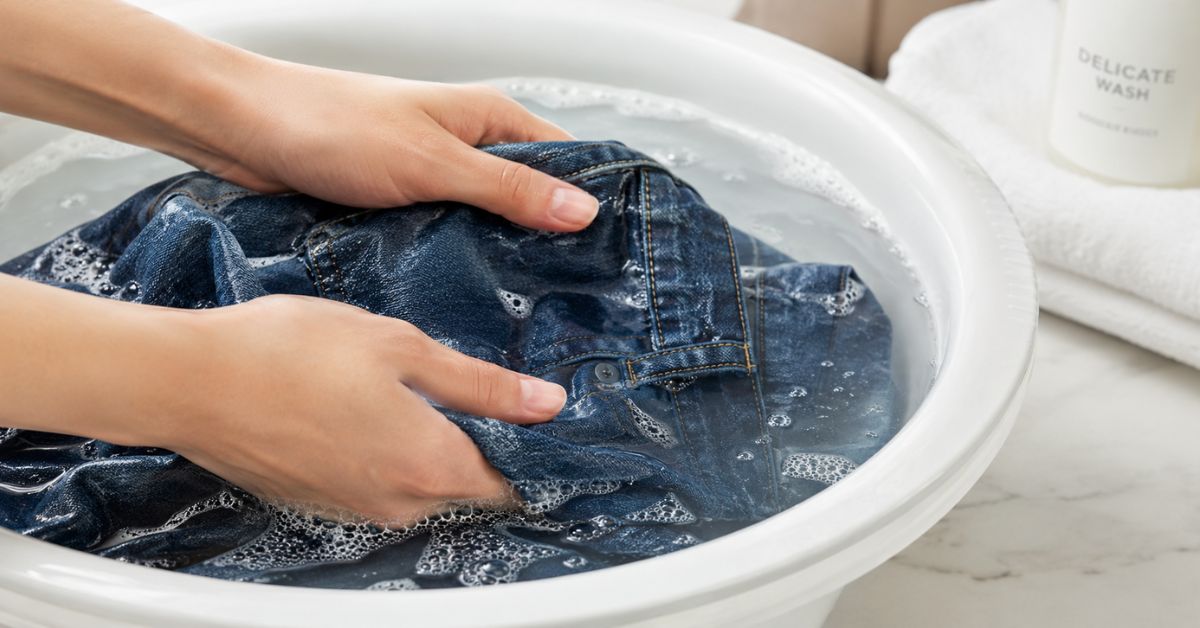
For denim, you can use stronger solutions like alcohol or vinegar, as the fabric is thick and durable.
For synthetic fabrics, always test the cleaning solution first to avoid damage.
Common Mistakes to Avoid
One of the biggest mistakes people make is rubbing the stain too hard, which spreads the ink and makes it harder to remove.
Another mistake is using hot water at the beginning, as it can set the stain permanently. Always start with cold water instead.
Putting the fabric in a dryer before the stain is fully removed is also a common error, because heat can lock the stain into the fibers.
Conclusion
Ink stains on clothes may seem difficult to remove, but the right knowledge and methods make them manageable. The key is to identify the type of ink, act quickly, and apply the correct cleaning techniques.
From household solutions like vinegar, milk, and toothpaste to stronger options such as rubbing alcohol, you can use many methods to tackle ink stains. Each method offers its own advantages, and the best choice depends on the fabric type and the stain itself.
With patience and proper care, you can save your clothes and keep them looking clean and fresh.
FAQs
1. How do you remove dried ink stains from clothes?
To remove dried ink stains, first soak the fabric in warm water mixed with detergent. Then, apply rubbing alcohol or vinegar to the stain and let it sit for a few minutes. Gently blot and repeat if necessary before washing.
2. Can ink stains be removed after washing?
Yes, ink stains can still be removed after washing, but it becomes more difficult. You may need to use stronger methods like rubbing alcohol or repeat the cleaning process several times for the best results.
3. Does toothpaste remove ink stains?
Yes, non-gel toothpaste can help remove light ink stains. It works as a mild abrasive and can lift the stain when gently rubbed onto the fabric.
4. Is vinegar effective for ink stain removal?
Yes, white vinegar is a natural and effective solution for removing ink stains. It helps break down the ink and is safe for most fabrics when used properly.
5. Can I use hot water to remove ink stains?
No, you should avoid hot water initially. Hot water can set the stain permanently. Always start with cold water and switch to warm water only after the stain begins to fade.
6. What is the fastest way to remove fresh ink stains?
The fastest method is to use rubbing alcohol or hand sanitizer. Apply it directly to the stain, blot gently, and rinse with cold water.
7. Does milk really remove ink stains?
Yes, soaking the stained fabric in milk can help break down the ink, especially for delicate fabrics. It is a gentle and effective method.
8. How do you remove pen ink from white clothes?
For white clothes, use rubbing alcohol or a mixture of baking soda and vinegar. These methods help remove stains without damaging the fabric’s color.
9. Can permanent marker be removed from clothes?
Permanent marker stains are difficult but not impossible to remove. Using alcohol-based solutions like rubbing alcohol or acetone can help break down the ink.
10. Should I dry clothes before the ink stain is gone?
No, never put clothes in the dryer until the stain is completely removed. Heat can permanently set the stain, making it much harder to remove.











Leave a Reply