

I swear, no matter when I visit certain people’s homes, they’re always immaculate. No clutter, no dishes in the sink, no dust just clean all the time. Meanwhile, I feel like I spend hours cleaning, and within a day or two, my place is messy again.
It often leaves visitors wondering, “How do some people always have a clean house? What’s the secret?”
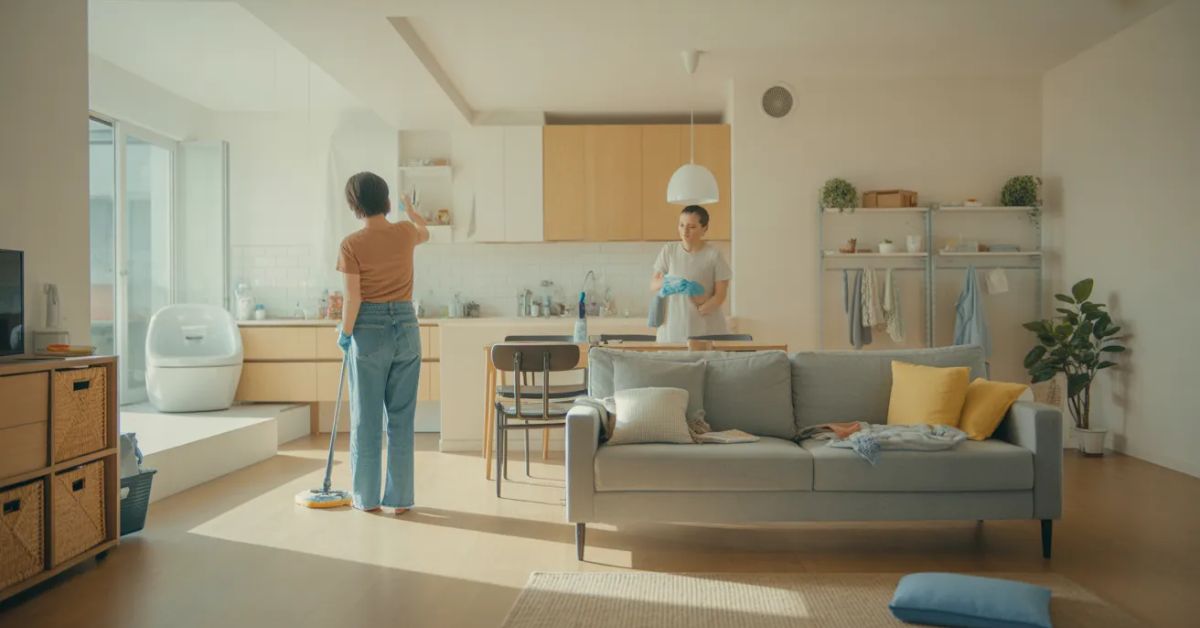
The truth is, there isn’t one magical cleaning product or an expensive robot vacuum doing all the work. In most homes that stay consistently clean, the difference comes down to simple daily habits, realistic routines, and smart housekeeping systems rather than hours of deep cleaning every weekend.
At True Housekeeping, we’ve found that homeowners with tidy homes don’t necessarily spend more time cleaning; they simply clean differently. They prevent messes before they become overwhelming, tackle small tasks throughout the day, and create routines that fit their lifestyle.
In this guide, you’ll discover practical habits, professional housekeeping strategies, and mindset shifts to help you maintain a clean home without feeling like you’re constantly cleaning.
Quick Answer
The secret to always having a clean house isn’t cleaning for hours every day. It’s building small daily habits, staying consistent, cleaning as you go, and preventing clutter before it piles up. Most organized homes follow simple routines that take just a few minutes at a time, making cleaning feel easier and less stressful.
Why Some Homes Always Look Cleaner Than Others
Have you ever cleaned your house on Saturday only to feel like it’s messy again by Monday?
You’re not alone.
Many people think they need to spend an entire weekend cleaning to have a tidy home. In reality, homes become messy because small tasks are delayed until they turn into big jobs.
Professional cleaners often notice the same pattern. The cleanest homes aren’t usually the ones that receive the deepest cleaning—they’re the ones where small messes are dealt with quickly.
For example:
- A coffee mug is washed immediately rather than left in the sink all day.
- Shoes are placed on a rack instead of left near the front door.
- Mail is sorted as soon as it comes inside.
- Kitchen counters are wiped after cooking instead of waiting until bedtime.
These small habits prevent clutter and dirt from building up.
The Biggest Myth About Having a Clean House
One of the most common misconceptions is that people with spotless homes spend several hours cleaning every day.
That simply isn’t true.
In many well-maintained homes, cleaning happens in short bursts throughout the day. A few minutes here and there often replace long, exhausting cleaning sessions.
Professional housekeepers know that consistency is far more effective than perfection.
Instead of aiming for a perfectly spotless home every day, they focus on maintaining a home that’s easy to keep clean.
That’s an important difference.
The Real Secret: Build Systems Instead of Relying on Motivation
Motivation comes and goes.
Good systems stay.
Many homeowners wait until they “feel like cleaning.” Unfortunately, that moment often doesn’t come until the house already feels overwhelming.
People who consistently have clean homes rely on routines rather than motivation.
For example:
- The dishwasher is unloaded every morning.
- Dirty clothes go directly into the laundry basket.
- Counters are wiped after every meal.
- Beds are made shortly after waking up.
- Trash is emptied before it overflows.
None of these tasks takes very long, but together they make a huge difference.
Habit #1: Make Your Bed Every Morning

Making the bed takes only a few minutes, yet it immediately makes the bedroom look cleaner and more organized.
It also creates momentum.
When you start your day by completing one small task, you’re more likely to continue with other productive habits.
Professional organizers often recommend bed-making because it visually transforms the largest piece of furniture in the room.
Even if nothing else is cleaned, a made bed instantly improves the appearance of the space.
Habit #2: Clean As You Go

One of the biggest secrets behind consistently tidy homes is cleaning while daily activities are already happening.
Instead of waiting for a mess to grow, it’s handled immediately.
Examples include:
- Washing cooking utensils while dinner is on the stove.
- Wiping bathroom counters after brushing your teeth.
- Returning items to their proper place after using them.
- Throwing away junk mail instead of placing it on the table.
- Folding blankets before leaving the living room.
Cleaning as you go prevents small tasks from becoming overwhelming chores later.
Habit #3: Follow the “One-Minute Rule”

A simple productivity habit used by many organized people is the One-Minute Rule.
If a task takes one minute or less, do it immediately.
Examples include:
- Hanging up a jacket.
- Putting shoes away.
- Wiping a spill.
- Loading a dish into the dishwasher.
- Returning the TV remote to its place.
- Straightening couch cushions.
These tiny actions may seem insignificant, but together they keep your home consistently tidy.
Habit #4: Don’t Let Clutter Build Up
Clutter makes every home feel dirtier than it actually is.
Even clean surfaces can look messy if they’re covered with random items.
Instead of allowing clutter to accumulate, homeowners with organized spaces usually make quick decisions about where things belong.
Try asking yourself:
- Does this item belong in this room?
- Do I actually use it?
- Can I put it away right now?
These questions help prevent unnecessary clutter before it becomes a larger organizing project.
Habit #5: Give Everything a Home
One reason clutter keeps returning is that many items don’t have a designated storage place.
When everything has a “home,” putting things away becomes almost automatic.
For example:
- Keys always go into a tray near the entrance.
- Remote controls stay in a basket on the coffee table.
- Cleaning supplies are stored together in one cabinet.
- Children’s toys go back into labeled bins after playtime.
Professional organizers often say that organization isn’t about buying more storage containers; it’s about assigning a permanent place for the things you already own.
Habit #6: Finish One Room Before Starting Another
It’s easy to become distracted while cleaning.
You begin making the bed, notice dirty laundry, carry it to the laundry room, see dishes in the kitchen, and suddenly you’ve started three different chores without finishing one.
Instead, focus on completing one room before moving to the next.
This approach:
- Creates visible progress.
- Reduces frustration.
- Helps maintain motivation.
- Prevents half-finished cleaning tasks.
Even spending just 10 to 15 focused minutes in one room is often more effective than jumping between multiple areas.
Why Consistency Beats Perfection
Many people believe a clean house means every room must be spotless all the time.
In reality, that’s neither realistic nor necessary.
Homes that stay consistently clean usually aren’t perfect—they’re simply maintained.
Professional housekeepers understand that regular upkeep prevents dirt, dust, and clutter from reaching the point where deep cleaning becomes overwhelming.
A few minutes each day can save hours later.
At True Housekeeping, we encourage homeowners to aim for progress rather than perfection. A home that is lived in will never stay flawless every minute of every day, and that’s perfectly normal. The goal isn’t to eliminate every sign of daily life; it’s to build simple habits that make cleaning easier, less stressful, and more sustainable over time.
Room-by-Room Habits That Keep a Home Looking Clean
One of the biggest differences between homes that always look clean and those that constantly feel messy is consistency in each room. Instead of waiting for an entire house to become dirty, organized homeowners maintain every space with small daily habits.
Professional cleaners often recommend thinking of your home as a collection of small spaces rather than one overwhelming project. This makes cleaning feel more manageable and helps prevent burnout.
The Kitchen: Clean as You Cook
The kitchen is one of the busiest rooms in any home. Because it’s used several times a day, it can quickly become cluttered if small messes are ignored.
People who always seem to have a clean kitchen usually follow a simple rule: never leave the kitchen much messier than you found it.
Habits That Make a Difference
- Load dishes into the dishwasher immediately after meals.
- Wash pots and pans while food is simmering or cooling.
- Wipe countertops after every meal preparation.
- Sweep visible crumbs before they spread through the house.
- Empty the trash before it becomes full.
- Return spices, utensils, and small appliances to their proper places after use.
These habits take only a few minutes but prevent hours of work later.
The Living Room: Reset It Before Bed
The living room is often where families relax, watch TV, and spend time together. Because it’s used so often, it can quickly collect blankets, toys, books, and everyday clutter.
Instead of waiting until the weekend, spend five minutes each evening resetting the room.
Evening Living Room Reset
- Fold blankets.
- Fluff sofa cushions.
- Return books to shelves.
- Organize remote controls.
- Put away children’s toys.
- Throw away trash.
- Straighten decorative pillows.
A tidy living room makes the entire home feel more organized, even if other areas still need attention.
The Bathroom: Small Tasks Prevent Big Jobs
Bathrooms can quickly develop water spots, soap residue, toothpaste splatters, and clutter.
Professional housekeepers recommend cleaning the bathroom in small stages instead of waiting until everything needs deep scrubbing.
Daily Bathroom Habits
- Wipe the sink after brushing your teeth.
- Hang towels properly so they dry completely.
- Store toiletries after use.
- Rinse the shower walls after showering.
- Empty the bathroom trash regularly.
- Replace empty toiletry containers immediately.
These simple habits reduce mildew, soap scum, and stubborn stains.
The Bedroom: Keep Surfaces Clear
A bedroom often feels messy because of visual clutter rather than actual dirt.
Many organized homeowners keep bedroom surfaces as clear as possible.
Daily Bedroom Routine
- Make the bed every morning.
- Put dirty clothes directly into the laundry hamper.
- Fold or hang clean clothes immediately.
- Keep bedside tables free of unnecessary items.
- Return shoes to the closet or shoe rack.
A clutter-free bedroom creates a calmer environment and can even improve sleep quality.
The Entryway: Stop Dirt at the Door
The entrance to your home affects every other room.
If dirt, shoes, backpacks, and coats pile up near the front door, the rest of the house becomes harder to maintain.
Keep the Entryway Organized
- Use a shoe rack.
- Add a doormat inside and outside the entrance.
- Hang coats immediately.
- Store keys in one designated location.
- Sort mail before placing it on a table.
Preventing dirt from entering the house reduces the amount of sweeping and vacuuming needed later.
The Professional Housekeeping Mindset
Professional cleaners don’t rely on expensive products or endless hours of work.
Instead, they focus on preventing problems before they grow.
Some of their most effective habits include:
Work From Top to Bottom
Dust high shelves before vacuuming or mopping.
This prevents dust from falling onto already-clean floors.
Clean From Dry to Wet
Start with dry dusting.
Then move to damp cleaning.
This avoids creating muddy streaks and saves time.
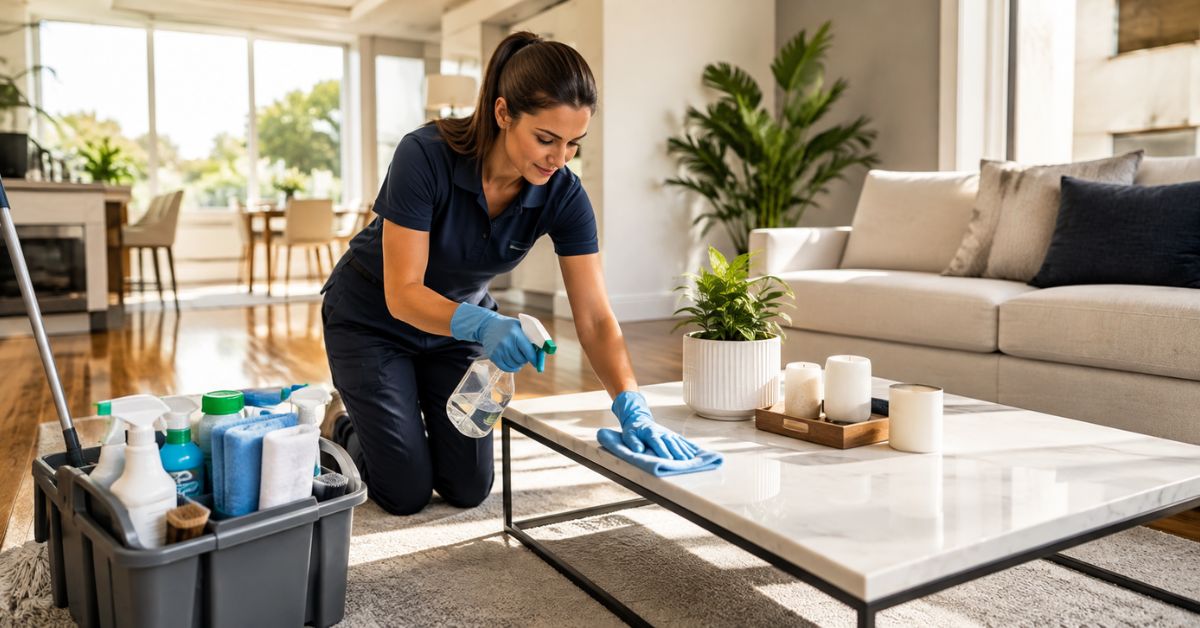
Carry a Cleaning Caddy
Keeping frequently used supplies together eliminates unnecessary trips around the house.
A basic cleaning caddy might include:
- Microfiber cloths
- Multi-surface cleaner
- Glass cleaner
- Dusting wand
- Small scrub brush
- Disposable gloves
Finish What You Start
Professional cleaners rarely leave one task half finished.
Completing one job before moving to another creates momentum and visible progress.
Common Mistakes That Make Homes Feel Messy
Sometimes a house doesn’t actually need more cleaning; it simply needs better habits.
Avoid these common mistakes.
Waiting for the Perfect Time
Many people postpone cleaning because they expect to have several free hours.
Instead, use short five- or ten-minute cleaning sessions throughout the day.
Trying to Clean the Entire House at Once
Cleaning every room in one session often feels overwhelming.
Focus on one area at a time.
Ignoring Daily Maintenance
Dust, dishes, laundry, and clutter become much harder to manage when left for several days.
Small daily tasks prevent major weekend cleaning sessions.
Keeping Too Many Unused Items
The more belongings you own, the more there is to organize, dust, and clean.
Regular decluttering makes every cleaning routine easier.
Using the Wrong Cleaning Tools
Old rags, worn-out sponges, and poor-quality vacuums often make cleaning slower.
Professional cleaners prefer simple, effective tools such as microfiber cloths, flat mops, and extendable dusters.
A Realistic Cleaning Schedule That Actually Works
One reason some people always have a clean house is that they don’t try to do everything in one day.
Instead, they spread tasks throughout the week.
Daily
- Make the bed.
- Wash dishes.
- Wipe kitchen counters.
- Put away clutter.
- Take out trash if needed.
- Do a quick five-minute reset before bed.
Weekly
- Vacuum floors.
- Mop hard surfaces.
- Dust furniture.
- Clean bathrooms.
- Change bed sheets.
- Wipe mirrors.
- Clean frequently touched surfaces.
Monthly
- Wash baseboards.
- Dust ceiling fans.
- Clean windows.
- Vacuum under furniture.
- Deep clean kitchen appliances.
- Organize storage areas.
Time-Saving Tips Used by Professional Cleaners
Professional housekeepers work efficiently because they follow proven systems.
Here are some of their best time-saving strategies:
- Set a timer for 15 minutes and clean without distractions.
- Carry all supplies in one trip.
- Use microfiber cloths that capture dust quickly.
- Clean from left to right around each room.
- Listen to music or a podcast to make cleaning more enjoyable.
- Involve every family member in age-appropriate chores.
- Focus on visible areas first when you’re short on time.
- Finish each room before moving to the next.
The Secret Isn’t Perfection; It’s Consistency
If you visit someone whose home always looks clean, you’re probably seeing the result of hundreds of small habits rather than one big cleaning day.
Professional cleaners understand that a consistently tidy home is built through routine maintenance, smart organization, and realistic expectations.
At True Housekeeping, we encourage readers to create cleaning habits that fit their lifestyle instead of chasing perfection. A home should be comfortable to live in, not stressful to maintain. By building simple daily routines and staying consistent, you’ll spend less time catching up on chores and more time enjoying your home.
Final Housekeeping Secrets That Really Make a Difference
After years of observing how organized homes are maintained, one thing becomes clear: people who always have a clean house aren’t constantly cleaning—they’re constantly preventing messes.
Their homes stay tidy because they have systems, not because they have more free time.
Here are a few final habits that professional housekeepers recommend.
Follow the “Leave the Room Better Than You Found It” Rule
Whenever you leave a room, take a quick look around.
Ask yourself:
- Is there anything that belongs somewhere else?
- Can I throw away any trash?
- Can I straighten one small area?
Even spending 30 seconds before leaving a room can significantly reduce clutter throughout the day.
Use the Two-Minute Rule
If a task takes less than two minutes, do it immediately.
Examples include:
- Putting dishes in the dishwasher
- Wiping a bathroom sink
- Hanging up a coat
- Folding a blanket
- Returning shoes to the closet
- Emptying a small trash bin
Small actions prevent larger cleaning sessions later.
Declutter Before You Clean
Many people spend time cleaning around unnecessary items instead of removing them.
Before dusting or wiping surfaces:
- Put misplaced items away.
- Throw away trash.
- Recycle unnecessary papers.
- Donate things you no longer use.
Cleaning becomes much faster when surfaces are clear.
Create a Simple Family Cleaning Routine

Keeping a home clean shouldn’t fall on one person alone.
Even young children can help with simple tasks like:
- Putting toys away
- Making their bed
- Carrying laundry
- Wiping low surfaces with supervision
Older children and adults can share responsibilities like vacuuming, taking out the trash, or cleaning bathrooms.
A shared routine keeps the workload manageable and teaches responsibility.
Signs Your Cleaning Routine Is Working
You don’t need a picture-perfect home to know your routine is effective.
You’re on the right track if:
- Guests can visit without causing stress.
- Most rooms need only a quick tidy rather than a major clean.
- Laundry rarely piles up for days.
- Kitchen counters stay mostly clear.
- You know where most of your everyday items belong.
- Cleaning feels like part of your routine instead of a weekend marathon.
These are realistic signs of a well-maintained home.
Weekly House Cleaning Checklist

Use this checklist to stay on track without feeling overwhelmed.
Every Day
✔ Make the bed.
✔ Wash dishes or load the dishwasher.
✔ Wipe kitchen counters.
✔ Put away clutter.
✔ Empty trash if needed.
✔ Spend five minutes resetting the living room before bed.
Once Each Week
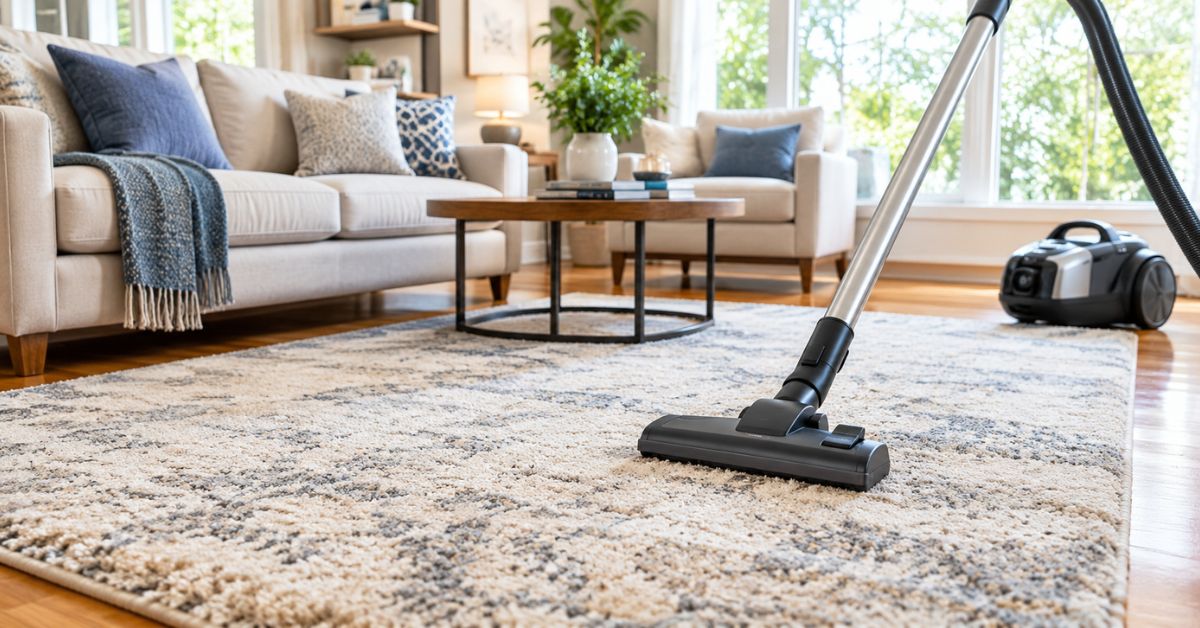
✔ Vacuum carpets and rugs.
✔ Mop hard floors.
✔ Dust furniture and shelves.
✔ Clean bathroom sinks, toilets, and showers.
✔ Change bed sheets.
✔ Wipe mirrors.
✔ Clean high-touch surfaces such as door handles, light switches, and cabinet pulls.
Once Each Month
✔ Dust ceiling fans.
✔ Wash baseboards.
✔ Clean windows.
✔ Vacuum under furniture.
✔ Deep clean kitchen appliances.
✔ Organize closets or storage areas.
✔ Check household supplies and restock cleaning products.
Common Questions People Ask
How do some people always have a clean house?
Most people with consistently clean homes rely on small daily habits instead of occasional deep-cleaning sessions. They clean as they go, stay organized, and prevent clutter from building up.
How much time do people with clean houses spend cleaning?
Many homeowners spend only 15 to 30 minutes each day on maintenance. Because they clean regularly, they rarely need long weekend cleaning sessions.
What’s the biggest secret to a clean home?
The biggest secret is consistency. Small tasks completed every day are more effective than spending several hours cleaning once a week.
Is it possible to keep a clean house while working full-time?
Yes. Breaking chores into short daily routines and assigning specific tasks to different days makes housekeeping much easier, even with a busy schedule.
How often should I deep clean my house?
Most homes benefit from seasonal deep cleaning every three to four months, while daily and weekly maintenance keeps dirt from building up.
Should I clean every room every day?
No. Focus on daily maintenance in high-traffic areas such as the kitchen and bathroom, then rotate deeper cleaning tasks throughout the week.
Why does my house get messy so quickly?
The most common reasons are delayed cleaning, excess clutter, inconsistent routines, and not putting items back after using them.
What do professional housekeepers recommend?
Professional cleaners recommend cleaning as you go, using microfiber tools, following a consistent schedule, decluttering regularly, and focusing on maintenance rather than perfection.
Conclusion

If you’ve ever wondered, “How Do Some People Always Have a Clean House? What’s the Secret?”, the answer isn’t hidden in expensive products or endless hours of scrubbing.
The real secret is consistency.
People with tidy homes develop simple habits that prevent clutter, dirt, and unfinished chores from piling up. They make small decisions throughout the day: washing dishes after meals, putting things back where they belong, wiping surfaces before stains set in, and following realistic routines that fit their lifestyle.
At True Housekeeping, we believe a clean home should support your life, not control it. Instead of striving for perfection, focus on building habits you can maintain every day. Over time, these small actions create a home that feels cleaner, calmer, and easier to enjoy.
Remember, a welcoming home isn’t created in one afternoon. It’s built through consistent care, practical routines, and a mindset that values progress over perfection.




Leave a Reply