
Keeping your walls clean is one of the easiest ways to make your home look brighter and more inviting. Over time, painted walls collect dust, fingerprints, grease, scuff marks, and other stains that can make even a well-kept room appear dirty. The good news is that you don’t have to repaint your walls every time they become dirty. With the right cleaning methods and gentle products, you can safely remove dirt without damaging the paint.
In this guide, you’ll learn how to clean walls without removing paint, including the best cleaning supplies, how to identify different paint finishes, and the safest techniques for keeping your walls spotless.
Why Do Painted Walls Get Dirty?
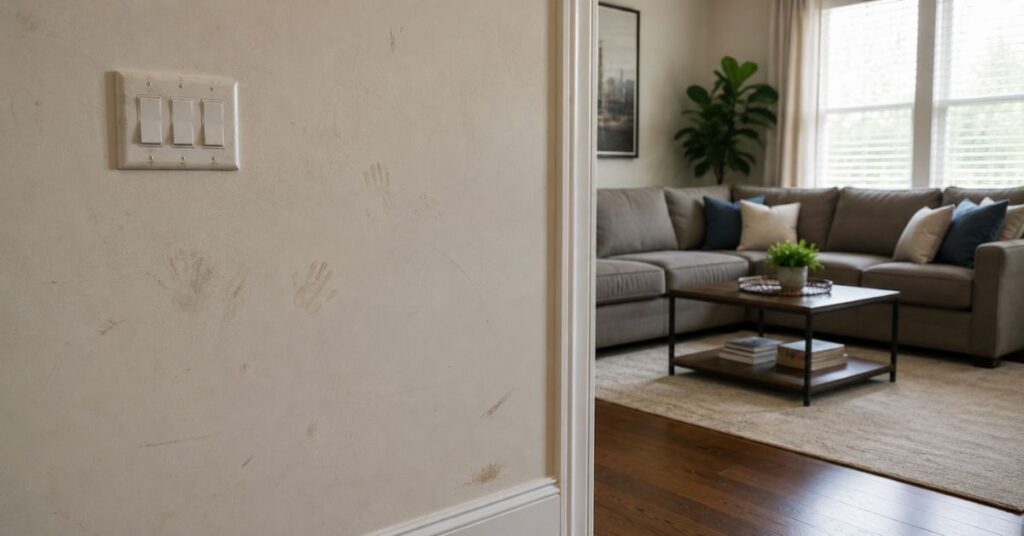
Even if you clean your home regularly, walls naturally attract dust and stains. Everyday activities leave behind dirt that gradually builds up over time.
Some of the most common causes include:
- Dust and airborne particles
- Fingerprints around light switches and doorways
- Grease splatters in kitchens
- Soap residue in bathrooms
- Scuff marks from shoes, furniture, or bags
- Crayon, pencil, or marker marks from children
- Pet hair and nose prints
- Smoke and cooking residue
Regular wall cleaning helps preserve your paint, improves indoor appearance, and creates a healthier living environment.
Can You Clean Painted Walls Without Damaging the Paint?
Yes. Most painted walls can be cleaned safely if you use mild cleaning solutions, soft microfiber cloths, and gentle pressure.
The biggest mistake homeowners make is scrubbing too hard or using harsh chemicals. Abrasive cleaners, bleach, steel wool, and rough scrub brushes can remove paint, dull the finish, or leave permanent marks.
Instead, always:
- Dust the wall first
- Use warm water with a small amount of mild dish soap
- Test the cleaner on a hidden area
- Wipe gently instead of scrubbing aggressively
- Dry the wall immediately with a clean microfiber towel
Following these simple precautions keeps your walls clean while protecting the paint finish.
Know Your Paint Finish Before Cleaning
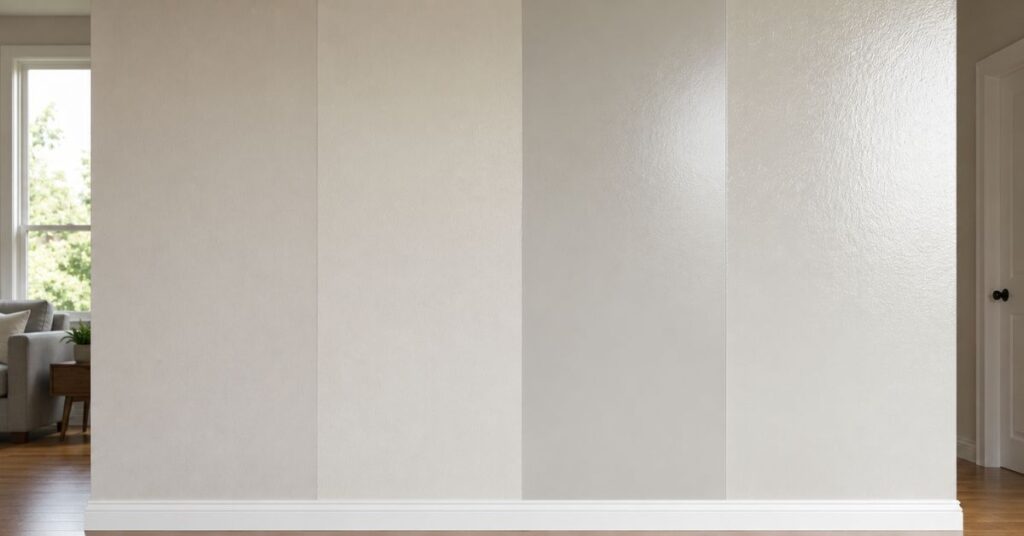
Not all painted walls should be cleaned the same way. Different paint finishes have different levels of durability.
Flat or Matte Paint
Flat paint is beautiful but delicate. It absorbs stains easily and can lose color if scrubbed too hard.
Best cleaning method:
- Dry dusting
- Damp microfiber cloth
- Very little soap
- Gentle wiping only
Eggshell Paint
Eggshell paint has a soft sheen and is slightly more durable than flat paint.
It can handle light cleaning with warm water and mild dish soap without damaging the finish.
Satin Paint
Satin paint is commonly used in living rooms, hallways, and children’s bedrooms because it’s easier to clean.
A damp microfiber cloth and mild soap usually remove fingerprints and light stains with little effort.
Semi-Gloss and Gloss Paint
These finishes are the easiest to clean because they resist moisture and stains.
They are commonly found in:
- Kitchens
- Bathrooms
- Doors
- Trim
- Baseboards
Even though they’re durable, avoid abrasive pads that may scratch the shiny surface.
Supplies You’ll Need
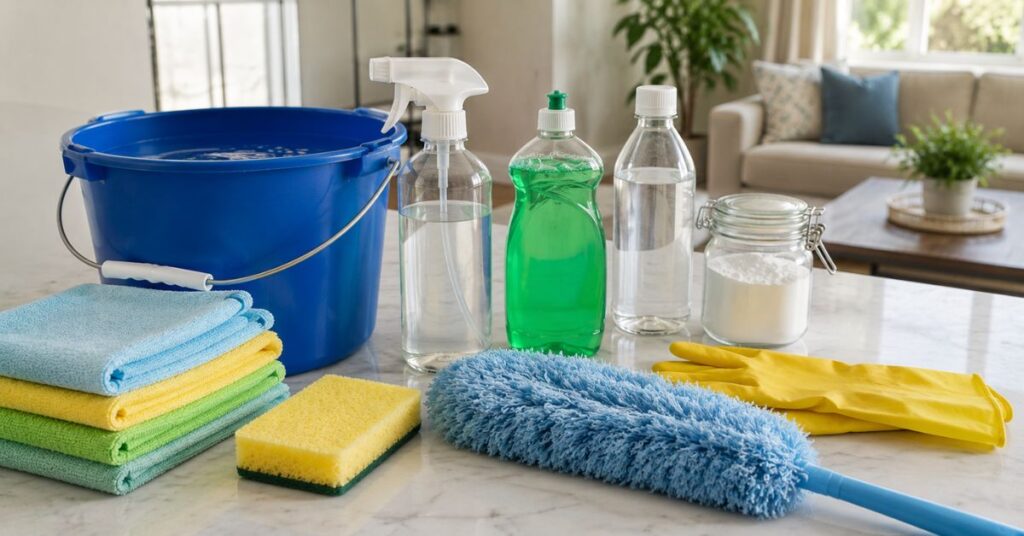
Gather everything before you begin cleaning to make the process easier.
Essential Cleaning Supplies
- Soft microfiber cloths
- Microfiber duster
- Bucket
- Warm water
- Mild dish soap
- Spray bottle
- Soft sponge
- Dry microfiber towel
- Step ladder for high walls
- Rubber gloves (optional)
Optional Supplies for Tough Stains
For stubborn spots, you may also need:
- White vinegar
- Baking soda
- Melamine sponge (Magic Eraser) used very gently
- Hydrogen peroxide (for certain stains only)
- Cotton swabs for corners and trim
Use these products carefully and always test them on a hidden section first.
Prepare the Room Before Cleaning
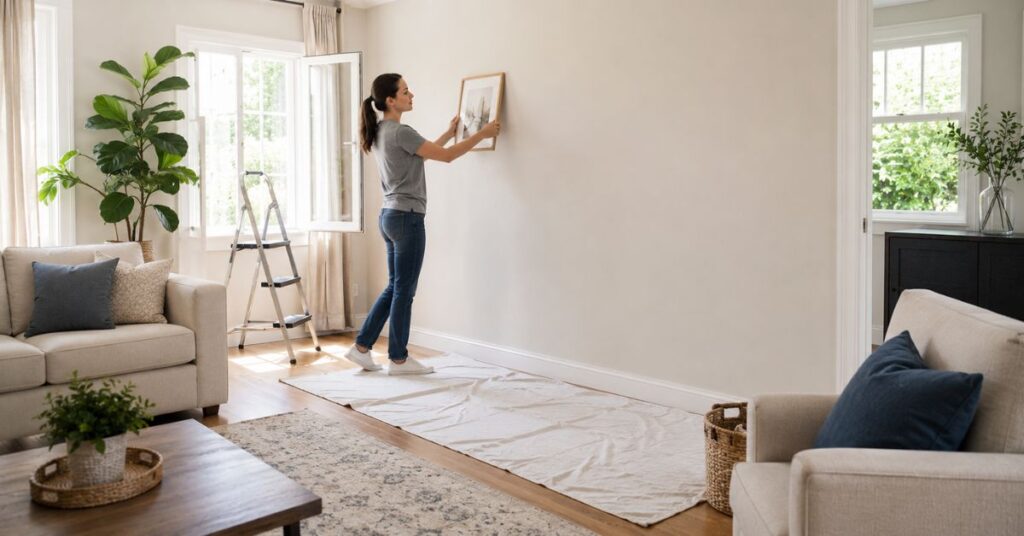
Preparing the room helps prevent damage to furniture and makes cleaning more efficient.
Before you begin:
- Remove pictures, mirrors, and wall decorations.
- Move furniture away from the walls.
- Cover floors with towels if necessary.
- Open windows for ventilation.
- Dust ceilings, corners, and baseboards first so dust doesn’t fall onto freshly cleaned walls.
- Turn off electrical power when cleaning around outlets or switches.
Proper preparation saves time and reduces the risk of leaving streaks or spreading dust.
Test the Cleaning Solution First
Before cleaning an entire wall, always perform a spot test.
Choose a hidden area behind furniture or near the bottom corner of the wall.
- Dip a microfiber cloth into your cleaning solution.
- Wring out excess water until the cloth is only slightly damp.
- Gently wipe the test area.
- Wait several minutes for it to dry.
- Check for fading, discoloration, peeling, or paint transfer.
If the paint remains unchanged, you can safely clean the rest of the wall using the same method.
Step-by-Step Guide to Clean Painted Walls Safely
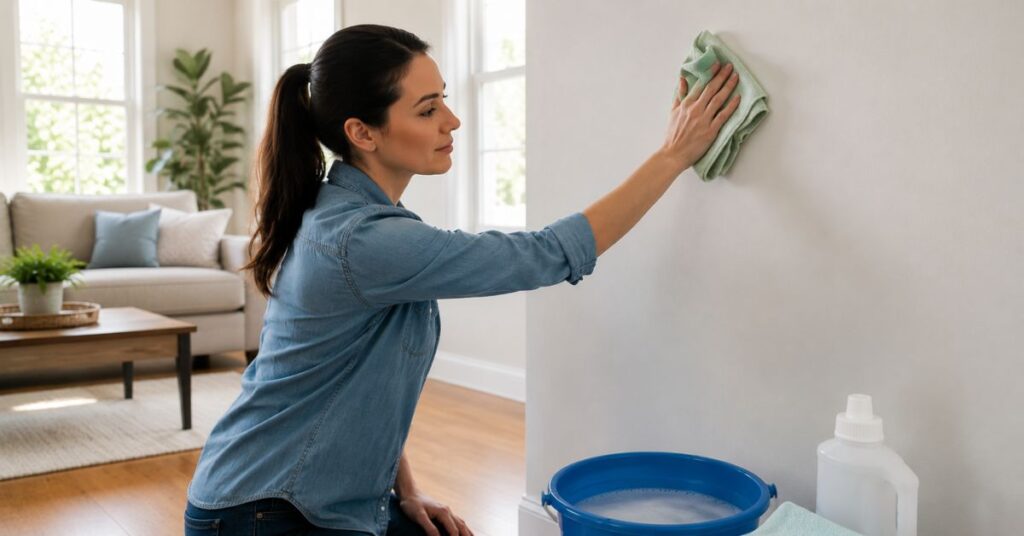
Once you’ve prepared the room and tested your cleaning solution, it’s time to clean the walls. Following the correct process will remove dirt and stains while keeping the paint finish intact.
Step 1: Dust the Walls First
Never wash dusty walls directly. Dust particles can turn into muddy streaks when mixed with water.
Use a:
- Microfiber duster
- Dry microfiber cloth
- Vacuum cleaner with a soft brush attachment
Start at the top of the wall and work your way down. Pay special attention to corners, ceiling edges, baseboards, and areas around vents where dust tends to accumulate.
Step 2: Prepare a Gentle Cleaning Solution
For most painted walls, a mild soap solution is all you need.
Mix:
- 1 gallon (4 liters) of warm water
- 2–3 drops of mild dish soap
Avoid using excessive soap because it can leave a residue on the paint.
Fill a bucket or spray bottle with the solution and keep a second bucket of clean water nearby for rinsing.
Step 3: Clean from Top to Bottom
Dip a microfiber cloth or soft sponge into the cleaning solution.
Make sure it is damp—not soaking wet.
Gently wipe the wall using:
- Circular motions
- Light pressure
- Small sections at a time
Always work from the top downward to prevent dirty water from creating streaks.
After cleaning each section, wipe it with a clean damp cloth to remove any soap residue.
Step 4: Dry the Wall Immediately
Leaving moisture on painted walls can create streaks or water marks.
Use a clean microfiber towel to dry each section as you go.
This step is especially important for:
- Flat paint
- Matte paint
- Older painted surfaces
Drying immediately helps preserve the paint finish and leaves walls looking fresh and clean.
How to Remove Common Wall Stains
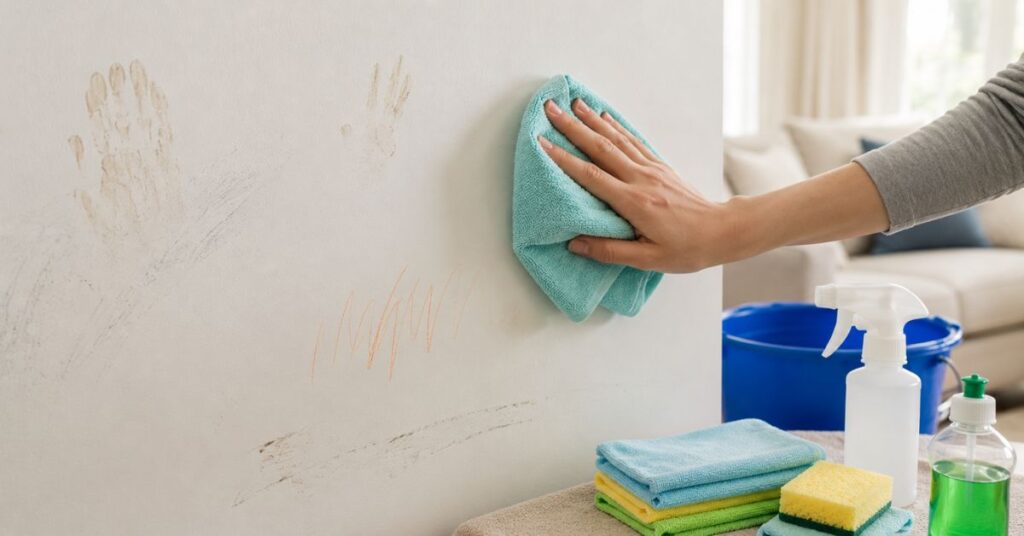
Different stains require slightly different cleaning methods. The key is to use the gentlest option first.
Removing Fingerprints
Fingerprints are common around:
- Light switches
- Door frames
- Hallways
- Children’s rooms
Use a damp microfiber cloth with mild soapy water.
Wipe gently until the marks disappear.
For stubborn fingerprints, add a small amount of white vinegar to the cleaning solution.
Removing Scuff Marks
Scuff marks often come from:
- Shoes
- Furniture
- Backpacks
- Vacuum cleaners
Try cleaning them with:
- A damp microfiber cloth
- Mild dish soap solution
If the mark remains, lightly use a melamine sponge (Magic Eraser).
Do not scrub aggressively because it may remove paint, especially on flat finishes.
Removing Grease Stains
Kitchen walls often develop grease buildup from cooking.
Mix:
- Warm water
- A few drops of dish soap
Dish soap is designed to cut through grease effectively.
For heavier buildup:
- Add a small amount of white vinegar
- Let the solution sit for one minute
- Wipe gently
Avoid strong degreasers unless the paint manufacturer specifically recommends them.
Removing Crayon Marks
If children have decorated your walls with crayons, don’t panic.
Try this method:
- Dampen a microfiber cloth with warm soapy water.
- Gently rub the crayon mark.
- If necessary, use a small amount of baking soda on a damp cloth.
Always use light pressure to avoid dulling the paint.
Removing Pencil Marks
Pencil marks are usually easier to remove than crayon marks.
Use:
- Mild soap solution
- Soft cloth
Wipe gently until the mark disappears.
Avoid rough scrubbing, which can damage painted surfaces.
Removing Marker Stains
Permanent marker can be challenging to remove.
Try:
- A small amount of rubbing alcohol on a cotton swab
- Test in an inconspicuous area first
Apply carefully and avoid spreading the stain over a larger area.
Once the stain is removed, wipe the area with clean water and dry immediately.
How to Clean Kitchen Walls Without Damaging Paint
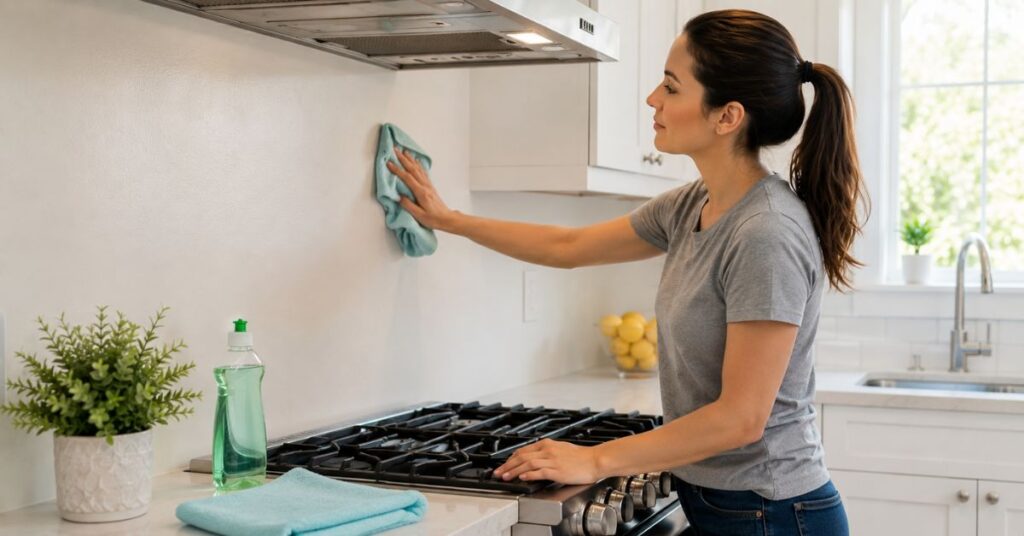
Kitchen walls are exposed to:
- Cooking oils
- Food splatters
- Steam
- Smoke residue
Because of this, they often need more frequent cleaning.
Best Method
- Dust the wall first.
- Use warm water mixed with mild dish soap.
- Clean in small sections.
- Rinse with a clean damp cloth.
- Dry immediately.
Focus on areas near:
- Stoves
- Ovens
- Countertops
- Range hoods
Regular cleaning prevents grease from becoming difficult to remove.
How to Clean Bathroom Walls Safely
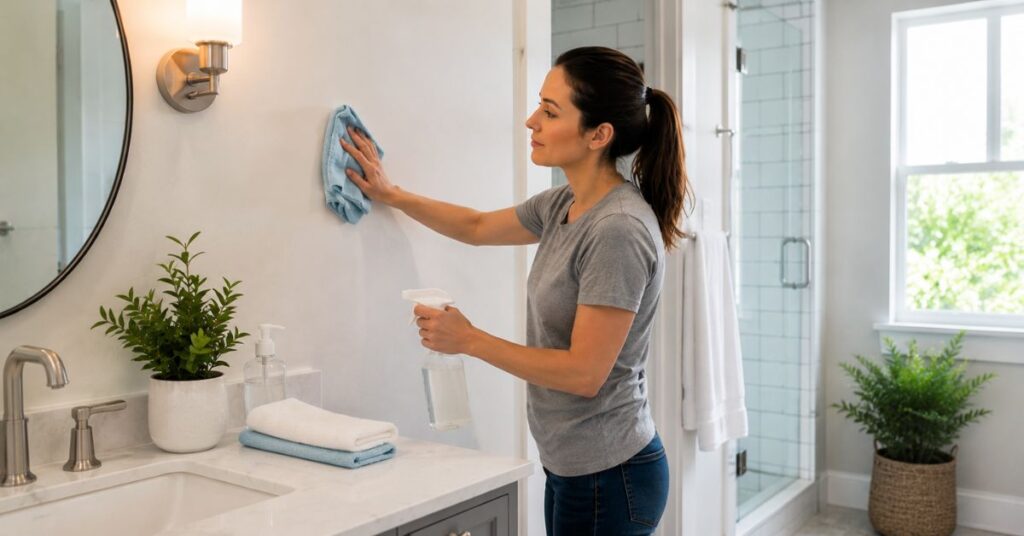
Bathrooms are prone to:
- Moisture
- Soap residue
- Mildew buildup
Use a mild cleaning solution and ensure good ventilation while cleaning.
If mildew spots appear:
- Mix equal parts white vinegar and water.
- Apply lightly.
- Wipe gently.
- Dry thoroughly.
Avoid soaking painted bathroom walls with excessive water.
Mistakes That Can Remove Paint
Many wall-cleaning problems happen because of improper techniques.
Avoid these common mistakes:
Using Abrasive Scrubbers
Steel wool and rough brushes can scratch paint and leave visible marks.
Scrubbing Too Hard
Even washable paint can wear away when excessive force is used.
Always clean gently.
Using Harsh Chemicals
Avoid:
- Bleach
- Ammonia-based cleaners
- Strong solvents
- Industrial degreasers
These products can discolor or soften paint.
Using Too Much Water
Overly wet walls can lead to:
- Streaks
- Bubbling paint
- Water damage
A damp cloth is usually all that’s needed.
Skipping the Spot Test
Different paints react differently to cleaning products.
Testing first can prevent costly damage.
How Often Should You Clean Painted Walls?
Cleaning your walls regularly prevents dirt and stains from building up, making deep cleaning easier and helping your paint last longer.
A simple cleaning schedule can keep your home looking fresh:
| Area | Recommended Cleaning Frequency |
| Living room | Every 3–6 months |
| Bedrooms | Every 6–12 months |
| Hallways | Every 2–3 months |
| Kitchen walls | Every month or as needed |
| Bathroom walls | Every 1–2 months |
| Around light switches and door handles | Weekly |
Homes with children or pets may require more frequent wall cleaning due to fingerprints, scuff marks, and other everyday messes.
Tips to Keep Walls Clean Longer
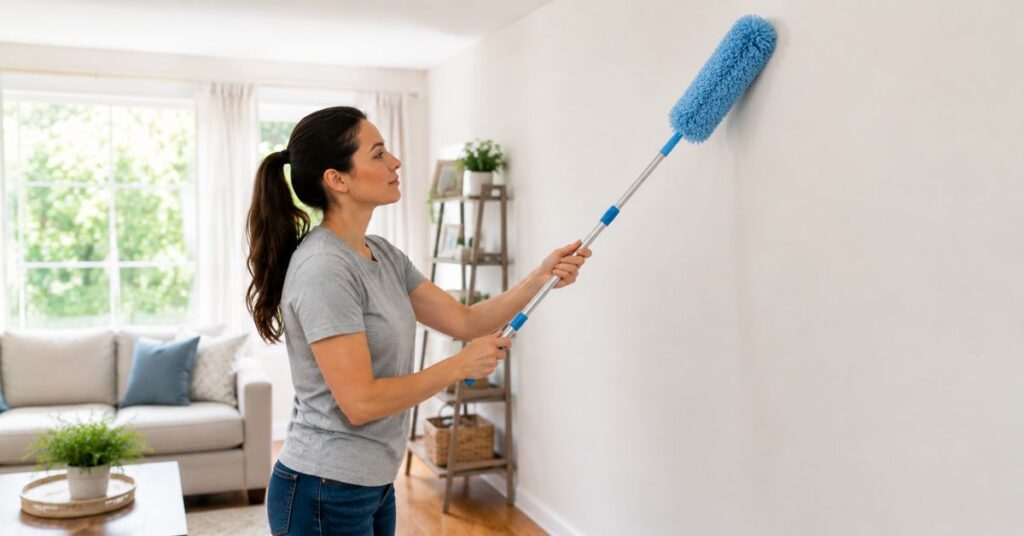
A few simple habits can reduce the amount of dirt that collects on painted walls.
Dust Regularly
Dust walls every few weeks using a microfiber duster or a vacuum with a soft brush attachment. This prevents dust from sticking when humidity rises.
Clean Spills Immediately
Food splashes, grease, or drink stains are much easier to remove when cleaned right away. Letting stains sit for days can make them harder to remove without affecting the paint.
Improve Ventilation
Use exhaust fans in kitchens and bathrooms to reduce moisture, grease, and smoke buildup on walls.
Protect High-Traffic Areas
Furniture, backpacks, and shoes often leave scuff marks on walls. Using doorstops, furniture pads, or wall protectors can help prevent damage.
Wash Hands Before Touching Walls
Encouraging family members to avoid touching walls with dirty or greasy hands can significantly reduce fingerprints and stains.
Signs Your Walls Need Repainting Instead of Cleaning
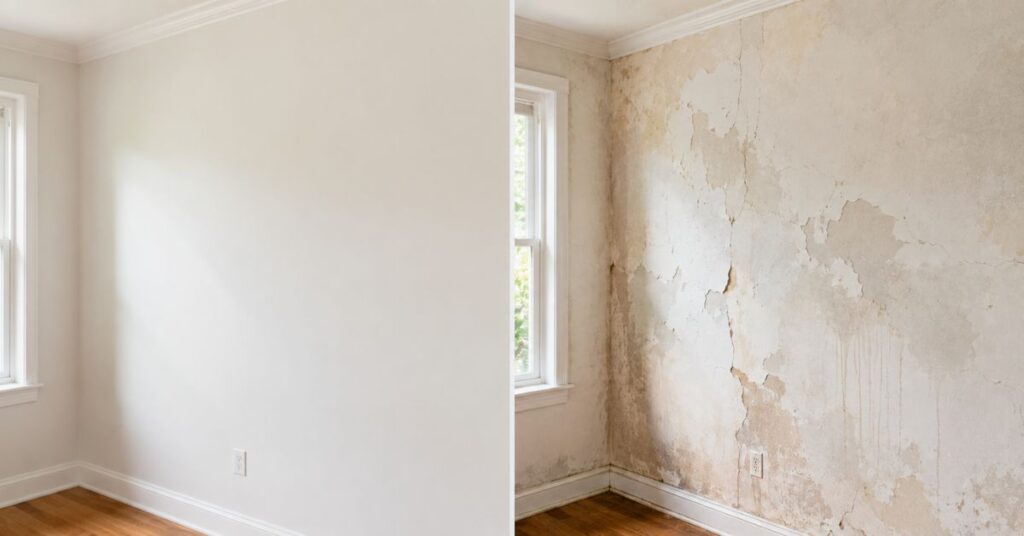
Sometimes cleaning is no longer enough to restore painted walls.
Consider repainting if you notice:
- Peeling or flaking paint
- Large faded areas
- Water damage or stains that keep returning
- Deep scratches or gouges
- Cracked paint
- Mold growing beneath the paint
- Paint that continues to rub off while cleaning
If these issues are present, repainting may be a better solution than repeated cleaning.
Best Cleaning Products for Painted Walls
For routine cleaning, stick to gentle products that are safe for most paint finishes.
Recommended options include:
- Mild dish soap
- Warm water
- Microfiber cloths
- White vinegar (diluted)
- Baking soda for stubborn spots
- Soft sponge
- Melamine sponge (used carefully on durable finishes)
Avoid products that contain:
- Bleach
- Ammonia
- Acetone
- Abrasive powders
- Steel wool
- Harsh solvents
These can damage paint, remove the finish, or leave permanent marks.
FAQs
Can I use vinegar to clean painted walls?
Yes. Diluted white vinegar can help remove light grease and stains. Mix equal parts white vinegar and water, test it on a hidden area first, and avoid using it on delicate or freshly painted walls.
Will dish soap damage wall paint?
No. A small amount of mild dish soap mixed with warm water is one of the safest and most effective cleaning solutions for most painted walls.
Can I use a Magic Eraser on painted walls?
Yes, but only with caution. A melamine sponge (Magic Eraser) is mildly abrasive and can dull or remove paint, especially on flat or matte finishes. Always test it in an inconspicuous area and use very light pressure.
What is the safest cloth for cleaning walls?
A soft microfiber cloth is the best choice. It removes dust and dirt effectively without scratching the painted surface.
Can I pressure wash painted interior walls?
No. Pressure washers should never be used indoors on painted walls. Excessive water pressure can strip paint, damage drywall, and force moisture into the wall.
How do I prevent streaks after cleaning walls?
Use a damp, not soaking-wet, microfiber cloth; clean one section at a time; rinse away soap residue; and dry each area immediately with a clean microfiber towel.
Final Thoughts
Learning how to clean walls without removing paint is all about using the right tools, gentle cleaning solutions, and proper techniques. Most painted walls can be cleaned safely with warm water, a small amount of mild dish soap, and a soft microfiber cloth.
Always dust the walls before washing, clean from top to bottom, avoid abrasive cleaners, and test any cleaning solution in a hidden area first. These simple steps help protect the paint finish while removing everyday dirt, fingerprints, grease, and scuff marks.
With regular maintenance and prompt attention to stains, your painted walls can stay clean, vibrant, and attractive for years without frequent repainting.