

What You’ll Learn
Have you ever looked at a clothing label that says “Dry Clean Only” and wondered if it’s really necessary? Many people assume dry cleaning is always the safest option, while others avoid it because they think it’s expensive or filled with harsh chemicals. The truth is much more practical. Understanding what is dry cleaning, and knowing when it’s actually necessary can help you protect your favorite clothes, save money, and make smarter laundry decisions.
Whether it’s a wool coat, silk dress, tailored suit, or delicate evening gown, not every garment should be washed the same way. Some fabrics lose their shape, fade, shrink, or become damaged when washed with water. That’s where professional dry cleaning becomes valuable.
In this complete guide, you’ll discover what is dry cleaning,, how the process works, which clothes really need it, when you can safely skip it, and expert tips for keeping your wardrobe in excellent condition. At True Housekeeping, we believe proper garment care starts with understanding the fabric before choosing the cleaning method. Making the right decision today can help your clothes look newer and last much longer.
What Is Dry Cleaning?

The simplest way to explain dry cleaning is that it is a professional cleaning method that uses a special solvent instead of water to remove dirt, oils, sweat, stains, and odors from clothing and household fabrics.
Despite its name, dry cleaning is not completely dry. Clothes are cleaned in a liquid solution rather than soaked in water. Because water isn’t the primary cleaning agent, delicate fabrics are less likely to shrink, stretch, wrinkle excessively, or lose their original texture.
Modern dry cleaners place garments into specialized machines that look similar to large washing machines. Instead of filling with water, these machines use cleaning solvents that gently dissolve grease and oil-based stains while protecting sensitive fibers. After cleaning, the solvent is filtered, recycled, and reused in a closed system before the garments are dried, pressed, and inspected.
Understanding what is dry cleaning, helps explain why expensive clothing often comes with a “Dry Clean Only” label. Manufacturers test fabrics during production and recommend the safest cleaning method to preserve quality.
Why Is It Called “Dry” Cleaning?
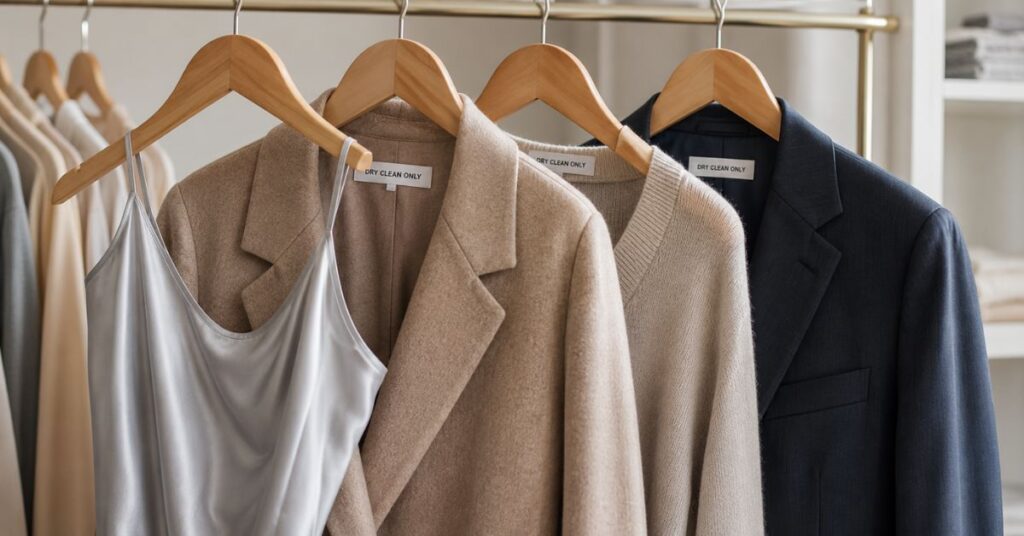
Many people are confused by the name because clothing still becomes wet during the cleaning process. The word “dry” simply means that water isn’t used as the main cleaning liquid.
Instead, professional cleaners rely on specially formulated solvents that remove stains without damaging delicate fibers.
This method is particularly useful for fabrics that react poorly to water, including:
- Silk
- Wool
- Velvet
- Cashmere
- Rayon
- Structured blazers
- Tailored suits
Knowing what is dry cleaning, also helps consumers understand that the process is designed to protect the construction of garments, not just clean them.
How Does Dry Cleaning Work?
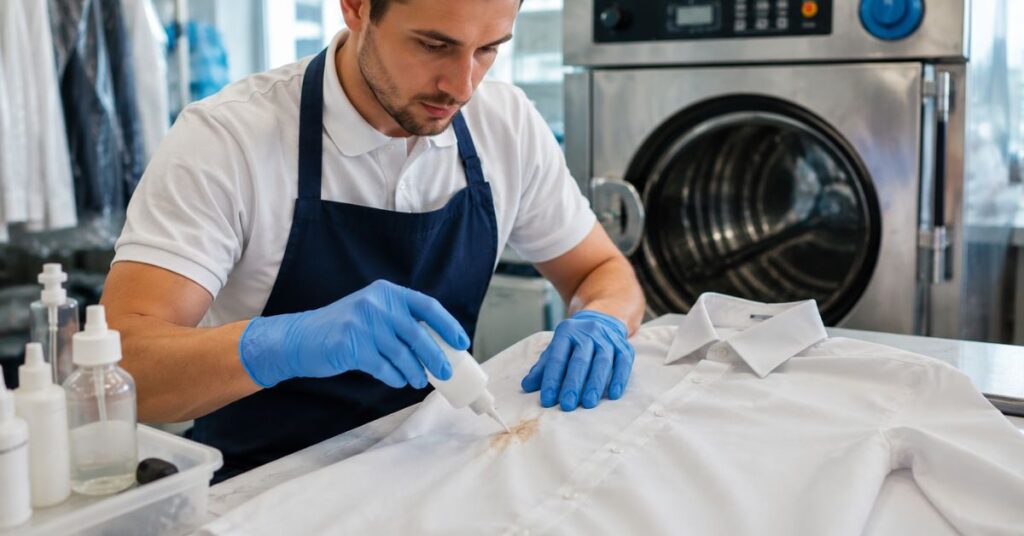
Although the process looks simple from the outside, professional dry cleaning involves several carefully controlled steps.
1. Garment Inspection
Every item is inspected before cleaning.
Professionals check for:
- Missing buttons
- Loose stitching
- Torn seams
- Existing stains
- Fabric damage
- Care label instructions
Any stains are identified before cleaning because different stains require different treatments.
2. Pre-Treating Stains
Before garments enter the machine, stubborn stains receive special attention.what is dry cleaning,
Experts may pre-treat:
- Coffee stains
- Oil stains
- Ink marks
- Makeup
- Grease
- Food spills
- Sweat stains
Professional stain removers are selected based on both the stain type and fabric type.what is dry cleaning,
3. Cleaning with Solvent
This is where what is dry cleaning becomes different from traditional laundry.
Instead of water and detergent, clothes are gently rotated inside a machine filled with cleaning solvent. what is dry cleaning,The solvent circulates through the garments while removing oils, dirt, and odors without saturating the fibers with water.
The cleaning cycle is carefully timed to avoid unnecessary wear.
4. Solvent Recovery
Modern dry cleaning machines are environmentally safer than older models.
Instead of discarding the solvent after one use, machines filter and recycle it through advanced purification systems. what is dry cleaning,This reduces waste while maintaining cleaning performance.
5. Drying
After cleaning, warm air evaporates the remaining solvent.
Because solvents evaporate quickly, garments dry efficiently without remaining soaked.
This helps maintain the original size and structure of delicate clothing.
6. Pressing and Finishing
Once garments are clean, professionals:
- Steam wrinkles
- Press collars
- Shape jackets
- Restore pleats
- Smooth dresses
- Inspect the final appearance
Many garments leave the cleaner looking almost new because of this finishing process.
Why Do Some Clothes Need Dry Cleaning?

One of the biggest reasons people search for what is dry cleaning is because they want to know whether it’s actually necessary.
The answer depends largely on the fabric.
Certain fibers absorb water differently than others. Some shrink quickly, while others lose their shape or become rough after washing.
Professional dry cleaning protects these materials from damage that ordinary washing machines may cause.
For example, a tailored wool suit contains inner layers of canvas, padding, and stitching that help maintain its shape. Washing it with water can cause those layers to warp or separate, permanently changing how the suit fits.
Similarly, silk fabrics may lose their smooth texture, and velvet can become flattened if washed incorrectly.
Choosing dry cleaning for these garments is less about removing dirt and more about preserving the fabric’s appearance and structure.
What Types of Clothes Should Be Dry Cleaned?
Not every clothing item requires professional care, but certain garments benefit greatly from it.
Common examples include:
| Clothing Item | Why Dry Cleaning Is Recommended |
| Wool suits | Prevents shrinking and maintains structure |
| Silk dresses | Protects delicate fibers and color |
| Cashmere sweaters | Prevents stretching and pilling |
| Formal gowns | Preserves embellishments and shape |
| Blazers | Maintains tailoring and crisp appearance |
| Pleated skirts | Keeps permanent pleats intact |
| Velvet clothing | Prevents crushing the fabric pile |
| Winter coats | Protects insulation and outer fabric |
| Linen suits | Reduces distortion while cleaning |
| Beaded garments | Prevents decorative damage |
If the care label clearly states “Dry Clean Only,” it’s usually best to follow that recommendation, especially for expensive or sentimental clothing.
Common Fabrics That Benefit Most from Dry Cleaning
Different fabrics react differently to moisture and agitation. Understanding their characteristics makes it easier to decide when professional cleaning is worth it.
Wool
Wool fibers naturally absorb water and can shrink or become misshapen if washed improperly. Dry cleaning helps preserve the garment’s size, texture, and tailored appearance.
Silk
Silk is one of the most delicate natural fibers. Water can leave marks, weaken the fabric, or dull its natural sheen. Professional cleaning helps maintain its softness and vibrant color.
Cashmere
Cashmere offers exceptional softness but requires gentle care. Dry cleaning can help preserve its luxurious feel, especially for structured or high-end garments.
Velvet
Velvet’s raised surface, known as the pile, can flatten when exposed to excessive moisture or pressure. Dry cleaning helps keep the fabric smooth and rich in appearance.
Rayon
Rayon often loses strength when wet and may shrink or stretch if washed incorrectly. Professional cleaning reduces the risk of permanent damage.
Structured Jackets and Blazers
These garments often contain interfacing, shoulder pads, and linings that can warp in water. Dry cleaning helps maintain their original shape and fit.
Is Dry Cleaning Always Necessary?
This is one of the most common questions people ask after learning what is dry cleaning,. The answer is no; not every item labeled with delicate fabric automatically requires professional cleaning every time it is worn. In many cases, simply airing out a garment, spot-cleaning a small stain, or using a garment steamer can extend the time between dry cleaning visits.
However, for clothing with heavy stains, persistent odors, structured tailoring, or delicate embellishments, professional dry cleaning remains the safest option.
When Is Dry Cleaning Actually Necessary? According to the Experts

Many people assume every expensive garment should go straight to the dry cleaner after wearing it once. In reality, textile experts and professional cleaners agree that dry cleaning should be used when it protects the fabric or removes stains that water-based washing cannot handle. Understanding what is dry cleaning, also means knowing when it’s worth the cost and when regular laundering is perfectly safe.
Some clothing only needs professional cleaning a few times a year, while others should be dry cleaned after every few wears. The right choice depends on the fabric, the construction of the garment, and how dirty it has become.
At True Housekeeping, we recommend reading the care label first, inspecting the garment for stains or odors, and then choosing the safest cleaning method rather than relying on habit.
RELATED: The Right Way to Load Your Washing Machine for Truly Clean Clothes
Signs Your Clothes Should Be Dry Cleaned
If you’re unsure whether professional cleaning is necessary, look for these common signs.
The Care Label Says “Dry Clean Only”
The easiest clue is the care label.
Manufacturers test fabrics before selling garments and provide cleaning instructions that help preserve their quality. If the label clearly states “Dry Clean Only,” it’s generally best to follow that recommendation, especially for expensive clothing.
Ignoring the label may lead to:
- Shrinking
- Color fading
- Fabric distortion
- Wrinkling that won’t come out
- Damage to linings
- Loose stitching
- Permanent texture changes
Knowing what is dry cleaning, helps explain why manufacturers often choose this recommendation for delicate or structured garments.
Oil-Based Stains Are Present
Water works well on many everyday stains, but oil-based stains are much harder to remove.
Professional dry cleaning solvents dissolve greasy stains more effectively than regular detergent.
Examples include:
- Cooking oil
- Butter
- Lotion
- Makeup
- Sunscreen
- Body oils
- Grease
- Salad dressing
Trying to wash these stains at home may spread them deeper into the fibers instead of removing them completely.
Delicate Fabrics Need Protection
Certain materials simply don’t tolerate water well.what is dry cleaning,
These include:
- Silk
- Wool
- Cashmere
- Velvet
- Rayon
- Suede
- Leather trims
These fabrics can lose their shape or texture if washed incorrectly.
Learning what is dry cleaning, allows you to understand why these materials benefit from professional care.
The Garment Has Special Decorations
Decorative clothing often requires extra care.
what is dry cleaning,
Examples include:
- Sequins
- Beads
- Lace
- Embroidery
- Metallic thread
- Decorative buttons
- Rhinestones
Machine washing may loosen these details or cause them to fall off entirely.
Professional cleaners use gentler methods that reduce the risk of damage.
The Clothing Is Tailored
Structured clothing depends on careful construction.
Examples include:
- Business suits
- Blazers
- Formal jackets
- Wedding attire
- Evening gowns
- Dress coats
- what is dry cleaning,
These garments contain internal layers that help them keep their shape.
Water can soften adhesives or distort stitching, making the garment fit poorly.
When You Can Skip Dry Cleaning
One of the biggest misconceptions about what is dry cleaning,is that it’s required every time a garment is worn.
Experts say that’s rarely true.
Many garments stay clean after one or two wears and only need freshening rather than professional cleaning.
You may be able to skip dry cleaning if:
- The clothing has no stains.
- It doesn’t smell.
- It wasn’t worn for long.
- You wore an undershirt underneath.
- The garment still looks fresh.
- Only a small area needs spot cleaning.
Instead of sending it to the cleaner immediately, try:
- Hanging it outdoors in fresh air.
- Using a fabric steamer.
- Brushing away dust.
- Spot-cleaning small stains.
- Allowing it to rest between wears.
- what is dry cleaning,
This approach extends the life of the garment because excessive cleaning, even professional cleaning, can slowly wear down fibers over time.
How Often Should You Dry Clean Clothes?
what is dry cleaning,
here isn’t a single rule for every garment.
Professional cleaners generally recommend cleaning based on use rather than following a fixed schedule.
| Clothing Item | Suggested Frequency |
| Business suit | Every 3–5 wears |
| Blazer | Every 4–6 wears |
| Wool coat | Once or twice per season |
| Silk blouse | After 2–3 wears |
| Evening dress | After each event |
| Cashmere sweater | Every 4–5 wears if clean |
| Formal tuxedo | After each formal occasion |
| Winter scarf | Once per season or as needed |
If clothing develops stains, odors, or visible dirt, clean it sooner regardless of the schedule.
Understanding what is dry cleaning also means avoiding unnecessary trips to the cleaner when garments are still in excellent condition.
Dry Cleaning vs Washing at Home

Many people wonder whether they can save money by washing everything at home.
what is dry cleaning,
The answer depends on the garment.
| Dry Cleaning | Home Washing |
| Uses cleaning solvent | Uses water and detergent |
| Better for delicate fabrics | Better for everyday cotton clothing |
| Protects garment shape | Can cause shrinking in some fabrics |
| Removes oil-based stains well | Removes sweat and water-based stains well |
| Professional pressing included | Requires ironing at home |
| Higher cost | Lower cost |
| Best for formal clothing | Best for casual clothing |
Knowing what is dry cleaning,helps you choose the most appropriate method rather than assuming one is always better.
Can You Wash “Dry Clean Only” Clothes at Home?
Sometimes but not always.what is dry cleaning,
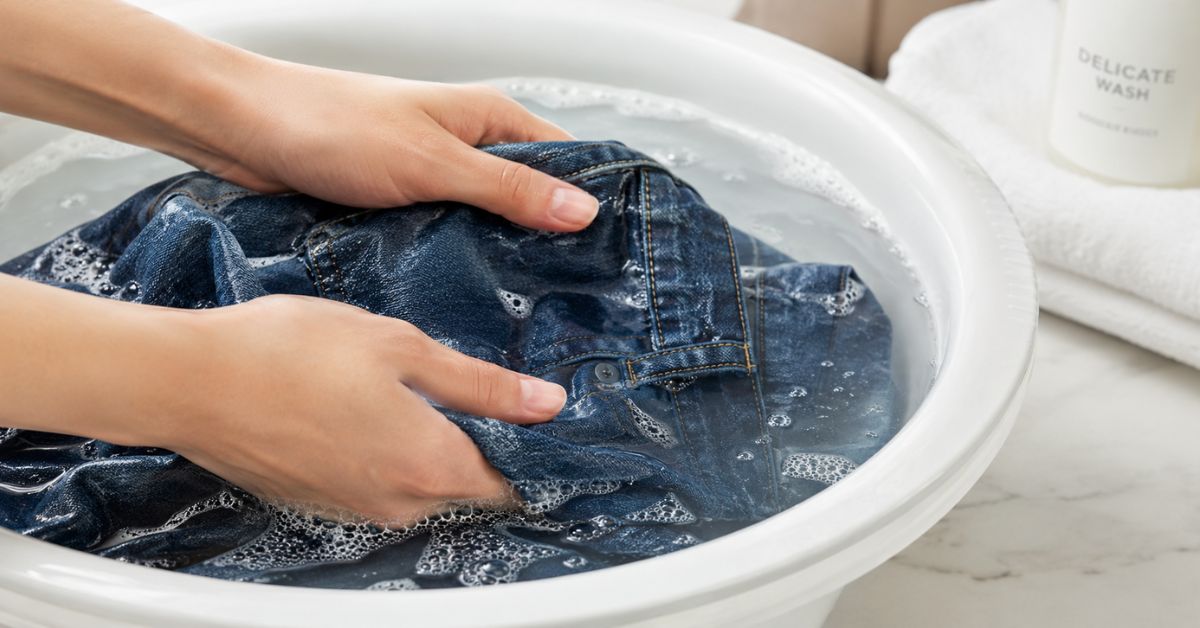
Some modern garments labeled “Dry Clean Only” survive careful hand washing, while others may become permanently damaged after just one wash.
Before attempting home washing, ask yourself:
- Is the fabric silk or wool?
- Does it have shoulder pads?
- Is it lined?
- Are there beads or sequins?
- Is it expensive?
- Would replacing it be costly?
If the answer is yes to several of these questions, professional cleaning is usually the safer choice.
When in doubt, follow the care label.
Common Myths About Dry Cleaning
There are many misconceptions surrounding what is dry cleaning,. Let’s separate fact from fiction.
Myth 1: Dry Cleaning Uses No Liquid
False.
Dry cleaning uses liquid cleaning solvents instead of water.
Myth 2: Everything Needs Dry Cleaning
False.
Many everyday clothes wash perfectly well at home.
Myth 3: Dry Cleaning Ruins Clothes
False.
When done properly by a reputable cleaner, dry cleaning helps preserve many delicate garments.
Myth 4: It’s Only for Rich People
False.
Professional cleaning can actually save money by helping expensive clothing last for many years.
Myth 5: Every Stain Comes Out
False.
Some stains become permanent if left untreated too long or exposed to heat before cleaning. The sooner a stained garment is taken to a professional, what is dry cleaning, the better the chances of complete removal.
Expert Tips to Make Dry Cleaning More Effective
Following a few simple habits can improve the results of every professional cleaning.
- Treat stains as soon as possible.
- Never iron over an untreated stain.
- Empty all pockets before dropping off clothing.
- Point out stains to the cleaner.
- what is dry cleaning,
- Mention what caused the stain if you know.
- Remove belts or detachable accessories if instructed.
- Store garments in breathable garment bags after cleaning.
- Avoid leaving cleaned clothes in plastic bags for long-term storage.
These small steps help protect fabrics and allow professionals to provide the best possible results.
Does Dry Cleaning Remove All Types of Stains?
Not always.
While understanding what is dry cleaning, helps you appreciate its strengths, no cleaning method can guarantee every stain will disappear.
Dry cleaning is especially effective on:
- Oil
- Grease
- Makeup
- Wax
- Lotion
- Tar
- Cooking oils
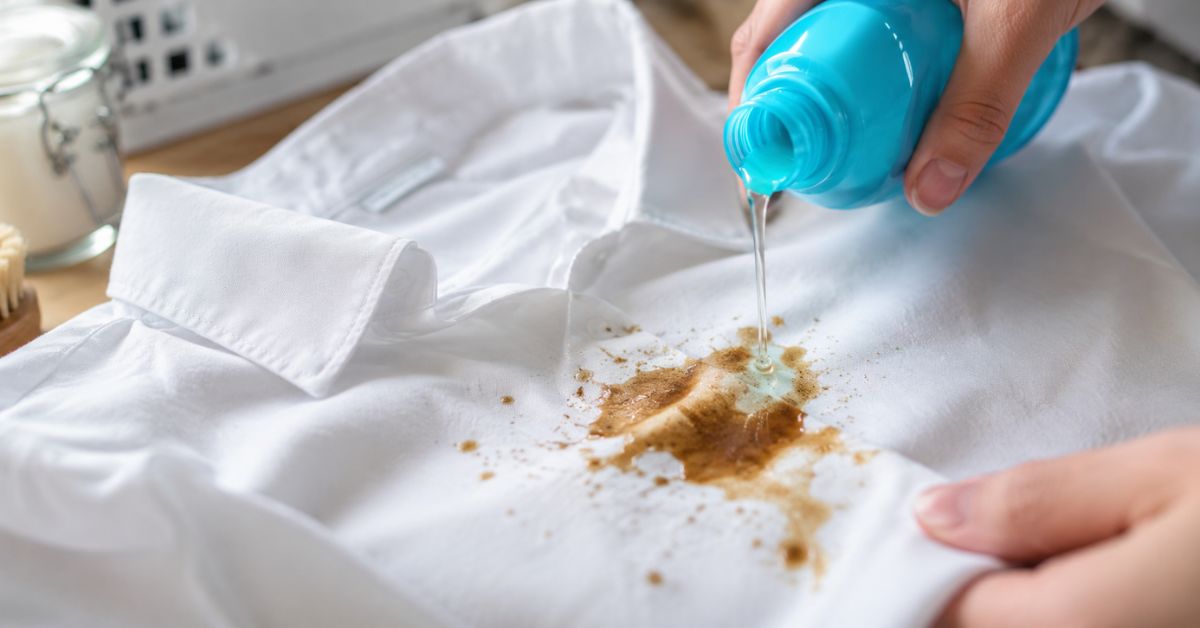
However, stains such as coffee, wine, blood, fruit juice, or grass may require specialized treatments before the dry cleaning process begins. Experienced cleaners often combine stain-removal techniques with professional solvents to achieve the best outcome.
How Much Does Dry Cleaning Cost?
One of the most common questions people ask after learning what is dry cleaning is whether it’s worth the cost. The price of dry cleaning depends on several factors, including the type of garment, the fabric, your location, and whether special stain removal or repairs are needed. A simple dress shirt usually costs much less to clean than a tailored wool suit or a formal evening gown. Items with delicate fabrics, intricate beadwork, or multiple layers often require additional care, which can increase the price. While professional cleaning may seem more expensive than washing clothes at home, it can actually save money over time by preventing damage, preserving the garment’s shape, and extending its lifespan. Instead of replacing expensive clothing because it shrank or lost its structure in the washing machine, investing in professional care can help you enjoy those pieces for many years. Understanding what is dry cleaning, also means recognizing that you’re paying for specialized equipment, expert stain treatment, fabric knowledge, and professional finishing that cannot easily be replicated at home.
Is Dry Cleaning Better for the Environment?
In the past, dry cleaning had a reputation for using chemicals that raised environmental concerns. However, the industry has changed significantly over the years. Many modern dry cleaners now use advanced cleaning systems and environmentally friendly solvents that are much safer for both people and the planet. Newer machines recycle and filter solvents in a closed-loop system, reducing waste and limiting emissions. Some cleaners even offer wet cleaning, a professional process that uses water, biodegradable detergents, and carefully controlled equipment to clean delicate garments safely. If sustainability matters to you, ask your local cleaner about the methods and solvents they use before leaving your clothes. Learning what is dry cleaning today also means understanding that many businesses are adopting greener technologies without sacrificing cleaning quality. Choosing a cleaner that follows environmentally responsible practices is a simple way to care for both your wardrobe and the environment.
How to Choose a Good Dry Cleaner
Not all dry cleaners provide the same level of service, so choosing a reputable business can make a noticeable difference in how your clothes look and last. A good cleaner will carefully inspect each garment before cleaning, explain any risks associated with stain removal, and answer your questions about fabric care. Experienced professionals pay attention to details such as loose buttons, damaged seams, delicate embellishments, and manufacturer care labels before beginning the cleaning process. Reading online customer reviews, asking friends for recommendations, and visiting the shop to evaluate its cleanliness and professionalism can help you make a confident choice. If a cleaner rushes through the inspection or guarantees that every stain can be removed without even examining the garment, consider that a warning sign. At True Housekeeping, we recommend building a relationship with a trusted local dry cleaner who understands different fabrics and consistently delivers high-quality results. Knowing what is dry cleaning is only part of caring for your clothes; the expertise of the professional handling them is equally important.
Can You Dry Clean Clothes at Home?
Home dry cleaning kits have become increasingly popular because they promise convenience and lower costs. These kits typically include a stain-removal solution and a specially designed bag that is placed in a household dryer along with a cleaning cloth. While they can freshen lightly worn clothing and reduce mild odors, they are not a complete replacement for professional dry cleaning. Home kits do not use professional cleaning solvents, specialized equipment, or advanced stain-removal techniques. As a result, they may not effectively remove grease, heavy stains, or deeply embedded dirt. They are best suited for refreshing garments that are only slightly worn rather than cleaning heavily soiled or valuable items. If you own an expensive suit, silk dress, cashmere sweater, wedding gown, or garment with delicate embellishments, professional care remains the safest choice. Understanding what is dry cleaning, helps set realistic expectations for home kits and prevents accidental damage to clothing that requires expert handling.
Common Dry Cleaning Mistakes to Avoid
Even when people understand what is dry cleaning, they sometimes make simple mistakes that reduce the effectiveness of professional cleaning or shorten the life of their garments. One of the biggest mistakes is allowing stains to sit for weeks before taking the item to the cleaner. Fresh stains are usually much easier to remove than old ones that have bonded with the fabric. Another common error is trying multiple home stain removers before seeking professional help. Mixing different cleaning products can permanently set stains or damage delicate fibers. Leaving tissues, pens, coins, or lipstick in pockets is another avoidable problem, as these items can leak, tear fabrics, or stain other garments during the cleaning process. Some people also keep freshly cleaned clothes sealed in plastic bags for months, which can trap moisture and limit airflow. Instead, transfer garments to breathable fabric garment bags for long-term storage. Finally, never ignore a “Dry Clean Only” label on valuable clothing simply to save money. Replacing a damaged garment often costs far more than paying for proper professional care. Understanding what is dry cleaning,allows you to avoid these common mistakes and keep your wardrobe looking its best for years.
Pros and Cons of Dry Cleaning
Like any cleaning method, dry cleaning has both advantages and disadvantages. Understanding these can help you decide when professional care is the right choice. Once you fully understand what is dry cleaning, you’ll see that it isn’t something every garment needs, but it can be the best option for protecting valuable or delicate clothing.
Pros of Dry Cleaning
Dry cleaning is excellent at preserving the original shape, color, and texture of delicate fabrics that may be damaged by water. It is particularly effective at removing oil-based stains such as grease, makeup, lotion, and cooking oils, which are often difficult to remove with regular detergent. what is dry cleaning, Professionally cleaned garments are also pressed and finished, giving them a crisp, polished appearance that’s ideal for business attire and formal wear. Because the process is gentle on many specialty fabrics, it can significantly extend the life of expensive clothing.
Cons of Dry Cleaning
Despite its advantages, dry cleaning isn’t necessary for every piece of clothing. It generally costs more than washing clothes at home, especially if you have several garments cleaned regularly. Some stains, particularly older stains or certain water-based stains, may still require additional treatment and cannot always be removed completely. Depending on where you live, finding a high-quality dry cleaner may also require extra time and travel. In addition, frequent professional cleaning may not be needed for lightly worn clothing, making unnecessary visits an avoidable expense. Understanding What Is Dry Cleaning
helps you use the service wisely instead of relying on it for every item in your wardrobe.
Expert Tips to Make Your Clothes Last Longer
Professional cleaners agree that proper garment care doesn’t end after clothes come home from the dry cleaner. Everyday habits play an important role in preserving fabrics and reducing the need for frequent cleaning. Allow suits, blazers, and coats to air out after wearing them before placing them back in the closet. Using sturdy hangers that support the shoulders helps garments keep their original shape. Avoid overcrowding your closet because tightly packed clothing wrinkles more easily and traps moisture, which can lead to unpleasant odors. Brushing wool coats and suits with a soft clothing brush removes dust and lint before they become embedded in the fibers. Spot-cleaning small stains immediately can also prevent permanent damage. Rotating frequently worn clothing instead of wearing the same items every day reduces wear and tear and gives fabrics time to recover. These simple habits, combined with understanding what is dry cleaning, can greatly extend the life of your favorite garments.
FAQs
Is dry cleaning really better than washing clothes?
It depends on the garment. For everyday cotton T-shirts, jeans, and towels, regular washing is usually the better option. However, structured suits, silk dresses, wool coats, and delicate fabrics often benefit from professional dry cleaning because it helps preserve their shape and texture. Knowing what is dry cleaning,
allows you to choose the right method based on the fabric rather than using the same approach for every item.
Can dry cleaning remove bad odors?
Yes, professional dry cleaning can remove many common odors caused by sweat, smoke, cooking, or everyday wear. However, extremely strong odors or odors caused by mold may require additional treatments before the garment is completely fresh again.
How long does dry cleaning usually take?
Most dry cleaners complete standard orders within one to three days. Some locations also offer same-day or next-day service for an additional fee, especially for business clothing or urgent occasions.
Does dry cleaning shrink clothes?
Professional dry cleaning is actually designed to reduce the risk of shrinking. Since water is not used as the main cleaning agent, delicate fabrics are less likely to shrink compared with traditional washing methods. This is one of the main reasons people search for what is dry cleaning when caring for valuable clothing.
Can all stains be removed?
Unfortunately, no cleaning method can guarantee complete stain removal. The success depends on the type of stain, how long it has been there, the fabric, and whether any home remedies were used beforehand. Taking stained clothing to a professional as soon as possible usually gives the best chance of successful removal.
How often should I dry clean a suit?
Most clothing experts recommend dry cleaning a business suit after every three to five wears, provided it has no visible stains or odors. Over-cleaning can gradually wear down fibers, so cleaning only when necessary is generally the best approach.
Final Thoughts
Understanding What Is Dry Cleaning empowers you to make better decisions about caring for your wardrobe. While many everyday clothes can be safely washed at home, delicate fabrics, tailored garments, and clothing with intricate details often require professional attention to maintain their appearance and durability. Rather than treating dry cleaning as something required after every wear, think of it as a specialized service that protects garments when water-based washing could cause damage.
At True Housekeeping, our goal is to help you care for your home and clothing with practical, expert-backed advice that saves time, money, and frustration. Whether you’re caring for a favorite silk blouse, a winter wool coat, or an important business suit, knowing What Is Dry Cleaning
and when it’s actually necessary will help you protect your investment and enjoy your clothes for much longer.











Leave a Reply