
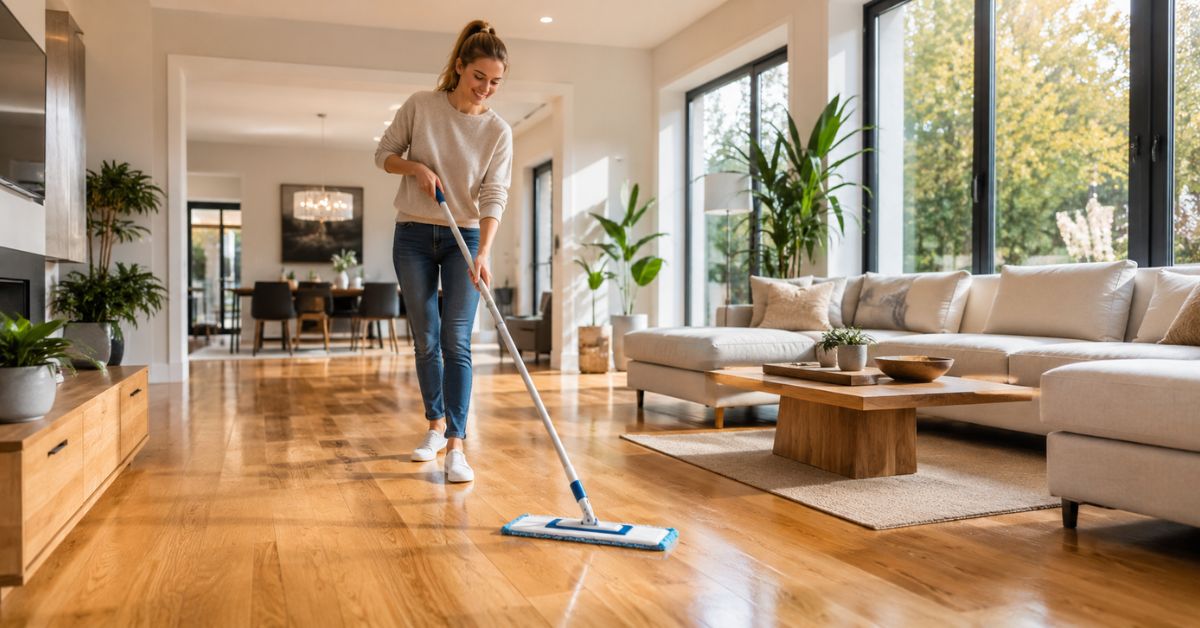
Hardwood floors add warmth, elegance, and value to a home. Whether you have solid oak, maple, walnut, or engineered hardwood, beautiful floors can last for decades but only if they’re cared for properly.
Many homeowners worry that harsh chemical cleaners will dull the finish, strip away protective coatings, or even damage the wood over time. That’s why more people are looking for safe, natural ways to keep their hardwood floors clean.
The good news is that you don’t need expensive specialty products to maintain beautiful wood floors. With the right techniques and a few gentle household ingredients, you can remove everyday dust, dirt, and light grime while protecting the natural beauty of the wood.
At True Housekeeping, we’ve found that the biggest mistake isn’t using the wrong cleaner—it’s using too much water or cleaning hardwood floors like tile. Wood is a natural material that expands and contracts with moisture, so understanding how to clean it correctly is just as important as choosing the right cleaning solution.
This guide explains how to clean hardwood floors naturally, when natural cleaning works best, when you should avoid DIY solutions, and the simple habits that help hardwood floors stay beautiful for years.
Quick Answer
Clean Hardwood Floors Naturally: The safest way to clean hardwood floors naturally is to remove loose dust with a microfiber dust mop or vacuum designed for hardwood floors, then lightly mop with a microfiber mop dampened with warm water and a small amount of mild, pH-neutral soap. Avoid soaking the floor, using abrasive scrubbers, or allowing standing water to remain on the surface.
Why Hardwood Floors Need Special Care
Unlike ceramic tile or vinyl flooring, hardwood is a natural material that reacts to moisture, heat, and changes in humidity.
When cleaned correctly, hardwood floors can remain beautiful for decades. When cleaned incorrectly, they may develop problems such as:
- Dull finishes
- Water stains
- Warping
- Swollen boards
- Surface scratches
- Gaps between planks
- Peeling protective coatings
Professional floor care specialists often say that most hardwood floor damage comes from improper maintenance rather than age.
Understanding how wood behaves helps you avoid expensive repairs later.
Why More Homeowners Are Choosing Natural Cleaning Methods
Clean Hardwood Floors Naturally has become increasingly popular because many homeowners want effective results without exposing their families or pets to unnecessary chemicals.
When used correctly, natural cleaning methods can:
- Remove everyday dust and dirt.
- Help reduce chemical residue inside the home.
- Protect many factory-finished hardwood floors.
- Save money by using simple household products.
- Support regular maintenance without relying on strong cleaners.
However, “natural” doesn’t always mean “safe.” Some DIY recipes shared online can actually damage hardwood finishes. That’s why it’s important to choose gentle methods backed by good cleaning practices instead of internet myths.
The Most Common Causes of Dirty Hardwood Floors
Even if you vacuum regularly, hardwood floors collect more than just visible dust.
Common sources of buildup include:
- Shoes tracking in dirt and grit
- Pet hair and dander
- Food crumbs
- Cooking grease
- Sticky spills
- Pollen
- Fine dust
- Mud after rainy weather
- Everyday foot traffic
Tiny particles of sand and grit are especially harmful because they act like sandpaper under your shoes, gradually scratching the floor’s finish.
Know Your Hardwood Floor Before You Clean
One of the most overlooked steps is identifying the type of finish on your floor.
Different finishes respond differently to moisture and cleaning products.
Sealed Hardwood Floors
Most modern hardwood floors are sealed with polyurethane or similar protective coatings.
These floors generally tolerate gentle damp cleaning when very little water is used.
Unsealed Hardwood Floors
Older homes sometimes have unfinished or lightly sealed hardwood.
These floors absorb moisture much more easily and require extra caution.
Wax-Finished Hardwood Floors
Waxed floors have a softer protective layer.
They should not be cleaned with strong detergents or excessive water because this can damage the wax finish.
Engineered Hardwood
Engineered hardwood usually has a protective factory finish similar to sealed hardwood.
Always follow the flooring manufacturer’s care instructions.
If you’re unsure what type of floor you have, check your home’s documentation or contact the flooring manufacturer before using any cleaning product.
Supplies You’ll Need
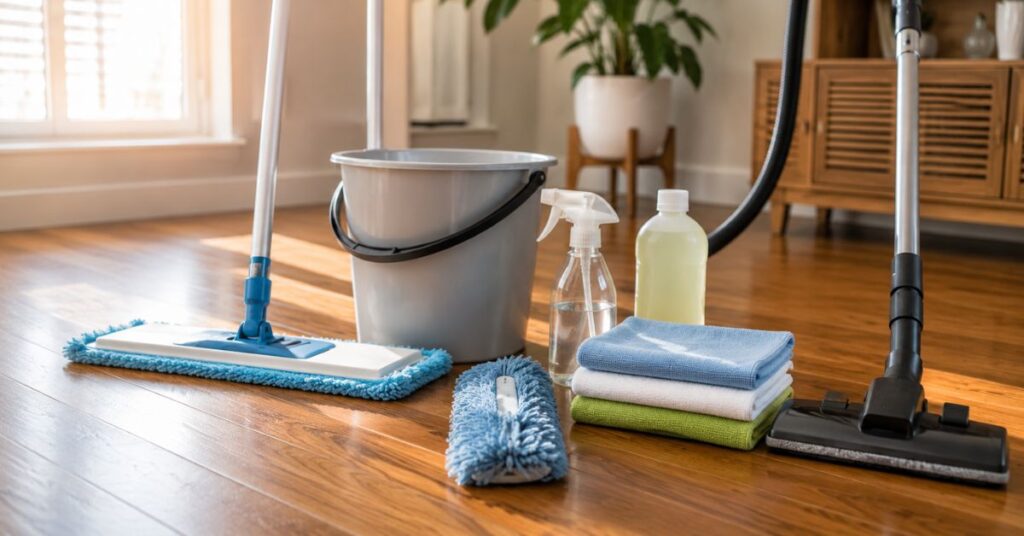
Professional cleaning doesn’t require expensive equipment.
Simple, high-quality tools often produce the best results.
Essential Supplies
- Microfiber dust mop
- Flat microfiber mop
- Soft microfiber cloths
- Vacuum with a hardwood floor attachment
- Bucket
- Warm water
- Mild, pH-neutral dish soap (only a few drops)
Optional Supplies
- Spray bottle
- Soft-bristle brush
- Felt furniture pads
- Dry towels for spot drying
Quality microfiber tools are especially helpful because they trap dust instead of pushing it across the floor.
Safety Precautions Before You Start
Before learning how to clean hardwood floors naturally, it’s important to avoid habits that can shorten the life of your flooring.
Never Saturate Hardwood Floors
Water is one of hardwood’s biggest enemies.
Your mop should be slightly damp, not wet.
If water droplets remain on the floor after mopping, the mop contains too much moisture.
Clean Spills Immediately
Even sealed hardwood should not sit under standing water for long periods.
Quickly wipe up:
- Water
- Coffee
- Juice
- Pet accidents
- Cooking oils
Prompt cleanup helps prevent staining and swelling.
Avoid Abrasive Cleaning Tools
Do not use:
- Steel wool
- Stiff scrub brushes
- Scouring pads
- Abrasive powders
These products may scratch the protective finish.
Test New Cleaning Solutions First
Before using any homemade or commercial cleaner across the entire floor, test it in a small, hidden area.
This helps ensure the finish isn’t affected.
Step 1: Remove Loose Dust and Dirt
Before mopping, remove all loose debris.
Skipping this step may drag dirt across the floor and create tiny scratches.
Professional cleaners usually recommend one of these options:
- Microfiber dust mop
- Soft broom with flagged bristles
- Vacuum designed for hardwood floors
Work in the direction of the wood grain whenever possible.
Pay extra attention to:
- Entryways
- Hallways
- Under dining tables
- Around kitchen cabinets
- Along baseboards
These areas collect the most dirt.
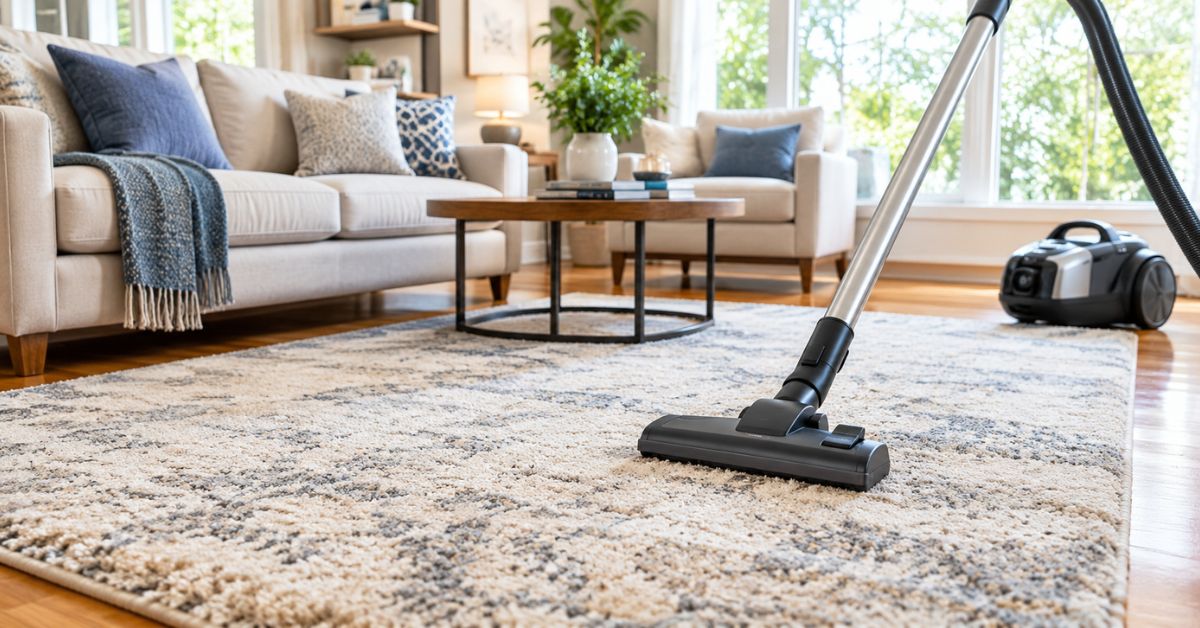
Step 2: Vacuum Carefully
Many homeowners avoid vacuuming hardwood floors because they worry about scratches.
Modern vacuums with a hardwood floor setting are perfectly safe when used correctly.
Choose a vacuum that has:
- A soft floor attachment
- Rubber wheels
- A brush roll that can be turned off
Avoid using rotating brush rolls directly on hardwood because they may damage the finish.
Step 3: Prepare a Gentle Natural Cleaning Solution
The best natural cleaner is often the simplest.
Mix:
- 1 gallon (about 4 liters) of warm water
- 1–2 teaspoons of mild, pH-neutral dish soap
This solution is suitable for routine cleaning on most sealed hardwood floors.
Avoid adding large amounts of soap, as residue can leave the floor looking dull over time.
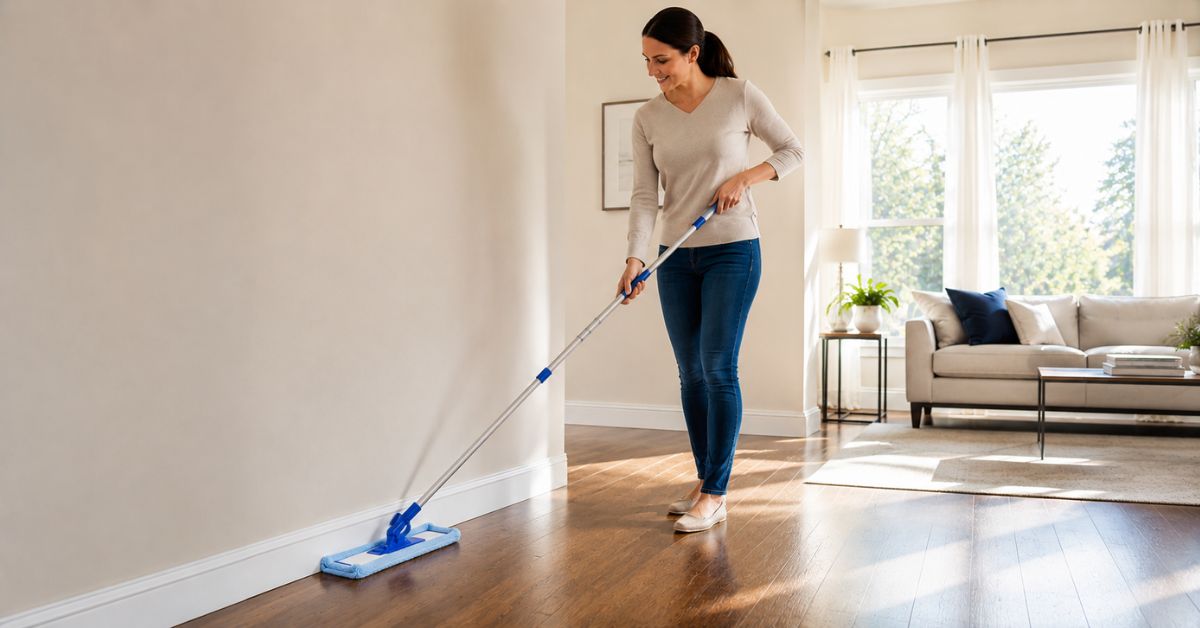
Step 4: Mop with a Damp Microfiber Mop
Dip the microfiber mop into the cleaning solution, then wring it out thoroughly.
The mop should feel only slightly damp.
Clean small sections at a time using smooth strokes that follow the direction of the wood grain.
If the floor still looks wet after you’ve passed over it, stop and wring out the mop again.
Less moisture is always better when cleaning hardwood.
Step 5: Dry the Floor If Needed
Most properly wrung microfiber mops leave very little moisture behind.
However, if you notice damp spots, dry them with a clean microfiber cloth or towel.
This simple step helps protect the finish and reduces the risk of water damage, especially in humid environments.
Professional Housekeeping Tip
Clean Hardwood Floors Naturally: Many homeowners believe they need to mop hardwood floors every few days. In reality, excessive wet cleaning can shorten the life of the finish.
Professional cleaners often recommend dusting hardwood floors several times a week and damp mopping only when necessary. In busy households with children or pets, this approach keeps floors clean while reducing unnecessary exposure to moisture.
At True Housekeeping, we also recommend placing doormats at every entrance and using felt pads under furniture. These small preventive measures often protect hardwood floors better than frequent deep cleaning.
Removing Sticky Residue Without Damaging Hardwood
Even well-maintained hardwood floors occasionally develop sticky spots from spilled juice, soft drinks, cooking residue, pet accidents, or tracked-in dirt. The key is to remove the residue gently instead of scrubbing aggressively.
Professional cleaners recommend treating sticky areas as soon as you notice them. Fresh spills are much easier to remove than dried residue.
Step 1: Soften the Residue
Lightly dampen a microfiber cloth with warm water.
Place it over the sticky spot for one to two minutes to soften the residue naturally.
Avoid soaking the floor.
Step 2: Wipe With Gentle Pressure
Wipe the area following the direction of the wood grain.
If necessary, use your mild pH-neutral cleaning solution on the cloth not directly on the floor.
Step 3: Dry Immediately
Finish by drying the area with a clean microfiber cloth.
Leaving moisture behind increases the risk of swelling and finish damage.
How to Remove Everyday Dirt and Footprints
Daily foot traffic leaves behind invisible oils, dust, and fine grit that gradually dull hardwood floors.
Instead of waiting until the floor looks dirty, remove surface dirt regularly.
Professional housekeeping routines often include:
- Dust mopping every one to two days in high-traffic areas.
- Vacuuming weekly with a hardwood-safe attachment.
- Damp mopping only when visible dirt or sticky residue appears.
This simple routine prevents dirt from scratching the protective finish.
Cleaning Greasy Hardwood Floors Naturally
Kitchen hardwood floors often collect grease from cooking vapors.
Grease attracts dust, making floors appear dull even after sweeping.
To remove light grease:
- Mix warm water with a small amount of pH-neutral dish soap.
- Dampen a microfiber cloth.
- Wipe greasy areas gently.
- Rinse the cloth frequently.
- Dry the floor immediately.
Avoid strong degreasers unless the flooring manufacturer specifically recommends them.
How to Remove Scuff Marks
Clean Hardwood Floors Naturally. Black scuff marks are usually caused by rubber-soled shoes, furniture, or children’s toys.
Fortunately, they rarely require harsh chemicals.
Try these methods:
- Rub gently with a clean microfiber cloth.
- Use a slightly damp melamine sponge with very light pressure.
- Wipe away residue immediately.
Never scrub aggressively, as excessive friction may dull the finish.
Dealing With Pet Accidents
Pet accidents should always be cleaned immediately.
Urine can penetrate seams between boards if left too long, causing stains, odors, or permanent damage.
Professional cleaners recommend:
- Blotting the liquid immediately.
- Cleaning with a damp microfiber cloth.
- Drying the area thoroughly.
- Monitoring the spot for lingering odor or discoloration.
If urine has soaked beneath the boards, professional restoration may be necessary.
Can You Use Vinegar on Hardwood Floors?
This is one of the most debated topics in home cleaning.
Some homeowners swear by vinegar, while many flooring manufacturers advise against using it regularly.
Why?
Vinegar is acidic.
Repeated exposure may gradually dull or weaken certain protective finishes.
For that reason, many professional floor care experts recommend using pH-neutral cleaners instead of vinegar for routine maintenance.
If your flooring manufacturer specifically approves diluted vinegar, follow those instructions carefully.
Otherwise, warm water with a small amount of mild dish soap is generally the safer option.
Is Baking Soda Safe for Hardwood Floors?
Baking soda is excellent for many household cleaning jobs, but it should not be used as a scrubbing powder on hardwood.
Its mildly abrasive texture may scratch delicate finishes when rubbed directly onto the surface.
If you’re treating a difficult spot, it’s better to soften the residue first rather than relying on abrasive cleaners.
What About Lemon Juice?
Lemon juice is another popular DIY cleaner.
Although it smells fresh, it is also acidic.
Like vinegar, repeated use may affect certain finishes over time.
Professional housekeeping routines rarely rely on lemon juice for hardwood maintenance.
Cleaning Different Types of Hardwood Floors
Not every hardwood floor should be cleaned the same way.
Understanding your flooring type helps you avoid costly mistakes.
Sealed Hardwood Floors
Clean Hardwood Floors Naturally
These are the easiest to maintain.
Routine care includes:
- Dust mopping
- Hardwood-safe vacuuming
- Damp microfiber mopping
- Immediate spill cleanup
Unsealed Hardwood Floors
Clean Hardwood Floors Naturally
These require extra care because they absorb moisture more easily.
Avoid wet mopping.
Instead:
- Dust frequently.
- Use a barely damp cloth for spot cleaning.
- Dry immediately.
Wax-Finished Hardwood Floors
Waxed floors should not be cleaned with strong detergents or steam.
Instead:
- Dust regularly.
- Use products designed for wax finishes if needed.
- Buff occasionally to restore shine.
Engineered Hardwood Floors
Clean Hardwood Floors Naturally
Engineered hardwood often has a durable factory finish.
Care is generally similar to sealed hardwood, but always follow the manufacturer’s maintenance instructions.
Common Mistakes That Damage Hardwood Floors
Many hardwood floor problems develop gradually because of everyday habits.
Avoid these common mistakes.
Using Too Much Water
The number one mistake homeowners make is mopping with an overly wet mop.
Standing water can seep between boards and cause swelling or warping.
Using Steam Mops
Many flooring manufacturers discourage steam cleaning.
High heat and moisture may weaken adhesives or damage protective finishes.
Always check the manufacturer’s recommendations before using a steam mop.
Using Harsh Chemicals
Avoid products containing:
- Ammonia
- Bleach
- Strong solvents
- Abrasive powders
These chemicals may strip protective coatings or discolor wood.
Skipping Regular Dusting
Dust may seem harmless, but tiny particles of grit gradually wear away the finish.
Frequent dust removal helps protect the floor.
Dragging Heavy Furniture
Always lift furniture instead of dragging it.
Better yet, install felt pads under chair and table legs.
Wearing Shoes Indoors
Small stones trapped in shoe soles can scratch hardwood.
Many families protect their floors by removing shoes at the entrance.
Professional Housekeeping Tips
Professional cleaners focus on prevention just as much as cleaning.Clean Hardwood Floors Naturally
Here are some habits they use:
Place Doormats at Every Entrance
Good-quality mats capture dirt before it reaches hardwood floors.
Use Furniture Pads
Felt pads dramatically reduce scratches caused by everyday movement.Clean Hardwood Floors Naturally
Control Indoor Humidity
Wood naturally expands and contracts.Clean Hardwood Floors Naturally
Maintaining indoor humidity between approximately 35% and 55% helps reduce seasonal movement in many homes.Clean Hardwood Floors Naturally
Clean High-Traffic Areas More Often
Entryways, kitchens, dining rooms, and hallways usually require more frequent maintenance than guest bedrooms.
Rotate Rugs Occasionally
Rotating area rugs helps hardwood floors age more evenly by reducing uneven wear and sun exposure.
A Practical Hardwood Floor Cleaning Schedule
Keeping hardwood floors beautiful doesn’t require daily mopping.
A balanced schedule works best.
Daily
- Sweep or dust mop high-traffic areas.
- Wipe up spills immediately.
- Shake out entry mats if needed.
Weekly
- Vacuum with a hardwood-safe attachment.
- Damp mop when necessary.
- Check for sticky spots or scuff marks.
Monthly
- Move lightweight furniture and clean underneath.
- Inspect felt pads.
- Clean baseboards near hardwood floors.
- Check for scratches or finish wear.
Seasonally
- Inspect expansion gaps.
- Evaluate humidity levels.
- Consider applying a manufacturer-approved maintenance product if recommended.
Experience-Based Advice From True Housekeeping
One lesson we’ve learned at True Housekeeping is that homeowners often believe shiny floors are always clean.
In reality, truly healthy hardwood floors are protected through gentle, consistent care rather than frequent heavy cleaning.
Simple habits like removing shoes indoors, cleaning spills immediately, and using quality microfiber tools often make a bigger difference than expensive cleaning products. Over time, these habits preserve the natural beauty of hardwood and reduce the need for major refinishing.
Expert Tips to Keep Hardwood Floors Beautiful for Years
Cleaning hardwood floors naturally is only part of proper floor care. The habits you follow every day have a much greater impact on how your floors look after five, ten, or even twenty years.
Professional cleaners and flooring specialists agree that prevention is always easier and less expensive than repair.
Here are some expert practices that can significantly extend the life of your hardwood floors.
Place Protective Mats at Every Entrance
Entryways collect sand, dirt, and tiny stones that can scratch hardwood finishes.
Place high-quality doormats both outside and inside every exterior door to capture debris before it reaches your floors.
Clean these mats regularly so they continue trapping dirt effectively.
Use Felt Pads Under Furniture
Dining chairs, coffee tables, sofas, and other furniture can create scratches each time they are moved.
Attach felt pads to the bottom of furniture legs and replace them when they become worn or dirty.
Trim Your Pet’s Nails
Dogs and cats can unintentionally scratch hardwood floors while running or playing.
Keeping nails properly trimmed helps reduce surface scratches while keeping pets comfortable.
Maintain Indoor Humidity
Wood naturally expands and contracts as humidity changes.
Using a humidifier during dry winter months or a dehumidifier in very humid climates can help minimize seasonal movement and reduce the risk of gaps or cupping.
Avoid Wearing High Heels Indoors
High heels create concentrated pressure that may dent certain hardwood floors.
Removing outdoor shoes also helps reduce dirt, moisture, and grit throughout the home.
Signs Your Hardwood Floor Needs Refinishing Instead of Cleaning
Sometimes homeowners continue cleaning floors that actually need restoration.
Natural cleaning cannot repair worn finishes or serious structural damage.
Consider refinishing if you notice:
- Deep scratches that expose bare wood.
- Large dull areas that no longer regain their shine.
- Water stains that remain after cleaning.
- Finish peeling or flaking.
- Gray or faded wood in heavy traffic areas.
- Splinters or rough patches.
If these issues appear across large sections of the floor, professional refinishing may restore the wood more effectively than repeated cleaning.
Natural Hardwood Floor Maintenance Checklist
Following a simple schedule helps prevent dirt buildup and extends the life of your flooring.
Daily
✔ Dust mop high-traffic areas.
✔ Wipe up spills immediately.
✔ Remove shoes at the entrance whenever possible.
Weekly
✔ Vacuum using a hardwood-safe attachment.
✔ Damp mop only if necessary.
✔ Clean sticky spots.
✔ Shake out entrance mats.
Monthly
✔ Inspect furniture pads.
✔ Clean underneath movable furniture.
✔ Dust baseboards.
✔ Check for scratches and finish wear.
Every 3–6 Months
✔ Deep clean hardwood floors.
✔ Rotate area rugs.
✔ Inspect humidity levels.
✔ Review the manufacturer’s maintenance recommendations.
FAQs
What is the safest natural cleaner for hardwood floors?
Warm water combined with a small amount of mild, pH-neutral dish soap is one of the safest options for routine cleaning on most sealed hardwood floors. Always use a well-wrung microfiber mop and avoid excessive moisture.
Can I clean hardwood floors with just water?
Yes, but only in moderation.
A slightly damp microfiber mop with clean warm water can remove light dust and dirt. Never use excessive water or leave moisture sitting on the floor.
Is vinegar safe for hardwood floors?
While some homeowners use diluted vinegar, many flooring manufacturers advise against regular use because its acidity may gradually dull certain finishes. Always follow the care instructions provided by your flooring manufacturer.
Can I use baking soda on hardwood floors?
Baking soda should not be used as an abrasive cleaner on hardwood. It may scratch the protective finish if rubbed directly onto the surface.
How often should hardwood floors be mopped?
Most homes only need damp mopping once every one to two weeks, depending on foot traffic. High-traffic households with children or pets may need more frequent cleaning, while dust mopping can be done several times each week.
Can I use a steam mop?
Many hardwood flooring manufacturers do not recommend steam mops because heat and moisture may damage the finish or underlying wood. Check your manufacturer’s recommendations before using one.
Why do hardwood floors become dull?
Common causes include dust buildup, residue from too much soap, scratches from dirt, excessive moisture, and normal wear over time.
How do I prevent scratches?
Use felt pads under furniture, remove outdoor shoes indoors, trim pet nails, use entrance mats, and clean grit regularly with a microfiber dust mop.
Can natural cleaning remove deep stains?
Natural cleaning methods work well for routine maintenance and light stains. Deep stains, water damage, or finish failure often require professional restoration or refinishing.
Are natural cleaning methods safe for pets and children?
When used correctly, gentle cleaning with warm water, microfiber cloths, and mild pH-neutral soap is generally a practical choice for households with children and pets. Always store cleaning products safely and follow the manufacturer’s instructions.
Conclusion
Learning how to Clean Hardwood Floors Naturally is about more than choosing a homemade cleaner; it’s about understanding how to care for one of the most valuable surfaces in your home.
The best results come from a combination of regular dust removal, gentle damp cleaning, quick spill cleanup, and preventive habits like using doormats and furniture pads. These simple routines help preserve your floor’s finish, reduce scratches, and extend its lifespan without relying on harsh chemicals.
At True Housekeeping, we believe the goal isn’t to make hardwood floors look perfect every day. Instead, focus on consistent maintenance that fits your lifestyle. A few minutes of care each week can help keep your floors clean, beautiful, and protected for many years.
If you’re building a complete home cleaning routine, combine these hardwood floor care tips with regular dusting, baseboard cleaning, and high-touch surface disinfection to keep your entire home looking its best.





Leave a Reply