
Blood stains on clothes can happen unexpectedly. A small cut, a nosebleed, a scraped knee, a period stain, or an accidental injury can leave a stubborn mark on your favorite shirt, jeans, bedsheets, or other washable fabrics. The good news is that blood stains can often be removed successfully, especially when you treat them before they have time to dry and set.
The most important rule is simple: start with cold water and avoid heat until the stain is completely gone. Blood is a protein-based stain, and heat can cause those proteins to bond more strongly with fabric fibers, making the stain much harder to remove.
Whether you’re dealing with a fresh blood stain or an old dried mark, the right cleaning method can make a big difference. In this guide, you’ll learn how to remove blood stains from clothes using everyday laundry products and household ingredients, along with special techniques for white clothes, dark fabrics, delicate materials, and stubborn stains.
Why Are Blood Stains So Difficult to Remove?
Blood contains proteins that can attach to fabric fibers. When blood is fresh, it is generally easier to rinse away because it has not had as much time to dry and bond with the material.
Once the blood dries, the stain can become more difficult to loosen. Heat makes the problem worse because it can cause the proteins in the blood to set into the fabric.
That’s why the first steps matter so much.
The golden rules for blood stains
Remember these simple rules:
- Use cold water, not hot water.
- Treat the stain as soon as possible.
- Blot or rinse instead of aggressively rubbing.
- Test cleaning products on an inconspicuous area first.
- Never put a stained garment in the dryer until the stain is gone.
- Follow the garment’s care label.
- Be especially careful with silk, wool, and other delicate fabrics.
How to Remove Fresh Blood Stains From Clothes
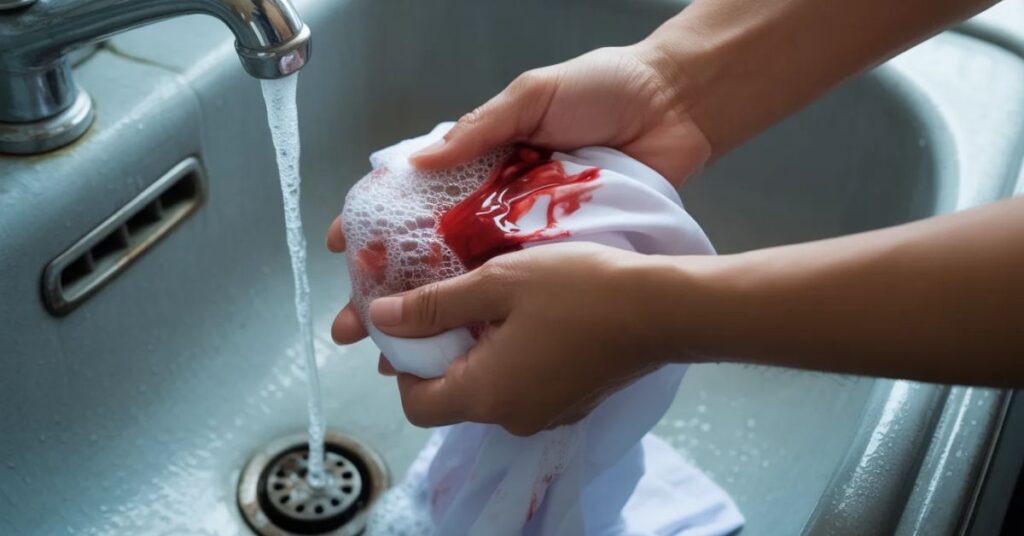
Fresh blood stains are usually the easiest to deal with. If you notice the stain immediately, don’t wait until laundry day.
Step 1: Rinse With Cold Water
Hold the stained part of the garment under cold running water.
If possible, rinse from the back of the stain. This helps push the blood away from the fabric instead of driving it farther into the fibers.
Continue rinsing until most of the visible blood has disappeared.
Step 2: Apply Liquid Laundry Detergent
Place a small amount of liquid laundry detergent directly onto the remaining stain.
Gently work the detergent into the fabric using your fingers. Avoid aggressive scrubbing because excessive friction can spread the stain or damage delicate fibers.
Let the detergent sit for about 10 to 15 minutes.
Step 3: Rinse Again
Rinse the garment thoroughly with cold water.
Check the stained area carefully. If you can still see blood, repeat the detergent treatment before washing.
Step 4: Wash Normally
Once the stain has been treated, wash the garment according to its care label.
Use cold or cool water when appropriate.
Step 5: Inspect Before Drying
This step is extremely important.
Before putting the garment in a dryer, check the stained area in good light.
If any trace remains, repeat the treatment.
Do not use the dryer until the stain is completely gone.
How to Remove Blood Stains With Baking Soda
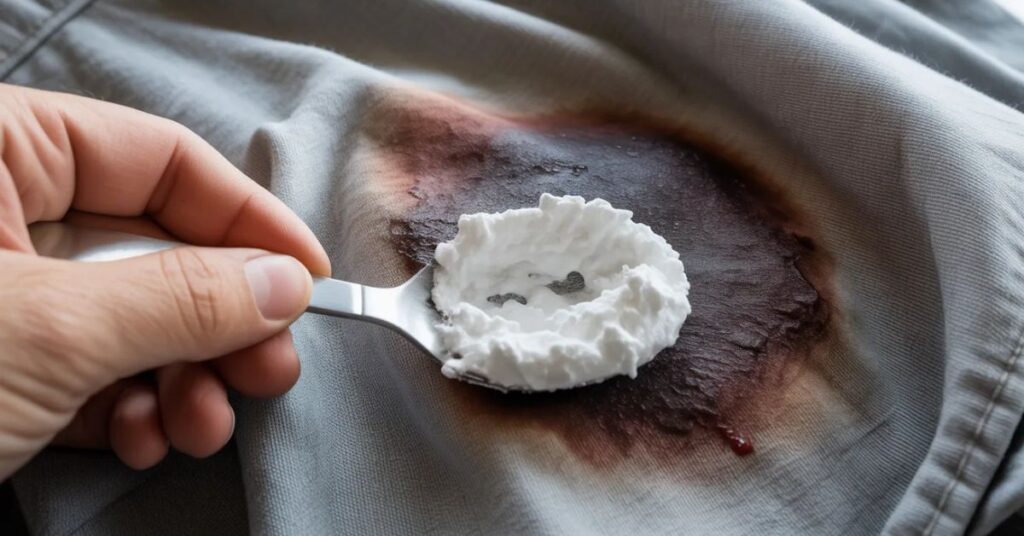
Baking soda is a convenient household ingredient that can be used as part of a stain-treatment routine.
What you’ll need:
- Baking soda
- Cold water
- A soft toothbrush or soft cleaning brush
- Clean cloth
Method:
- Mix baking soda with a small amount of cold water.
- Stir until it forms a thick paste.
- Apply the paste over the blood stain.
- Leave it on for about 20 to 30 minutes.
- Gently loosen the residue with your fingers or a soft brush.
- Rinse thoroughly with cold water.
- Wash the garment according to its care instructions.
For dried stains, you may need to repeat the process.
Avoid vigorous brushing, especially on thin or delicate fabrics.
Using Household Remedies
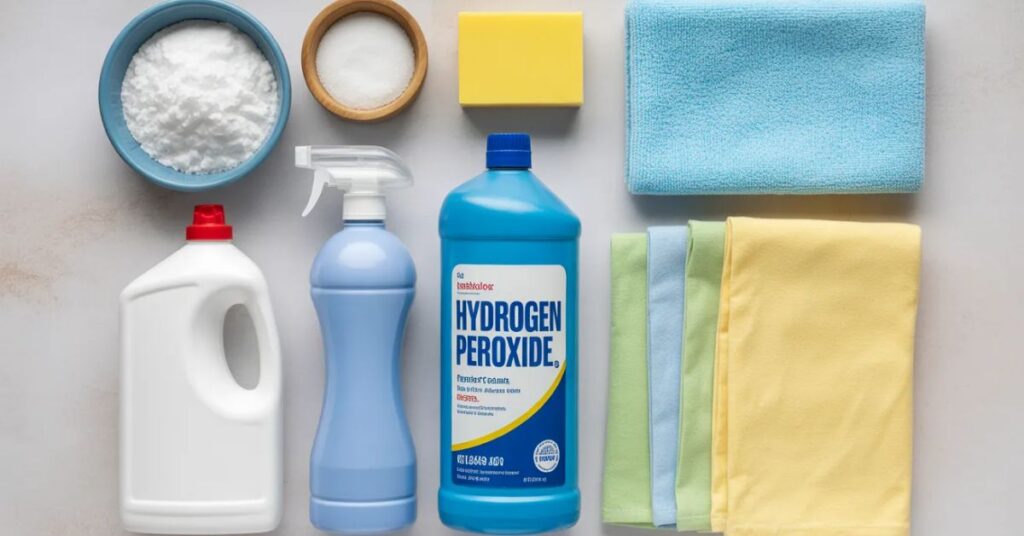
Several household items can help remove blood stains effectively. Salt is one of the simplest solutions. Mix salt with cold water to form a paste, apply it to the stain, and gently rub it in. Let it sit for a while before rinsing. Vinegar can also be used by applying it directly to the stain and letting it soak for a few minutes before washing. Toothpaste (non-gel) is another surprising option; apply it to the stain, let it dry, and then rinse it off with cold water.
Special Care for Delicate Fabrics
Delicate fabrics such as silk, wool, or chiffon require extra care. Harsh chemicals and strong scrubbing can damage these materials. For such fabrics, it’s best to stick to cold water and a gentle detergent. Lightly dab the stain rather than rub it, and avoid using hydrogen peroxide unless you are sure it won’t damage the fabric. If the stain persists, professional cleaning may be the safest option.
How to Remove Dried Blood Stains From Clothes
Dried blood requires more patience because the stain has already had time to bond with the fabric.
Don’t assume the garment is ruined. Many dried stains can still be reduced or removed with repeated treatment.
1. Soak the Garment in Cold Water
Fill a basin or sink with cold water.
Submerge the stained clothing and let it soak for several hours. For a particularly stubborn stain, an overnight soak may help loosen the dried residue.
Avoid hot water.
After soaking, gently massage the stained area with your fingers to loosen softened blood.
2. Apply Liquid Detergent
After soaking, drain or rinse the garment and apply liquid laundry detergent directly to the stain.
Allow it to sit for approximately 15 minutes.
Gently work the detergent into the fabric.
3. Rinse and Repeat
Rinse with cold water and inspect the stain.
If the stain is still visible, repeat the soaking and detergent process.
Older stains may require several treatments rather than one aggressive cleaning session.
Preventing Future Stains
While accidents can happen, being prepared can make a big difference. Keeping a stain remover or knowing quick home remedies can help you act fast. The sooner you treat a blood stain, the higher your chances of completely removing it.
Can Hydrogen Peroxide Remove Blood Stains?
Hydrogen peroxide can be effective on some blood stains, particularly on white or colorfast fabrics. However, it isn’t appropriate for every garment.
It can affect dyes and may cause discoloration on some dark or brightly colored fabrics.
Before using hydrogen peroxide:
Always test a small hidden area first.
If there is no unwanted color change, apply a small amount to the stain.
You may notice bubbling when hydrogen peroxide comes into contact with blood. Allow it to work briefly, then blot or rinse the area thoroughly with cold water.
Follow with normal laundering.
Important caution
Do not assume hydrogen peroxide is safe for every fabric. Avoid experimenting with it on valuable, delicate, antique, or uncertain materials.
For expensive garments, professional cleaning may be the safer choice.
How to Remove Blood Stains With Salt
Salt can be useful when you need a simple household option.
Method:
- Mix salt with cold water to create a paste.
- Apply the mixture to the stain.
- Let it sit for several minutes.
- Gently massage the fabric.
- Rinse thoroughly with cold water.
- Apply laundry detergent if necessary.
- Wash according to the care label.
Salt is best viewed as a simple stain-treatment option rather than a guaranteed solution for every old or stubborn stain.
How to Remove Blood Stains With Laundry Detergent
For most washable clothing, liquid laundry detergent is one of the simplest places to start.
Choose a detergent suitable for the garment.
Follow these steps:
- Rinse the blood stain with cold water.
- Apply liquid detergent directly to the affected area.
- Gently work it into the fibers.
- Leave it for 10 to 15 minutes.
- Rinse with cold water.
- Repeat if needed.
- Wash normally.
- Inspect before drying.
This method is particularly useful for fresh stains because you can begin treatment immediately without needing several household ingredients.
How to Remove Blood Stains From White Clothes
White clothing can be challenging because even a faint stain is easy to see.
Start with the gentlest effective method.
Step-by-step:
1. Rinse immediately
Use cold running water from the back of the stain.
2. Apply detergent
Work a small amount of liquid detergent into the affected area.
3. Rinse
Remove the detergent and inspect the fabric.
4. Repeat if necessary
Don’t move to stronger treatments simply because the stain hasn’t disappeared after one attempt.
5. Consider a suitable oxygen-based stain remover
If the care label allows it, a color-safe oxygen-based laundry product may help with remaining discoloration. Follow the product instructions carefully.
6. Air-dry while checking the stain
Avoid heat until you’re certain the stain has disappeared.
How to Remove Blood Stains From Dark or Colored Clothes
Colored clothes require extra caution because some stain-removing products can affect dyes.
Start with:
- Cold water
- Liquid laundry detergent
- Gentle treatment
- Short treatment periods
- Thorough rinsing
Before using peroxide or another strong product, test it on an inside seam or hidden section.
If the color changes, stop using that product.
For dark clothing, patience is often better than aggressive scrubbing.
How to Remove Blood Stains From Jeans
Denim is durable, but blood can still become difficult to remove once it dries.
Fresh blood on jeans:
- Rinse with cold water.
- Apply liquid detergent.
- Gently work the detergent into the stain.
- Let it sit for 10 to 15 minutes.
- Rinse.
- Wash according to the care label.
Dried blood on jeans:
Soak the affected area or the entire garment in cold water for several hours.
Then apply detergent and gently work it into the stain.
Rinse and repeat before washing.
Avoid hot water and high dryer heat until the stain has disappeared.
How to Remove Blood Stains From Cotton Clothes
Cotton is generally easier to treat than many delicate fabrics.
For a fresh stain, rinse with cold water immediately and follow with liquid detergent.
For a dried stain, soak the garment in cold water first.
After soaking:
- Apply detergent.
- Gently massage the fabric.
- Rinse.
- Repeat if necessary.
- Wash normally.
- Check before drying.
Always follow the care label, especially if the cotton garment has special finishes, prints, embroidery, or mixed fibers.
How to Remove Blood Stains From Synthetic Fabrics
Polyester and other synthetic fabrics may respond well to ordinary laundry detergent, but the exact treatment depends on the garment.
Start with cold water.
Apply liquid detergent and allow it to sit briefly before rinsing.
If the stain remains, repeat the treatment rather than immediately increasing the strength of the cleaning product.
For printed or brightly colored synthetic clothing, always test any stain remover first.
How to Remove Blood From Delicate Fabrics
Silk, wool, chiffon, lace, satin, and other delicate materials require extra care.
Strong rubbing, harsh chemicals, or prolonged soaking can damage these fabrics.
A safer approach:
- Check the care label first.
- Use cold water if washing is allowed.
- Blot rather than aggressively rub.
- Use a mild detergent suitable for the fabric.
- Rinse carefully.
- Avoid strong stain removers unless the manufacturer specifically recommends them.
If the garment is expensive, vintage, heavily embellished, or marked “dry clean only,” professional cleaning is often the safest option.
How to Remove Blood Stains From Bed Sheets
Blood stains on sheets are common and usually manageable if treated quickly.
Remove the sheet from the bed and rinse the stained area with cold water.
Apply liquid laundry detergent directly to the mark and gently work it into the fabric.
Allow it to sit for several minutes before rinsing.
If the stain is dried, soak the sheet in cold water for several hours before applying detergent.
Then wash according to the care label.
Always inspect the sheet before placing it in the dryer.
How to Remove Period Blood Stains From Clothes
Period stains can happen unexpectedly, especially on underwear, pajamas, sheets, and pants.
The same basic principle applies: treat the stain as soon as possible and use cold water.
For fresh period blood:
- Rinse with cold water.
- Apply liquid laundry detergent.
- Gently work it into the fabric.
- Let it sit.
- Rinse.
- Repeat if needed.
- Wash normally.
For dried stains, soak the garment in cold water first.
Don’t feel discouraged if the stain doesn’t disappear immediately. Older stains may require repeated treatment.
How to Remove Old Blood Stains
Old blood stains can be among the most difficult laundry stains.
Start by soaking the garment in cold water.
After several hours:
- Apply liquid detergent.
- Gently loosen the stain.
- Rinse.
- Repeat.
- Wash according to the care label.
If the stain remains, consider a fabric-safe commercial stain remover suitable for the garment.
Always follow the manufacturer’s instructions.
For valuable or delicate clothing, professional cleaning may be preferable to repeated home treatments.
What NOT to Do When Removing Blood Stains
Knowing what to avoid is just as important as knowing what to use.
Don’t Use Hot Water First
Hot water can cause blood proteins to set into the fabric, making the stain harder to remove.
Don’t Put the Garment in the Dryer
Heat from a dryer can set remaining discoloration.
Always inspect the garment first.
Don’t Scrub Aggressively
Hard scrubbing can damage fibers and spread the stain.
Gentle treatment is usually more effective.
Don’t Mix Cleaning Chemicals
Never randomly combine cleaning products.
Some combinations can create dangerous fumes or unwanted chemical reactions.
Use one appropriate treatment at a time and rinse thoroughly before switching methods.
Don’t Ignore the Care Label
The garment manufacturer’s instructions should always take priority.
Some fabrics cannot tolerate certain cleaning methods.
A Simple Blood-Stain Removal Routine
If you want one easy process to remember, use this routine:
Fresh Blood
Cold rinse → Liquid detergent → Gentle treatment → Rinse → Wash → Check → Air dry
Dried Blood
Cold soak → Liquid detergent → Gentle treatment → Rinse → Repeat → Wash → Check → Air dry
This simple sequence works as a starting point for many washable garments.
How Long Should You Soak Blood-Stained Clothes?
There isn’t one perfect soaking time for every fabric and stain.
Fresh stains may need little or no soaking.
Dried stains can benefit from several hours in cold water.
For delicate fabrics, prolonged soaking may cause damage, so always check the care label.
If you’re unsure, start with a shorter treatment and reassess the stain rather than leaving the garment submerged indefinitely.
How to Know if the Blood Stain Is Completely Gone
Sometimes a stain looks gone while the fabric is wet but becomes visible again after drying.
For that reason, inspect the garment carefully before applying heat.
Look at the fabric under bright natural or indoor light.
Check from different angles.
If you can still see a pink, brown, red, or yellowish mark, treat the garment again.
Only use a dryer once you’re confident the stain has been removed.
Tips for Removing Blood Stains Faster
A few habits can make stain removal much easier.
Keep a stain-treatment kit nearby
A small laundry kit can include:
- Liquid laundry detergent
- Clean white cloths
- Soft toothbrush
- Baking soda
- Fabric-safe stain remover
- Clean spray bottle
- Disposable gloves
Treat stains immediately
The sooner you act, the easier the stain may be to remove.
Don’t wait for laundry day
If possible, treat the stain immediately rather than throwing the garment into a hamper.
Avoid unnecessary products
You don’t need a cabinet full of specialty cleaners.
Start with cold water and a suitable laundry detergent.
Test first
Whenever you’re using a new stain-removing product, test it on a hidden area first.
When Should You Take the Clothing to a Professional?
Home treatment isn’t always the best option.
Consider professional cleaning when:
- The garment is labeled dry clean only.
- The fabric is silk, wool, or another delicate material.
- The clothing is expensive or valuable.
- The stain is very old and stubborn.
- The garment has special embellishments.
- You aren’t sure whether a cleaning product is safe.
- The fabric has already started losing color.
A professional cleaner can determine the safest treatment for the material.
Related Article
How to Remove Red Wine Stains
How to Remove Mehndi Stains From Clothes
How to Remove Paint Stains
How to Remove Yellow Stains
Final Thoughts
Learning how to remove blood stains from clothes doesn’t have to be complicated. The most important thing is to act quickly and avoid heat.
For fresh stains, begin with cold water and liquid laundry detergent. For dried blood, give the garment more time by soaking it in cold water before treating the stain. Baking soda and suitable fabric-safe stain removers can also be useful depending on the material.
The biggest mistake is putting a stained garment in the dryer before checking whether the stain has disappeared. Heat can make a difficult stain even harder to remove.
Most importantly, always consider the fabric. What works for a sturdy cotton T-shirt may not be appropriate for silk, wool, satin, or an expensive garment.
With patience, cold water, gentle treatment, and the right cleaning method, many blood-stained clothes can be restored instead of thrown away.
Frequently Asked Questions
Can blood stains be completely removed from clothes?
Yes, many blood stains can be removed completely, especially when treated quickly. Fresh stains are generally easier to deal with than old, dried stains. Some stains may require several treatments.
What removes blood stains the fastest?
Cold water followed by liquid laundry detergent is a simple first approach for many washable fabrics. Treating the stain immediately usually gives you the best chance of success.
Does hot water remove blood stains?
Hot water is generally not recommended for blood stains because heat can set the proteins in blood into fabric fibers and make the stain harder to remove.
Can I put blood-stained clothes in the washing machine?
Yes, washable garments can generally be machine-washed after the stain has been pretreated. However, check the stain before putting the garment in the dryer.
Does baking soda remove dried blood?
Baking soda can help loosen and treat some dried blood stains when mixed with water into a paste. However, stubborn stains may require repeated treatment.
Can vinegar remove blood stains?
Some household cleaning guides recommend vinegar for stain treatment, but it isn’t necessary for every garment. Start with cold water and laundry detergent, and always check fabric-care instructions before using additional products.
Is hydrogen peroxide safe for colored clothes?
Not necessarily. Hydrogen peroxide can affect dyes and may cause discoloration. Always test an inconspicuous area first and follow the garment’s care instructions.
How do you remove dried blood without damaging clothes?
Start with a cold-water soak, followed by a mild liquid laundry detergent. Treat the stain gently and repeat as needed. Avoid aggressive scrubbing and heat.
Can toothpaste remove blood stains?
Some people use non-gel toothpaste as a household remedy, but it isn’t the most reliable option for modern fabrics. Laundry detergent or a fabric-safe stain remover is usually a more practical choice.
Why does blood turn brown after washing?
Blood can change color as it dries and oxidizes. A remaining brownish or yellowish mark doesn’t necessarily mean the garment is permanently stained. Repeated gentle treatment may reduce it.
Should I rub a blood stain?
Avoid aggressive rubbing. Gentle massage can help work detergent into washable fabric, but harsh scrubbing may damage fibers or spread the stain.
What should I do if blood gets on white clothes?
Rinse immediately with cold water and treat with liquid laundry detergent. If necessary, use a suitable fabric-safe stain remover after checking the garment’s care instructions.