
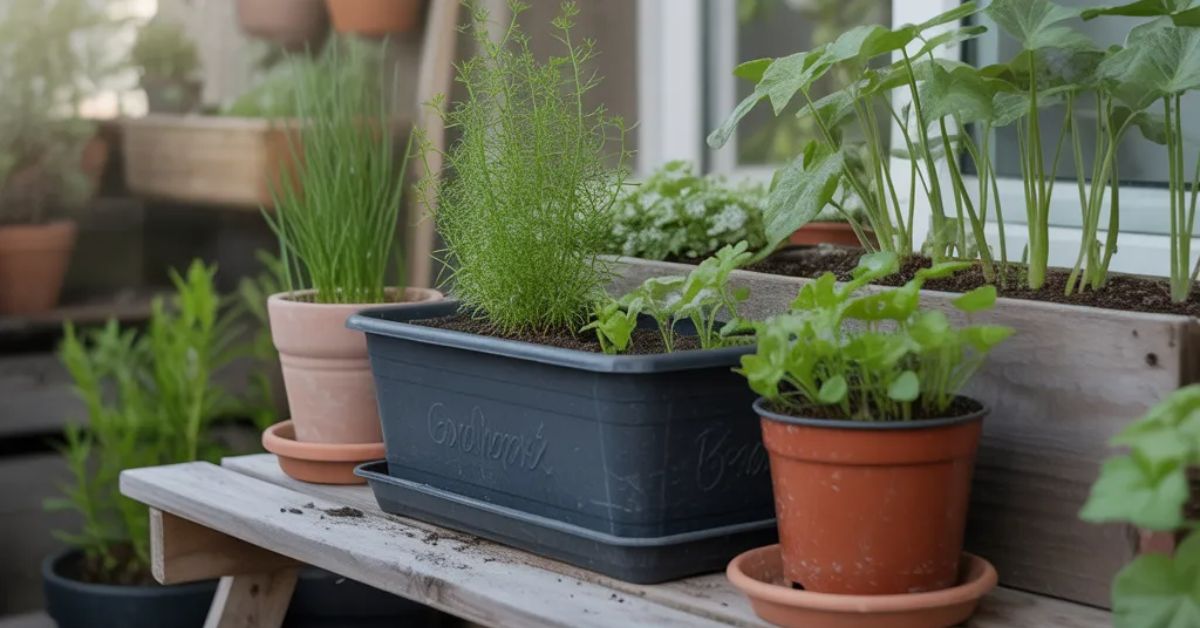
how to start a sustainable garden. Starting a garden can be exciting, but creating a garden that is beautiful, productive, and environmentally friendly takes a little more planning. If you are new to gardening, you may wonder where to begin, what plants to choose, how often to water, and whether sustainable gardening requires expensive equipment or complicated techniques.
The good news is that it does not.
A sustainable garden for beginners can be surprisingly simple. You can start with a small backyard bed, a few containers on a patio, a balcony garden, or even a few herbs growing near a sunny window. The goal is not to create a perfect garden overnight. Instead, sustainable gardening is about making thoughtful choices that conserve water, improve soil, reduce waste, support beneficial insects and wildlife, and help plants thrive with fewer unnecessary inputs.
Healthy soil is one of the foundations of sustainable gardening. Adding appropriate organic matter such as compost can improve soil structure, nutrient availability, and its ability to hold and absorb water. Once your soil is healthy and you choose plants suited to your growing conditions, your garden can become easier to maintain.
Whether you dream of growing vegetables, flowers, herbs, native plants, or a mixture of everything, this beginner-friendly guide will show you how to build a sustainable garden step by step.
What Is Sustainable Gardening?
.Sustainable gardening means growing and maintaining plants in a way that uses resources responsibly while supporting the health of the soil, plants, people, and surrounding environment.
Instead of constantly relying on synthetic fertilizers, excessive watering, pesticides, disposable products, and high-maintenance plants, sustainable gardening focuses on working with natural systems.
That can mean improving the soil with compost, choosing plants that are adapted to your local climate, using mulch to conserve moisture, collecting rainwater where appropriate, reducing garden waste, encouraging pollinators, and managing pests without automatically reaching for chemical sprays.
Sustainable gardening does not mean your garden has to look wild or unorganized. A sustainable garden can be modern, colorful, tidy, productive, and attractive. The difference is that its design and maintenance are planned with long-term resource use in mind.
Why Start a Sustainable Garden?
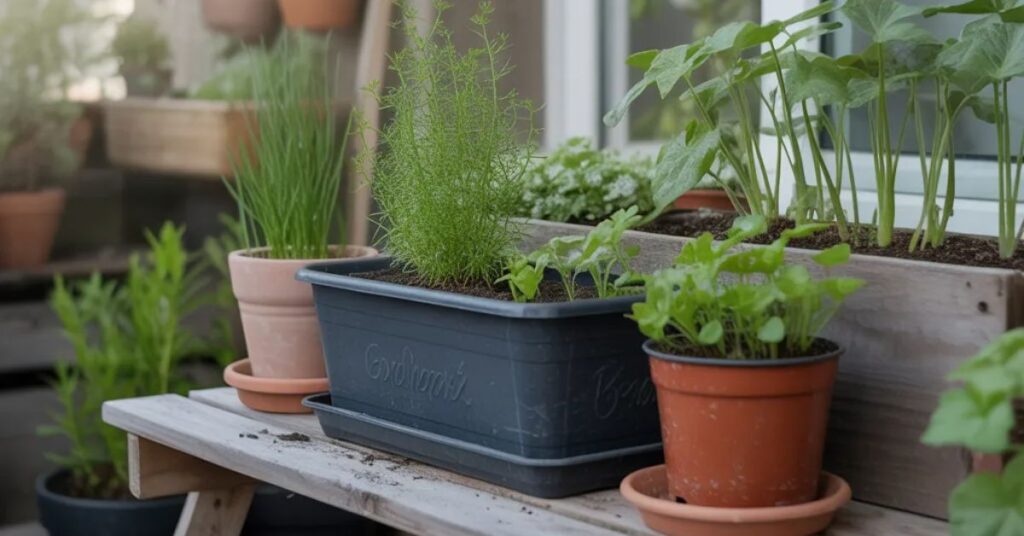
A sustainable garden can benefit both your household and the environment.
When you improve your soil, healthy plants can often establish more successfully. When you choose plants suited to your climate and site, they may require less supplemental care once established. Efficient watering can reduce unnecessary water use, while mulch helps protect soil moisture and suppress weeds.
A garden can also provide habitat and food for pollinators and other beneficial wildlife. Native plants, flowering plants, shrubs, trees, and other vegetation can provide resources for birds, bees, butterflies, and beneficial insects.
Perhaps the biggest advantage for beginners is that sustainable gardening encourages you to work smarter rather than simply work harder.
Instead of constantly fixing problems, you learn to prevent them by choosing the right plant for the right location, preparing the soil properly, watering efficiently, and maintaining a healthy garden ecosystem.
1. Start Small
One of the biggest mistakes beginners make is starting with a garden that is too large.
It is easy to become inspired by beautiful garden photos and imagine growing dozens of vegetables, flowers, herbs, and fruit plants. However, a large garden requires more watering, weeding, pruning, harvesting, and general maintenance.
Start with a manageable area.
A small raised bed, several containers, or a modest flower border can teach you the basics without becoming overwhelming.
Once you understand your soil, sunlight, watering needs, and local growing conditions, you can gradually expand.
Starting small is also sustainable because you are less likely to waste seeds, plants, soil, water, and gardening supplies.
2. Observe Your Garden Before Planting
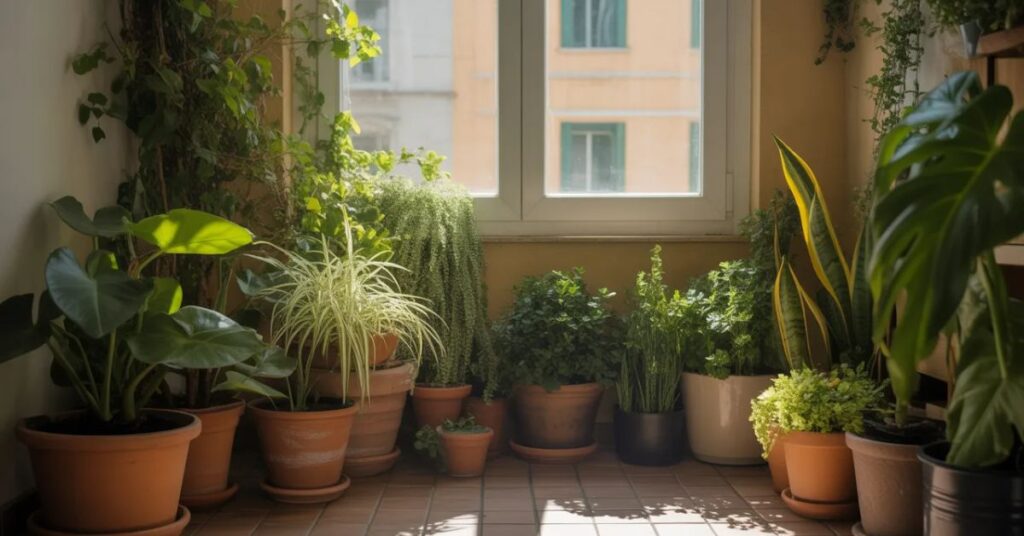
Before buying plants, spend some time observing your outdoor space.
Notice which areas receive full sun, partial shade, or mostly shade. Watch how water moves across the property after rainfall. Look for areas that stay wet, dry quickly, become windy, or receive reflected heat from walls and pavement.
Also consider how you use the space.
If you want a vegetable garden, choose a convenient location that you can easily access. If you are creating a pollinator garden, you may want to place flowering plants somewhere visible from a window or patio.
Understanding your garden’s microclimates can help you select plants more intelligently.
A plant that thrives in full sun may struggle in a shady corner, while a moisture-loving plant may perform poorly in an area that dries quickly.
The basic sustainable gardening principle is simple: put the right plant in the right place.
3. Test Your Soil
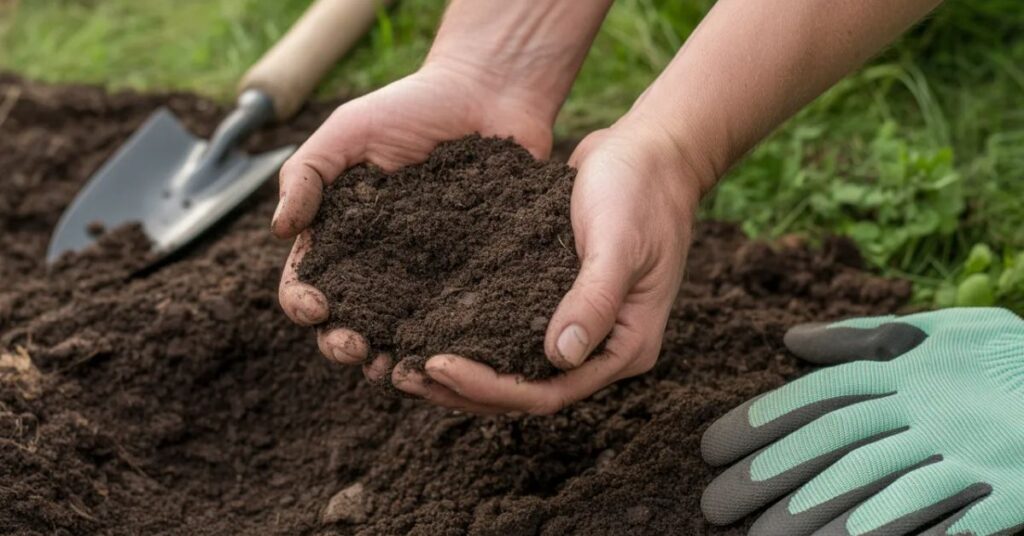
Healthy soil is essential for a sustainable garden.
Before adding large amounts of fertilizer or amendments, consider having your soil tested. A soil test can provide useful information about pH and nutrient levels and can help you avoid adding nutrients your soil does not need.
This matters because more fertilizer is not necessarily better.
Over-fertilization can encourage excessive growth and contribute to nutrient runoff. Sustainable gardening aims to provide plants with what they need without unnecessary inputs.
Your soil type also affects how water behaves.
Clay soil tends to hold water but can drain slowly, while sandy soil generally drains quickly and may require more frequent watering. Improving soil with appropriate organic matter can help create better conditions for plant roots.
4. Improve Soil With Compost
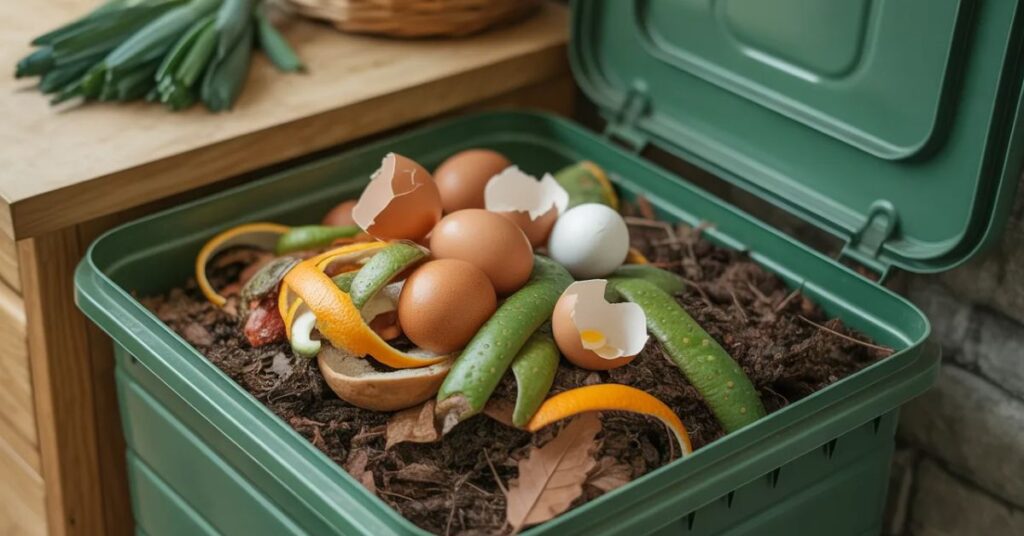
Compost is one of the most useful tools for sustainable gardening.
Finished compost is partially decomposed organic material that can be incorporated into garden soil to add organic matter. It can improve the soil’s ability to accept and store water while supporting soil organisms.
You can purchase finished compost or make your own.
Home compost can be made from suitable plant-based kitchen scraps and yard materials such as leaves, grass clippings, and garden trimmings. Good compost management requires the right balance of materials, moisture, and air.
However, avoid assuming that more compost is always better. Excessive amounts can create problems, so use compost appropriately for your soil and garden design.
If you are filling a raised bed, do not use compost alone. A balanced growing medium generally includes soil along with compost or another suitable organic component.
5. Choose Plants for Your Climate
Plant selection is one of the most important parts of sustainable gardening.
Instead of choosing plants simply because they look beautiful in a catalog, consider whether they are suited to your local climate, soil, sunlight, and available space.
Plants that are naturally adapted to local conditions generally have a better chance of thriving than plants that constantly struggle outside their preferred environment.
Research your local hardiness zone, average rainfall, growing season, soil conditions, and sunlight levels.
Your local extension service, reputable nurseries, botanical gardens, and native plant organizations can be useful sources when deciding what to grow.
6. Include Native Plants
Native plants can be an excellent addition to a sustainable garden.
They can provide food, shelter, and habitat for local wildlife, including pollinators and birds. Native plants can also be an important part of creating a more diverse garden ecosystem.
However, “native” does not automatically mean “no maintenance.” Newly planted native plants still need appropriate care while they establish.
Choose native species that are appropriate for your specific location and growing conditions rather than selecting plants solely because they are native to a broad region.
A mixture of native plants and well-adapted noninvasive plants can also create an attractive and productive garden.
7. Plan for Pollinators
A sustainable garden should ideally provide something useful for pollinators.
Bees, butterflies, moths, and other insects can benefit from flowering plants that provide nectar and, depending on the species, pollen or host-plant resources.
Instead of planting only one type of flower, consider creating a mixture that blooms at different times throughout the growing season.
This gives pollinators access to resources for a longer period.
Avoid making your garden dependent on frequent pesticide applications. Beneficial insects can be valuable allies in managing certain garden pests.
A diverse planting scheme can help your garden function more like a small ecosystem.
8. Grow Your Own Herbs and Vegetables
Growing edible plants is one of the most rewarding ways to practice sustainable gardening.
Start with vegetables and herbs that you actually enjoy eating.
For beginners, herbs such as basil, parsley, mint, chives, rosemary, and thyme can be useful choices depending on your climate and growing conditions.
Vegetables such as lettuce, radishes, beans, tomatoes, peppers, and leafy greens can also be suitable for beginner gardeners when matched to the right season and conditions.
Growing food at home can help you become more aware of seasonal eating and reduce the need to buy small quantities of herbs that may otherwise go unused.
9. Use Mulch to Protect the Soil
Mulch is one of the easiest sustainable gardening practices to adopt.
A suitable layer of organic mulch can help reduce evaporation, suppress weeds, improve water infiltration, and protect the soil from compaction and temperature fluctuations.
Materials can include shredded leaves, wood chips, bark, straw, or other appropriate organic materials.
Apply mulch evenly around plants while leaving space around plant stems and tree trunks. Mulch piled directly against stems or trunks can contribute to moisture and disease problems.
Do not assume that a very thick layer is always better. The appropriate depth depends on the material and location.
10. Water Your Garden Wisely
Water is one of the most important resources to manage in a sustainable garden.
Instead of watering automatically every day, learn to observe your plants and soil.
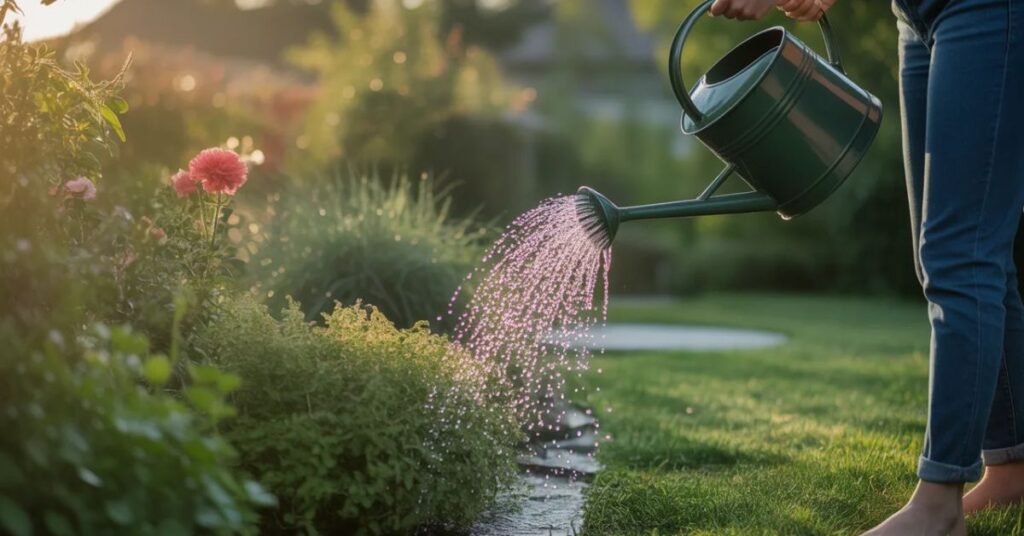
Watering deeply and less frequently can encourage deeper root growth and improve drought tolerance in many landscape plants. Water should be applied slowly enough to soak into the root zone rather than running off the surface.
Watering in the early morning can also help reduce evaporation and allows foliage to dry during the day.
Avoid watering the leaves unnecessarily when watering the base of the plant is sufficient.
11. Consider Drip or Soaker Irrigation
If you have a larger garden, drip irrigation or soaker hoses can be useful tools.
These systems can deliver water closer to plant roots rather than spraying large amounts of water into the surrounding air.
The exact irrigation system you need depends on your garden layout, plant types, soil, and climate.
Even a simple hose used carefully at the base of plants can be more efficient than repeatedly spraying foliage and bare soil.
The goal is to provide the appropriate amount of water directly where plants can use it.
12. Collect Rainwater Where Appropriate
Rainwater collection can be another useful sustainable gardening practice.
A rain barrel or similar system can capture water from suitable roof runoff for later garden use, subject to local rules and safe-use considerations.
Rainwater can be particularly useful for watering ornamental plants and gardens.
However, make sure your collection system is properly designed and maintained, and follow local regulations regarding rainwater harvesting.
You should also prevent standing water from becoming a mosquito-breeding site by keeping containers covered or managed appropriately.
13. Reduce Lawn Size
Traditional lawns can require considerable maintenance, including mowing, watering, and fertilizing.
You do not necessarily have to remove your entire lawn, but reducing unnecessary lawn area can create opportunities for more diverse planting.
Consider replacing a portion of lawn with:
- Native plants
- Flower beds
- Ground covers
- Vegetable gardens
- Herb gardens
- Shrubs
- Small trees
- Pollinator-friendly plants
Keep lawn where you actually use it for walking, playing, entertaining, or other purposes.
This creates a more functional landscape rather than maintaining grass simply because it has always been there.
14. Compost Your Garden Waste
Instead of sending every leaf, grass clipping, and plant trimming away, consider whether some organic material can be composted or reused.
Leaves can become valuable organic matter. Grass clippings can sometimes be left on the lawn using a mulching mower, returning nutrients to the soil.
Garden trimmings can also be composted when suitable.
Composting closes the nutrient loop by turning organic waste into a useful soil amendment rather than treating everything as garbage.
Avoid adding meat, dairy, fats, oils, pet waste, or diseased plant material to a basic home compost system unless you have a specialized system designed to handle them.
15. Avoid Overusing Fertilizer
Fertilizer can be useful when plants genuinely need nutrients, but sustainable gardening is not about feeding plants as much as possible.
Too much fertilizer can stimulate excessive growth and contribute to nutrient runoff. Soil testing can help determine whether nutrients are actually needed.
When fertilizer is appropriate, follow the product instructions carefully and avoid applying more than recommended.
Slow-release or organic fertilizers can be useful options depending on the plant and soil.
Remember that compost is primarily a soil amendment rather than a complete replacement for every plant nutrient requirement.
16. Practice Natural Pest Management
Seeing a few insects on your plants does not automatically mean you have a pest emergency.
A sustainable garden can tolerate some insect activity because many insects are harmless or beneficial.
Before treating a pest, identify what you are seeing and determine whether it is actually causing meaningful damage.
Encourage beneficial insects and birds by providing diverse plants and suitable habitat.
If intervention is necessary, begin with lower-impact approaches appropriate for the pest and plant.
Integrated pest management emphasizes monitoring, identification, prevention, and targeted control rather than automatically spraying an entire garden.
17. Create a Wildlife-Friendly Garden
A sustainable garden can become a small habitat for wildlife.
You can add native shrubs, flowering plants, trees, bird-friendly plants, water sources, and sheltered areas.
Even a small garden can provide useful habitat.
Avoid making the garden overly sterile. Leaving some plant stems standing through appropriate seasons and maintaining small areas of undisturbed vegetation can provide shelter for beneficial insects and other creatures.
A sustainable garden is not just about producing flowers and vegetables. It can also support a living community.
18. Choose Durable Garden Tools
You do not need dozens of specialized gardening tools.
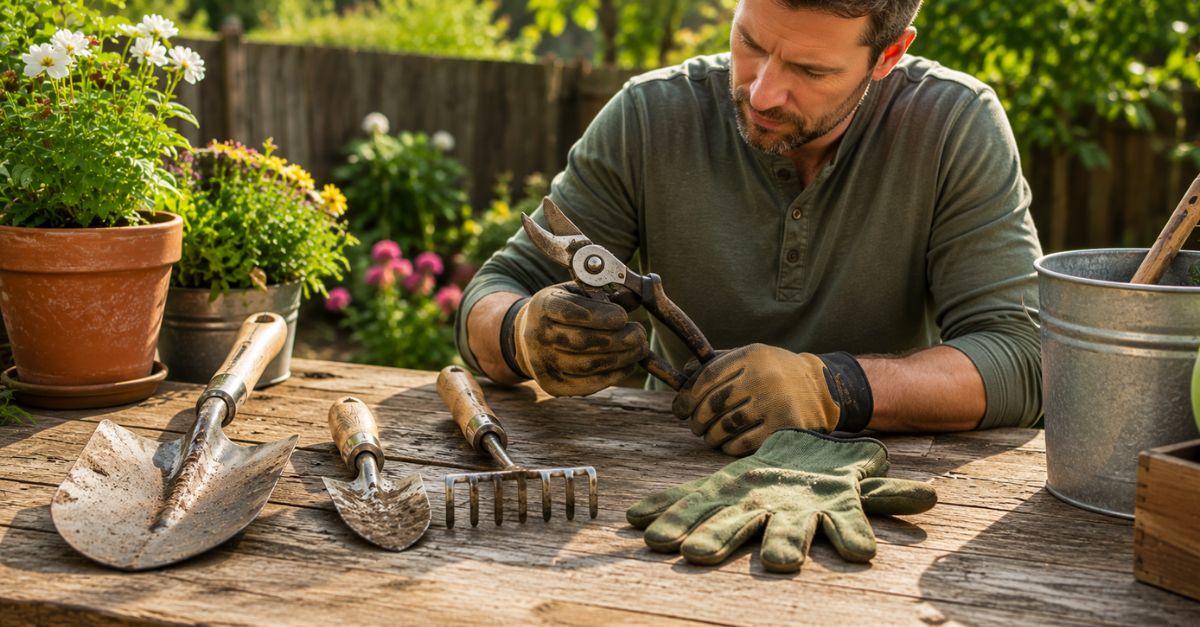
A beginner can usually start with a few reliable basics, such as a hand trowel, pruners, garden gloves, watering tool, shovel, and rake.
Choose durable tools that can be repaired or maintained rather than constantly replacing cheap items.
Clean and store tools properly after use.
Taking care of your equipment extends its useful life and reduces unnecessary waste.
19. Reuse Materials in the Garden
Sustainable gardening often means finding new uses for materials you already have.
Old containers can become planters if they are safe and have appropriate drainage. Fallen leaves can become mulch or compost material. Untreated wood may be useful for certain garden structures when appropriate.
Before purchasing something new, ask whether you already own an item that can perform the same function.
However, avoid using materials that may contain harmful chemicals or coatings that can contaminate soil.
20. Choose the Right Containers
Container gardening is an excellent way for beginners to start small.
Choose containers that are large enough for the plant’s mature root system and have adequate drainage.
Small containers dry out more quickly than larger ones, so consider how much time you can devote to watering.
Grouping containers with similar water needs can make maintenance easier.
Use an appropriate potting mix rather than ordinary garden soil for most containers because garden soil can drain poorly in pots.
21. Keep Soil Covered
Bare soil can be vulnerable to erosion, evaporation, weeds, and temperature fluctuations.
Whenever practical, keep soil covered with mulch or living plants.
Ground covers, densely planted garden beds, and organic mulch can help protect the soil surface.
Healthy soil structure is an important part of sustainable gardening because it supports root growth, water infiltration, and soil organisms.
22. Reduce Soil Disturbance
Constantly digging and turning soil is not always necessary.
Many gardeners are exploring reduced-till or no-till approaches that add compost and organic matter to the surface rather than repeatedly disturbing the soil.
Reduced tillage can help preserve soil structure and support soil organisms. Current sustainable gardening guidance also highlights no-till methods as a way to improve soil health while reducing erosion and labor.
You do not have to completely eliminate digging from your garden. Simply avoid disturbing soil unnecessarily.
23. Plant in Groups
Grouping plants according to their sunlight and water needs can make your garden easier to maintain.
Plants that require similar amounts of water can share an irrigation zone, reducing the risk of overwatering drought-tolerant plants while underwatering moisture-loving species.
Grouping plants can also make your garden look more intentional and visually attractive.
Think of your garden as a collection of small growing zones rather than one space where every plant receives exactly the same treatment.
24. Use Seasonal Planning
Sustainable gardening becomes much easier when you work with the seasons.
In spring, focus on preparing beds, planting appropriate crops, and checking irrigation.
During summer, concentrate on efficient watering, mulching, harvesting, and monitoring plants.
In autumn, collect leaves for compost or mulch, remove diseased plant material, and plan for the following growing season.
Winter can be an excellent time to review what worked, order seeds, repair tools, and plan next year’s garden.
Seasonal planning reduces last-minute purchases and helps you avoid unnecessary work.
25. Save Seeds When Appropriate
Seed saving can reduce gardening costs and help you become more self-sufficient.
However, not every plant produces seed that will grow true to the parent plant. Hybrid varieties may produce offspring with different characteristics.
If you want to save seeds, begin with plants known to be suitable for seed saving and learn the correct harvesting and storage techniques.
Store seeds in cool, dry conditions and label them with the plant variety and year.
26. Grow From Seeds When Practical
Growing plants from seed can be more economical than buying mature plants, especially if you want to grow many plants.
However, seeds require appropriate timing, moisture, temperature, and light.
Do not start seeds too early simply because you are excited to garden. Follow recommendations for your climate and crop.
Use reusable seed-starting containers when possible rather than constantly buying disposable plastic trays.
27. Avoid Invasive Plants
Before purchasing a new ornamental plant, check whether it is considered invasive in your region.
A plant that spreads aggressively can become difficult to control and may displace native vegetation.
Choose plants that fit your landscape without creating long-term ecological problems.
Your local extension service or government environmental resources can help you identify plants that are considered invasive in your area.
28. Make Your Garden More Water-Efficient
A water-efficient garden begins with design rather than simply watering less.
Choose plants suited to your climate, improve soil appropriately, use mulch, group plants by water needs, and deliver water efficiently.
A well-designed landscape can significantly reduce water requirements after plants become established.
Do not assume that drought-tolerant plants need no water immediately after planting. Newly established plants often need regular supplemental water until their root systems develop.
29. Keep a Simple Garden Journal
A garden journal may sound unnecessary, but it can become one of your most useful tools.
Record when you planted seeds, which varieties performed well, when you harvested, where you noticed pests, and which areas required more water.
Over time, you will learn what works in your particular garden.
This reduces guesswork and helps you avoid repeating unsuccessful purchases or planting decisions.
30. Focus on Progress, Not Perfection
Perhaps the most important sustainable gardening lesson is that you do not have to do everything at once.
You can start by improving your soil.
Next season, add native plants.
Then install a more efficient watering system.
Later, start composting or reduce the size of your lawn.
Small changes can add up.
Sustainable gardening is not about creating a perfect eco-friendly garden overnight. It is about making better decisions over time.
A Simple Sustainable Garden Plan for Beginners
If you are starting from scratch, follow this basic sequence.
First, choose a small area with appropriate sunlight and convenient access. Observe the site before planting so you understand its soil, moisture, and light conditions.
Next, test your soil if appropriate and improve it with suitable organic matter. Do not add fertilizer blindly.
Then choose plants that are adapted to your climate and site. Include some native plants and flowering species that can support pollinators and other wildlife.
After planting, apply an appropriate layer of mulch and establish an efficient watering routine.
As the garden develops, monitor it regularly rather than waiting for major problems.
Look for signs of pests, disease, drought stress, nutrient deficiencies, and weeds. Address problems early and use the least disruptive solution that works.
Finally, keep learning.
Your first garden will teach you more than any gardening book because every property has different soil, weather, sunlight, pests, and growing conditions.
Sustainable Gardening on a Small Budget
You do not need an expensive garden makeover to become a sustainable gardener.
Start with what you already have.
Reuse suitable containers, collect leaves for compost, propagate plants when appropriate, save seeds from suitable varieties, and choose plants that naturally perform well in your climate.
You can also build your garden gradually rather than purchasing everything in one weekend.
Invest first in healthy soil and reliable tools.
Plants can be added over time.
A small garden that is carefully planned is usually more sustainable than a large garden filled with expensive plants that require constant maintenance.
Common Sustainable Gardening Mistakes to Avoid
One mistake is choosing plants based entirely on appearance. A beautiful plant that cannot tolerate your site’s conditions may require excessive watering or eventually fail.
Another mistake is overwatering. More water does not automatically mean healthier plants. Learn your soil and plant requirements.
Using too much compost or fertilizer can also cause problems. Sustainable gardening requires balance.
Another common mistake is trying to eliminate every insect. Many insects are beneficial, and a healthy garden should have some insect activity.
Finally, beginners sometimes create gardens that are too large. Give yourself room to learn before expanding.
Beginner Sustainable Gardening Checklist
Before you begin, make sure you have considered your sunlight, soil, water availability, climate, and available space.
Choose a manageable garden size and select plants that match your conditions.
Improve soil thoughtfully with compost or other suitable organic matter.
Use mulch to protect the soil and conserve moisture.
Water deeply and efficiently rather than watering automatically.
Choose native and climate-adapted plants where appropriate.
Include flowering plants for pollinators.
Compost suitable garden and kitchen waste.
Reduce unnecessary lawn.
Monitor pests before deciding to treat them.
Avoid unnecessary fertilizer and pesticide use.
Reuse safe materials whenever possible.
Keep your garden tools clean and maintained.
Record what works so you can improve next season.
Frequently Asked Questions
Is sustainable gardening difficult for beginners?
No. Sustainable gardening can actually simplify gardening because it emphasizes choosing appropriate plants, improving soil, conserving water, and preventing problems instead of constantly reacting to them.
What is the easiest sustainable garden to start?
A small container garden or compact raised bed is an excellent starting point. Grow a few herbs, vegetables, or flowers that suit your climate and sunlight.
How can I make my garden more eco-friendly?
Start by improving soil health, reducing unnecessary water use, choosing suitable plants, using mulch, composting organic materials, and creating habitat for beneficial insects and wildlife.
Is compost necessary for a sustainable garden?
Compost is useful, but it is not the only way to build a sustainable garden. Good plant selection, efficient watering, mulching, and responsible pest management are also important.
How often should I water a sustainable garden?
There is no universal schedule because watering depends on climate, soil, plant type, season, and rainfall. Check soil moisture and plant conditions rather than watering automatically.
Are native plants always better?
Native plants can provide valuable habitat and can be well adapted to local conditions, but plant selection should still consider the specific site, soil, sunlight, and water requirements.
Can I have a sustainable garden with a lawn?
Yes. Sustainability does not require eliminating your lawn completely. Keep lawn where it serves a purpose and consider replacing unnecessary areas with diverse plantings.
Can sustainable gardens look neat and modern?
Absolutely. Sustainable gardening is a design approach, not a particular visual style. You can create structured borders, contemporary raised beds, organized vegetable gardens, or formal-looking landscapes while using sustainable practices.
Final Thoughts
Starting a sustainable garden for beginners does not require expensive equipment, advanced gardening knowledge, or a huge backyard. The best place to begin is with a small, manageable space and a simple plan.
Pay attention to your growing conditions, improve your soil, choose plants that belong in your climate and location, conserve water, use mulch, compost organic material, and encourage beneficial wildlife. These practices work together to create a healthier garden that can become easier to maintain over time.
Remember that sustainability is a journey. You do not have to transform your entire property in one season. Start with one garden bed, a few containers, or a small group of native and edible plants. Learn from each growing season and make improvements as you go.
With patience and thoughtful planning, even a beginner can create a garden that is productive, beautiful, resource-conscious, and welcoming to nature.






shaheen
helpfull information