
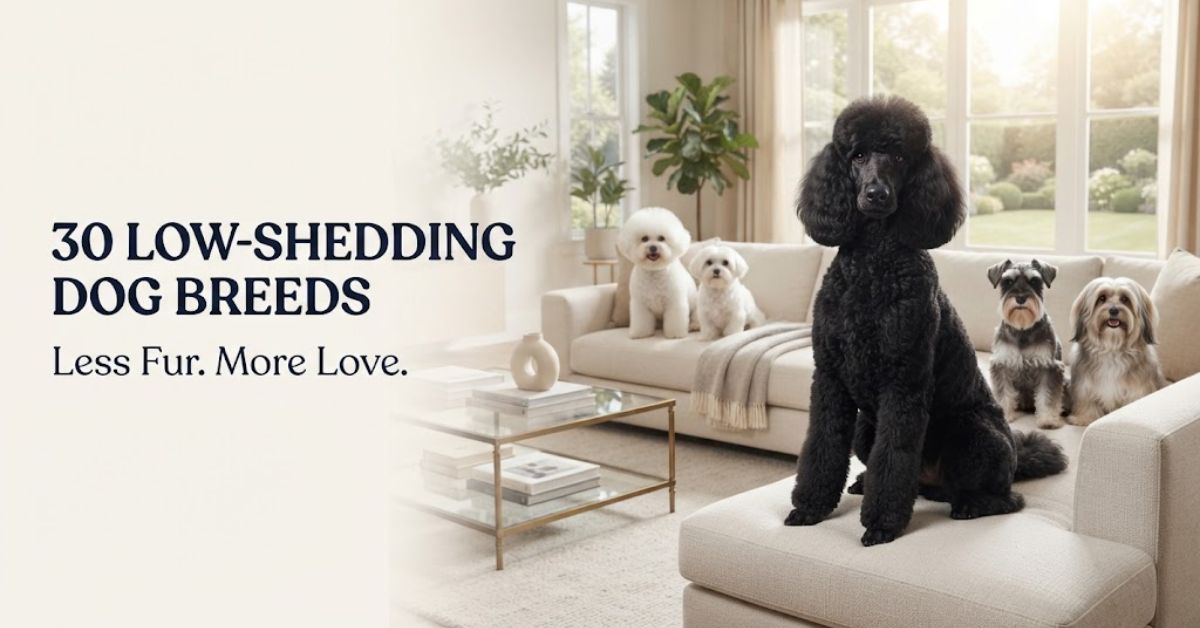
If you love dogs but do not love finding fur on your sofa, clothes, carpets, and bedding, choosing a low-shedding dog breed can make everyday life much easier. While no dog is completely free from shedding, some breeds naturally lose far less hair than others. Many of these dogs can be wonderful companions for families, apartment dwellers, busy households, and people who simply prefer a cleaner-looking home.
Low-shedding dogs come in many different shapes, sizes, and personalities. Some are tiny and energetic, while others are large, calm, and affectionate. Some have curly coats that continuously grow, while others have wiry or silky hair that requires regular grooming.
However, there is an important distinction to understand before choosing a breed: low-shedding does not mean maintenance-free, and it does not automatically mean hypoallergenic. Dogs can still produce allergens through dander, saliva, and other proteins even when they shed very little.
If keeping loose fur under control is one of your priorities, these 30 low-shedding dog breeds are worth considering.
What Does Low-Shedding Mean?
Low-shedding means a dog naturally loses relatively little hair compared with breeds that shed heavily. Instead of leaving large amounts of loose fur around the house, many low-shedding dogs have coats that hold onto loose hairs until they are removed through brushing or grooming.
Some low-shedding breeds have continuously growing hair rather than a traditional coat that goes through noticeable shedding cycles. Others have textured, wiry coats that trap loose hair.
That does not mean you will never find a hair on your furniture. Every dog can shed some hair, and individual dogs can vary.
Regular brushing, bathing when appropriate, professional grooming, and routine home cleaning can help keep loose hair manageable.
Are Low-Shedding Dogs Hypoallergenic?
Not necessarily.
No dog breed can honestly be considered completely allergy-free. People with dog allergies usually react to proteins found in substances such as dander, saliva, and urine rather than to the hair itself.
Because low-shedding dogs release less loose hair and dander into the environment, some allergy sufferers may find certain breeds easier to live with. However, reactions vary significantly from person to person.
If allergies are a concern, spend time around an individual dog before committing and discuss your situation with a qualified healthcare professional.
30 Low-Shedding Dog Breeds
1. Poodle
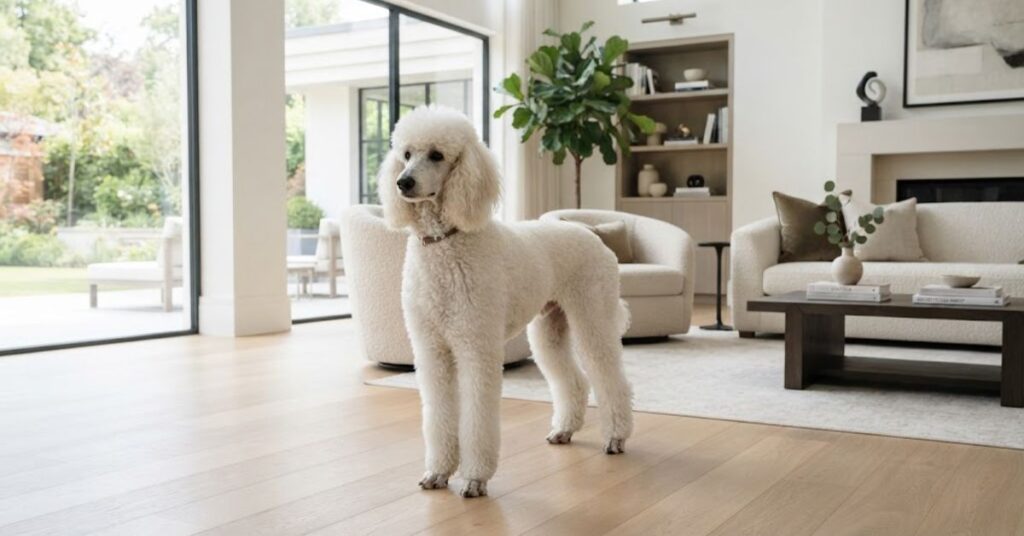
The Poodle is one of the best-known low-shedding dog breeds and comes in Toy, Miniature, and Standard sizes.
Its dense, curly coat tends to trap loose hair rather than dropping it throughout the home. Poodles are also highly intelligent, active, and eager to learn, making them excellent candidates for training.
Their coat does require regular brushing and professional grooming. Without proper care, the curls can become tangled or matted.
Best for: Active families, experienced owners, and people who enjoy training.
2. Bichon Frise
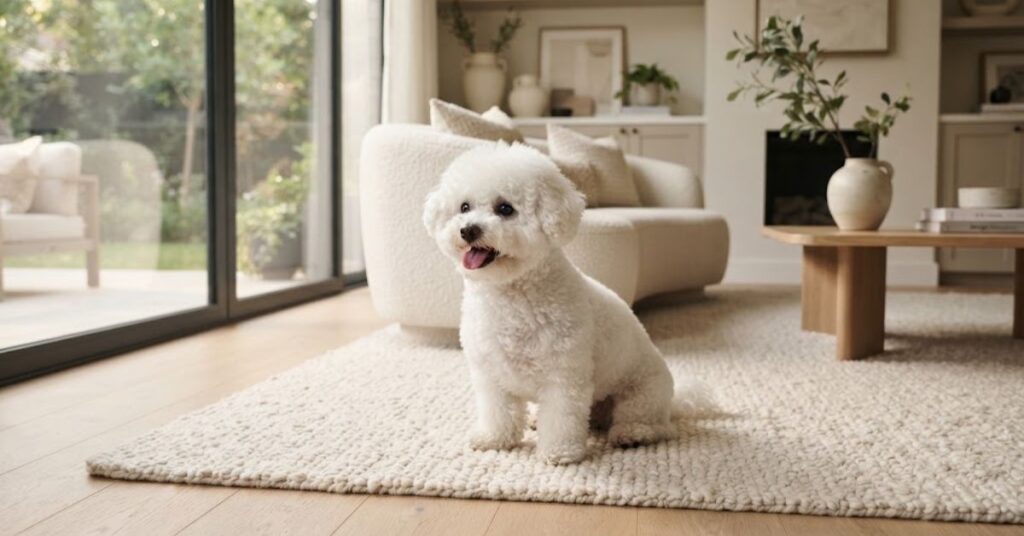
The cheerful Bichon Frise is a small companion dog known for its soft, curly white coat and friendly personality.
Bichons generally shed very little, but their coat needs consistent grooming. Regular brushing helps prevent mats and keeps the coat comfortable.
They are playful, affectionate, and often adaptable to apartment living when given enough daily activity.
Best for: Families, apartment dwellers, and companion-dog lovers.
3. Portuguese Water Dog
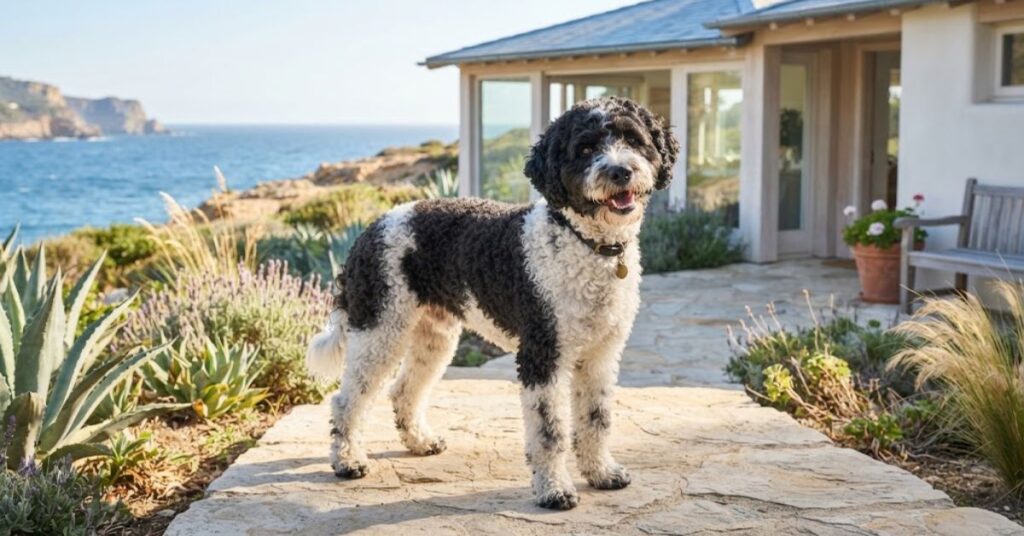
The Portuguese Water Dog is an energetic, athletic breed that historically worked alongside fishermen.
It has a curly or wavy coat that is generally low-shedding. These dogs are intelligent and thrive when they have plenty of exercise and mental stimulation.
They are often happiest with owners who enjoy outdoor activities, training, swimming, or active play.
Best for: Active households and outdoor enthusiasts.
4. Maltese
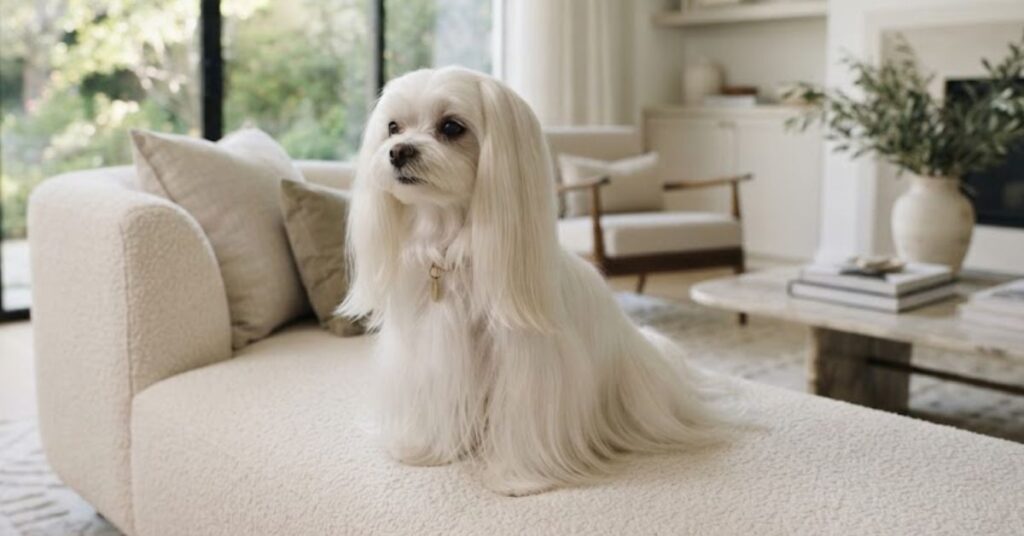
The Maltese is a tiny companion breed with a long, silky coat.
Despite its luxurious appearance, the Maltese is considered a low-shedding breed. However, its long hair can easily become tangled, so regular brushing is important.
Maltese dogs are affectionate and can form strong bonds with their families. Their small size makes them suitable for many homes, including apartments.
Best for: People seeking a small, affectionate companion.
5. Shih Tzu
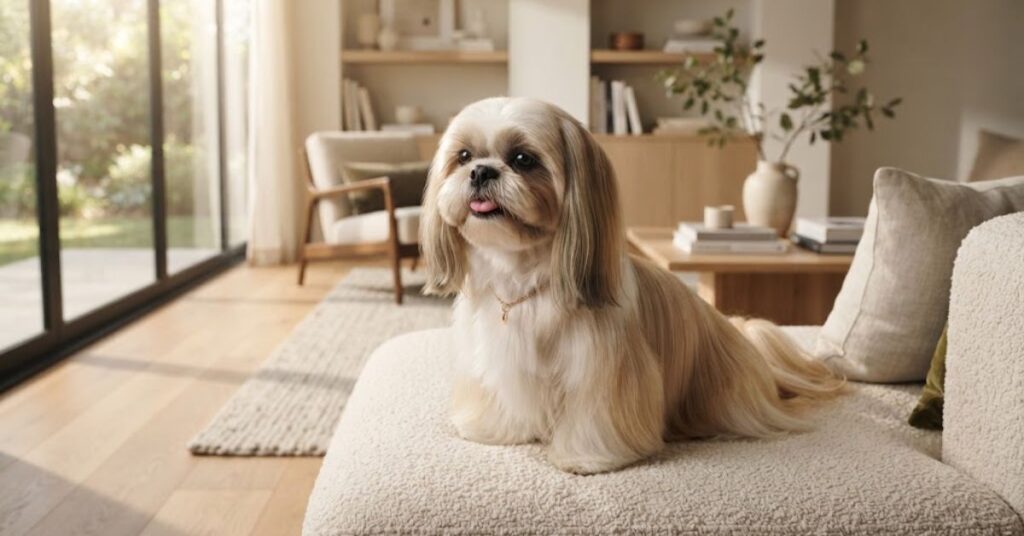
The Shih Tzu was developed as a companion dog and is known for its long, flowing coat.
Although the coat requires substantial grooming, Shih Tzus generally shed relatively little. Their hair can be kept long or trimmed into a shorter, easier-to-maintain style.
They are typically affectionate and people-oriented, making them popular household companions.
Best for: Families and people looking for a relaxed companion dog.
6. Schnauzer
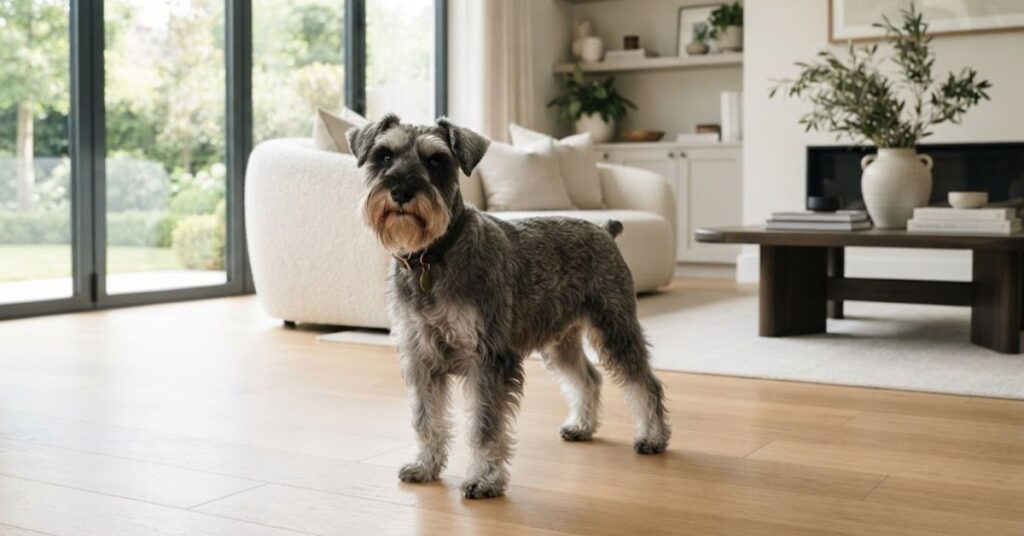
Schnauzers come in Miniature, Standard, and Giant sizes. Their distinctive wiry coat is generally low-shedding.
Miniature Schnauzers in particular are popular with families and people living in smaller homes. They are intelligent, alert, and energetic.
Regular grooming and coat maintenance are necessary to keep the wiry coat looking its best.
Best for: Families, active owners, and people who prefer a sturdy small-to-medium dog.
7. Yorkshire Terrier
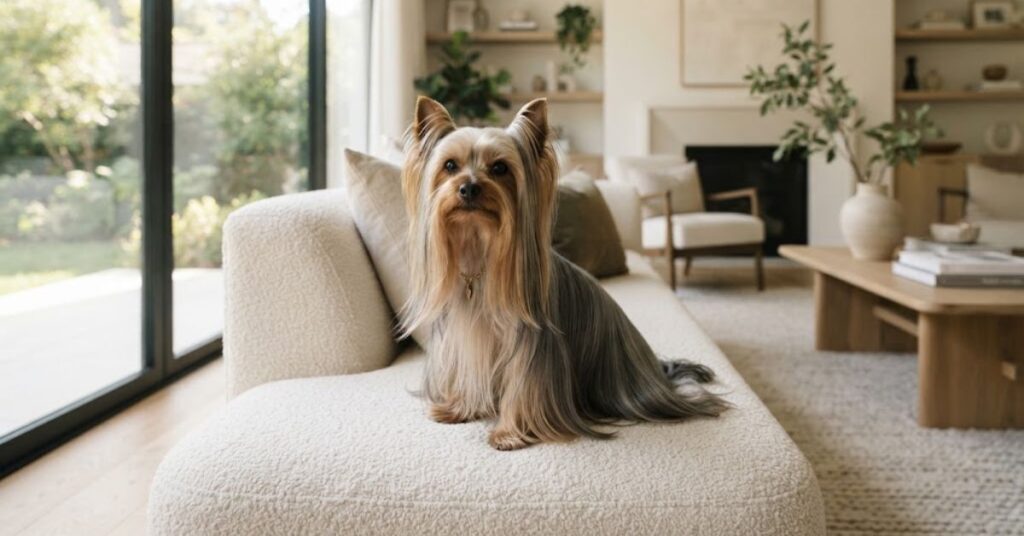
The Yorkshire Terrier, commonly called a Yorkie, is a tiny dog with a long, silky coat.
Its hair resembles human hair more closely than the traditional fur of many breeds, and Yorkies generally shed very little.
Despite their small size, they can be confident, lively, and surprisingly bold. Regular brushing is essential if the coat is kept long.
Best for: Small-home living and owners who enjoy companion dogs.
8. Havanese
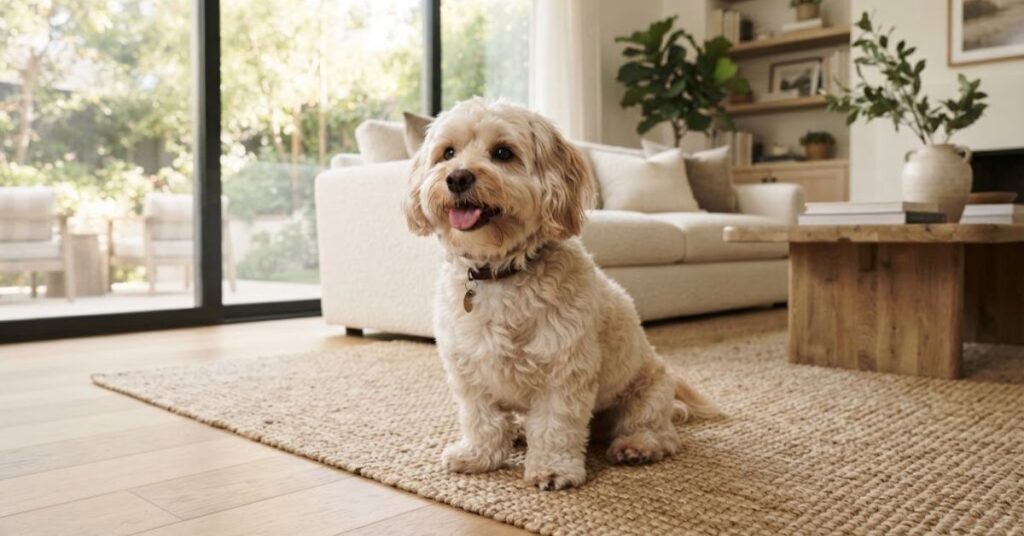
The Havanese is Cuba’s national dog and is known for its affectionate, cheerful personality.
Its soft coat can be wavy or curly and generally sheds very little. However, regular grooming is needed to prevent tangles.
Havanese dogs tend to be social and people-focused. They often enjoy being part of everyday family activities.
Best for: Families and people who want a sociable companion.
9. Lagotto Romagnolo
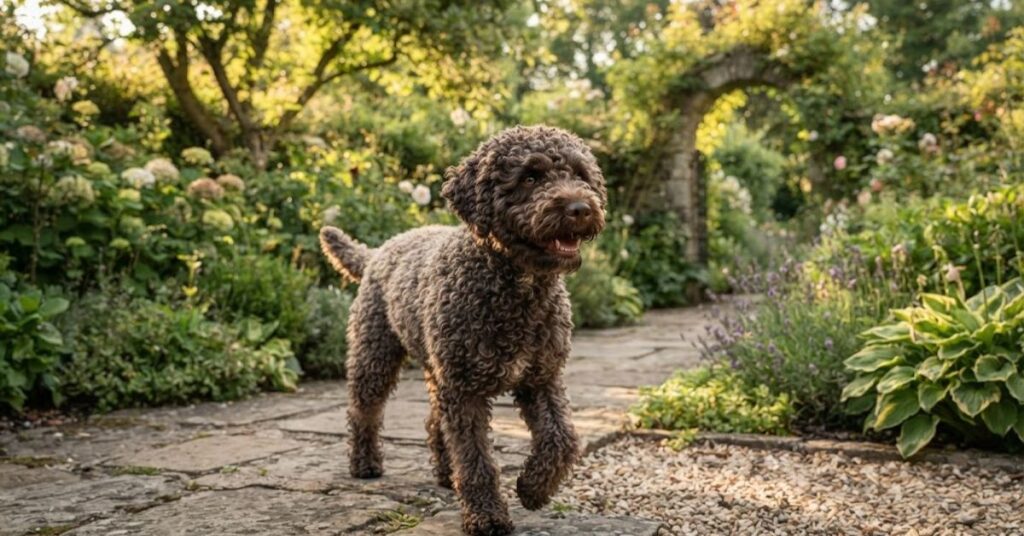
The Lagotto Romagnolo is an Italian breed famous for its curly coat and historical association with truffle hunting.
Its coat is generally low-shedding but requires regular maintenance. These dogs are intelligent, energetic, and happiest when given activities that engage both their bodies and minds.
They can make excellent companions for people who enjoy training and outdoor adventures.
Best for: Active owners who enjoy mental stimulation and outdoor activities.
10. Soft Coated Wheaten Terrier
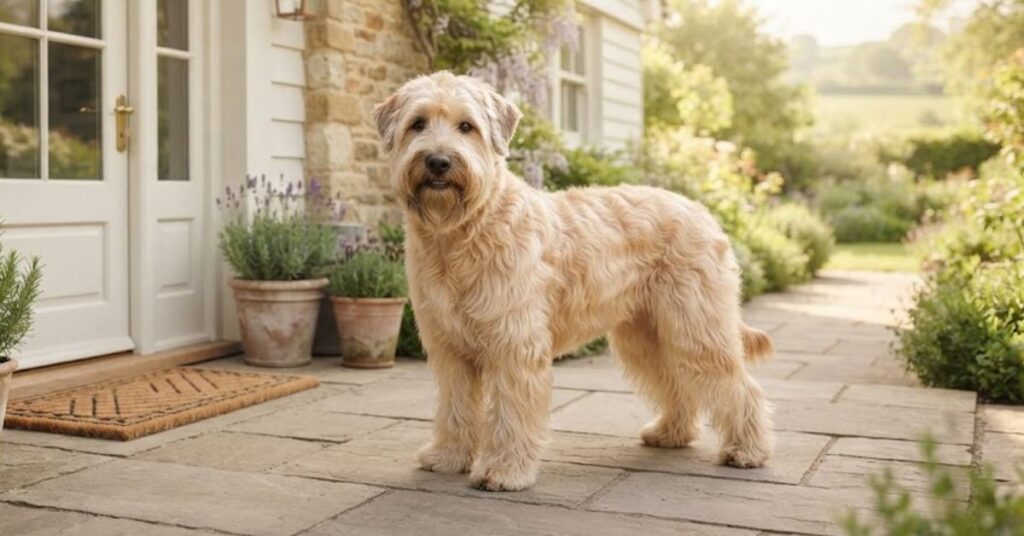
The Soft Coated Wheaten Terrier has a distinctive soft, silky coat that comes in warm shades of wheaten.
The breed generally sheds very little, but the coat can mat if it is not brushed regularly.
Wheatens are lively, affectionate, and playful. Their terrier background means they can have plenty of energy and personality.
Best for: Active families and owners who enjoy playful dogs.
11. Kerry Blue Terrier
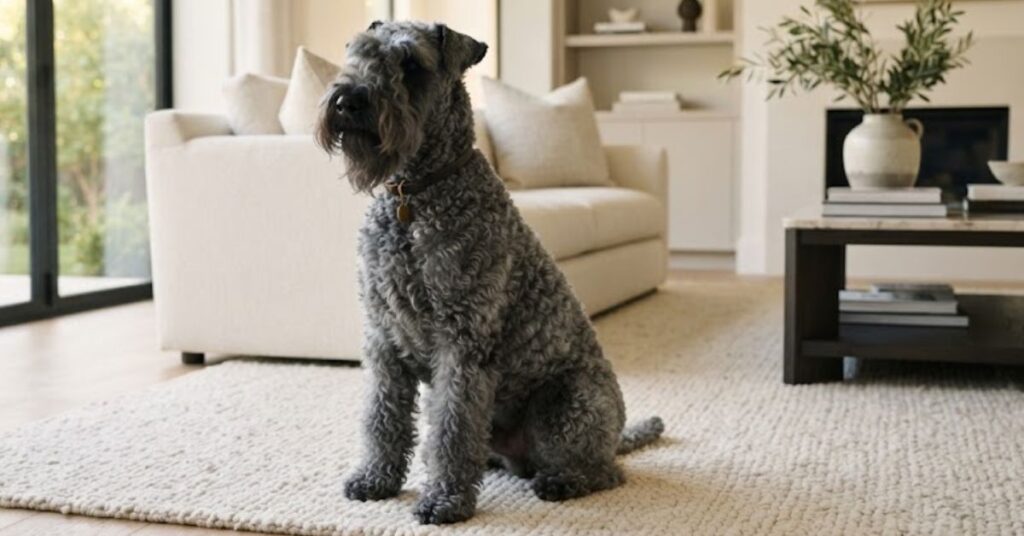
The Kerry Blue Terrier is an Irish breed recognized for its distinctive blue-gray coat.
Its curly, textured coat is generally low-shedding, although it requires regular grooming to maintain its appearance and prevent tangles.
Kerry Blue Terriers are intelligent and energetic. Like many terriers, they benefit from consistent training and appropriate exercise.
Best for: Experienced dog owners and active households.
12. Bedlington Terrier
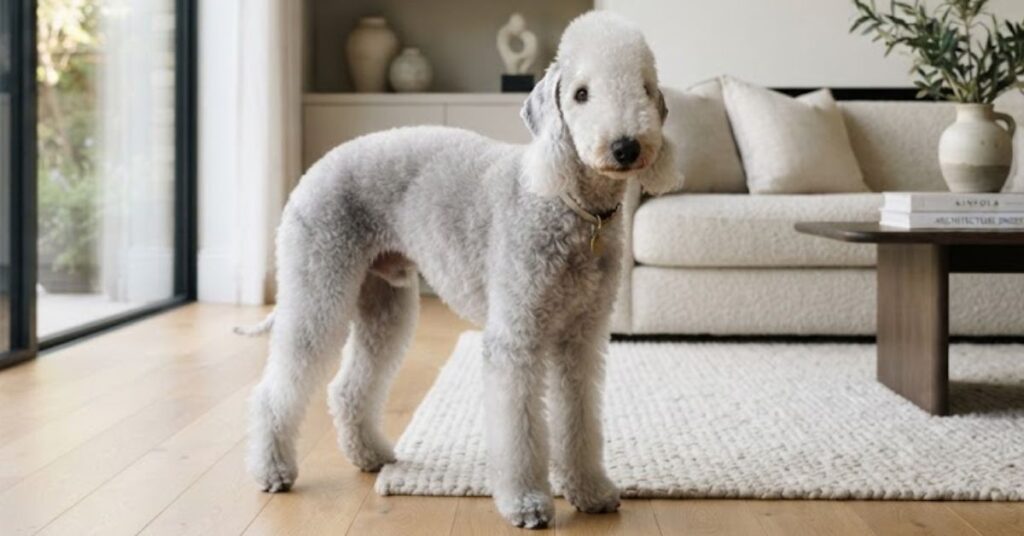
The Bedlington Terrier has a unique appearance that often makes people compare its silhouette to that of a small lamb.
Its curly coat is generally low-shedding and requires regular grooming.
Despite its elegant appearance, the Bedlington is still a terrier and can be energetic, athletic, and playful.
Best for: Owners looking for an unusual, athletic companion.
13. Irish Water Spaniel
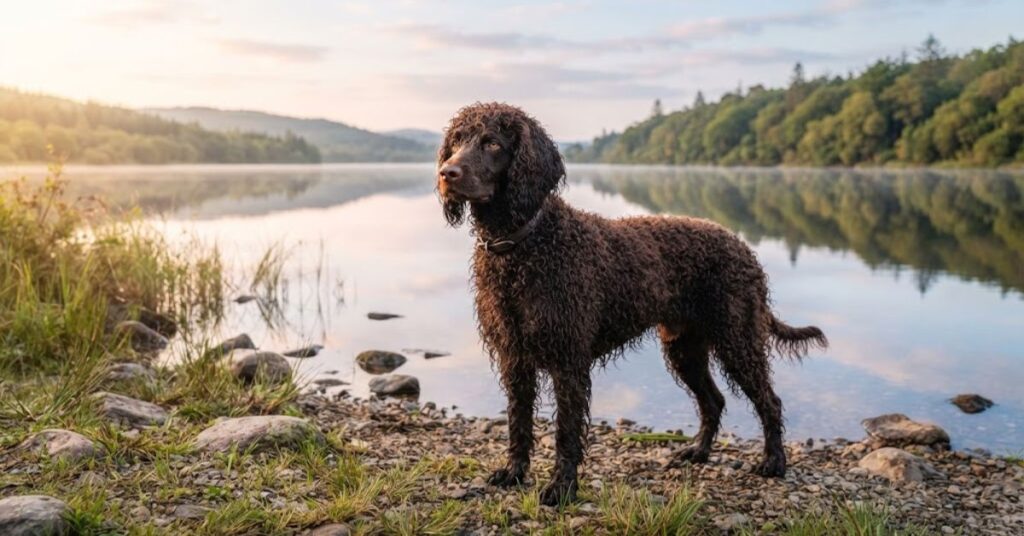
The Irish Water Spaniel is one of the taller water-dog breeds and has a distinctive curly coat.
It is generally low-shedding but needs regular grooming. These dogs are athletic and often enjoy swimming, retrieving, and outdoor activities.
Their intelligence means they benefit from training and mental stimulation.
Best for: Active families and outdoor enthusiasts.
14. Barbet
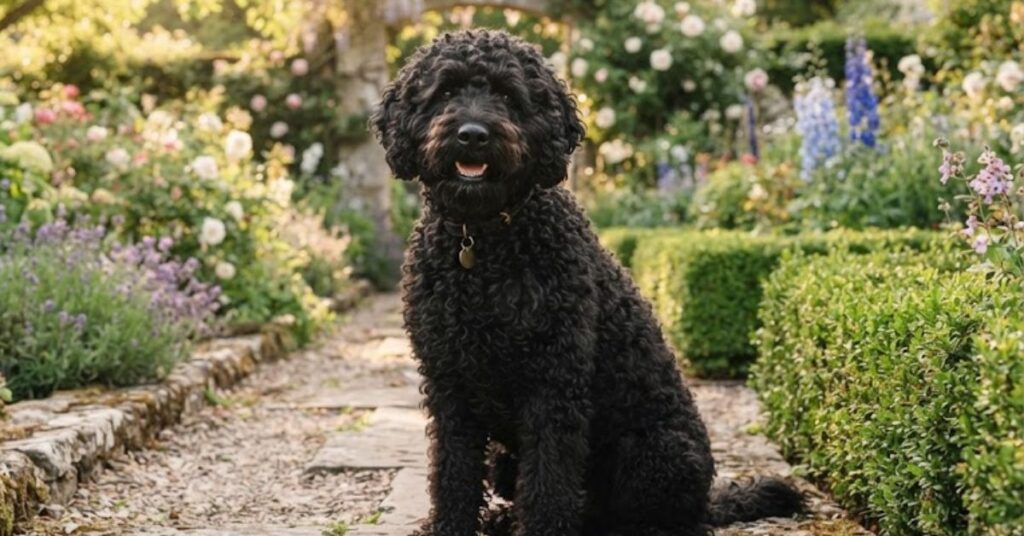
The Barbet is a French water dog with a thick, curly coat.
Its coat generally sheds minimally but needs consistent grooming to avoid matting. Barbets are often described as intelligent, friendly, and adaptable.
They tend to enjoy activities involving both exercise and interaction with their owners.
Best for: Active families and experienced dog owners.
15. Spanish Water Dog
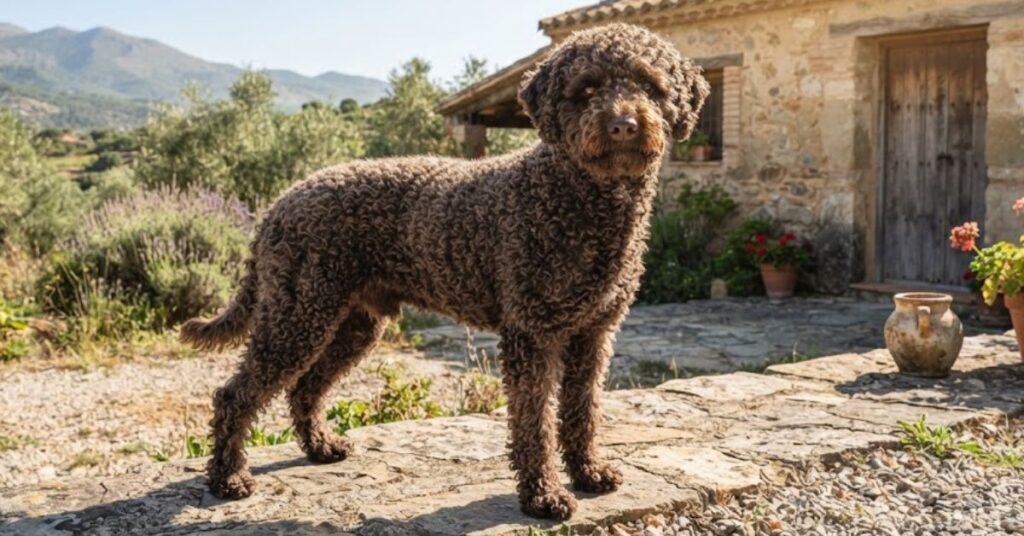
The Spanish Water Dog is an athletic breed traditionally associated with herding, hunting, and water work.
Its curly coat is low-shedding, but coat care is still important. The breed tends to be energetic and intelligent.
A Spanish Water Dog usually does best in a home where it has opportunities for exercise, training, and purposeful activity.
Best for: Active owners and working-dog enthusiasts.
16. Afghan Hound
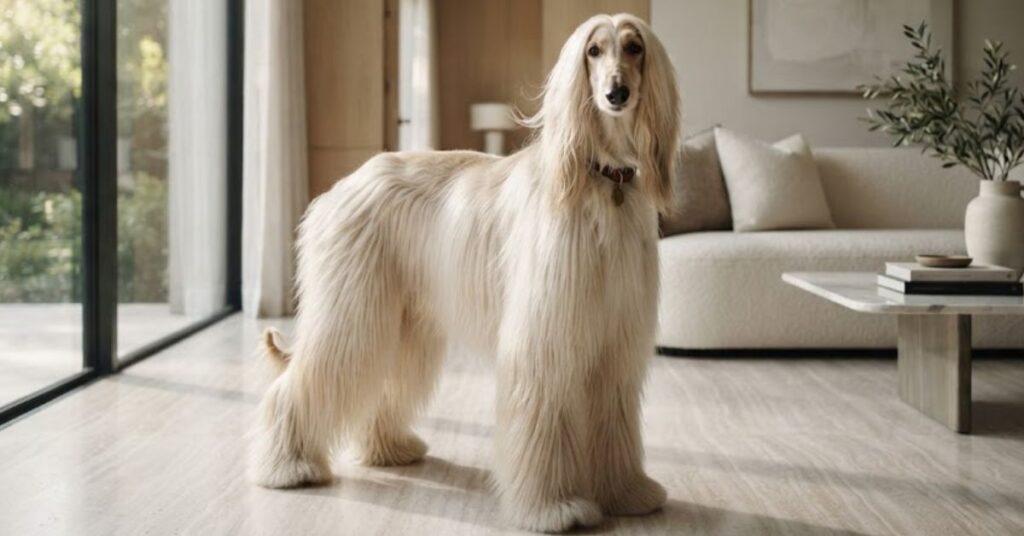
The Afghan Hound is famous for its long, flowing coat and elegant appearance.
Although its coat looks extremely luxurious, Afghan Hounds are not known for heavy shedding. However, their hair requires significant grooming and careful maintenance.
They are independent, athletic dogs that can have a somewhat reserved personality.
Best for: Experienced owners who are prepared for extensive coat care.
17. Coton de Tulear
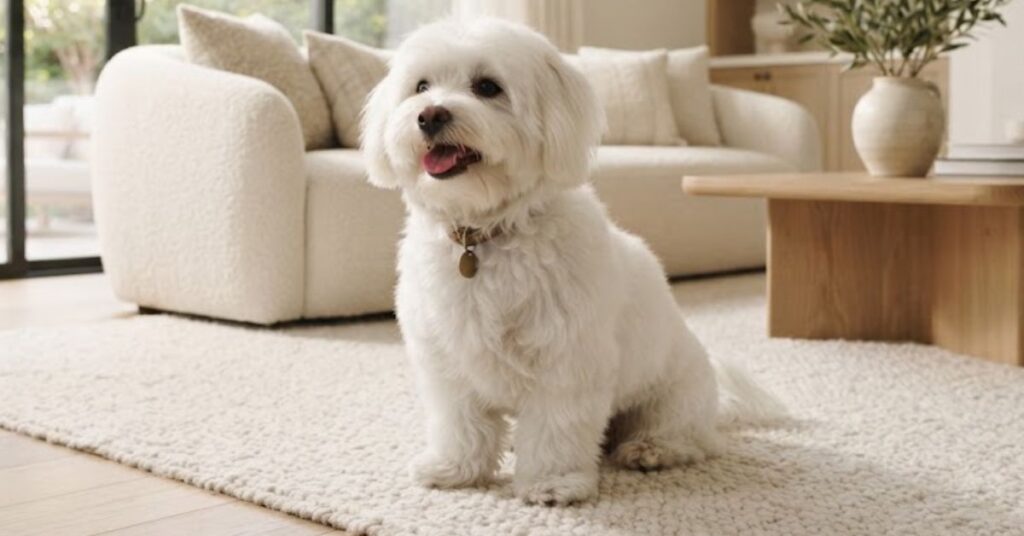
The Coton de Tulear is a small companion breed with a soft, cotton-like coat.
It generally sheds very little and is known for its affectionate and playful nature. Cotons often enjoy spending time with their families and can be adaptable to different living situations.
Regular brushing is important because the soft coat can tangle.
Best for: Families and people looking for a cheerful small companion.
18. Brussels Griffon
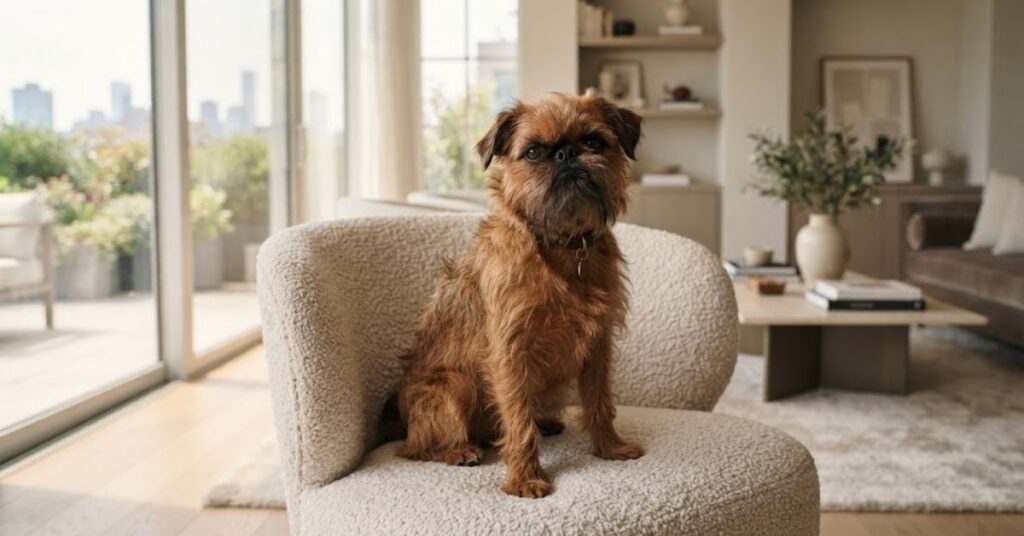
The Brussels Griffon is a small breed available in different coat types, including rough and smooth varieties.
The rough-coated variety is generally low-shedding and may require regular grooming or coat maintenance.
These dogs can be affectionate, intelligent, and highly attached to their owners.
Best for: People looking for a small dog with a big personality.
19. Scottish Terrier
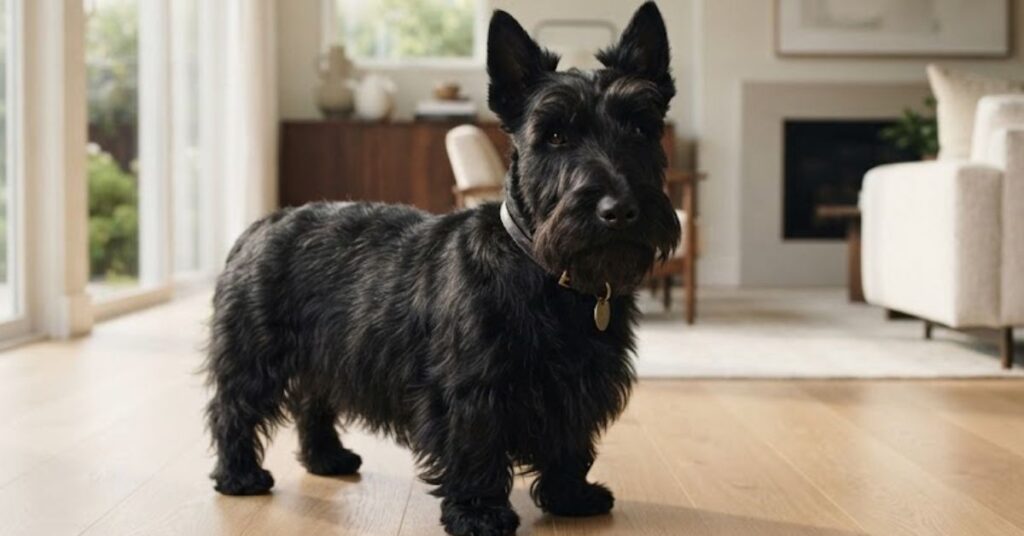
The Scottish Terrier is a compact, sturdy terrier with a distinctive appearance.
Its wiry coat generally sheds relatively little, although regular brushing and grooming are necessary.
Scottish Terriers can be independent and confident. Their terrier instincts mean they benefit from training and appropriate outlets for their energy.
Best for: Experienced owners and people who appreciate independent breeds.
20. West Highland White Terrier
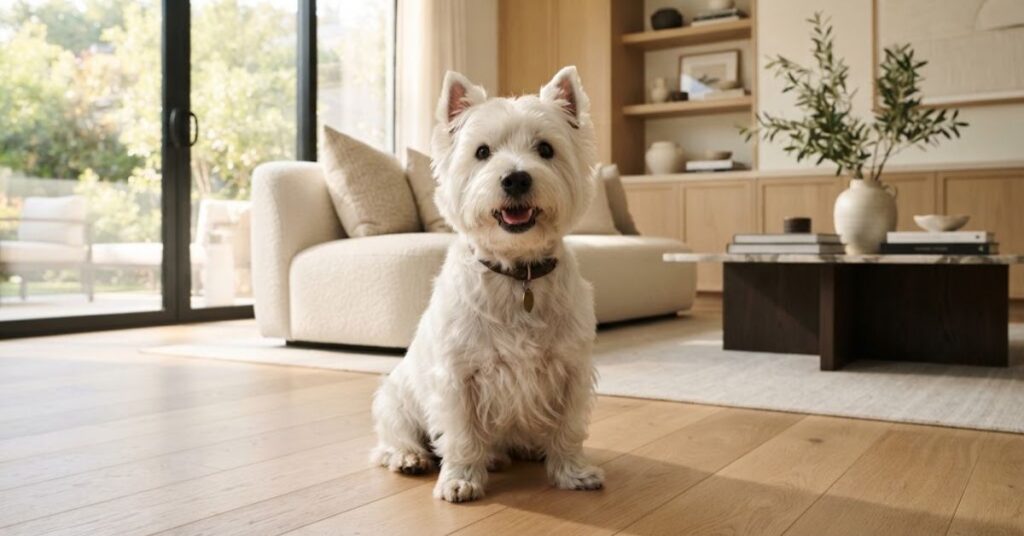
Often called a Westie, the West Highland White Terrier is a small, energetic breed with a distinctive white coat.
Westies generally shed less than many traditional double-coated breeds. Their coats still need regular brushing and grooming.
They are confident, playful, and often adaptable to different types of homes.
Best for: Families and people who enjoy energetic small dogs.
21. Cairn Terrier
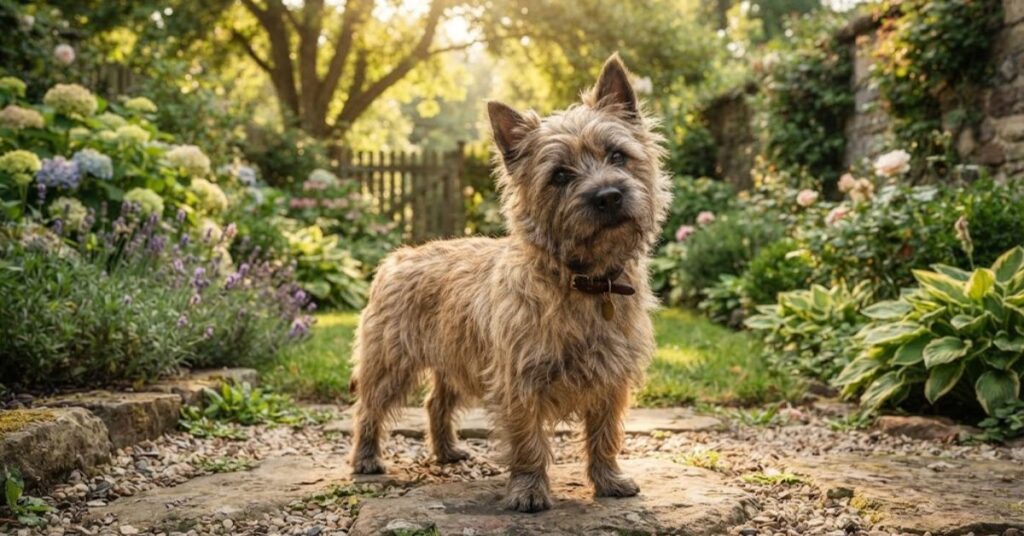
The Cairn Terrier is a small Scottish terrier with a weather-resistant coat.
It generally sheds relatively little compared with many other breeds, particularly when properly groomed.
Cairns are curious, energetic, and intelligent. They tend to enjoy exploration and interactive play.
Best for: Active families and owners who enjoy lively dogs.
22. Lhasa Apso
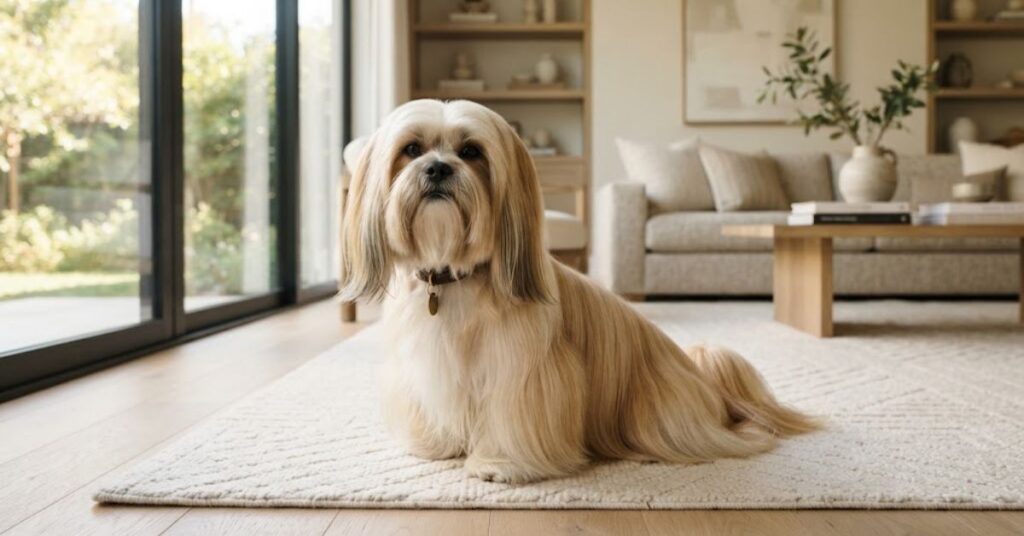
The Lhasa Apso originated in Tibet and was historically associated with monasteries and households.
Its long coat can be very impressive but requires regular brushing and grooming. Lhasa Apsos generally shed relatively little.
They can be confident, observant, and independent while remaining affectionate with their families.
Best for: Owners seeking a small but confident companion.
23. Chinese Crested
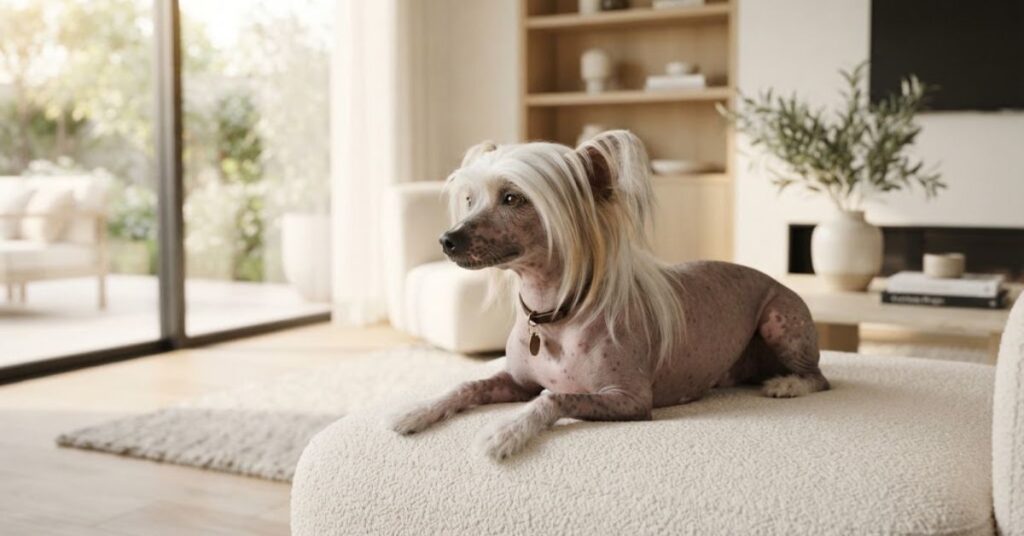
The Chinese Crested is particularly unusual because the breed includes hairless and powderpuff varieties.
The hairless variety has very little body hair, meaning there is naturally less fur around the home. However, its skin requires special care and protection.
The powderpuff variety has a soft coat and also tends to shed relatively little.
Best for: Owners interested in an unusual small breed and prepared for specialized care.
24. Peruvian Inca Orchid
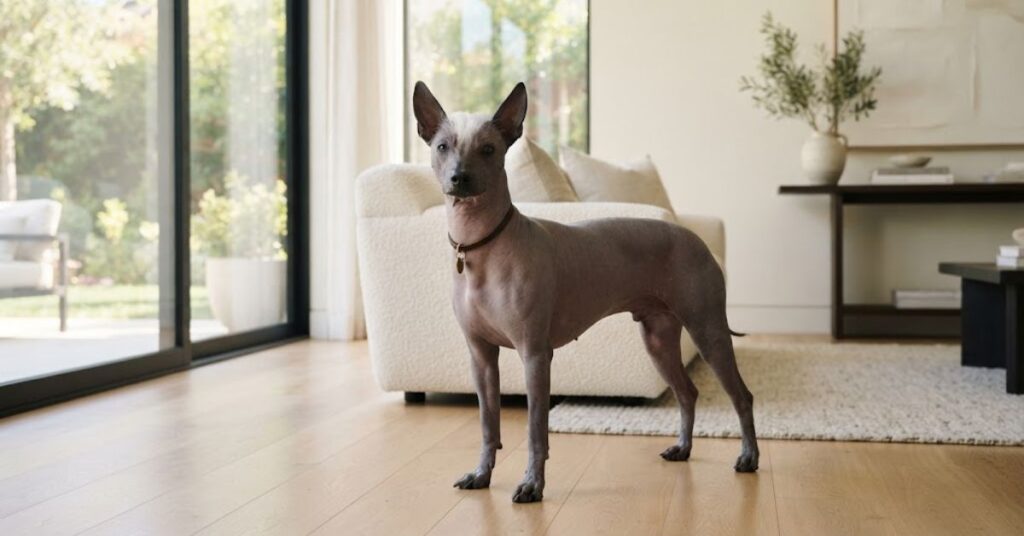
The Peruvian Inca Orchid is another breed available in hairless and coated varieties.
The hairless type produces little loose fur, making it appealing to people who strongly dislike pet hair.
However, hairless dogs are not completely maintenance-free. Their exposed skin needs appropriate care and protection from environmental conditions.
Best for: Experienced owners interested in a distinctive breed.
25. Xoloitzcuintli
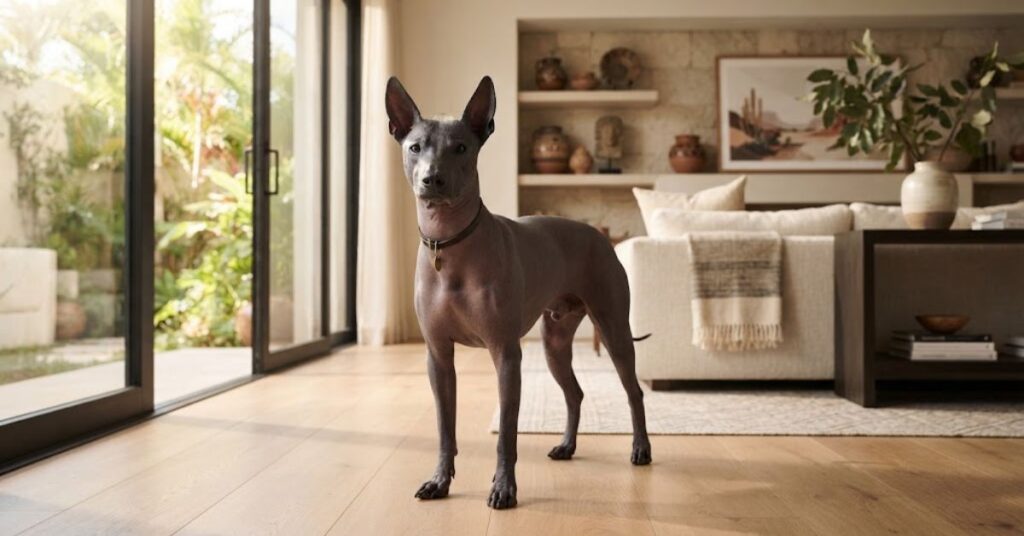
The Xoloitzcuintli, often called the Xolo, is an ancient Mexican breed that can be hairless or coated.
The hairless variety produces very little fur, although it still requires regular skin care.
Xolos come in different sizes and can be loyal, intelligent, and alert companions.
Best for: Owners who want an unusual breed and are comfortable with skin-care needs.
26. Bolognese
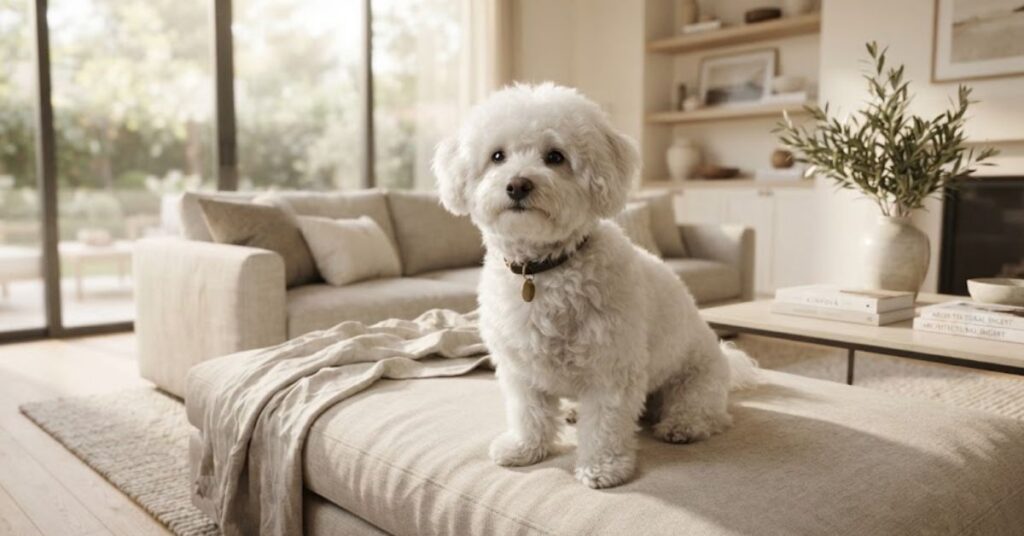
The Bolognese is a small Italian companion breed related to the Bichon family.
Its fluffy white coat generally sheds minimally, but regular brushing helps prevent tangles and keeps the coat healthy.
Bolognese dogs are typically affectionate and devoted to their families.
Best for: Quiet households and companion-dog lovers.
27. Tibetan Terrier
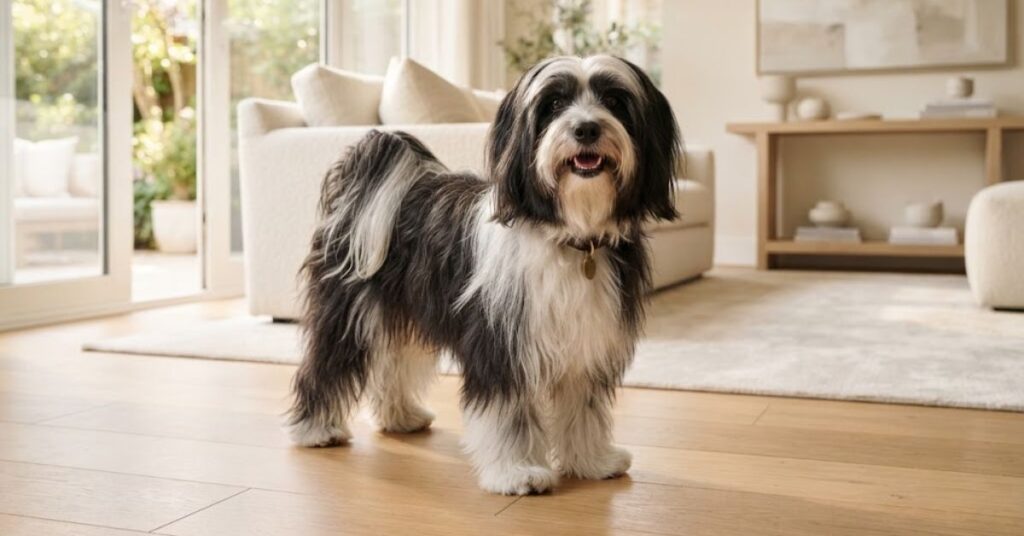
Despite its name, the Tibetan Terrier is not actually a true terrier. It is a companion and working breed with a long, abundant coat.
It generally sheds relatively little, but its coat requires frequent grooming to prevent mats.
Tibetan Terriers are intelligent, adaptable, and often closely bonded to their owners.
Best for: Families prepared to commit to regular grooming.
28. Australian Terrier
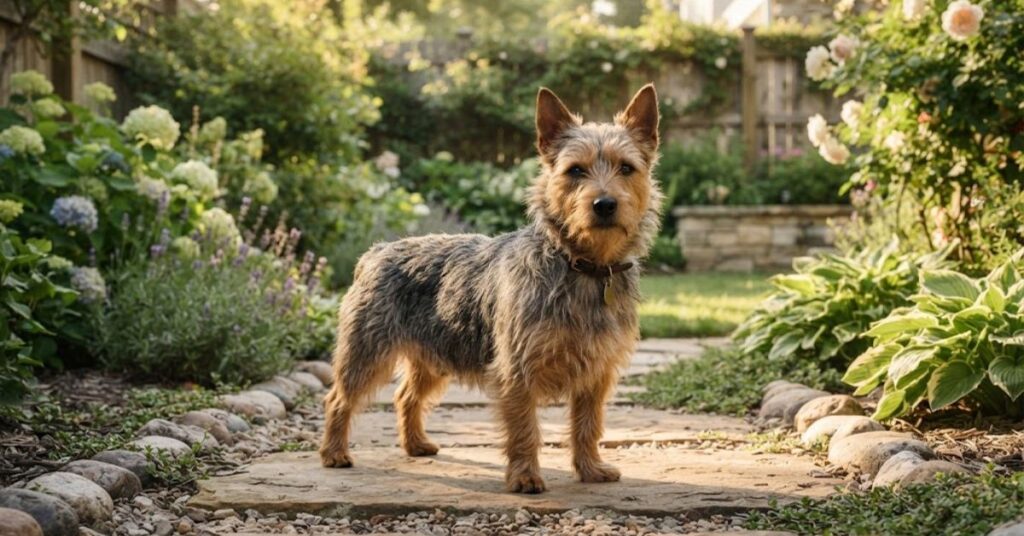
The Australian Terrier is a small, sturdy breed with a rough-textured coat.
It generally sheds relatively little and can be easier to maintain than breeds with long, continuously growing coats.
Like many terriers, Australian Terriers tend to be alert, active, and confident.
Best for: Active owners who like compact, energetic dogs.
29. Brussels Griffon
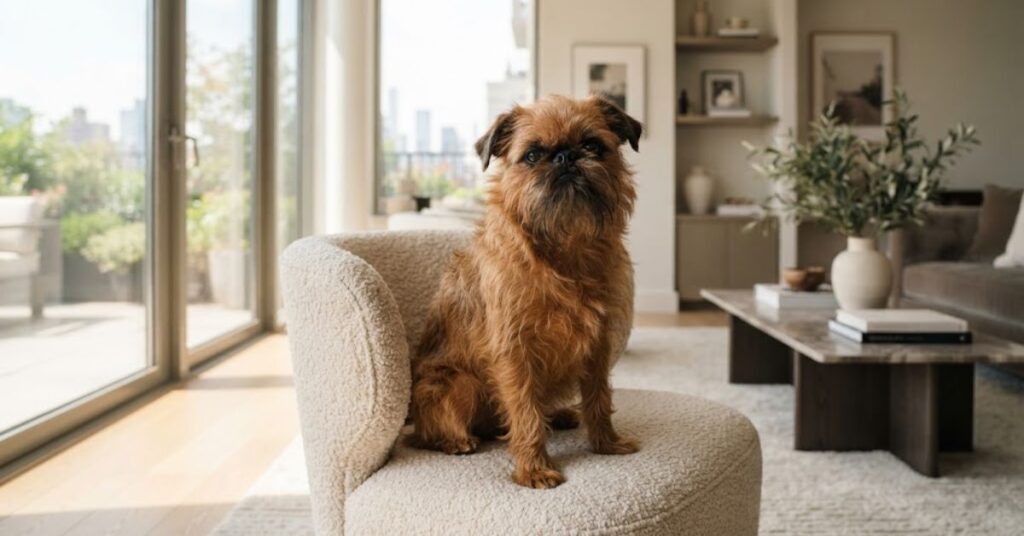
The Brussels Griffon deserves special consideration for owners who want a small, affectionate dog with relatively low shedding. Its rough coat can trap loose hair and generally produces less visible fur around the home than many shedding breeds.
Regular brushing and professional grooming can help keep loose hair under control.
These dogs can be charming, expressive, and strongly attached to their families.
Best for: Apartment dwellers and devoted companion-dog owners.
30. Standard Poodle
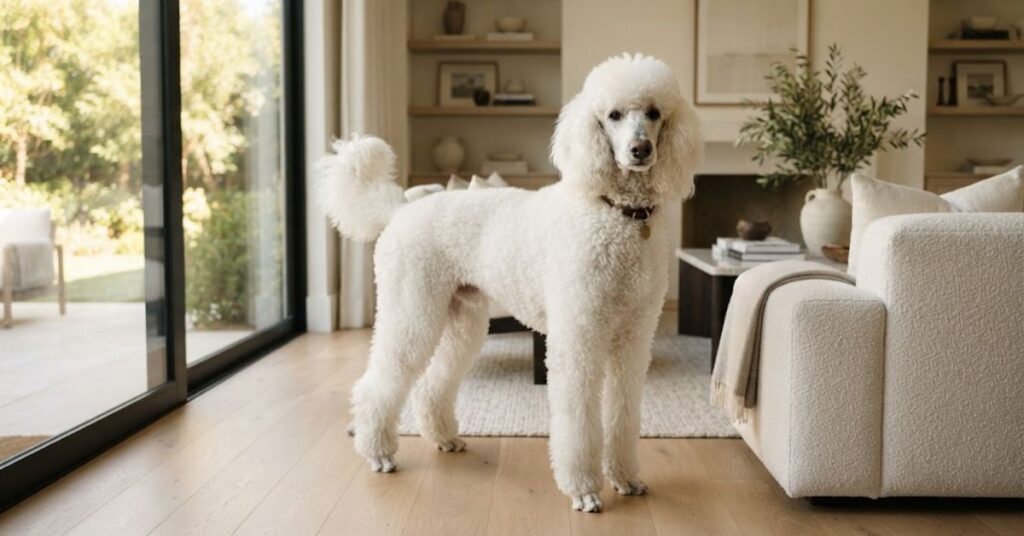
While the Poodle was already mentioned earlier, the Standard Poodle deserves recognition as an excellent option for people seeking a larger low-shedding dog.
Standard Poodles are intelligent, athletic, and highly trainable. Their curly coat generally sheds minimally, but regular professional grooming is a major part of responsible ownership.
They can excel in obedience, agility, swimming, and many other activities.
Best for: Active families and owners who want a larger, highly trainable dog.
Which Low-Shedding Dog Is Best for Your Home?
The best breed depends on much more than the amount of hair it leaves behind.
Before choosing a dog, consider your home, schedule, budget, activity level, grooming commitment, and experience with dogs.
For Apartment Living
Small low-shedding breeds such as the Maltese, Shih Tzu, Bichon Frise, Havanese, Yorkshire Terrier, and Coton de Tulear can work well in apartments.
However, size alone does not determine suitability. Some small dogs are extremely energetic and need substantial daily activity.
For Families With Children
Poodles, Bichon Frises, Havanese, Portuguese Water Dogs, and Soft Coated Wheaten Terriers can be worth considering for families, depending on the individual dog’s temperament and the children’s ages.
Children should always be taught how to interact respectfully with dogs, and interactions between young children and dogs should be supervised.
For Active Owners
Portuguese Water Dogs, Standard Poodles, Lagotto Romagnoli, Irish Water Spaniels, Spanish Water Dogs, and other active breeds may suit people who enjoy hiking, training, swimming, or outdoor adventures.
A low-shedding coat does not mean a low-energy dog.
For People Who Want a Small Companion
Maltese, Havanese, Bichon Frise, Shih Tzu, Coton de Tulear, Bolognese, and Yorkshire Terriers are popular choices for people seeking smaller companion breeds.
For People Who Want a Larger Dog
Standard Poodles, Portuguese Water Dogs, Irish Water Spaniels, Barbet, Spanish Water Dogs, and some other water-dog breeds offer larger low-shedding options.
How Much Grooming Do Low-Shedding Dogs Need?
One of the biggest misconceptions about low-shedding dogs is that they require little grooming.
In reality, the opposite can often be true.
When a dog sheds very little, loose hair may remain trapped within the coat. If it is not removed through brushing or grooming, it can contribute to tangles and mats.
Depending on the breed, grooming may include:
- Regular brushing
- Bathing when needed
- Hair trimming
- Professional grooming
- Nail trimming
- Ear cleaning
- Dental care
- Coat inspections
The exact grooming schedule varies by breed, coat type, lifestyle, and individual dog.
Before choosing a breed, research its grooming requirements carefully. A dog that leaves very little hair on your sofa may require more time and money at the groomer.
How to Keep Dog Hair Under Control at Home
Even with a low-shedding dog, a little hair is normal. A few simple habits can help keep your home looking cleaner.
Brush Your Dog Regularly
Brushing removes loose hair before it ends up on furniture and floors. It can also help distribute natural oils through the coat.
Use a brush designed for your dog’s specific coat type.
Wash Pet Bedding
Dog beds, blankets, and washable covers can collect hair, dirt, and odors. Wash them regularly according to their care instructions.
Keep a Pet Hair Tool Nearby
A reusable lint roller, rubber pet-hair brush, or vacuum attachment can make quick cleanups easier.
Keeping cleaning tools close to the areas where your dog spends the most time can encourage frequent small cleanups instead of occasional major ones.
Vacuum Regularly
Even low-shedding dogs can leave behind small amounts of hair, dander, dirt, and debris.
Vacuum carpets, rugs, upholstery, and floors regularly, paying special attention to your dog’s favorite sleeping spots.
Groom Your Dog Consistently
Professional grooming can be particularly useful for breeds with continuously growing or curly coats.
Keeping the coat at a manageable length can also make brushing and home cleaning easier.
Low-Shedding vs. No-Shedding Dogs
It is important to be realistic when choosing a dog.
There is essentially no such thing as a completely no-shedding dog. Even hairless breeds may have some hair, while coated breeds can lose small amounts of hair.
Instead of looking for a dog that produces absolutely no fur, focus on breeds that naturally shed less and determine whether their grooming requirements fit your lifestyle.
Are Low-Shedding Dogs Easier to Keep Clean?
They can be easier in one specific way: there may be less loose fur around your home.
However, low shedding does not eliminate other forms of mess.
Dogs can still track mud into the house, spill water, leave food crumbs, bring in outdoor debris, and create odors if their bedding and belongings are not cleaned regularly.
In other words, choosing a low-shedding breed can reduce one type of household mess, but it does not eliminate the need for regular pet care and cleaning.
Things to Consider Before Getting a Low-Shedding Dog
Before bringing home any dog, look beyond its coat.
Energy Level
A low-shedding dog can still be extremely energetic. Make sure you can provide enough exercise and mental stimulation.
Grooming Costs
Some low-shedding breeds need frequent professional grooming. Include these expenses in your pet budget.
Temperament
Every breed has general personality tendencies, but individual dogs can differ. Choose a dog whose temperament matches your household.
Size
Consider how much space the dog needs, but remember that exercise requirements do not always correspond directly with size.
Training
Intelligent dogs may learn quickly, but they still need consistent, positive training.
Time Commitment
Dogs need daily care, attention, exercise, feeding, grooming, and companionship.
A low-shedding dog is still a major long-term commitment.
Frequently Asked Questions
What is the best low-shedding dog breed?
There is no single best breed for everyone. Poodles, Bichon Frises, Maltese, Havanese, Portuguese Water Dogs, Schnauzers, and several terrier breeds are popular low-shedding options. The best choice depends on your lifestyle and grooming preferences.
What dog sheds the least?
Hairless breeds such as the Chinese Crested and Xoloitzcuintli can produce very little body hair, while breeds such as Poodles and Bichon Frises are known for minimal shedding. Individual dogs can still vary.
Are Poodles really low-shedding?
Yes. Poodles are generally considered low-shedding dogs because their curly coats tend to retain loose hair. However, their coats require regular brushing and professional grooming.
Do low-shedding dogs still need grooming?
Absolutely. Many low-shedding breeds require regular grooming because loose hair can become trapped in their coats, leading to tangles or mats.
Are low-shedding dogs better for allergies?
Some allergy sufferers may find certain low-shedding breeds easier to live with, but no dog is completely hypoallergenic. Allergic reactions are caused by proteins associated with the dog, not simply loose hair.
Do low-shedding dogs leave no hair on furniture?
No. Low-shedding dogs can still leave some hair behind. The amount is generally much lower than with heavy-shedding breeds, but regular cleaning and grooming are still necessary.
Which low-shedding dog is best for an apartment?
Small breeds such as the Bichon Frise, Maltese, Havanese, Shih Tzu, and Yorkshire Terrier can adapt well to apartment living. However, exercise and mental stimulation are still important.
Are low-shedding dogs expensive to maintain?
They can be. Some low-shedding breeds need regular professional grooming, which can add significantly to annual pet-care costs. Always research grooming needs before choosing a breed.
Final Thoughts
Choosing a low-shedding dog can be a great option if you love having a canine companion but want to reduce the amount of loose fur around your home. From the intelligent Poodle and cheerful Bichon Frise to the affectionate Havanese and athletic Portuguese Water Dog, there is an impressive variety of low-shedding breeds.
However, the coat should only be one part of your decision.
Think about energy level, temperament, size, grooming requirements, training needs, and your family’s lifestyle. A dog that fits your daily routine is far more likely to become a happy and well-adjusted member of your household.
And remember: low-shedding does not mean no grooming and does not guarantee an allergy-free experience.
With the right breed, consistent grooming, regular cleaning, and responsible care, you can enjoy the companionship of a dog while keeping unwanted fur around your home to a much more manageable level.


Leave a Reply