
Why Some Items Should Never Go in a Dishwasher
A dishwasher is one of the most convenient appliances in a modern kitchen. It saves time, reduces daily cleaning effort, and helps keep dishes hygienically clean. However, not every kitchen item is designed to withstand the intense heat, high water pressure, and strong detergents used in a dishwasher.
Many homeowners assume that anything labeled as “dishwasher safe” can survive repeated washing, but some materials can slowly lose their quality even after several cycles. High temperatures can damage protective coatings, harsh detergents can remove finishes, and strong water jets can cause cracks, warping, or dull surfaces.
Knowing the things you should never put in a dishwasher can help you protect your favorite kitchen tools, save money on replacements, and avoid common dishwasher mistakes.
While dishwashers are excellent for everyday plates, bowls, and certain utensils, some valuable items require gentle hand washing. From cast iron cookware to delicate glassware, understanding what belongs in the dishwasher and what does not is an important part of smart kitchen care.
In this guide, we will discuss the most common items that should not go in a dishwasher and explain safer cleaning methods to use instead.
1. Cast Iron Pans
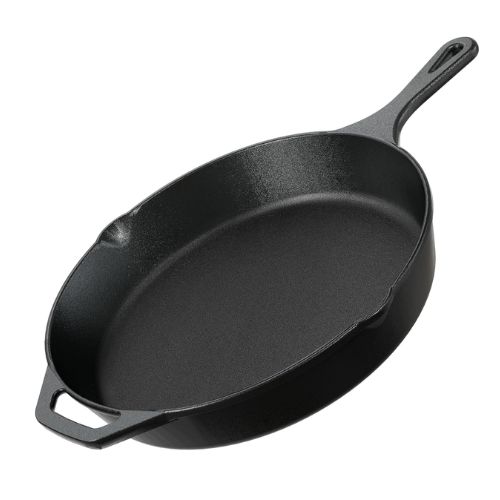
Cast iron pans are one of the most durable and versatile cookware items in any kitchen. They are loved for their excellent heat retention, ability to create crispy textures, and long-lasting performance. However, putting cast iron cookware in a dishwasher is one of the biggest dishwasher mistakes you can make.
Why You Should Never Put Cast Iron in a Dishwasher
Cast iron pans depend on a protective layer called seasoning. This seasoning is created from baked-in layers of oil that protect the metal surface and improve cooking performance.
When a cast iron pan goes through a dishwasher cycle:
- Hot water can remove the seasoning layer
- Strong dishwasher detergents can strip away protective oils
- Excess moisture can cause rust formation
- Repeated washing can make the surface rough and less effective
A damaged cast iron pan may start sticking during cooking and require additional restoration.
How to Clean a Cast Iron Pan Properly
Instead of placing it in the dishwasher, follow these steps:
- Allow the pan to cool after cooking.
- Wipe away food residue with a paper towel.
- Use warm water and a soft brush or sponge.
- Avoid soaking the pan for long periods.
- Dry it completely with a towel.
- Apply a thin layer of cooking oil before storing.
For stubborn food stuck on the surface, sprinkle a small amount of coarse salt and gently scrub instead of using harsh chemicals.
A well-maintained cast iron pan can last for generations when cleaned correctly.
2. Wooden Cutting Boards

Wooden cutting boards add warmth and beauty to a kitchen, but they require special care. They are another item that should not go in the dishwasher because the combination of heat and water can seriously damage the wood.
Why Dishwashers Damage Wooden Cutting Boards
Wood is a natural material that absorbs and releases moisture. During a dishwasher cycle, the board experiences extreme conditions:
- Very hot water
- Long exposure to moisture
- Strong drying heat
- Rapid temperature changes
These conditions can cause:
- Cracking
- Splitting
- Warping
- Surface damage
Once a wooden cutting board develops deep cracks, bacteria can collect inside those areas, making the board harder to clean properly.
The Best Way to Clean a Wooden Cutting Board
To protect your cutting board:
- Wash it immediately after use.
- Use warm water with mild dish soap.
- Scrub gently with a sponge or brush.
- Rinse thoroughly.
- Dry it vertically to allow airflow.
Every few weeks, you can apply food-grade mineral oil to keep the wood hydrated and prevent cracking.
For extra freshness, sprinkle baking soda on the surface and gently scrub. You can also use lemon to help remove odors naturally.
3. Sharp Knives
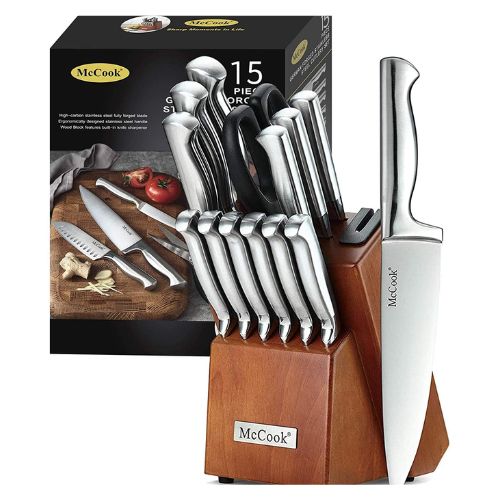
Kitchen knives are essential tools, but placing them in the dishwasher can reduce their performance and shorten their lifespan.
Many people put knives in the dishwasher because it seems easier, but this is one of the most common kitchen cleaning mistakes.
Why Dishwasher Washing Damages Knives
Dishwashers can harm knives in several ways:
1. The Blade Becomes Dull
The powerful water spray inside a dishwasher can move knives around and cause the sharp edge to hit other utensils or dishwasher racks.
Over time, this can make the blade less sharp.
2. Handles Can Become Damaged
Many quality knives have handles made from:
- Wood
- Special materials
- Attached components
Heat and moisture can weaken these materials.
3. Rust and Corrosion Can Develop
Some knives contain high-carbon steel that reacts poorly with prolonged water exposure.
How to Clean Kitchen Knives Safely
The safest method is simple:
- Wash knives by hand immediately after use.
- Use warm water and mild soap.
- Clean the blade carefully with a soft sponge.
- Dry immediately with a towel.
Always store knives properly in a knife block, magnetic strip, or protective cover to maintain their sharpness.
A few extra seconds of hand washing can keep your knives performing like new for years.
4. Crystal Glassware

Beautiful crystal glasses are often used for special occasions, celebrations, and elegant dining. Unfortunately, they are among the most delicate items that should not go in a dishwasher.
Why Crystal Glasses Should Stay Away From Dishwashers
Crystal glass is more fragile than regular drinking glasses. Dishwasher conditions can cause:
- Cracks
- Cloudy appearance
- Loss of shine
- Surface scratches
Strong dishwasher detergents may contain chemicals that slowly damage the smooth surface of crystal.
The heat inside many dishwashers can also create stress on delicate glass, especially when the temperature changes quickly.
How to Wash Crystal Glassware Correctly
For crystal glasses:
- Fill a sink or bowl with warm water.
- Add a small amount of gentle dish soap.
- Wash each glass carefully by hand.
- Avoid holding the glass by the stem while applying pressure.
- Rinse with clean water.
- Dry with a soft microfiber cloth.
For glasses with decorative designs, gold edges, or hand-painted details, hand washing is always the safest option.
Proper care keeps crystal glassware sparkling and prevents expensive replacements.
5. Non-Stick Cookware
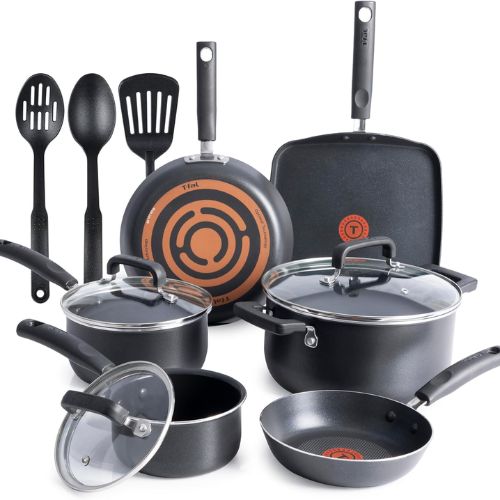
Non-stick pans and pots make cooking easier because food slides off the surface with minimal effort. However, many people accidentally damage their non-stick cookware by placing it in the dishwasher regularly.
Although some manufacturers label certain non-stick items as dishwasher-safe, repeated dishwasher cycles can still reduce their performance over time.
Why Non-Stick Cookware Should Not Go in a Dishwasher
The non-stick coating is designed to create a smooth cooking surface. Strong dishwasher detergents and high temperatures can gradually weaken this protective layer.
Common problems caused by dishwasher washing include:
- Peeling or damaged coating
- Reduced non-stick performance
- Scratches on the cooking surface
- Shorter cookware lifespan
Once the coating begins to break down, food may start sticking, making cooking and cleaning more difficult.
How to Clean Non-Stick Pans Properly
To keep your non-stick cookware in good condition:
- Allow the pan to cool before washing.
- Use warm water and mild dish soap.
- Clean with a soft sponge or microfiber cloth.
- Avoid steel wool or abrasive scrubbers.
- Dry completely before storing.
For stubborn food residue, soak the pan briefly in warm soapy water instead of using harsh cleaning methods.
Using gentle cleaning habits can help your non-stick cookware last much longer.
6. Copper and Brass Items
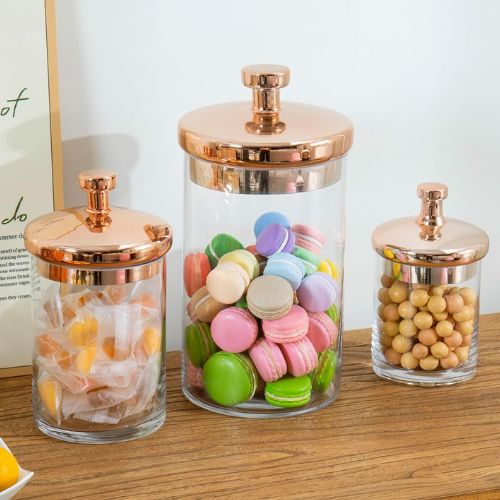
Copper and brass kitchen items are popular because they add a beautiful, classic look to any kitchen. From copper pots to decorative serving pieces, these materials require special care.
Putting copper or brass items in the dishwasher is one of the most damaging dishwasher mistakes because these metals can lose their natural shine and finish.
Why Copper and Brass Should Stay Out of the Dishwasher
Dishwasher detergents are often too harsh for delicate metals. They can cause:
- Tarnishing
- Discoloration
- Dark spots
- Loss of polished appearance
The combination of hot water, chemicals, and long washing cycles can create a dull and uneven surface.
Some copper items also have protective coatings that can be removed in a dishwasher.
The Best Way to Clean Copper and Brass
For safe cleaning:
- Wash items by hand with warm water.
- Use mild dish soap.
- Dry immediately with a soft cloth.
- Polish occasionally using a metal-safe cleaner.
A natural cleaning method for copper is mixing:
- Lemon juice
- A small amount of salt
Apply gently, rinse well, and dry completely.
With proper care, copper cookware can maintain its beautiful appearance for many years.
7. Insulated Travel Mugs and Thermos Containers

Reusable travel mugs and insulated bottles are everyday essentials for many people. They keep coffee hot, water cold, and drinks fresh throughout the day.
However, putting certain insulated containers in the dishwasher can damage their ability to maintain temperature.
Why Travel Mugs Can Be Damaged in Dishwashers
Many insulated mugs contain a vacuum-sealed layer between two walls. This design helps keep beverages hot or cold.
Dishwasher heat and pressure may affect:
- The vacuum seal
- Insulation performance
- Outer coating
- Rubber seals
Some travel mugs also have small openings or components where water can become trapped.
Over time, this can lead to unpleasant odors or reduced effectiveness.
How to Clean Insulated Mugs Safely
The best cleaning method:
- Separate the lid and removable parts.
- Wash with warm water and mild soap.
- Use a bottle brush for hard-to-reach areas.
- Rinse thoroughly.
- Leave all parts open to dry completely.
For odor removal, fill the mug with warm water and baking soda, let it sit for a few hours, then rinse well.
Regular cleaning keeps your reusable mugs fresh and hygienic.
8. Fine Mesh Strainers and Graters
Kitchen tools such as fine mesh strainers, cheese graters, and small kitchen gadgets are convenient but can be difficult to clean properly in a dishwasher.
Although some are technically dishwasher safe, hand washing is often a better choice.
Why These Items Can Be Problematic in Dishwashers
Small food particles can become trapped in tiny spaces, including:
- Fine mesh holes
- Sharp edges
- Small corners
Dishwasher water pressure may not completely remove stuck particles.
Additionally:
- Metal parts may rust
- Sharp edges may become damaged
- Plastic handles may weaken
A dirty strainer can affect food quality and hygiene.
How to Clean Strainers and Graters
Follow these steps:
- Rinse immediately after use.
- Use a small cleaning brush.
- Wash with warm soapy water.
- Pay attention to corners and edges.
- Dry completely before storage.
For cheese graters, cleaning immediately after use prevents cheese from drying and becoming difficult to remove.
9. Antique, Hand-Painted, or Decorative Dishes
Special dishes often have sentimental or financial value. Antique plates, vintage bowls, and hand-painted ceramics should always be treated carefully.
These items are among the most important things you should never put in a dishwasher.
Why Dishwashers Damage Special Dishware
Older and decorative dishes may contain:
- Hand-painted designs
- Gold or silver edges
- Delicate finishes
- Older ceramic materials
Dishwasher heat and detergent can cause:
- Fading colors
- Damaged artwork
- Cracked surfaces
- Removed decorative details
Even one dishwasher cycle may permanently damage valuable pieces.
How to Clean Antique Dishes Safely
For delicate dishware:
- Wash gently by hand.
- Use lukewarm water.
- Choose mild soap.
- Avoid soaking fragile pieces for too long.
- Dry using a soft towel.
Store valuable dishes carefully with protective padding to prevent chips and cracks.
10. Aluminum Cookware and Items
Aluminum kitchen items are lightweight, affordable, and commonly found in many homes. However, they can react poorly to dishwasher conditions.
Why Aluminum Should Not Go in a Dishwasher
Dishwasher detergents are designed to remove tough grease, but they can also react with aluminum surfaces.
Possible problems include:
- Dark gray discoloration
- Loss of shine
- Surface changes
- Rough texture
While aluminum items may still function, their appearance can become damaged.
How to Clean Aluminum Safely
For aluminum cookware:
- Wash by hand with warm water.
- Use mild soap.
- Avoid harsh scrubbers.
- Dry immediately.
For stains, gentle cleaning methods are better than strong chemicals.
How to Know If an Item Is Dishwasher Safe
Before placing any kitchen item in your dishwasher, check:
1. Look for the Dishwasher-Safe Symbol
Many manufacturers include a dishwasher-safe symbol on the bottom of cookware or containers.
2. Check the Manufacturer Instructions
Product instructions will tell you the safest cleaning method.
3. Consider the Material
Ask yourself:
- Is it made from wood?
- Does it have a special coating?
- Is it delicate or decorative?
- Does it contain multiple materials?
When unsure, hand washing is usually the safest option.
Dishwasher Cleaning Tips to Avoid Damage
A clean dishwasher works better and helps protect your kitchen items.
Follow these simple dishwasher cleaning tips:
Clean the Dishwasher Filter Regularly
Food particles collect inside the filter and can affect cleaning performance.
Remove and rinse the filter according to your dishwasher instructions.
Avoid Overloading
A crowded dishwasher prevents proper water circulation and may leave dishes dirty.
Use the Correct Detergent Amount
Too much detergent can leave residue and damage sensitive materials.
Load Items Correctly
Keep sharp objects, delicate items, and plastic containers in suitable areas.
Choose the Right Cycle
Use gentle cycles for fragile dishwasher-safe items and stronger cycles only when necessary.
Common Dishwasher Mistakes to Avoid
Many dishwasher problems happen because of incorrect usage.
Avoid these mistakes:
Putting Everything Inside
Not every kitchen item belongs in a dishwasher.
Using Too Much Detergent
Extra detergent does not mean cleaner dishes. It can leave residue.
Ignoring the Filter
A dirty filter reduces dishwasher performance.
Washing Damaged Items
Cracked or already damaged items can break further during washing.
FAQs
Can I put stainless steel pans in the dishwasher?
Some stainless steel pans are dishwasher safe, but hand washing is often recommended to maintain their shine and prevent discoloration.
What happens if I accidentally put cast iron in the dishwasher?
Remove it immediately, dry it completely, and restore the seasoning layer with a thin coat of oil.
Are wooden spoons dishwasher safe?
No. Wooden spoons can absorb water, crack, and become damaged from dishwasher heat.
Can I wash expensive knives in the dishwasher?
It is better to wash expensive knives by hand because dishwasher cycles can dull blades and damage handles.
How often should I clean my dishwasher?
For best performance, clean your dishwasher filter regularly and perform a deep cleaning about once a month.
Final Thoughts
A dishwasher is a helpful kitchen appliance, but using it correctly is important. Understanding the things you should never put in a dishwasher can protect your cookware, reduce unnecessary expenses, and help your favorite kitchen items last longer.
Items like cast iron pans, wooden cutting boards, sharp knives, crystal glassware, non-stick cookware, and decorative dishes need gentle care instead of harsh dishwasher cycles.
By choosing the right cleaning method for each item, you can maintain a cleaner kitchen and avoid common dishwasher mistakes.
Small changes in your cleaning routine can make a big difference in the lifespan and performance of your kitchen essentials. Keep your dishwasher for the items it was designed for, and give delicate or valuable items the extra care they deserve.









Leave a Reply