
Reduce Your Property Value: Your home is not just a place where you live; it’s one of the most important financial assets you own. For many people, buying a home is a lifelong investment, and maintaining its value should always be a top priority. However, many homeowners unknowingly make mistakes that slowly decrease the value of their property over time. These mistakes are often small and easy to ignore, but their long-term impact can be significant.
In today’s real estate market, buyers are more informed, more selective, and more cautious than ever before. They carefully inspect properties, compare multiple options, and avoid homes that show signs of neglect or poor maintenance. Even minor flaws can create a negative impression and reduce the amount buyers are willing to pay.
The good news is that most of these mistakes are preventable. By understanding what harms property value and taking proactive steps, you can protect your investment and even increase its worth over time.
In this detailed guide, we will explore eight major home mistakes that can reduce your property value, along with practical solutions, real-life insights, and expert tips to help you avoid them.
1. Ignoring Regular Maintenance
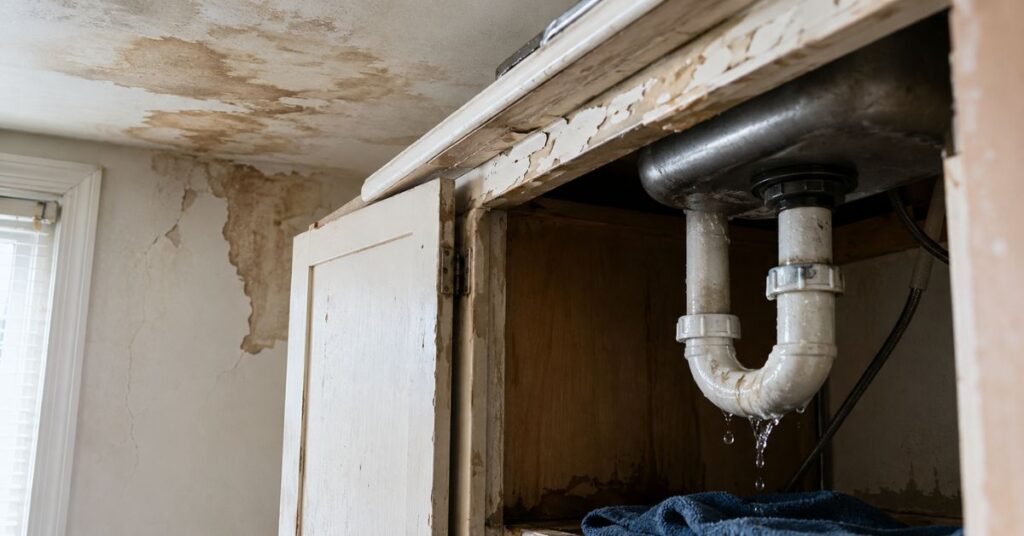
One of the most common and damaging mistakes homeowners make is neglecting regular maintenance. It’s easy to ignore small issues like a dripping faucet, a cracked tile, or peeling paint, especially when life gets busy. However, these minor problems can quickly escalate into major repairs if left unattended.
For example, a small roof leak may not seem urgent at first, but over time it can lead to water damage, mold growth, and structural issues. Similarly, clogged gutters can cause water to overflow and damage your home’s foundation. These problems not only cost more to fix later but also create a negative impression for potential buyers.
Buyers often associate visible maintenance issues with deeper hidden problems. If they see neglect in obvious areas, they may assume that the entire property has not been properly cared for. This can lead to lower offers or even cause buyers to walk away completely.
To avoid this, it’s essential to adopt a proactive approach. Regular inspections, seasonal maintenance, and timely repairs can keep your home in excellent condition. Creating a simple maintenance schedule monthly, quarterly, and yearly can help you stay organized and prevent costly damage.
2. Poor Curb Appeal
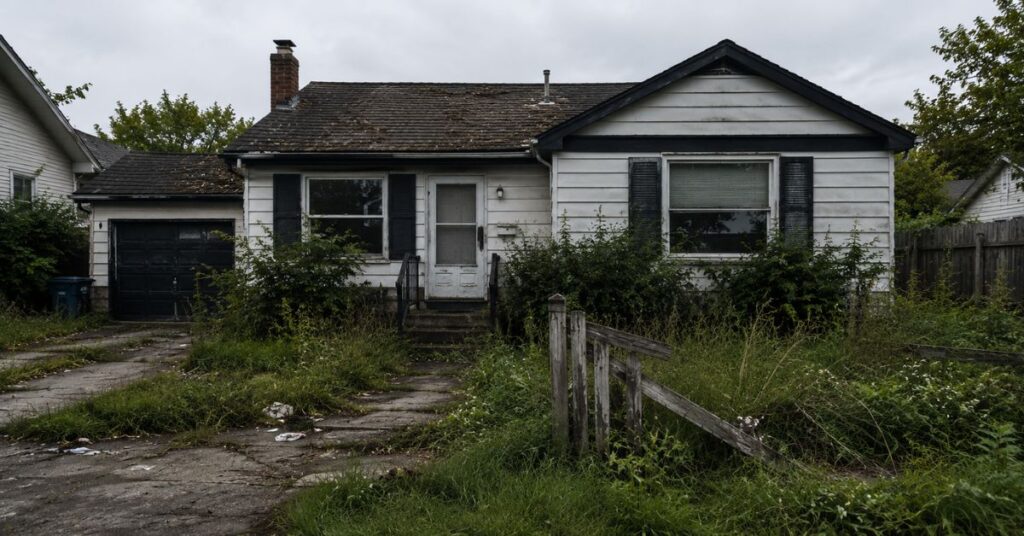
Curb appeal is the first impression your home makes, and it plays a major role in determining its value. Before buyers even step inside, they form an opinion based on how your home looks from the outside. A poorly maintained exterior can immediately turn them away.
Common curb appeal mistakes include overgrown lawns, dirty driveways, peeling exterior paint, broken fences, and neglected landscaping. These issues make the property look unattractive and give the impression that the home has not been well maintained.
On the other hand, a clean, well-maintained exterior creates a welcoming and positive impression. It signals that the homeowner takes pride in the property and has taken good care of it.
Improving curb appeal doesn’t require a large budget. Simple actions like mowing the lawn, trimming bushes, planting flowers, pressure washing the driveway, and repainting the front door can dramatically improve your home’s appearance. Adding outdoor lighting and updating small details like the mailbox or house numbers can also enhance the overall look.
Investing time and effort into curb appeal is one of the easiest ways to increase your property’s value and attract more buyers.
3. Outdated Kitchen and Bathrooms
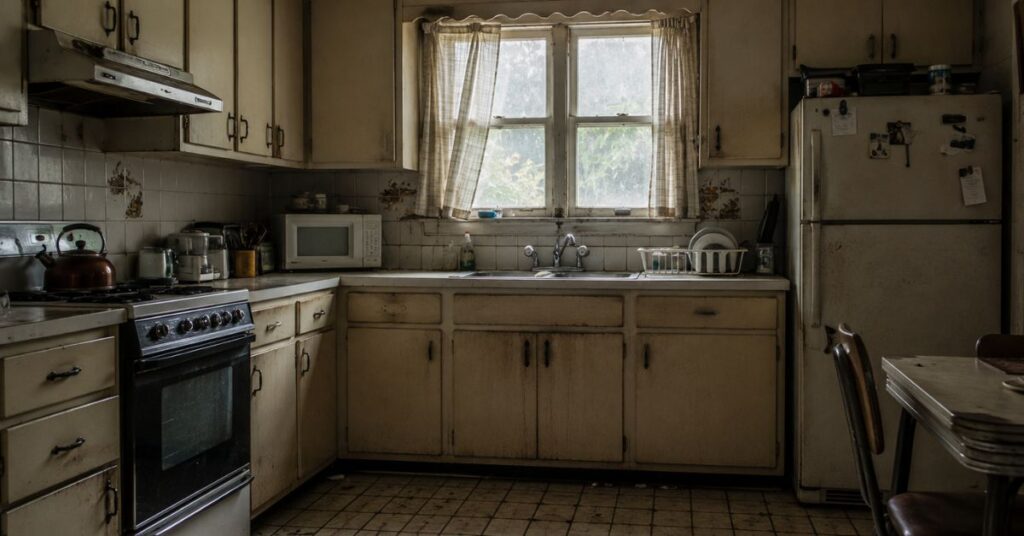
Kitchens and bathrooms are often considered the most important areas in a home. Buyers pay close attention to these spaces, and outdated designs can significantly reduce your property’s appeal.
Old cabinets, worn countertops, outdated appliances, and poor lighting can make your kitchen look unattractive and inefficient. Similarly, outdated bathrooms with old fixtures, dull tiles, and poor ventilation can leave a negative impression.
However, upgrading these areas doesn’t always require a complete renovation. Small, cost-effective improvements can make a big difference. For example, replacing cabinet handles, installing modern lighting, updating faucets, repainting cabinets, or adding a stylish backsplash can transform the look of your kitchen.
In bathrooms, simple upgrades like new mirrors, modern fixtures, fresh grout, and improved lighting can make the space feel clean and updated. These changes can significantly boost your home’s value without requiring a major investment.
4. DIY Repairs Gone Wrong
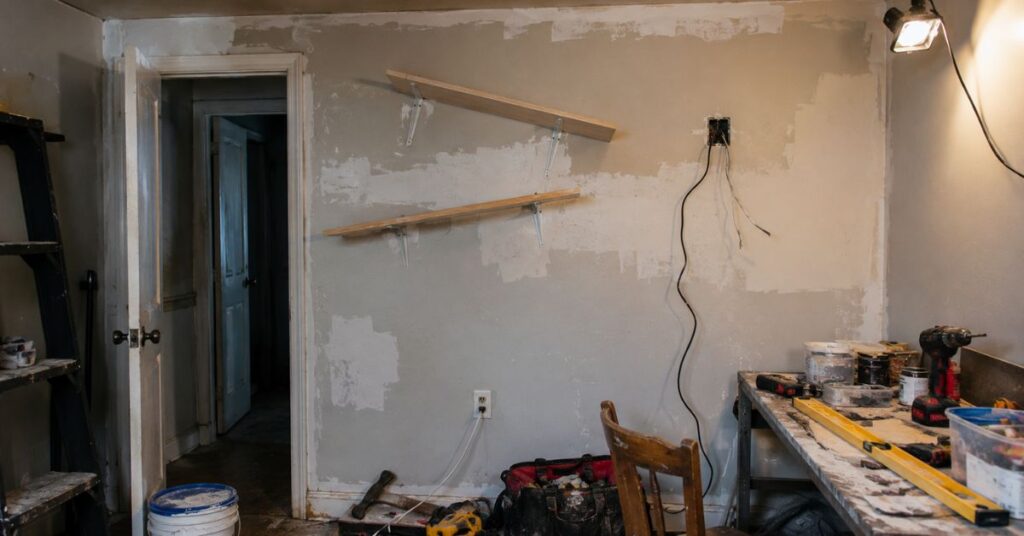
Do-it-yourself (DIY) projects are popular among homeowners who want to save money. While DIY can be effective for simple tasks, poorly executed repairs can do more harm than good.
Uneven paint jobs, poorly installed tiles, exposed wiring, or incorrect plumbing can reduce your home’s value and create safety hazards. Buyers often notice these flaws and may question the overall quality of the property.
In many cases, fixing bad DIY work can cost more than hiring a professional in the first place. That’s why it’s important to understand your limitations.
For basic tasks like painting or minor repairs, DIY can be a good option. However, for complex work such as electrical, plumbing, or structural changes, hiring a qualified professional is always the safer and smarter choice.
5. Over-Personalization

Your home reflects your personality, but excessive personalization can make it harder to sell. Bold wall colors, unique themes, and custom designs may suit your taste, but they may not appeal to potential buyers.
When buyers visit a property, they want to imagine themselves living there. If the home feels too personalized, it becomes difficult for them to visualize their own lifestyle in the space.
Neutral design choices are key to attracting a wider audience. Soft colors, simple decor, and minimal customization create a clean and inviting environment. This allows buyers to focus on the home’s features rather than being distracted by personal design choices.
6. Ignoring Energy Efficiency
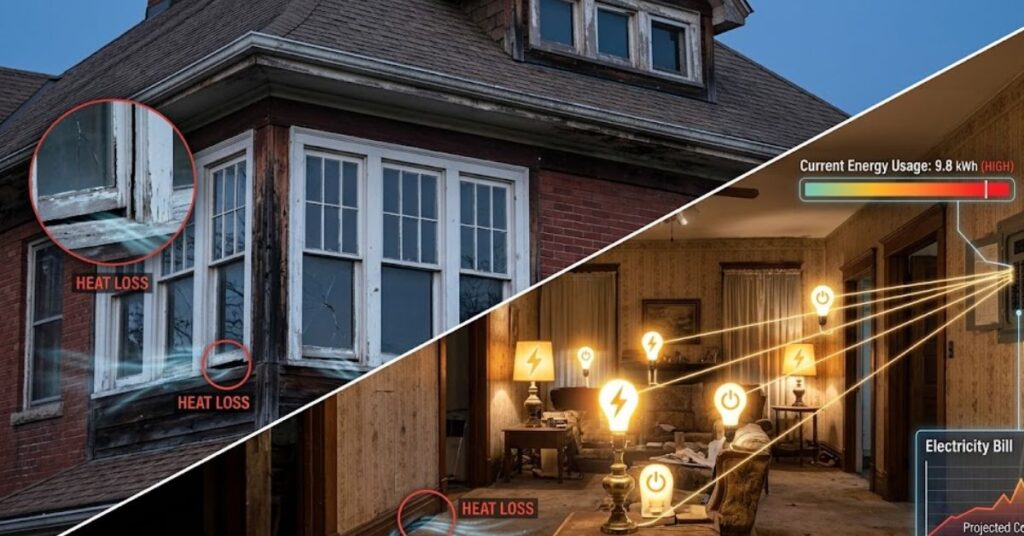
Energy efficiency has become an important factor for modern homebuyers. Rising energy costs and environmental awareness have made buyers more interested in homes that are energy-efficient.
Homes with old windows, poor insulation, outdated appliances, and inefficient lighting often have higher utility bills. This can be a major concern for buyers and reduce your property’s value.
Improving energy efficiency doesn’t have to be expensive. Simple steps like sealing air leaks, adding insulation, switching to LED lighting, and upgrading appliances can make a big difference.
Energy-efficient homes not only attract more buyers but also provide long-term savings, making them more valuable in the market.
7. Clutter and Poor Organization

Clutter is one of the easiest ways to make your home look smaller and less appealing. A cluttered space feels crowded, disorganized, and difficult to navigate.
Buyers prefer clean, open spaces where they can easily visualize their own furniture and belongings. Too much clutter can distract them and make it harder to appreciate the home’s actual features.
Decluttering is a simple but powerful solution. Removing unnecessary items, organizing storage spaces, and keeping surfaces clean can instantly improve your home’s appearance.
Using smart storage solutions, rearranging furniture, and maintaining a tidy environment can make your home feel more spacious and inviting.
8. Delaying Major Repairs
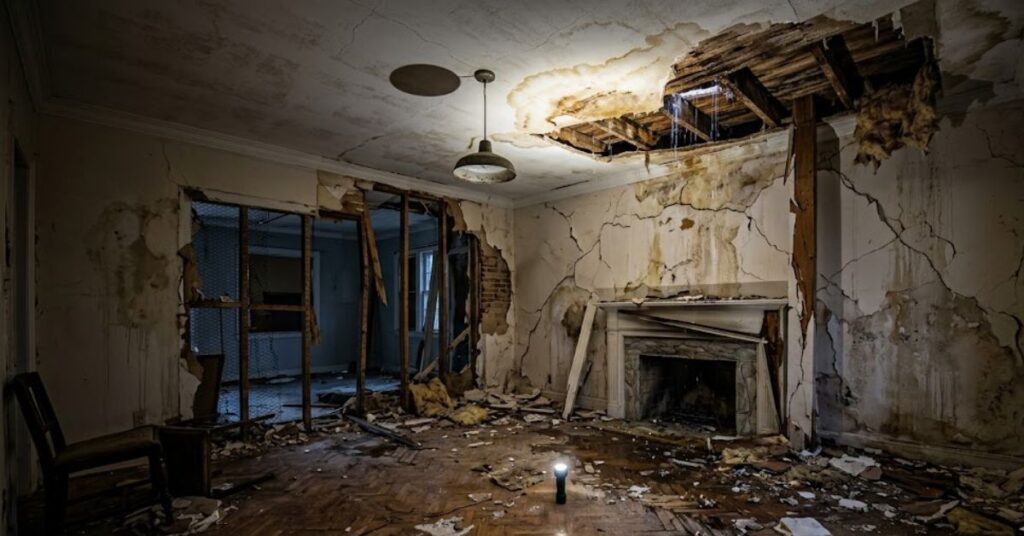
One of the most serious mistakes homeowners make is delaying major repairs. Problems such as roof damage, plumbing leaks, foundation cracks, or electrical issues should never be ignored.
These issues tend to worsen over time, leading to higher repair costs and greater damage. More importantly, they can significantly reduce your property’s value and discourage potential buyers.
Buyers are often unwilling to take on properties with major issues. Even if they are interested, they may demand a lower price to cover the cost of repairs.
Addressing major problems early is essential. While it may require an initial investment, it helps protect your home’s value and ensures a smoother selling process in the future.
Final Thoughts
Maintaining your property value requires consistent effort, smart planning, and attention to detail. By avoiding these common mistakes, you can protect your investment and ensure that your home remains attractive and valuable over time.
A well-maintained home not only provides a better living experience but also offers higher returns when it’s time to sell. Small improvements, regular maintenance, and thoughtful upgrades can make a significant difference.
Quick Checklist for Homeowners
- Perform regular maintenance checks
- Improve curb appeal
- Update kitchens and bathrooms
- Avoid poor DIY repairs
- Keep design neutral
- Improve energy efficiency
- Declutter and organize
- Fix major issues immediately
FAQs
1. What reduces property value the most?
The biggest factors that reduce property value include poor maintenance, structural damage, outdated interiors, and bad location factors. Among these, neglecting major repairs like roof leaks or foundation issues can have the most significant impact.
2. Does home maintenance really affect property value?
Yes, regular home maintenance plays a crucial role in preserving and increasing property value. A well-maintained home creates a positive impression on buyers and prevents small issues from turning into expensive problems.
3. Can DIY repairs lower home value?
Yes, poorly done DIY repairs can reduce property value. Buyers often notice low-quality work, which can lead to lower offers or concerns about safety and hidden issues. It’s best to hire professionals for complex repairs.
4. How can I increase my home value before selling?
You can increase your home value by improving curb appeal, updating kitchens and bathrooms, decluttering, repainting with neutral colors, and fixing all maintenance issues. Even small upgrades can make a big difference.
5. Is energy efficiency important for home value?
Yes, energy efficiency is very important. Homes with energy-efficient appliances, good insulation, and modern windows are more attractive to buyers because they reduce utility costs and provide long-term savings.