
Simple Cleaning Habits: Keeping your home clean doesn’t require spending hours scrubbing every room or dedicating your entire weekend to household chores. In reality, the secret to a consistently tidy home isn’t deep cleaning every day; it’s building simple cleaning habits that become part of your daily routine.
Many homeowners believe that maintaining a spotless house means buying expensive cleaning products or following complicated schedules. However, professional cleaners know that small daily actions create the biggest difference over time. When you practice the right habits, dirt, dust, and clutter never have the chance to pile up.
At True Housekeeping, we believe that a clean home should feel effortless. Instead of waiting until your house becomes overwhelming to clean, you can prevent messes before they start with a few practical routines that fit into even the busiest lifestyle.
Whether you’re managing a busy family, working from home, or simply looking for a smarter way to keep your living space fresh, these simple cleaning habits will help you spend less time cleaning and more time enjoying your home.
In this comprehensive guide, you’ll discover practical techniques that professional housekeepers use every day, why these habits work, and how you can easily adopt them without feeling overwhelmed.
Why Simple Cleaning Habits Matter

Cleaning isn’t about perfection. It’s about consistency.
Most people think they need motivation to clean. The truth is that habits are far more powerful than motivation. When cleaning becomes automatic, your home naturally stays organized without requiring marathon cleaning sessions.
Imagine walking into your kitchen every morning and seeing spotless countertops, an empty sink, and organized cabinets. Imagine never feeling embarrassed when unexpected guests arrive because your home always looks presentable.
That’s exactly what simple cleaning habits can accomplish.
Benefits of Daily Simple Cleaning Habits
- Prevent clutter from building up
- Reduce stress and anxiety
- Improve indoor air quality
- Save time during weekly cleaning
- Protect furniture and appliances
- Make deep cleaning much easier
- Create a healthier home environment
- Reduce household odors
- Extend the life of your belongings
- Make your home more welcoming
According to professional housekeepers, homes that receive small daily attention require significantly less intensive cleaning compared to homes cleaned only once a week.
The Psychology Behind a Clean Home

A clean home doesn’t just look beautiful; it also affects how you feel.
Studies consistently show that organized living spaces can improve concentration, reduce stress, and create a greater sense of calm. When every item has its place and surfaces remain clean, your brain spends less energy processing visual clutter.
This is one reason why professional organizers recommend building simple cleaning habits rather than relying on occasional deep-cleaning marathons.
Instead of asking yourself,
“When will I have time to clean the whole house?”
Ask,
“What can I clean in the next two minutes?”
Small actions repeated daily create remarkable results.
Why Most Cleaning Routines Fail
Many people start ambitious cleaning schedules only to abandon them after a week.
Why?
Because they’re unrealistic.
Common examples include:
- Cleaning the entire house every Saturday
- Washing every window monthly
- Organizing every closet in one weekend
- Deep cleaning every room at once
These routines require too much time and energy.
Professional cleaners recommend focusing on simple cleaning habits instead of perfection.
Tiny daily improvements always outperform occasional massive efforts.
What Makes a Cleaning Habit Stick?
A successful habit should be:
Easy
Simple Cleaning Habits: If it takes less than five minutes, you’re much more likely to do it every day.
Consistent
Doing something daily is easier than remembering to do it once a month.
Visible
When you immediately notice the difference, your brain feels rewarded.
Practical
The habit should fit naturally into your existing routine.
For example:
Instead of scheduling kitchen cleaning…
Clean the countertop while your coffee brews.
Instead of planning laundry day…
Fold clothes immediately after the dryer stops.
These tiny adjustments create lasting habits.
The 5-Minute Rule That Changes Everything
Professional housekeepers often recommend the 5-Minute Rule.
If a cleaning task takes less than five minutes
Do it immediately.
Examples include:
- Wiping bathroom counters
- Returning shoes to the rack
- Hanging jackets
- Washing a few dishes
- Folding blankets
- Emptying small trash bins
- Cleaning spills
- Putting away groceries
These quick actions prevent small messes from becoming overwhelming cleaning projects.
At True Housekeeping, we encourage readers to focus on progress instead of perfection. Even five minutes of cleaning each day can dramatically improve the appearance of your home over time.
Signs Your Home Needs Better Cleaning Habits
Many homeowners assume their house gets dirty too quickly.
In reality, the issue is often inconsistent routines.
Here are some warning signs:
| Problem | Habit That Solves It |
| Clutter on tables | Put items away immediately |
| Dirty dishes pile up | Wash dishes after meals |
| Dust everywhere | Quick daily dusting |
| Laundry mountains | One load every day |
| Full trash bins | Empty regularly |
| Messy entryway | Remove shoes immediately |
| Bathroom stains | Daily wipe-down |
| Sticky kitchen counters | Clean after cooking |
These simple adjustments prevent major cleaning sessions later.
What You’ll Learn in This Guide
In the following sections, you’ll discover five practical habits that professional cleaners rely on every day:
- Habit #1: Never Leave a Room Empty-Handed
- Habit #2: Clean as You Cook
- Habit #3: Follow the One-Minute Rule
- Habit #4: Spend 15 Minutes Resetting Your Home Every Evening
- Habit #5: Clean High-Touch Surfaces Every Day
Each habit is easy to follow, requires very little time, and helps your home stay cleaner for much longer.
Habit #1: Never Leave a Room Empty-Handed

Simple Cleaning Habits: If there is one habit that professional housekeepers consistently recommend, it’s this: Never leave a room empty-handed.
This may sound incredibly simple, but it is one of the most effective simple cleaning habits you can adopt. The concept is straightforward. Every time you leave a room, look around and take at least one item that belongs somewhere else.
For example:
- Take a coffee mug from the living room to the kitchen.
- Carry dirty laundry to the laundry basket.
- Return a book to the bookshelf.
- Bring children’s toys back to their storage area.
- Put shoes back in the closet.
These small actions require only a few seconds, but they prevent clutter from spreading throughout your home.
Why This Habit Works So Well
Most household messes don’t appear overnight.
Instead, they build up gradually.
A jacket gets tossed over a chair.
A coffee mug stays on the side table.
A package sits unopened near the doorway.
A pair of shoes remains in the hallway.
Over time, these small items create visual clutter and make a home feel messy.
The beauty of this habit is that it eliminates clutter before it becomes a problem.
Rather than scheduling a separate decluttering session, you’re constantly maintaining order throughout the day.
The Hidden Cost of Clutter
Many people underestimate how much clutter affects their daily lives.
Research has shown that clutter can:
- Increase stress levels
- Reduce productivity
- Create feelings of overwhelm
- Make cleaning take longer
- Make rooms appear smaller
- Increase dust accumulation
When surfaces are covered with unnecessary items, even basic Simple Cleaning Habits become more difficult.
That’s why many professional organizers consider decluttering the foundation of successful housekeeping.
How to Practice This Habit Daily
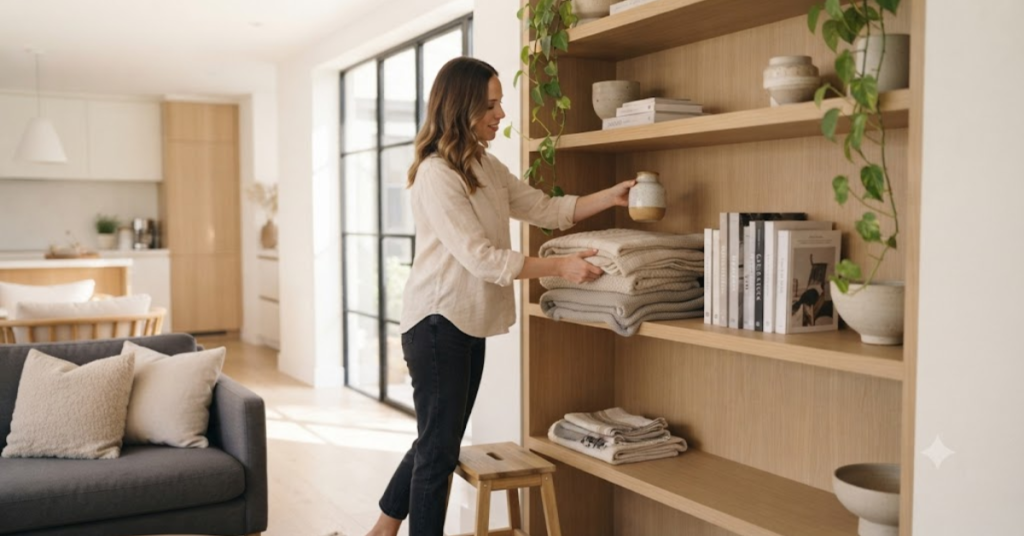
Start small.
You don’t need to carry multiple items every time you leave a room.
Instead:
Step 1: Pause Before Leaving
Before walking out, take a quick look around.
Ask yourself:
“Is there anything here that belongs elsewhere?”
Step 2: Grab One Item
Choose one object.
Examples include:
- A plate
- A toy
- A blanket
- A magazine
- A piece of clothing
Step 3: Put It Away Immediately
Avoid setting the item down halfway.
Take it directly to its proper place.
This prevents creating another clutter hotspot.
Step 4: Repeat Consistently
Over time, this behavior becomes automatic.
Eventually, you’ll do it without even thinking.
Best Rooms for This Habit
Living Room
The living room often becomes a collection point for household clutter.
Common items include:
- Remote controls
- Blankets
- Children’s toys
- Books
- Snack wrappers
- Coffee mugs
Removing even one item every time you leave significantly reduces clutter.
Bedroom
Bedrooms can quickly become messy due to:
- Clothes
- Jewelry
- Water bottles
- Electronics
- Laundry
Returning these items immediately helps maintain a calm environment.
Kitchen
The kitchen benefits greatly from this habit.
Examples include:
- Putting ingredients away after use
- Returning dishes to cabinets
- Emptying grocery bags immediately
These actions prevent countertop clutter.
Common Mistakes to Avoid
Waiting Until Later
One of the biggest mistakes is saying:
“I’ll put it away later.”
Later often becomes tomorrow.
Take care of the item immediately.
Moving Items Without Organizing Them
Don’t simply transfer clutter from one room to another.
Put items in their designated homes.
Trying to Carry Too Much
Keep the habit simple.
One item is enough.
Consistency matters more than quantity.
Professional Housekeeper Tip
At True Housekeeping, we recommend placing small baskets in high-traffic areas.
These baskets can temporarily hold items that belong elsewhere.
At the end of the day, spend five minutes returning everything to its proper place.
This system is especially useful for busy families.
How This Habit Saves Time
Many homeowners spend entire weekends decluttering.
By practicing this habit daily, you eliminate the need for large decluttering sessions.
Instead of spending hours organizing, you’re maintaining order continuously.
This is exactly why it’s considered one of the most effective simple cleaning habits for long-term success.
Habit #2: Clean as You Cook
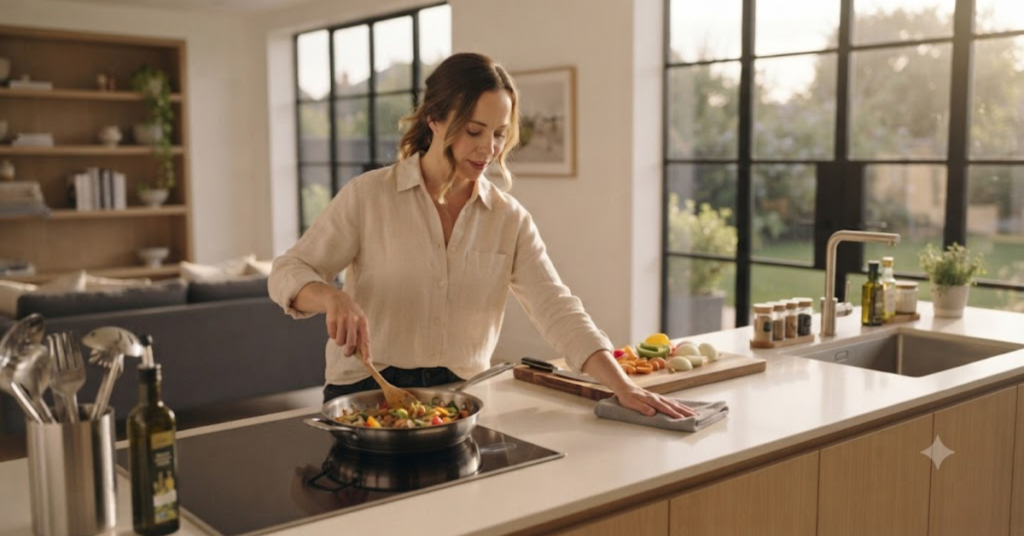
One of the biggest cleaning challenges in any home is the kitchen.
A delicious meal can quickly leave behind:
- Dirty dishes
- Greasy countertops
- Food scraps
- Cooking utensils
- Pots and pans
- Sticky spills
Many people wait until after eating to clean everything.
Unfortunately, this often leads to overwhelming kitchen messes.
The solution?
Clean as you cook.
This is one of the most practical, simple cleaning habits because it uses time that would otherwise be wasted.
What Does “Clean as You Cook” Mean?
It simply means cleaning small messes while preparing food.
For example:
While pasta boils:
- Wipe countertops
- Wash cutting boards
- Put ingredients away
While vegetables roast:
- Load dishes into the dishwasher
- Clean measuring cups
- Sweep crumbs
Instead of waiting until the meal is finished, you’re cleaning throughout the cooking process.
Why This Habit Works
Cooking naturally includes waiting periods.
Examples include:
- Water boiling
- Food baking
- Meat marinating
- Sauces simmering
Most people spend these moments scrolling on their phones.
By using these few minutes for cleaning, you dramatically reduce kitchen mess.
The Benefits of Cleaning as You Cook
Less Stress After Meals
Nobody wants to enjoy dinner and then face a mountain of dirty dishes.
Cleaning during preparation minimizes post-meal work.
Easier Stain Removal
Fresh spills are easier to clean.
Waiting allows food residue to harden.
Better Food Safety
A cleaner kitchen reduces:
- Cross-contamination
- Bacteria growth
- Foodborne illness risks
Faster Daily Cleaning
The kitchen remains manageable throughout the day.
Step-by-Step Clean-As-You-Cook Routine
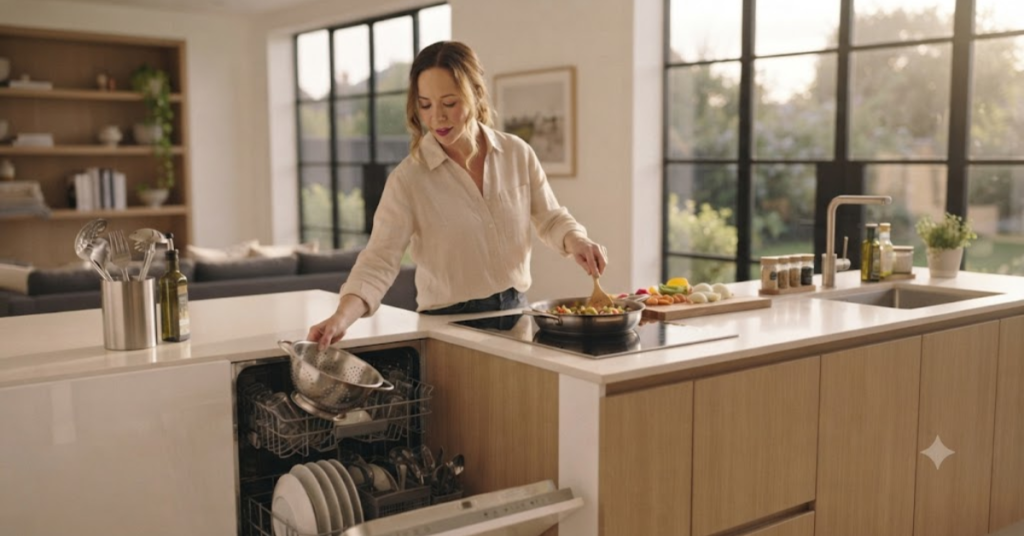
Before Cooking
Gather everything you’ll need:
- Ingredients
- Measuring tools
- Cooking utensils
Preparation reduces unnecessary mess.
While Cooking
As soon as you’re finished using an item:
- Wash it
- Rinse it
- Place it in the dishwasher
Don’t let tools pile up.
Wipe Spills Immediately
Spilled sauce.
Cooking oil.
Water splashes.
Clean them immediately.
Fresh spills take seconds to remove.
Put Ingredients Away
Once you’ve used an ingredient:
- Return it to the pantry
- Place it back in the refrigerator
This keeps counters clear.
Clean the Sink Regularly
Avoid allowing dishes to accumulate.
A clean sink makes the entire kitchen feel cleaner.
Kitchen Areas to Focus On
Countertops
Countertops collect:
- Food particles
- Oil splatters
- Dust
A quick wipe after cooking maintains cleanliness.
Sink
The sink is often the first area guests notice.
Keeping it clean creates an instant impression of a tidy kitchen.
Stove Top
Food splatters become harder to remove when left overnight.
Cleaning immediately saves effort later.
For deeper cleaning guidance, check out your article on How to Clean a Glass Stove Top on True Housekeeping.
Garbage Disposal
Food waste can cause odors.
Regular maintenance prevents unpleasant smells.
You can also refer readers to your guide on How to Clean a Garbage Disposal Drain.
Common Clean-As-You-Cook Mistakes
Leaving Everything for Later
This is the most common problem.
Small messes quickly become major cleaning jobs.
Ignoring Small Spills
Tiny spills often turn into stubborn stains.
Clean them immediately.
Overcrowding the Sink
A sink full of dishes makes the entire kitchen feel messy.
Try to keep it mostly empty.
Expert Tip from True Housekeeping
Professional cleaners often recommend ending every evening with:
- Empty countertops
- A clean sink
- A wiped stove
- Fresh dish towels
This creates a clean starting point for the next day and makes morning routines far more enjoyable.
Why This Habit Helps Your Home Stay Clean Longer
The kitchen is one of the busiest rooms in any home.
If it stays clean, the entire house feels cleaner.
By practicing this habit consistently, you’ll spend less time scrubbing, reduce kitchen odors, and maintain a more organized environment.
Combined with Habit #1, this strategy creates a powerful foundation for long-term cleanliness and is one of the easiest simple cleaning habits anyone can start today.
Bilkul! Neeche Part 3 diya ja raha hai. Isme Habit #3 aur Habit #4 ko Google SEO, EEAT, aur human-written style ke mutabik detail mein cover kiya gaya hai.
Habit #3: Follow the One-Minute Rule
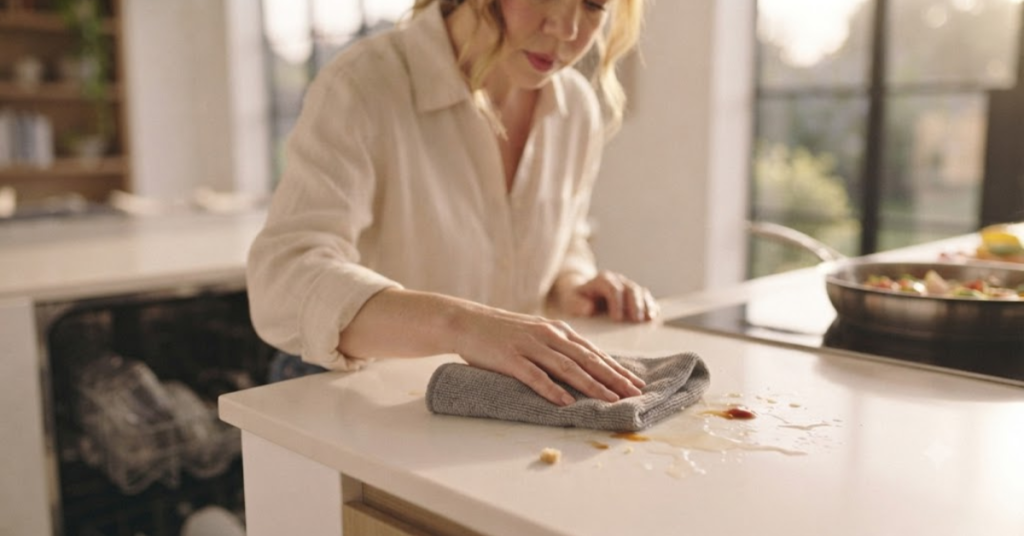
One of the easiest ways to prevent clutter and maintain a tidy home is by following the One-Minute Rule. This simple idea has become popular among professional organizers because it encourages immediate action instead of procrastination.
The rule is straightforward: if a task takes one minute or less to complete, do it immediately instead of putting it off.
Although it sounds simple, this habit can dramatically reduce the amount of cleaning you need to do later. Most household messes begin with small tasks that are ignored throughout the day. A few dirty dishes, a jacket left on a chair, or unopened mail on the counter may not seem like a big deal at first, but these small items quickly add up and make your home feel untidy.
By incorporating the One-Minute Rule into your simple cleaning habits, you’ll stop clutter before it has a chance to spread.
Why the One-Minute Rule Works
Most people postpone tiny tasks because they believe they’ll handle them later. Unfortunately, “later” often turns into tomorrow or even next week.
Completing quick tasks immediately helps you:
- Reduce clutter before it builds up
- Save time during your weekly cleaning routine
- Create a more organized living space
- Develop positive daily habits
- Reduce stress caused by visual mess
The biggest advantage is that these small actions require very little effort but have a significant impact over time.
Everyday Examples of the One-Minute Rule
Here are some practical tasks that usually take less than a minute:
- Hang your coat instead of leaving it on a chair.
- Put your shoes back on the shoe rack.
- Throw junk mail into the recycling bin.
- Wipe toothpaste splatters from the bathroom sink.
- Rinse your coffee mug after using it.
- Fold a blanket after watching TV.
- Put spices back in the cabinet after cooking.
- Wipe a small spill on the kitchen counter.
- Place dirty clothes directly into the laundry basket.
- Return remote controls to the coffee table organizer.
None of these tasks require much time, but together they help keep your home consistently clean.
Where to Apply This Habit
In the Kitchen
The kitchen is one of the busiest areas in any home, making it the perfect place to practice the One-Minute Rule.
Simple actions include:
- Wiping counters after preparing food
- Rinsing dishes before placing them in the dishwasher
- Cleaning small spills immediately
- Returning ingredients to the pantry or refrigerator
If you’re looking for more kitchen maintenance tips, don’t miss How to Clean a Microwave Naturally and How to Clean a Garbage Disposal Drain on True Housekeeping.
In the Bathroom
Bathrooms stay cleaner when small messes are handled right away.
Examples include:
- Wiping the sink after brushing your teeth
- Hanging towels neatly
- Closing toiletries after use
- Cleaning water spots from the mirror
These quick habits prevent soap scum and water stains from building up.
In the Bedroom
Your bedroom should be a relaxing space, not a storage area.
Spend one minute to:
- Make your bed each morning
- Put dirty clothes in the hamper
- Return books to the shelf
- Organize your nightstand
These simple tasks instantly make the room feel cleaner.
Common Mistakes to Avoid
Even though the One-Minute Rule is simple, many people make these mistakes:
Waiting Until the End of the Day
Small tasks are easiest to complete immediately. Waiting until bedtime allows clutter to build up.
Ignoring Small Messes
Tiny spills and crumbs become stubborn stains if left unattended.
Trying to Do Too Much
Remember, the goal isn’t to clean the whole house in one minute. Focus only on tasks that truly take a minute or less.
Habit #4: Spend 15 Minutes Resetting Your Home Every Evening
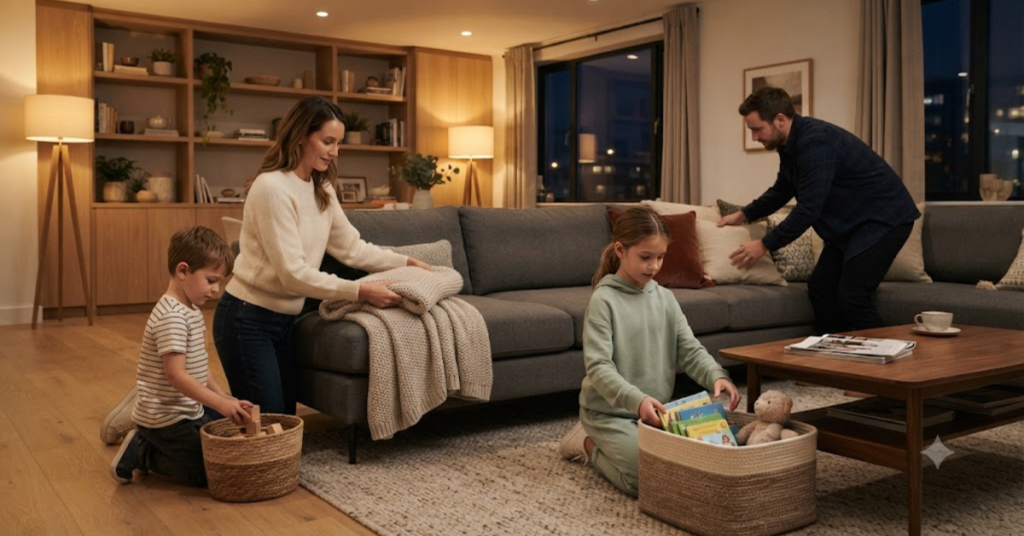
One of the most effective simple cleaning habits is ending each day with a quick home reset.
Instead of waking up to dirty dishes, scattered toys, and cluttered countertops, imagine starting every morning in a clean and organized home.
That’s exactly what a 15-minute evening reset can accomplish.
Professional housekeepers often recommend this habit because it prevents daily messes from carrying over into the next day.
What Is an Evening Reset?
An evening reset is a short cleaning session completed before going to bed.
The goal isn’t deep cleaning; it’s simply restoring your home to a tidy, organized state.
This daily routine usually takes between 10 and 15 minutes and can make your mornings much less stressful.
Why This Habit Is So Effective
Many people leave household chores for the weekend. Unfortunately, this allows clutter to accumulate throughout the week.
A quick evening reset helps you:
- Wake up to a clean home
- Reduce weekend cleaning time
- Prevent clutter from spreading
- Keep surfaces organized
- Lower daily stress levels
Consistency is far more effective than occasional marathon cleaning sessions.
Your 15-Minute Evening Reset Routine
Minute 1–3: Clear the Living Room
- Fold blankets.
- Arrange cushions.
- Put away books and magazines.
- Return remote controls to their place.
A tidy living room creates an inviting atmosphere.
Minute 4–6: Reset the Kitchen
The kitchen is often the last room used each day.
Spend a few minutes to:
- Wash or load dishes into the dishwasher.
- Wipe countertops.
- Clean the stove if needed.
- Empty the sink.
- Take out the trash if it’s full.
These simple steps make mornings much more enjoyable.
Minute 7–9: Organize Entryways
Entryways collect clutter quickly.
Put away:
- Shoes
- Bags
- Jackets
- Keys
An organized entrance creates a positive first impression when you come home.
Minute 10–12: Bathroom Refresh
Take a couple of minutes to:
- Wipe the sink
- Hang towels neatly
- Replace empty toilet paper rolls
- Empty the bathroom trash if needed
Small daily actions prevent major bathroom cleaning sessions later.
Minute 13–15: Final Walk-Through
Walk through your home one last time and look for anything out of place.
Ask yourself:
- Are dishes put away?
- Are lights turned off?
- Is laundry in the basket?
- Are toys stored properly?
- Are countertops clear?
This quick inspection ensures your home is ready for the next day.
Benefits of an Evening Reset
A consistent evening reset offers several long-term benefits:
- Less clutter throughout the week
- Easier weekly cleaning sessions
- Reduced household stress
- Better morning productivity
- A cleaner, more welcoming home
This routine is especially helpful for busy families and anyone working from home.
Common Mistakes During an Evening Reset
Trying to Deep Clean
Remember, this is a reset, not a full cleaning session. Focus on tidying and organizing rather than scrubbing every surface.
Skipping Busy Days
Even if you’re tired, spending just five minutes is better than doing nothing. Consistency is the key to making this habit effective.
Cleaning Alone
If you live with family members, involve everyone. Assign small tasks to each person so the reset becomes a shared responsibility.
Habit #5: Clean High-Touch Surfaces Every Day
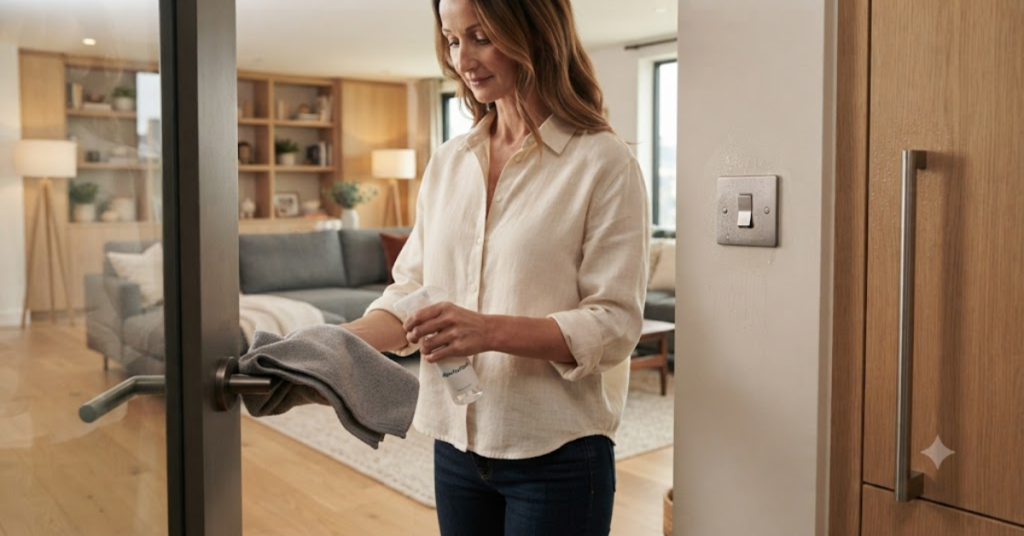
No matter how clean your home looks, certain areas are touched dozens of times every single day. These high-touch surfaces collect fingerprints, dust, grease, and bacteria much faster than other parts of your home. Unfortunately, they are also some of the most commonly overlooked areas during routine cleaning.
Making it a habit to clean these surfaces every day is one of the most effective simple cleaning habits you can develop. It takes only a few minutes, yet it helps your home look cleaner, feel fresher, and stay healthier.
Professional housekeepers know that maintaining these frequently used surfaces prevents dirt from building up and reduces the need for intensive scrubbing later.
What Are High-Touch Surfaces?
High-touch surfaces are the objects and areas you interact with several times throughout the day.
Some of the most common examples include:
- Door handles
- Light switches
- Kitchen cabinet handles
- Refrigerator handles
- Microwave buttons
- Faucet handles
- TV remote controls
- Stair railings
- Coffee table surfaces
- Bathroom sink faucets
- Toilet flush handles
- Cell phones
- Computer keyboards
- Mouse devices
Because these areas are used so often, they can quickly become dirty even if the rest of your home appears clean.
Why Cleaning High-Touch Surfaces Is Important
Many homeowners focus on floors, windows, and furniture while forgetting the places they touch every day.
Cleaning high-touch surfaces regularly offers several benefits:
- Reduces the spread of germs
- Prevents sticky fingerprints
- Keeps surfaces looking polished
- Improves indoor hygiene
- Prevents grease buildup in kitchens
- Helps your home smell fresher
- Makes weekly cleaning much easier
Adding this task to your simple cleaning habits only takes a few minutes but has a noticeable impact on the overall cleanliness of your home.
A Simple Daily Routine for High-Touch Surfaces
You don’t need expensive products or complicated techniques.
Follow this quick routine:
Kitchen
Spend two minutes wiping:
- Refrigerator handles
- Cabinet handles
- Microwave door
- Countertops
- Faucet
This helps remove fingerprints, grease, and food residue before they harden.
Bathroom
Use a microfiber cloth to clean:
- Sink faucet
- Countertop
- Toilet flush handle
- Cabinet handles
- Mirror (if needed)
A quick wipe every day prevents water spots and soap residue from building up.
Living Room
Focus on:
- Coffee tables
- TV remote
- Light switches
- Door handles
- Side tables
These areas collect dust surprisingly quickly.
Home Office
If you work from home, don’t forget:
- Keyboard
- Mouse
- Desk surface
- Chair armrests
- Phone screen
Cleaning these surfaces regularly creates a healthier workspace.
Best Cleaning Products for High-Touch Surfaces
You don’t need an entire cabinet full of cleaning supplies.
A few essentials are enough:
- Microfiber cloth
- All-purpose cleaner
- Disinfecting wipes
- White vinegar solution (for suitable surfaces)
- Mild dish soap and warm water
Always follow the manufacturer’s instructions, especially when cleaning electronics or delicate finishes.
Common Mistakes to Avoid
Using Too Much Cleaner
Applying excessive product can leave streaks or sticky residue that attracts more dust.
Forgetting Electronics
Remote controls, keyboards, and phones are among the dirtiest items in most homes. Clean them regularly using products that are safe for electronics.
Cleaning Only When They Look Dirty
High-touch surfaces often collect germs before visible dirt appears. Make daily cleaning a habit instead of waiting until they look messy.
A Simple Daily Cleaning Routine That Actually Works
Many people think maintaining a clean home requires hours of work every day. The truth is that a consistent routine made up of small tasks is far more effective than occasional deep-cleaning marathons.
The following schedule is practical, realistic, and easy to follow, even if you have a busy lifestyle.
Morning Cleaning Routine (5–10 Minutes)
Starting your day with a few simple tasks sets the tone for a cleaner home.
Make Your Bed
Making your bed immediately makes your bedroom look more organized and encourages you to keep the rest of the room tidy.
Open Windows
Allow fresh air to circulate through your home for a few minutes. This helps reduce odors and creates a fresher environment.
Put Away Clothes
Return clean clothes to the closet and place dirty clothes directly into the laundry hamper instead of leaving them on the floor.
Wipe Bathroom Surfaces
After brushing your teeth and washing your face, quickly wipe the sink and faucet with a microfiber cloth.
Afternoon Cleaning Routine (5 Minutes)
If you’re home during the day, use a few spare minutes to stay ahead of clutter.
Clean as You Cook
Wash utensils, wipe countertops, and return ingredients to their proper places while preparing meals.
For more kitchen cleaning advice, explore How to Clean a Glass Stove Top and How to Clean a Microwave Naturally on True Housekeeping.
Put Things Back Immediately
Whether it’s books, toys, or mail, return items to their proper place as soon as you’re finished using them.
Evening Cleaning Routine (15 Minutes)
This is the most important part of your day.
A quick evening reset prevents clutter from carrying over to tomorrow.
Kitchen
- Wash dishes
- Wipe countertops
- Clean the sink
- Empty the trash if necessary
Living Room
- Fold blankets
- Arrange cushions
- Return remotes and magazines
Entryway
- Put shoes away
- Hang jackets
- Organize bags
Bathroom
- Wipe the sink
- Replace hand towels if needed
- Check toiletries
Ending the day with these small tasks helps your home stay consistently clean.
Weekly Cleaning Checklist
Daily habits keep your home tidy, but weekly tasks are still necessary to maintain a truly clean living space.
| Day | Cleaning Task |
| Monday | Dust furniture and shelves |
| Tuesday | Vacuum carpets and rugs |
| Wednesday | Clean bathrooms thoroughly |
| Thursday | Mop all hard floors |
| Friday | Deep clean the kitchen |
| Saturday | Wash bedding and towels |
| Sunday | Declutter and organize each room |
Following this schedule prevents chores from becoming overwhelming.
Common Cleaning Mistakes That Make Your Home Dirty Faster
Even with good intentions, certain habits can make your home feel messy again shortly after cleaning.
Avoid these common mistakes:
Leaving Dishes in the Sink Overnight
Dirty dishes create unpleasant odors and make the kitchen look untidy.
Ignoring Small Spills
Fresh spills are easy to clean, but dried stains require much more effort.
Using Dirty Cleaning Tools
A dirty mop or microfiber cloth spreads dirt instead of removing it. Wash cleaning tools regularly.
Letting Laundry Pile Up
Doing one small load every few days is much easier than tackling overflowing laundry baskets.
Skipping Decluttering
Cleaning around clutter wastes time and makes rooms feel disorganized.
Forgetting Frequently Used Areas
Door handles, light switches, and remote controls should be part of your regular cleaning routine.
FAQs
1. What are the best simple cleaning habits to keep a home clean?
The best simple cleaning habits include making your bed every morning, cleaning as you cook, never leaving a room empty-handed, wiping high-touch surfaces daily, and spending 15 minutes resetting your home each evening. These small routines prevent clutter and dirt from building up, making your home easier to maintain.
2. How can I keep my house clean every day without spending hours cleaning?
You don’t need to spend hours cleaning every day. Instead, focus on small daily tasks such as washing dishes immediately after meals, putting items back where they belong, wiping kitchen counters, and doing a quick evening reset. Consistent simple cleaning habits help keep your home tidy with minimal effort.
3. How many minutes should I clean each day?
Most professional cleaners recommend spending 15 to 20 minutes each day on basic cleaning tasks. A short daily routine is far more effective than waiting until the weekend to clean the entire house.
4. Why does my home get messy so quickly?
Homes usually become messy because clutter isn’t dealt with immediately. Dirty dishes, laundry, mail, shoes, and other everyday items accumulate over time. Following simple cleaning habits every day prevents these small messes from turning into overwhelming cleaning jobs.
5. What is the One-Minute Rule in cleaning?
The One-Minute Rule means that if a task takes one minute or less to complete, you should do it immediately. Examples include hanging up a coat, wiping a spill, putting shoes away, or throwing away trash. This habit helps prevent clutter from building up throughout the day.
Conclusion
Keeping your home clean doesn’t have to mean spending every weekend scrubbing floors or tackling endless chores. The secret is creating simple cleaning habits that naturally fit into your daily routine. Small actions like putting things away immediately, cleaning as you cook, wiping down high-touch surfaces, and spending just a few minutes resetting your home each evening can make a remarkable difference over time.
Remember, consistency always beats perfection. A few intentional minutes of cleaning each day can prevent clutter from piling up, reduce stress, and make your home feel more welcoming for both your family and unexpected guests.