
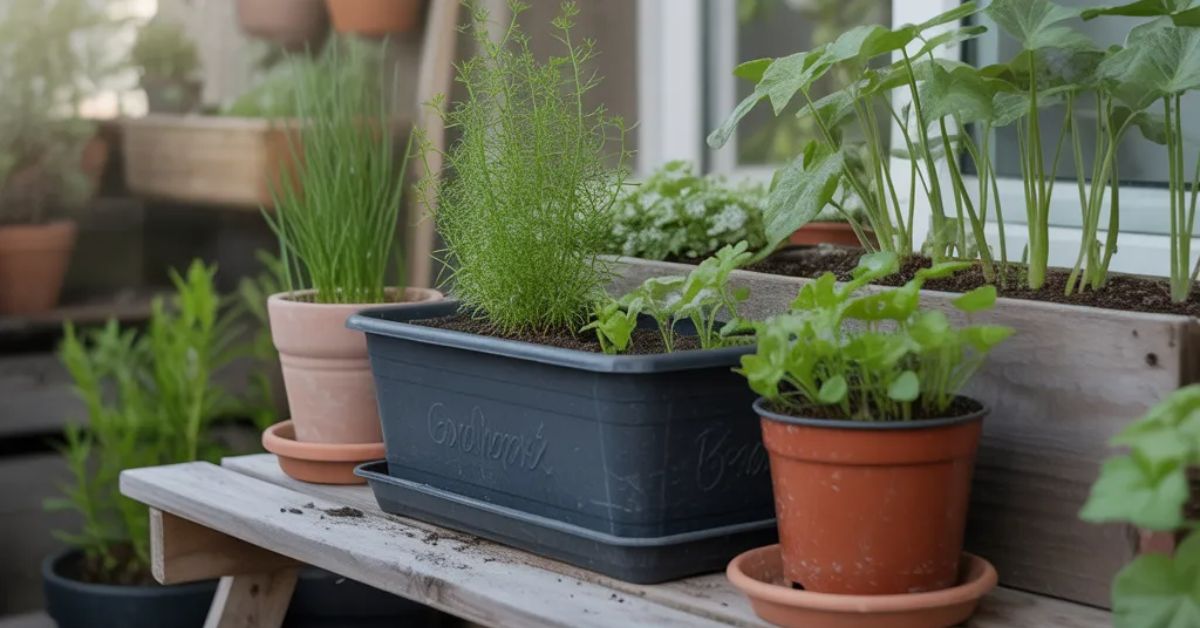
First, starting a sustainable garden might seem overwhelming, especially if you’ve never grown a single plant before. But the truth is, anyone can do it. You don’t need a big backyard, expensive tools, or years of experience. With the right approach, even a small balcony or a few pots can turn into a thriving, eco-friendly garden.
A sustainable garden isn’t just about growing plants; it’s about working with nature instead of against it. It helps conserve water, reduce waste, support biodiversity, and even improve your mental well-being. Whether you want fresh vegetables, beautiful flowers, or simply a peaceful green space, this guide will walk you through everything step by step.
What Is a Sustainable Garden?
A sustainable garden is designed to be environmentally friendly and resource-efficient. It focuses on:
- Using natural methods instead of chemicals
- Conserving water and soil
- Supporting local wildlife
- Reducing waste through composting and recycling
Unlike traditional gardening, which often relies on synthetic fertilizers and excessive watering, sustainable gardening creates a balanced ecosystem.
Why Start a Sustainable Garden?
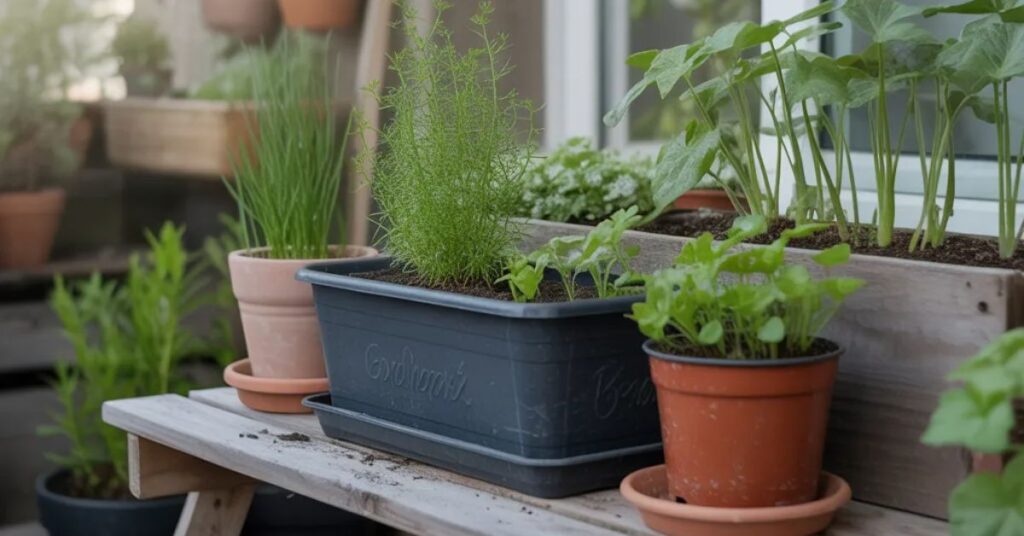
Before you begin, it’s important to understand why it’s worth the effort.
1. Saves Money
Growing your own fruits, vegetables, and herbs reduces grocery costs over time.
2. Healthier Food
Homegrown produce is free from harmful chemicals and pesticides.
3. Helps the Environment
You reduce your carbon footprint and support pollinators like bees and butterflies.
4. Mental Peace
Gardening is known to reduce stress and improve mood.
Step 1: Starting a sustainable garden as a beginner is easy.
One of the biggest mistakes beginners make is trying to do too much at once.
Start with:
- A few pots
- A small raised bed
- Easy-to-grow plants
This helps you learn without feeling overwhelmed.
Tip: Even a sunny window can be enough to begin.
Step 2: Choose the Right Location for a Sustainable Garden for Beginners
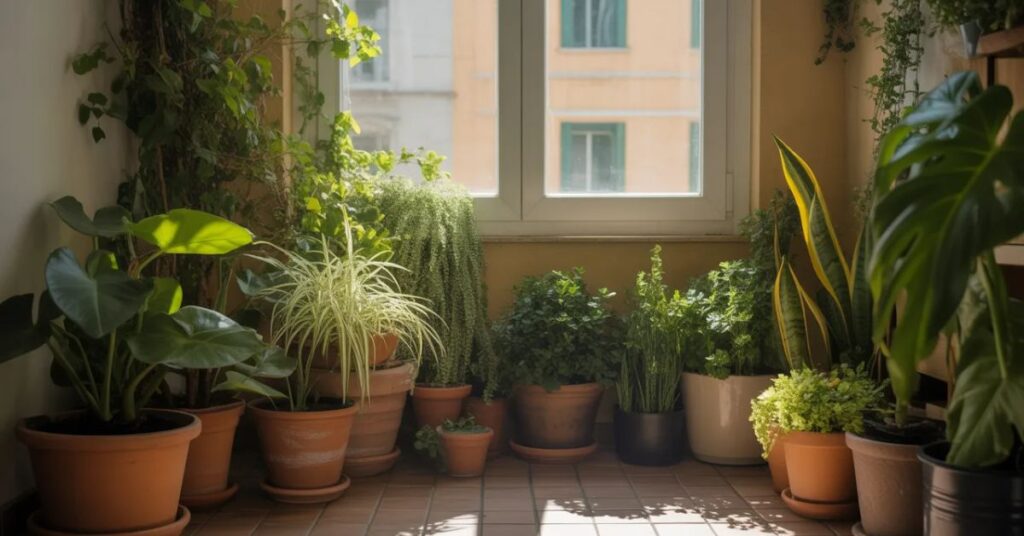
First, choose the right location.
Plants need sunlight to grow. Most vegetables and flowers require:
- 6–8 hours of sunlight daily
Observe your space:
- Balcony
- Rooftop
- Backyard
- Window area
Choose the spot that gets the most sunlight.
Step 3: Understand Your Soil
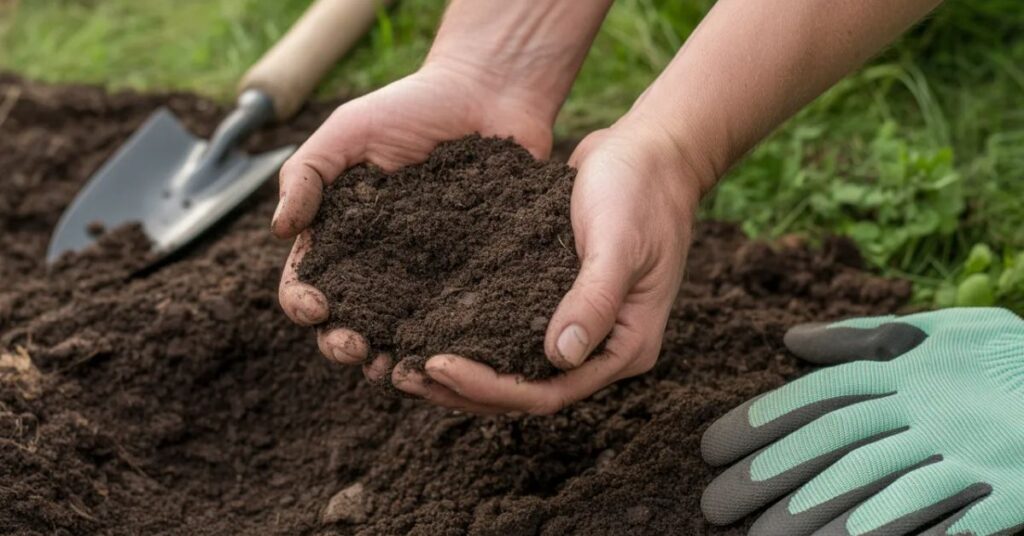
Next, prepare your soil.
Healthy soil is the foundation of a sustainable garden.
Good Soil Should Be:
- Loose and well-drained
- Rich in organic matter
- Dark and crumbly
Improve Your Soil Naturally:
- Add compost
- Use dried leaves
- Mix kitchen waste compost
Avoid chemical fertilizers, as they damage the soil over time.
Step 4: Start Composting
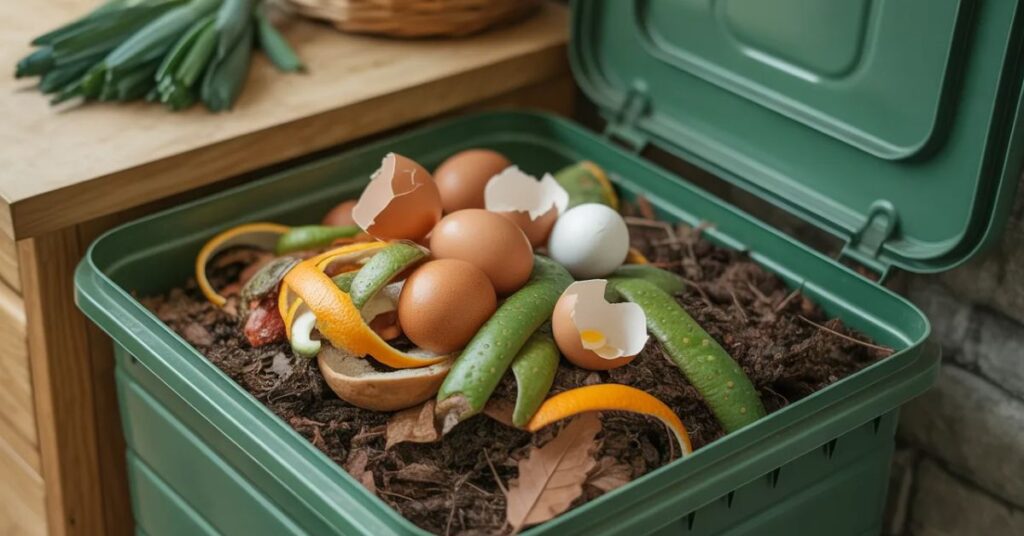
Composting is one of the most important parts of sustainability.
What You Can Compost:
- Fruit and vegetable peels
- Tea bags
- Eggshells
- Dry leaves
What to Avoid:
- Meat
- Dairy
- Oily food
Benefits:
- Reduces waste
- Improves soil naturally
- Saves money on fertilizers
You can start composting in a bucket, even in a small home.
Step 5: In a sustainable garden for beginners, water plants regularly in the morning.
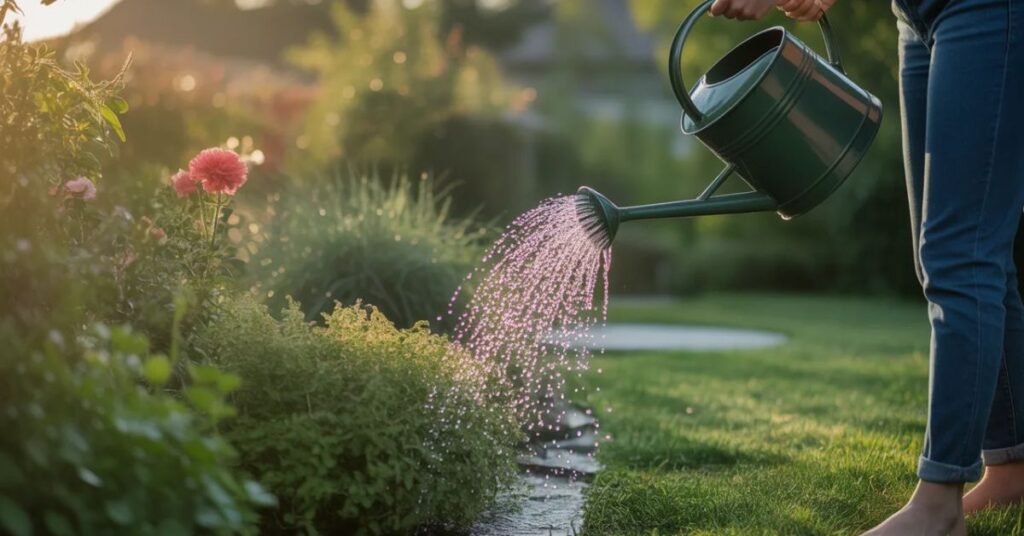
Water conservation is key in sustainable gardening.
Smart Watering Tips:
- Water early morning or evening
- Avoid watering in strong sunlight
- Use a watering can instead of a hose
Advanced Ideas:
- Collect rainwater
- Reuse kitchen water (like vegetable rinse water)
Overwatering is a common beginner mistake. Plants need moisture, not flooding.
Step 6: Choose the Right Plants
Pick plants that are easy to care for and suitable for your climate.
Beginner-Friendly Plants:
- Mint
- Coriander
- Tomatoes
- Spinach
- Chillies
Native Plants
Native plants require less water and care because they are adapted to your environment.
Step 7: Support Pollinators
Pollinators like bees and butterflies are essential for plant growth.
How to Attract Them:
- Grow flowers like marigolds and sunflowers
- Avoid pesticides
- Provide small water sources
A sustainable garden welcomes life, not just plants.
Step 8: Avoid Chemicals
Chemical pesticides and fertilizers harm:
- Soil
- Water
- Beneficial insects
Natural Alternatives:
- Neem oil spray
- Garlic spray
- Soap water for pests
These methods are safe and effective.
Step 9: Practice Companion Planting
Some plants grow better together.
Examples:
- Tomatoes + Basil
- Carrots + Onions
Benefits:
- Reduces pests
- Improves growth
- Saves space
Step 10: Mulching for Soil Health
Mulching means covering the soil with natural materials.
Materials You Can Use:
- Dry leaves
- Straw
- Grass clippings
Benefits:
- Retains moisture
- Prevents weeds
- Keeps soil cool
Step 11: Use Recycled Materials
You don’t need expensive pots.
Creative Ideas:
- Plastic bottles
- Old buckets
- Broken containers
This reduces waste and saves money.
Step 12: Work With Seasons
Different plants grow in different seasons.
Examples:
- Winter: spinach, peas
- Summer: tomatoes, chillies
Planting according to season ensures better results.
Step 13: Grow Your Own Food
Start with simple vegetables and herbs.
Easy Food Crops:
- Tomatoes
- Lettuce
- Green onions
- Herbs like basil and mint
Fresh, homegrown food tastes better and is healthier.
Step 14: Learn About Natural Pest Control
Not all insects are bad.
Helpful Insects:
- Ladybugs (eat pests)
- Bees (pollination)
Natural Pest Control Methods:
- Hand-picking pests
- Neem spray
- Plant diversity
Step 15: Be Patient and Consistent
Gardening is not instant.
- Plants take time to grow
- Mistakes will happen
- Some plants may fail
But every failure teaches something new.
Sustainable Gardening Tips for Small Spaces
If you live in an apartment, don’t worry, you can still garden.
Try:
- Container gardening
- Vertical gardening
- Hanging pots
Even a small space can become green and productive.
Common Beginner Mistakes to Avoid
Overwatering
Too much water kills plants.
Using Too Many Chemicals
Stick to natural methods.
Ignoring Sunlight Needs
Every plant has different light requirements.
Planting Too Much at Once
Start small and expand slowly.
Benefits You’ll Notice Over Time
As your garden grows, you’ll experience:
- Fresher food
- Lower grocery bills
- Better mental health
- A deeper connection with nature
Final Thoughts
Starting a sustainable garden may seem challenging, but it’s actually one of the most rewarding things you can do. You don’t need perfection, just a willingness to learn and grow.
Begin with small steps:
- One plant
- One pot
- One habit
Over time, these small efforts turn into a thriving, eco-friendly garden that benefits both you and the planet.
Remember: sustainability is not about doing everything perfectly; it’s about doing something consistently.









Leave a Reply