
When you want a comforting bowl of pasta but also want a meal that feels nutritious and satisfying, this Protein-Packed Pasta with Chickpeas is an excellent choice. It combines tender pasta, hearty chickpeas, flavorful tomatoes, garlic, herbs, and a few simple ingredients to create a filling dinner that is easy enough for a busy weeknight. The chickpeas add plant-based protein and fiber, while the pasta provides carbohydrates that make the meal satisfying and comforting.
This recipe is especially useful when you want to prepare a wholesome meal without spending hours in the kitchen. Most of the ingredients are affordable pantry staples, and the entire dish can be customized according to what you already have at home. You can make it vegetarian as written, add vegetables for extra nutrition, or adjust the seasonings to suit your taste.
Whether you are looking for an easy meatless dinner, a budget-friendly pasta recipe, or a delicious way to add more chickpeas to your diet, this protein-packed pasta is a simple recipe worth keeping in your weekly rotation.
Why You’ll Love This Protein-Packed Pasta
There are plenty of reasons to make this chickpea pasta recipe. First, it is simple. You do not need complicated ingredients or advanced cooking skills to prepare it. The combination of pasta and chickpeas creates a hearty texture, while tomatoes, garlic, herbs, and olive oil bring plenty of flavor.
Another reason to love this recipe is its flexibility. You can use your favorite pasta shape, add vegetables from your refrigerator, increase the herbs, or make the sauce creamier if you prefer. It is also an excellent option for meal preparation because the leftovers can be refrigerated and enjoyed later.
Most importantly, chickpeas make the meal more filling than a basic bowl of pasta. They provide plant-based protein and dietary fiber, helping turn ordinary pasta into a more balanced and satisfying meal.
What Makes Chickpeas So Good in Pasta?
Chickpeas are one of the easiest ingredients to add to pasta dishes because their mild, slightly nutty flavor works well with tomato sauces, garlic, herbs, cheese, and olive oil. Their soft but firm texture also adds substance to the dish.
Instead of preparing a separate protein source, you can simply stir chickpeas directly into the pasta sauce. This makes the recipe convenient while adding more texture and nutritional value.
Canned chickpeas are particularly useful for busy cooks because they are already cooked. After draining and rinsing them, they can go straight into the sauce. If you prefer using dried chickpeas, you can cook them ahead of time and use them in the same recipe.
Ingredients You’ll Need
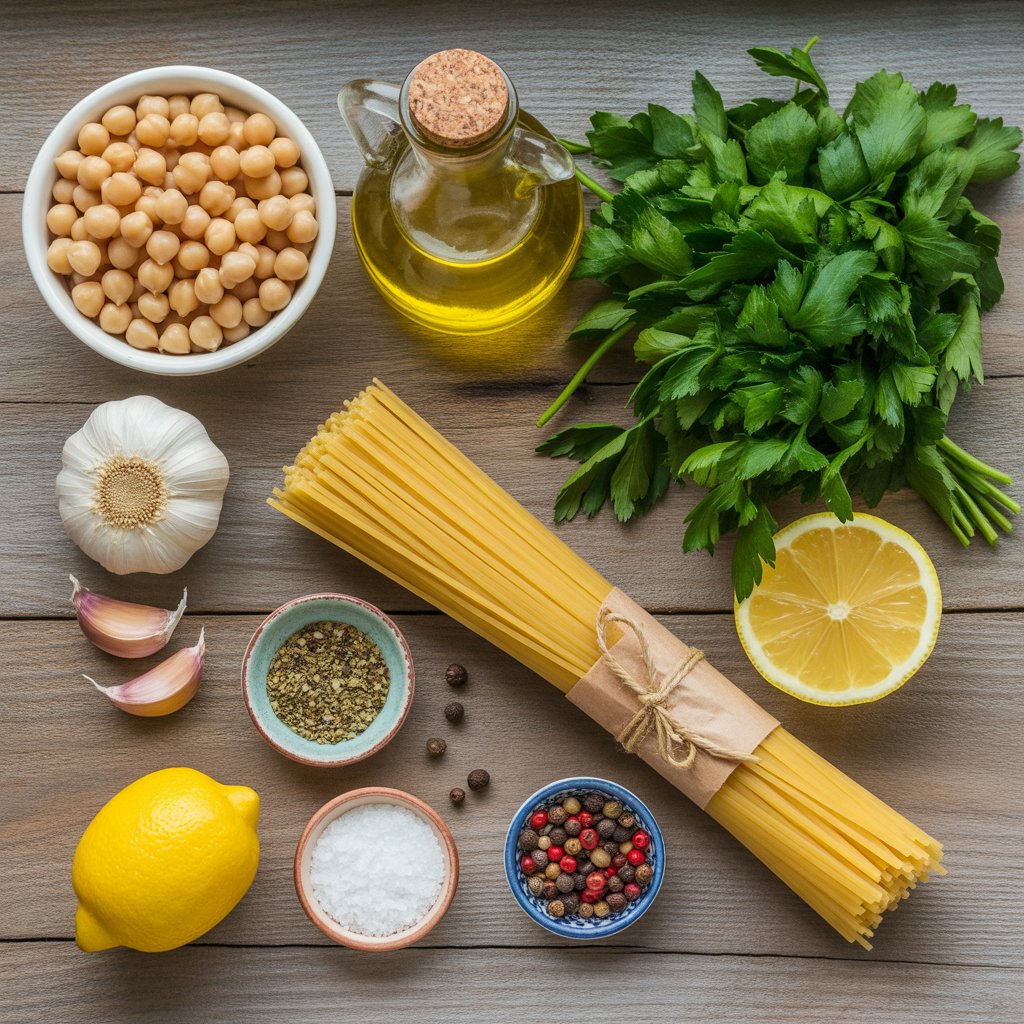
For this easy protein-packed pasta with chickpeas, you will need pasta, chickpeas, tomatoes, garlic, olive oil, herbs, and a few basic seasonings.
Use about 12 ounces of your favorite pasta. Penne, rigatoni, fusilli, shells, spaghetti, or whole-wheat pasta can all work well. If you want to increase the fiber content, whole-wheat pasta is a convenient option.
You will also need one can of chickpeas, drained and rinsed. A standard 15-ounce can works well for this recipe. If you are cooking chickpeas from scratch, use approximately 1½ to 2 cups of cooked chickpeas.
For the sauce, use about 2 cups of crushed or diced tomatoes. Fresh tomatoes can also be used when they are ripe and flavorful, although canned tomatoes are convenient and provide consistent results throughout the year.
Garlic adds a savory foundation to the dish. Freshly minced garlic provides the strongest flavor, but jarred minced garlic can work when you need a faster option.
Extra-virgin olive oil adds richness and helps carry the flavors of the garlic and herbs throughout the sauce. You can also use a small amount of red pepper flakes if you enjoy a little heat.
Fresh or dried Italian herbs, such as oregano and basil, complement the tomatoes and chickpeas beautifully. Finish the pasta with freshly grated Parmesan cheese if desired, along with fresh basil or parsley.
How to Make Protein-Packed Pasta with Chickpeas
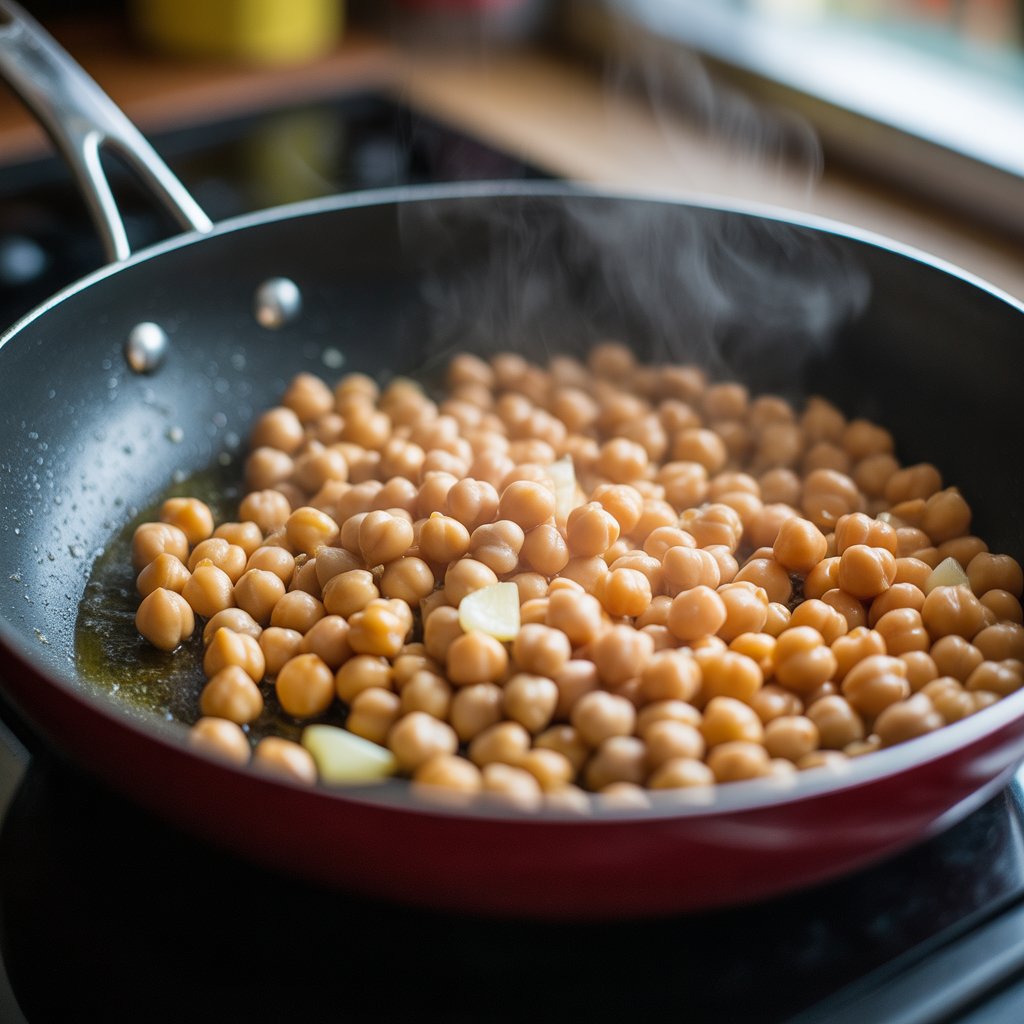
Start by bringing a large pot of generously salted water to a boil. Add the pasta and cook according to the package directions until it reaches your preferred texture. For a particularly good result, cook the pasta until it is al dente, meaning it is tender but still has a slight firmness when you bite into it.
Before draining the pasta, reserve about 1 cup of the cooking water. This starchy water can help loosen the sauce and bring the pasta and sauce together. Drain the pasta and set it aside while you prepare the chickpea sauce.
While the pasta is cooking, heat olive oil in a large skillet or Dutch oven over medium heat. Add the minced garlic and cook gently for about 30 seconds to a minute, just until fragrant. Be careful not to burn the garlic because burnt garlic can make the entire sauce taste bitter.
Add the tomatoes, oregano, basil, black pepper, and red pepper flakes if you are using them. Stir everything together and allow the sauce to simmer for several minutes. The gentle simmer gives the tomatoes time to develop a richer flavor.
Next, add the drained and rinsed chickpeas. Stir them into the tomato sauce and allow them to cook for several minutes so they can absorb some of the flavors.
Once the sauce is hot and flavorful, add the cooked pasta to the skillet. Toss everything together until the pasta is evenly coated. If the sauce feels too thick, add a small splash of reserved pasta water and continue tossing. Add more water gradually until the sauce reaches the consistency you like.
Taste the pasta before serving and adjust the seasoning. You may want a little more salt, black pepper, olive oil, herbs, or red pepper flakes depending on your preferences.
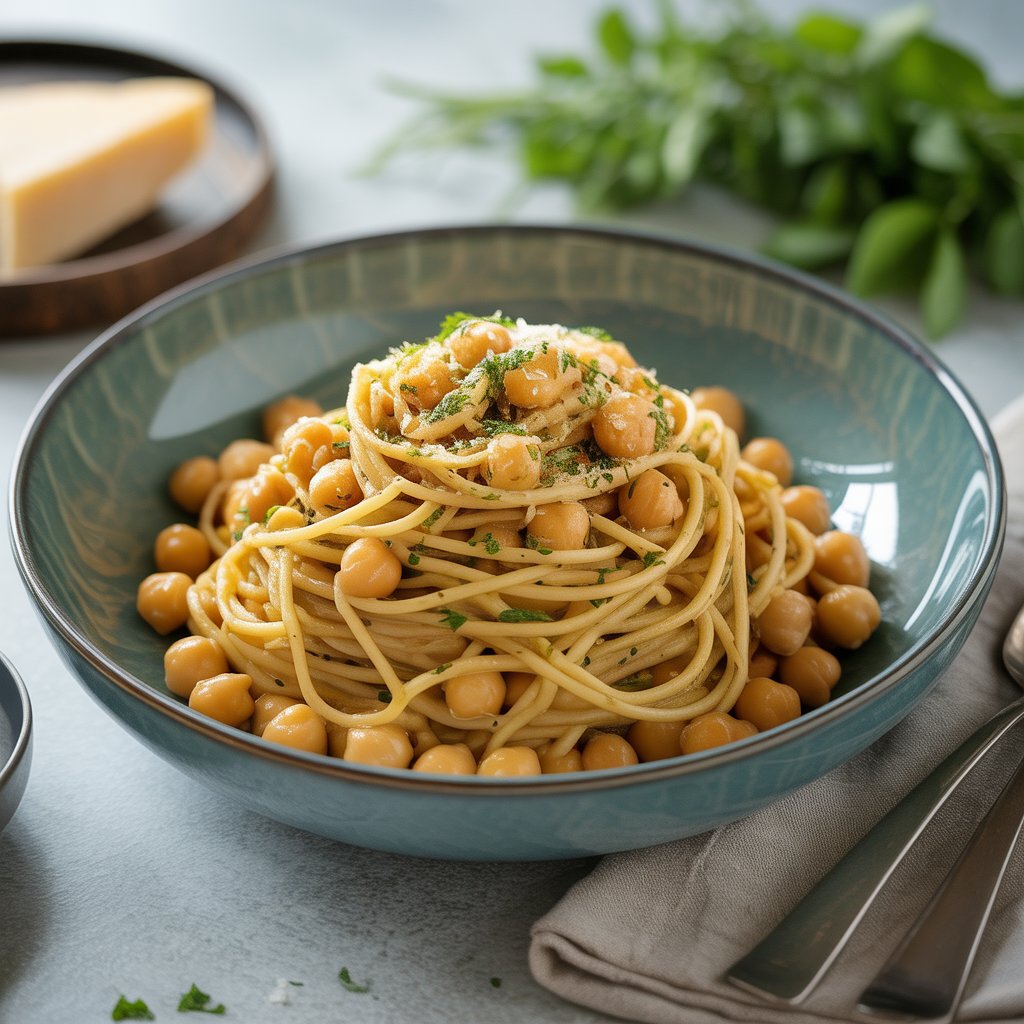
Finish with Parmesan cheese and fresh herbs if desired. Serve immediately while the pasta is warm.
The Secret to a Flavorful Chickpea Pasta
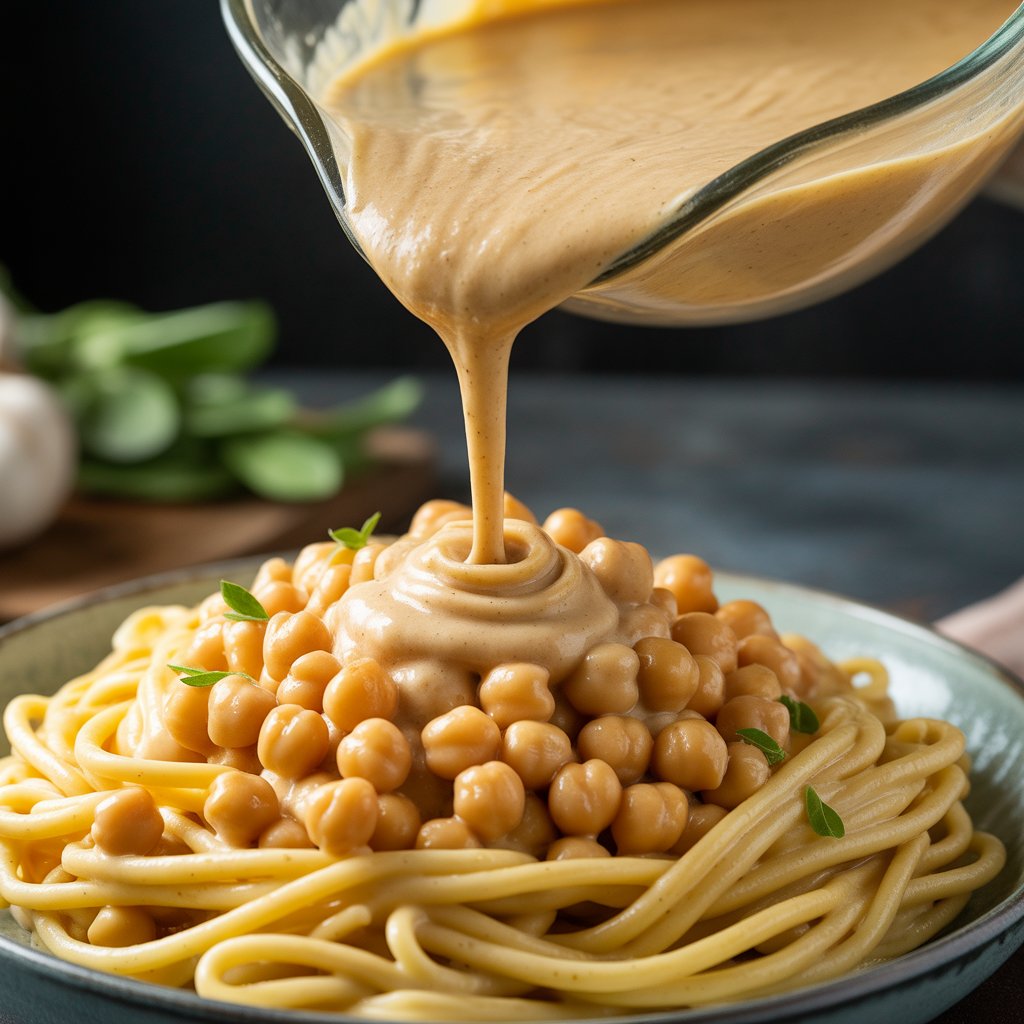
One of the easiest ways to make this recipe taste restaurant-worthy is to build flavor in layers rather than simply mixing everything together.
Start with good olive oil and fresh garlic. Cook the garlic gently so it becomes fragrant without becoming dark. Next, allow the tomatoes to simmer instead of rushing the sauce. Finally, give the chickpeas enough time to warm through and absorb the flavors.
Another important step is saving some pasta water. Pasta water contains starch released from the noodles during cooking. When added to the sauce, it can help create a smoother consistency and allow the sauce to cling to the pasta.
You do not need a complicated sauce to make delicious pasta. A few well-prepared ingredients can provide plenty of flavor.
Choosing the Best Pasta
Almost any pasta shape works with this recipe, but some shapes are particularly good at holding onto tomato sauce and chickpeas.
Penne and rigatoni are excellent choices because their tubes hold sauce inside. Fusilli and rotini are also great because their twists catch the tomato sauce and small pieces of chickpea.
Spaghetti creates a different experience because the chickpeas sit throughout the sauce rather than being tucked into pasta shapes.
Whole-wheat pasta can be used if you want a nuttier flavor and more fiber. You can also experiment with chickpea pasta or lentil pasta if you want to increase the protein content even further.
If using alternative pasta, check the package cooking instructions because cooking times can vary.
Can You Use Canned Chickpeas?
Absolutely. Canned chickpeas are one of the easiest choices for this recipe.
Drain the chickpeas thoroughly and rinse them under cool running water before adding them to the sauce. Rinsing helps remove excess liquid from the can and gives the chickpeas a cleaner flavor.
If you have extra time, you can lightly dry the chickpeas before adding them to the skillet. This is especially helpful if you decide to sauté them briefly with garlic and olive oil before combining them with the tomato sauce.
Dried chickpeas can also be used, but they require soaking and cooking ahead of time. For convenience, canned chickpeas are usually the best choice for a quick weeknight dinner.
How to Add More Vegetables
One of the best things about this recipe is how easy it is to add vegetables.
Spinach can be stirred into the sauce during the final few minutes of cooking. It wilts quickly and adds color without changing the character of the dish.
Chopped zucchini can be sautéed with the garlic before adding the tomatoes. Bell peppers can also add sweetness and texture.
Mushrooms are another excellent addition because their savory flavor works particularly well with chickpeas and tomato sauce.
You can also add broccoli, kale, carrots, roasted red peppers, peas, or chopped fresh tomatoes. The goal is to use vegetables you enjoy and already have available.
Make It Spicy
If you love spicy pasta, this recipe is easy to customize.
Add crushed red pepper flakes to the garlic and olive oil at the beginning of cooking. This allows the oil to absorb some of the chili flavor.
For a stronger kick, add a small amount of cayenne pepper or finely chopped fresh chili.
You can also drizzle a little spicy olive oil over the finished pasta before serving.
If you are cooking for a family with different spice preferences, keep the main sauce mild and let everyone add red pepper flakes individually.
Make It Creamy
Although the basic tomato and chickpea sauce is delicious on its own, you can make it creamy if you prefer a richer pasta dish.
One simple option is to stir in a small amount of cream near the end of cooking. For a lighter approach, use plain Greek yogurt, but stir it in after removing the pan from direct heat to reduce the risk of curdling.
A spoonful of ricotta can also make the sauce creamy while adding additional protein.
For a dairy-free version, blend a small portion of the chickpeas with some tomato sauce and pasta water. This creates a naturally thicker texture without requiring cream.
Add Cheese for Extra Flavor
Parmesan is a natural match for tomato-based pasta. A little freshly grated Parmesan can add salty, savory flavor and make the dish feel more indulgent.
Mozzarella can be added if you want a softer, melty finish. Crumbled feta creates a tangier Mediterranean-style variation.
Nutritional yeast is another option for a dairy-free pasta dish. It adds a savory, cheese-like flavor without using traditional cheese.
Remember that some cheeses can be salty, so taste the finished pasta before adding additional salt.
Easy Mediterranean-Style Variation
For a Mediterranean twist, add chopped spinach, roasted red peppers, olives, and a little feta cheese.
You can also add oregano, fresh parsley, lemon zest, and a small squeeze of lemon juice just before serving.
The acidity from the lemon helps balance the richness of the olive oil and creates a brighter flavor.
This version is especially delicious when served with a simple cucumber and tomato salad.
How to Make It Vegan
The basic recipe can easily be made vegan.
Use pasta that does not contain eggs, skip the Parmesan, and choose a plant-based cheese or nutritional yeast if desired.
The combination of chickpeas, pasta, tomatoes, olive oil, garlic, and herbs is flavorful enough that you do not need dairy products to make the meal satisfying.
A squeeze of fresh lemon juice and a sprinkle of parsley can add plenty of freshness to the finished dish.
How to Make It Higher in Protein
If your goal is specifically to create a higher-protein meal, there are several ways to modify the recipe.
Start by using chickpea or lentil-based pasta instead of traditional wheat pasta. These varieties can provide more protein than conventional pasta.
You can also increase the amount of chickpeas in the sauce. Adding another half cup or so is an easy way to make the meal heartier.
For a vegetarian version, Parmesan, cottage cheese, ricotta, or Greek yogurt can provide additional protein depending on how you incorporate them.
You can also serve the pasta alongside a simple bean salad or another protein-rich side.
Can You Make This Recipe Gluten-Free?
Yes. Choose certified gluten-free pasta and check the labels of any packaged ingredients you use.
Chickpeas and most plain tomatoes are naturally gluten-free, but sauces, seasonings, and other processed ingredients can sometimes contain unexpected additives.
If you are cooking for someone with celiac disease or a serious gluten sensitivity, pay attention to cross-contact during preparation.
Tips for Perfect Pasta Every Time
Always cook pasta in plenty of boiling water and season the water with salt. This is one of the easiest opportunities to add flavor to the pasta itself.
Avoid overcooking the noodles. Slightly firm pasta holds its texture better when combined with hot sauce.
Reserve pasta water before draining. Even if you think you will not need it, it is useful for adjusting the sauce.
Do not rinse the pasta after cooking when making a hot sauce-based dish. The starch on the surface can help the sauce cling to the noodles.
Finally, combine the pasta and sauce while both are hot. Tossing them together allows the flavors to come together more effectively.
What to Serve with Chickpea Pasta
This pasta is filling enough to serve as a complete meal, but a few simple sides can make dinner feel even more special.
A crisp green salad with a light vinaigrette is an excellent choice because the fresh vegetables balance the warm, hearty pasta.
Garlic bread or crusty whole-grain bread is another classic pairing. The bread is particularly useful for soaking up any extra tomato sauce.
For a lighter side, serve steamed broccoli, roasted vegetables, or a simple cucumber salad.
If you are making this dish for a dinner party, serve it with a fresh herb salad and sparkling water with lemon for a simple but elegant meal.
How to Store Leftover Pasta
Allow leftover pasta to cool before transferring it to an airtight container. Refrigerate it promptly and use it within a few days.
The pasta may absorb some of the sauce as it sits, so it can become thicker after refrigeration.
When reheating, add a small splash of water or broth and warm it gently in a skillet or microwave. Stir occasionally until heated through.
If the pasta looks dry, a small drizzle of olive oil can also help restore some of its richness.
Can You Freeze Chickpea Pasta?
You can freeze this pasta, although the texture of the noodles may become softer after thawing and reheating.
If you know you plan to freeze the meal, slightly undercook the pasta before combining it with the sauce. Allow the dish to cool completely, then portion it into freezer-safe containers.
Thaw it in the refrigerator before reheating when possible. Add a little water or broth while reheating to bring the sauce back together.
For the best texture, however, refrigerated leftovers are generally preferable to frozen pasta.
Common Mistakes to Avoid
One common mistake is adding too much liquid to the sauce. Start with a small amount of pasta water and add more only when necessary.
Another mistake is cooking garlic over excessively high heat. Garlic burns quickly, and burnt garlic can overpower the entire dish.
Using too little seasoning can also make chickpea pasta taste flat. Tomatoes and chickpeas both benefit from enough salt, herbs, garlic, and acidity.
Finally, do not forget to taste the finished dish. Recipes provide a starting point, but your ingredients and personal preferences may require adjustments.
How to Make This Pasta Ahead of Time
This recipe can be partially prepared in advance to make busy evenings easier.
You can cook the chickpeas, prepare the tomato sauce, chop the vegetables, and mince the garlic earlier in the day.
When dinner time arrives, cook the pasta and combine it with the prepared sauce.
If you are meal prepping several servings, keep the pasta and sauce slightly saucier than you normally would because the noodles will continue absorbing liquid as they sit.
Budget-Friendly Dinner Idea
One of the best things about chickpea pasta is that it can be very affordable.
Pasta, canned chickpeas, tomatoes, garlic, olive oil, and dried herbs are inexpensive pantry ingredients that can create a satisfying meal without requiring expensive meat or specialty products.
This makes the recipe particularly useful when you want to cook more meals at home while keeping your grocery budget under control.
You can also use seasonal vegetables or whatever produce needs to be used from your refrigerator.
Why This Recipe Is Great for Busy Weeknights
Busy evenings often make it tempting to order takeout or rely on highly processed convenience foods. This pasta provides a middle ground because it is quick enough for a weeknight while still feeling like a homemade meal.
The sauce can be prepared while the pasta cooks, which keeps the total cooking process efficient.
Because many of the ingredients can be kept in the pantry, you can also prepare this meal without making a special grocery-store trip.
Once you have made it a few times, you can easily adapt the recipe based on whatever ingredients are available.
Protein-Packed Pasta with Chickpeas Recipe
Ingredients
Use 12 ounces pasta, 1 can or approximately 1½ to 2 cups cooked chickpeas, 2 cups crushed or diced tomatoes, 3 to 4 cloves minced garlic, 2 tablespoons extra-virgin olive oil, 1 teaspoon dried oregano, 1 teaspoon dried basil, salt and black pepper to taste, and red pepper flakes if desired. For serving, use freshly grated Parmesan, fresh parsley or basil, and a little extra olive oil if desired.
Directions
Bring a large pot of salted water to a boil and cook the pasta according to the package directions until al dente. Before draining, reserve approximately 1 cup of pasta water.
Meanwhile, heat olive oil in a large skillet over medium heat. Add the minced garlic and cook briefly until fragrant. Add the tomatoes, oregano, basil, black pepper, and red pepper flakes if using. Stir well and allow the sauce to simmer for several minutes.
Add the drained and rinsed chickpeas and continue cooking until they are heated through and coated in the tomato sauce.
Add the cooked pasta to the skillet and toss everything together. If the sauce is too thick, gradually add a little reserved pasta water until you reach the desired consistency.
Taste and adjust the seasoning. Finish with Parmesan cheese and fresh herbs if desired, then serve warm.
Recipe Notes
The amount of pasta water you need will depend on how thick your tomato sauce is. Add it slowly rather than pouring in the entire cup at once.
For extra flavor, sauté the chickpeas briefly in olive oil and garlic before adding the tomatoes.
If you prefer a smoother sauce, lightly mash some of the chickpeas with the back of a spoon while they cook. This naturally thickens the sauce and gives it a creamier consistency.
For a fresh finish, add lemon zest or a small squeeze of lemon juice immediately before serving.
Frequently Asked Questions
Is chickpea pasta high in protein?
Chickpeas themselves provide plant-based protein, and chickpea-based pasta can provide additional protein compared with many traditional pasta varieties. The exact amount depends on the products and quantities used, so check the nutrition labels for precise values.
Can I use fresh tomatoes?
Yes. Fresh tomatoes can work beautifully when they are ripe and flavorful. Chop them finely and allow them to cook until they soften and form a sauce. During seasons when fresh tomatoes are not at their best, canned tomatoes are a convenient alternative.
Can I use another type of bean?
Yes. White beans can be a delicious substitute for chickpeas because they have a soft texture and mild flavor. Cannellini beans are particularly good with tomato-based pasta.
Can I add meat?
If you are not following a vegetarian diet, you can add cooked chicken, turkey, sausage, or another protein. However, the chickpeas already make the dish hearty and satisfying.
How can I make the sauce thicker?
Allow the sauce to simmer uncovered so some of the excess liquid evaporates. You can also mash a small portion of the chickpeas or add a little Parmesan cheese.
What herbs work best?
Basil, oregano, parsley, thyme, and Italian seasoning all work well. Fresh basil or parsley added at the end provides a particularly fresh flavor.
Can I make this pasta dairy-free?
Yes. Simply leave out the Parmesan or replace it with a dairy-free alternative or nutritional yeast.
Can I make it gluten-free?
Yes. Use your favorite gluten-free pasta and verify that packaged ingredients are gluten-free if you are cooking for someone with a gluten-related condition.
Final Thoughts
This Protein-Packed Pasta with Chickpeas is proof that a nutritious dinner does not need to be complicated. With simple pantry ingredients, flavorful tomatoes, garlic, herbs, and hearty chickpeas, you can create a comforting meal that is filling, flexible, and easy to prepare.
The recipe is also wonderfully adaptable. Add spinach, zucchini, mushrooms, roasted peppers, or your favorite vegetables. Make it spicy with red pepper flakes, creamy with ricotta, or completely vegan by skipping the cheese. You can even use chickpea or lentil pasta when you want to increase the protein content further.
Whether you are cooking for your family, preparing meals for the week, or simply looking for a satisfying meatless dinner, this chickpea pasta is an easy recipe to keep on hand. Once you try it, you may find yourself returning to this simple combination of pasta, chickpeas, tomatoes, garlic, and herbs whenever you need a quick homemade meal.