
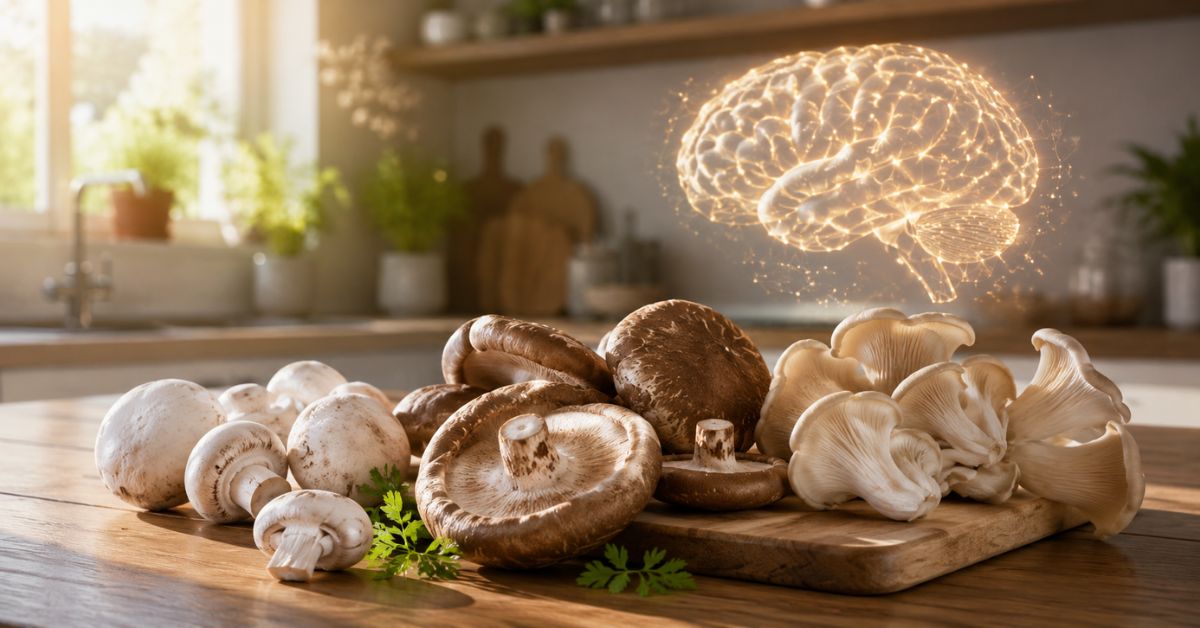
In recent years, nutrition experts and researchers have increasingly focused on the connection between diet and brain health. One food that has gained significant attention is mushrooms. According to experts, mushrooms contain a powerful antioxidant that is strongly linked to better brain health. This discovery has sparked widespread interest in how simple dietary choices can support cognitive function, improve memory, and even reduce the risk of age-related mental decline. Mushrooms are not just a flavorful addition to meals; they are now considered a functional food that may play a vital role in protecting the brain.
Mushrooms have been used for centuries in traditional medicine, especially in Asian cultures, for their healing properties. However, modern science is now uncovering the specific compounds that make mushrooms so beneficial. Among these compounds is a unique antioxidant that has been shown to protect brain cells from damage. As the global population ages and concerns about conditions like dementia and Alzheimer’s disease rise, foods like mushrooms are becoming more important than ever.
Mushrooms for Brain Health: Why They Matter

When discussing mushrooms for brain health, it is essential to understand how the brain functions and what it needs to stay healthy. The brain is highly sensitive to oxidative stress, which occurs when there is an imbalance between free radicals and antioxidants in the body. Free radicals can damage brain cells, leading to cognitive decline over time. This is where mushrooms come into play.
Mushrooms are rich in nutrients such as B vitamins, selenium, copper, and potassium. These nutrients support overall brain function, but the real highlight is their antioxidant content. By reducing oxidative stress, mushrooms help protect neurons and maintain cognitive performance. Regular consumption of mushrooms has been associated with improved memory, better focus, and a lower risk of neurodegenerative diseases.
Another reason mushrooms are important for brain health is their anti-inflammatory properties. Chronic inflammation in the brain has been linked to various mental health conditions, including depression and anxiety. Mushrooms contain compounds that help reduce inflammation, creating a healthier environment for brain cells to function effectively.
What Antioxidant Is in Mushrooms and Why It Is Powerful
One of the most important questions people ask is: Which antioxidant in mushrooms makes them so beneficial? The answer is a compound called ergothioneine. Ergothioneine is a naturally occurring amino acid and a powerful antioxidant found in high concentrations in many types of mushrooms.
Ergothioneine is unique in that it accumulates in areas of the body prone to oxidative stress, including the brain. This means it provides targeted protection where it is needed the most. Unlike many other antioxidants, ergothioneine is not easily depleted, making it a long-lasting defense against cellular damage.
Research suggests that people who consume foods rich in ergothioneine may have a lower risk of cognitive decline. This antioxidant helps protect brain cells from damage caused by aging, environmental toxins, and stress. It also supports mitochondrial function, which is essential for energy production in brain cells.
How Mushrooms Support Cognitive Function
Cognitive function includes processes such as memory, attention, problem-solving, and decision-making. Mushrooms support these functions in several ways. First, they provide essential nutrients that help maintain brain health. Second, they contain bioactive compounds that directly protect brain cells.
Studies have shown that individuals who regularly consume mushrooms perform better on cognitive tests compared to those who do not. This is likely due to the combined effects of antioxidants, vitamins, and anti-inflammatory compounds found in mushrooms. These elements work together to enhance neural communication and protect against damage.
In addition to ergothioneine, mushrooms also contain another antioxidant called glutathione. This compound is often referred to as the “master antioxidant” because of its ability to neutralize free radicals and regenerate other antioxidants in the body. Together, ergothioneine and glutathione create a powerful defense system for the brain.
Mushrooms and Memory Improvement
Memory loss is one of the most common concerns associated with aging. Fortunately, diet plays a significant role in maintaining memory function. Mushrooms for brain health are particularly beneficial because they help protect the hippocampus, the part of the brain responsible for memory formation.
Regular consumption of mushrooms has been linked to better memory retention and recall. This is because the antioxidants in mushrooms prevent damage to brain cells and support the growth of new neurons. Neurogenesis, or the creation of new brain cells, is essential for learning and memory.
Furthermore, mushrooms help regulate neurotransmitters, which are chemicals that transmit signals in the brain. Balanced neurotransmitter levels are crucial for memory and overall cognitive performance. By supporting these processes, mushrooms can help individuals maintain sharp mental abilities as they age.
Mushrooms and Neuroprotection

Neuroprotection refers to the mechanisms that protect the brain from injury and degeneration. Mushrooms are considered neuroprotective foods because they contain compounds that shield brain cells from damage. This is particularly important in preventing diseases such as Alzheimer’s and Parkinson’s.
The antioxidant ergothioneine plays a key role in neuroprotection. It reduces oxidative stress, which is a major factor in neurodegenerative diseases. Additionally, mushrooms help reduce inflammation in the brain, further protecting against damage.
Some types of mushrooms, such as lion’s mane, have been shown to stimulate the production of nerve growth factor (NGF). NGF is essential for the growth and maintenance of neurons. By promoting NGF production, mushrooms can support brain repair and regeneration.
Best Types of Mushrooms for Brain Health
Not all mushrooms are created equal when it comes to brain health. Some varieties are particularly rich in beneficial compounds. These include:
- Shiitake mushrooms
- Oyster mushrooms
- Button mushrooms
- Portobello mushrooms
- Lion’s mane mushrooms
Each of these mushrooms contains varying levels of antioxidants, vitamins, and minerals. Including a variety of mushrooms in your diet can provide a broader range of benefits. For example, lion’s mane is known for its ability to support nerve growth, while shiitake mushrooms are rich in immune-boosting compounds.
How to Add Mushrooms to Your Diet

Incorporating mushrooms into your daily diet is simple and versatile. They can be added to a wide range of dishes, making them an easy choice for improving brain health. Some popular ways to include mushrooms in your meals are:
- Adding them to omelets or scrambled eggs
- Mixing them into soups and stews
- Using them as a topping for pizza
- Stir-frying them with vegetables
- Blending them into sauces
Mushrooms can also be used as a meat substitute due to their rich texture and flavor. This makes them an excellent option for vegetarians and those looking to reduce their meat intake.
Scientific Evidence Behind Mushrooms and Brain Health
Scientific research continues to support the benefits of mushrooms for brain health. Studies have shown that individuals who consume mushrooms regularly have a lower risk of mild cognitive impairment (MCI). MCI is often considered a precursor to more serious conditions like Alzheimer’s disease.
One study conducted in Singapore found that older adults who ate more than two servings of mushrooms per week had a significantly reduced risk of cognitive decline. Researchers believe that ergothioneine is the key factor behind this protective effect.
Other studies have highlighted the anti-inflammatory and antioxidant properties of mushrooms, further supporting their role in maintaining brain health. As more research is conducted, the evidence continues to grow stronger.
Mushrooms and Mental Health

In addition to cognitive benefits, mushrooms may also support mental health. The nutrients and antioxidants found in mushrooms can help regulate mood and reduce symptoms of anxiety and depression.
For example, mushrooms are a natural source of vitamin D, which is essential for mental well-being. Low levels of vitamin D have been linked to depression and mood disorders. By providing this important nutrient, mushrooms can contribute to better emotional health.
Furthermore, the anti-inflammatory properties of mushrooms may help reduce brain inflammation associated with mental health conditions. This creates a more balanced and stable environment for brain function.
Are There Any Risks?

While mushrooms are generally safe and healthy, it is important to consume them properly. Wild mushrooms should never be eaten unless they are identified by an expert, as some varieties can be toxic.
Store-bought mushrooms are safe and provide all the benefits discussed. It is also important to cook mushrooms properly, as cooking helps release their nutrients and makes them easier to digest.
Conclusion
Experts say mushrooms contain a powerful antioxidant linked to better brain health, and the evidence strongly supports this claim. From improving memory and cognitive function to protecting against neurodegenerative diseases, mushrooms offer a wide range of benefits. The presence of ergothioneine, a unique and potent antioxidant, makes mushrooms a standout food for brain health.
By including mushrooms in your diet regularly, you can take a simple yet effective step toward maintaining a healthy brain. Whether added to your favorite dishes or enjoyed on their own, mushrooms are a delicious and nutritious way to support both cognitive and mental well-being.
FAQs
What antioxidant is in mushrooms that supports brain health?
The main antioxidant found in mushrooms is ergothioneine, which is strongly linked to better brain health. It helps protect brain cells from oxidative stress and damage caused by aging, toxins, and inflammation. This powerful compound accumulates in areas of the body that are more vulnerable to damage, including the brain, making it highly effective for long-term cognitive protection.
How do mushrooms for brain health improve memory and focus?
Mushrooms for brain health improve memory and focus by reducing oxidative stress and supporting healthy brain cell function. They contain essential nutrients like B vitamins and antioxidants that enhance communication between brain cells. Regular consumption may help improve concentration, mental clarity, and overall cognitive performance.
Can eating mushrooms reduce the risk of dementia?
Yes, studies suggest that eating mushrooms regularly may reduce the risk of dementia and mild cognitive impairment. The antioxidant ergothioneine plays a key role in protecting brain cells from damage that can lead to memory loss and neurodegenerative diseases such as Alzheimer’s.
How often should you eat mushrooms for better brain health?
Experts recommend eating mushrooms at least 2 to 3 times per week to gain their brain health benefits. Consistent consumption ensures that the body receives a steady supply of antioxidants and nutrients that support cognitive function.
Which types of mushrooms are best for brain health?
Some of the best mushrooms for brain health include lion’s mane, shiitake, oyster, and button mushrooms. Lion’s mane is especially known for supporting nerve growth and brain repair, while other varieties are rich in antioxidants and essential nutrients.
Are cooked mushrooms still beneficial for brain health?
Yes, cooked mushrooms are still highly beneficial for brain health. Cooking can actually help release certain nutrients and antioxidants, making them easier for the body to absorb. Light cooking methods such as sautéing or steaming are ideal.
Do mushrooms help with mental health and mood?
Mushrooms may help improve mental health and mood due to their nutrient content, including vitamin D and antioxidants. These nutrients support brain function and may help reduce symptoms of anxiety and depression by lowering inflammation in the brain.
Are mushrooms a superfood for brain health?
Yes, many experts consider mushrooms a superfood for brain health because they contain powerful antioxidants like ergothioneine along with essential vitamins and minerals. Their ability to support memory, protect brain cells, and reduce inflammation makes them a valuable addition to a brain-healthy diet.
Can mushrooms improve cognitive function naturally?
Mushrooms can support cognitive function naturally by providing nutrients that enhance brain performance and protect against damage. Regular intake may help maintain mental sharpness, especially as you age.
What is the best way to include mushrooms in a brain-healthy diet?
The best way to include mushrooms in your diet is by adding them to everyday meals such as soups, salads, omelets, and stir-fries. Eating a variety of mushrooms ensures you get a wide range of nutrients that support brain health.















Leave a Reply