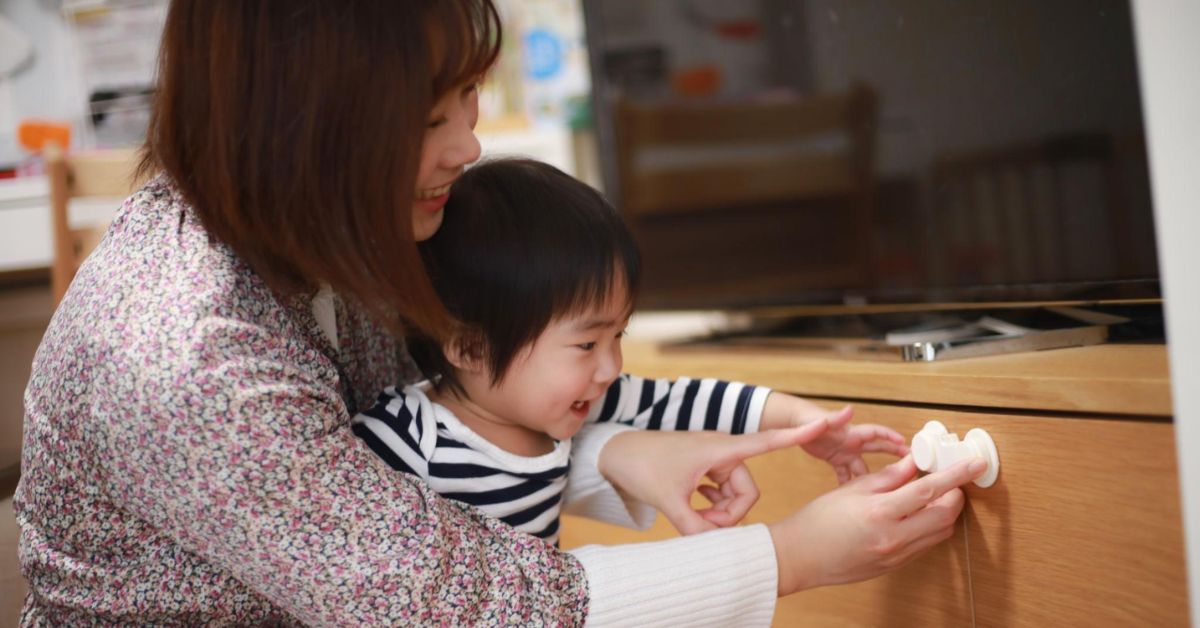
Keeping a child safe at home is one of the most important responsibilities for any parent or caregiver. While homes are meant to be safe and comfortable spaces, they can also contain hidden dangers, especially for young children who are naturally curious and unaware of risks.
From sharp furniture edges and electrical outlets to cleaning chemicals and slippery floors, many everyday household items can pose serious hazards. This is why childproofing your home is essential. It helps prevent accidents, injuries, and emergencies while allowing children to explore and grow in a secure environment.
In this comprehensive guide, you’ll learn everything you need to know about keeping your child safe at home, including room-by-room safety tips, common hazards, and practical solutions.
Why Child Safety at Home Is Important
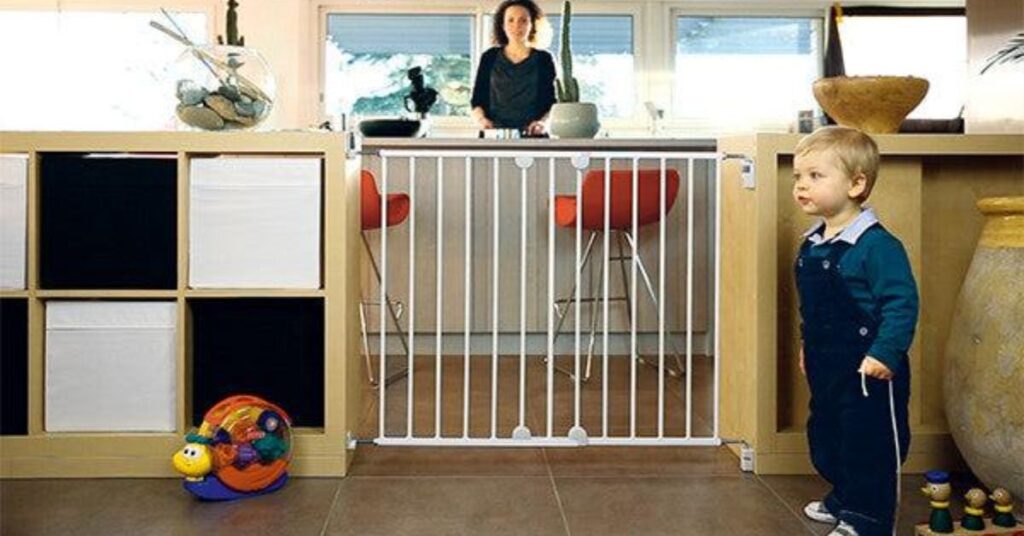
Children, especially toddlers, are naturally curious. They love to explore, touch, taste, and climb. While this curiosity is important for development, it also increases the risk of accidents.
Common household accidents include:
- Falls
- Burns
- Poisoning
- Choking
- Drowning
Many of these accidents can be prevented with proper safety measures. Creating a safe home environment ensures that your child can explore freely without constant danger.
Understanding Child Behavior and Risks

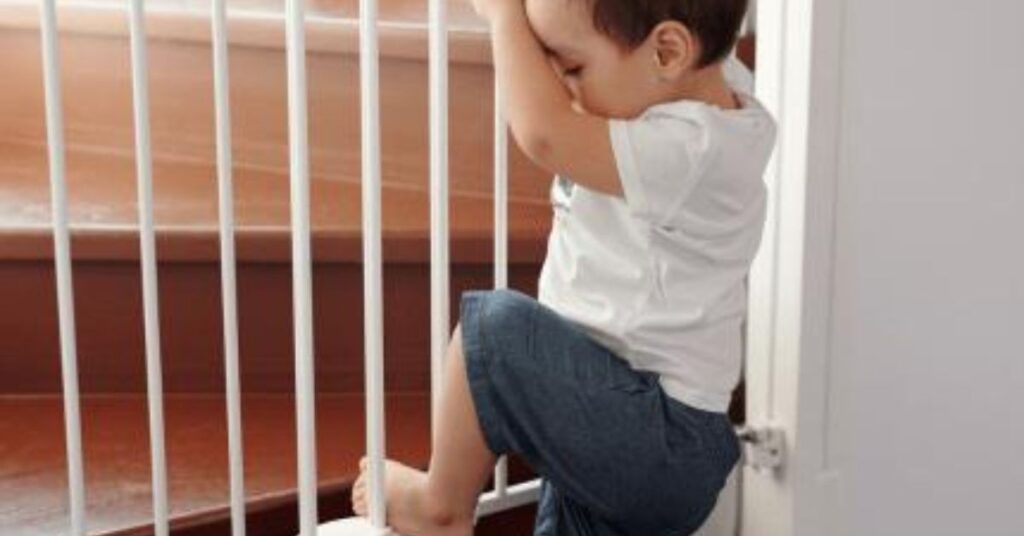
Before childproofing your home, it’s important to understand how children behave:
- Infants (0–1 year): Crawl and put everything in their mouths
- Toddlers (1–3 years): Walk, climb, and open drawers
- Young children (3–5 years): Explore independently and imitate adults
Knowing these behaviors helps you identify potential dangers and take preventive action.
Living Room Safety Tips
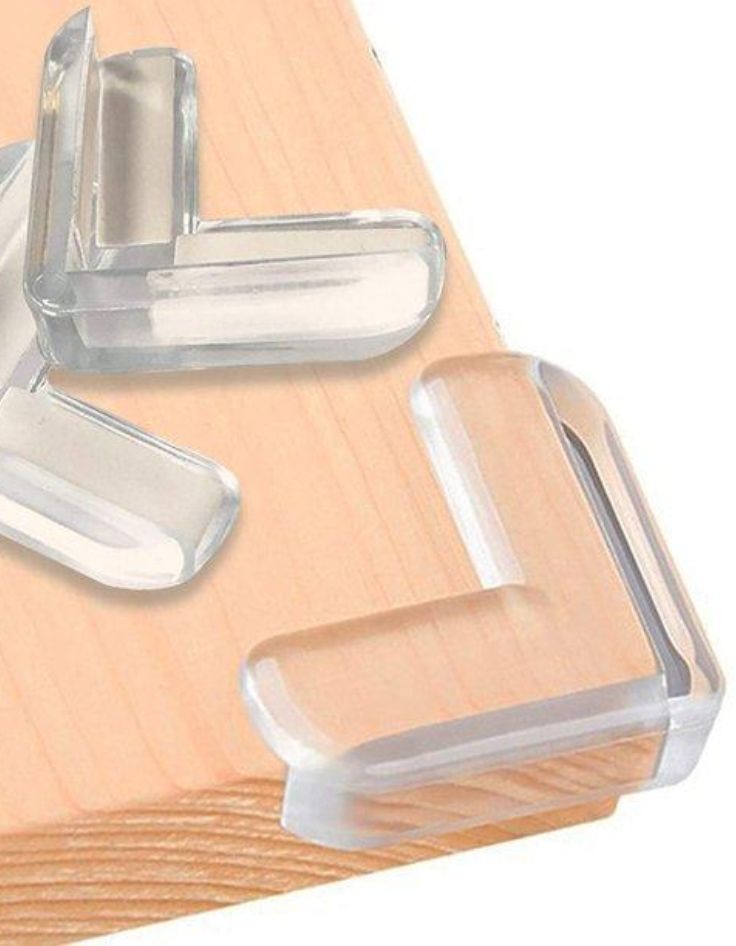
The living room is where children spend a lot of time, making it important to secure this space.
Key Safety Measures:
- Cover all electrical outlets with safety plugs
- Use corner protectors on tables and sharp edges
- Secure heavy furniture and TVs to the wall
- Remove small decorative items that can be swallowed
- Keep wires and cords out of reach
Additional Tips:
- Use soft rugs to reduce injury from falls
- Store toys in safe, accessible bins
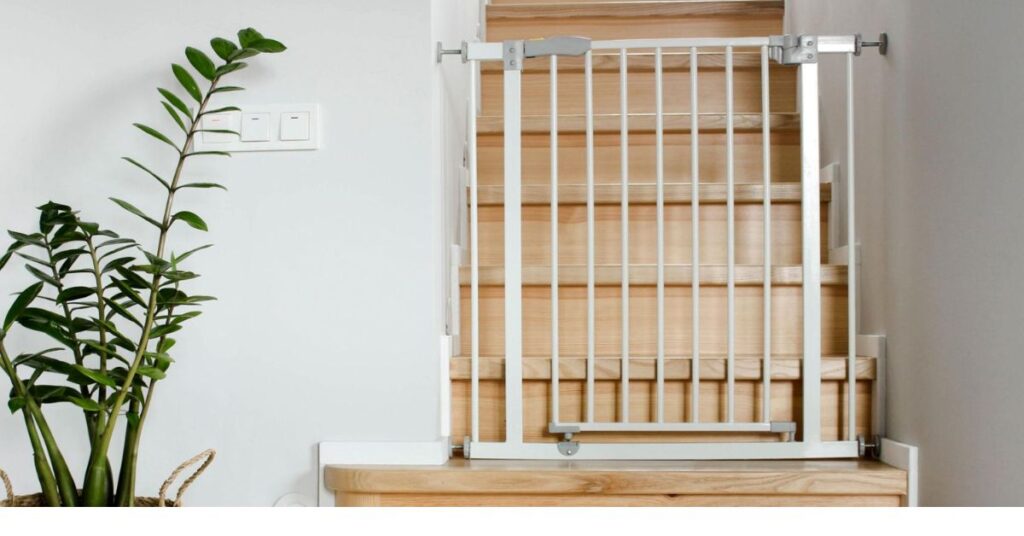
- Install safety gates near stairs
Kitchen Safety Tips
The kitchen is one of the most dangerous areas in the home due to heat, sharp tools, and chemicals.
Key Safety Measures:
- Install child locks on cabinets and drawers
- Keep knives and sharp objects out of reach
- Use stove knob covers
- Turn pot handles inward
- Keep hot liquids away from edges
Chemical Safety:
- Store cleaning products in locked cabinets
- Never leave chemicals unattended
Bedroom Safety Tips
The bedroom should be a safe and comfortable space for rest and sleep.
Key Safety Measures:
- Use a sturdy crib with a proper mattress fit
- Avoid pillows and heavy blankets for babies
- Install window locks
- Keep cords and strings away from the bed
Furniture Safety:
- Anchor wardrobes and shelves
- Avoid placing heavy objects above sleeping areas
Bathroom Safety Tips
Bathrooms pose risks due to water, slippery surfaces, and hazardous items.
Key Safety Measures:
- Use non-slip mats in the tub and on floors
- Install toilet locks
- Keep medicines and razors locked away
- Always supervise children near water
Water Safety:
- Check the water temperature before bathing
- Never leave a child alone in the bath
Staircase and Hallway Safety
Stairs are a major cause of injuries for children.
Safety Measures:
- Install baby gates at the top and bottom of the stairs
- Ensure railings are secure
- Use non-slip strips on steps
- Install night lights for visibility
Electrical and Fire Safety
Electrical hazards can be very dangerous if not managed properly.
Safety Measures:
- Use outlet covers
- Keep cords hidden or secured
- Install smoke detectors
- Keep a fire extinguisher in the kitchen
Fire Safety Tips:
- Do not leave cooking unattended
- Keep matches and lighters out of reach
Poisoning and Chemical Safety
Many household items can be toxic if ingested.
Safety Measures:
- Store medicines and chemicals in locked cabinets
- Use child-resistant containers
- Keep products in original packaging
Toy Safety Guidelines
Toys are fun, but can also be dangerous if not chosen carefully.
Safety Tips:
- Choose age-appropriate toys
- Avoid small parts for young children
- Regularly check for broken pieces
- Keep toys clean
Outdoor and Balcony Safety
Outdoor areas also need safety precautions.
Safety Measures:
- Install balcony grills or guards
- Lock gates and doors
- Supervise outdoor play
Emergency Preparedness
Being prepared can save lives in emergencies.
Important Steps:
- Keep a first aid kit at home
- Save emergency numbers
- Learn basic first aid
- Teach children how to ask for help
Supervision and Awareness
No safety measure can replace active supervision.
Tips:
- Always keep an eye on young children
- Stay alert during playtime
- Teach safety rules early
Low-Cost Childproofing Ideas
- Use tape or foam for sharp edges
- Rearrange furniture for safety
- Store dangerous items higher
- Use DIY door stoppers
Common Mistakes Parents Make
- Assuming the home is already safe
- Leaving children unattended
- Ignoring small hazards
- Not updating safety measures as the child grows
Teaching Children Safety
As children grow, teaching them safety is essential.
Teach Them:
- Not to touch hot items
- Not to put unknown objects in their mouth
- To stay away from dangerous areas
Long-Term Safety Planning
Child safety is not a one-time task. It requires continuous updates as your child grows.
- Review your home regularly
- Upgrade safety tools when needed
- Adapt rules as children learn
Conclusion
Keeping a child safe at home requires awareness, preparation, and consistent effort. By identifying potential hazards and taking preventive measures, you can create a secure environment where your child can explore, learn, and grow safely.
Remember, the goal is not to restrict your child but to protect them while allowing healthy development.
Simple Summary
- Childproof every room in your home
- Supervise children at all times
- Store harmful items safely
- Install safety devices
- Teach children basic safety rules
FAQs
1. What is the best way to ensure child safety at home?
The best way to ensure child safety at home is to childproof every room, supervise children at all times, and keep dangerous items like chemicals, sharp objects, and medicines out of reach.
2. At what age should I start childproofing my home?
You should start childproofing your home before your baby begins to crawl, usually around 5–6 months. Early preparation helps prevent accidents as your child becomes more active.
3. What are the most common home hazards for children?
Common hazards include electrical outlets, sharp furniture edges, stairs, hot surfaces, small objects (choking hazards), and cleaning chemicals.
4. How can I make my kitchen safe for kids?
To improve kitchen safety for children, install cabinet locks, keep knives and hot items out of reach, use stove knob covers, and never leave your child unattended while cooking.
5. Do I still need to supervise my child after childproofing?
Yes, supervision is always necessary. Childproofing reduces risks, but active supervision is the most important way to keep your child safe.
Leave a Reply