
Finding a spider crawling across your wall, hiding in a corner, or spinning a web near your window can be an unpleasant surprise. While most household spiders are harmless and actually help control flies, ants, mosquitoes, and other insects, that does not mean you want them taking over your home.
The good news is that you do not need to make your house completely airtight or rely on strong pesticides to reduce spider activity. The most effective approach is to make your home less attractive to spiders, block the places where they enter, remove their hiding spots, and reduce the insects they feed on.
If you have been wondering how to keep spiders out of your house, this guide covers practical steps you can use inside and outside your home. From sealing cracks and repairing window screens to reducing clutter and improving outdoor lighting, these simple habits can make a noticeable difference.
Why Do Spiders Come Inside the House?
Spiders usually enter homes for one of a few simple reasons: food, shelter, moisture, or accidental access.
Unlike many pests, spiders are predators. They are generally not interested in your food, furniture, or clothing. Instead, they follow the insects that provide their food supply.
If your home has plenty of flies, ants, moths, mosquitoes, or other small insects, it can become an attractive hunting area for spiders.
Some spiders build webs in quiet, undisturbed areas, while others wander indoors while searching for prey or shelter. Spiders can enter through tiny cracks, gaps around doors and windows, damaged screens, vents, and other openings.
That means simply killing individual spiders may not solve the problem.
A better strategy is to ask:
- Where are spiders getting inside?
- What insects are attracting them?
- Where are they hiding?
- Are there webs or egg sacs around the house?
- Is outdoor vegetation touching the building?
- Are there gaps underneath exterior doors?
Once you address these causes, spider activity can become much easier to manage.
Are Spiders Dangerous?
Most spiders found around homes are not dangerous to people. They are also beneficial predators that help reduce other insect populations. Bites are uncommon, and spiders generally prefer to avoid people.
However, spider identification can matter if you repeatedly find unfamiliar or potentially medically significant species in your area.
If you are unsure what type of spider you are dealing with, avoid handling it with bare hands. You can photograph it from a safe distance and seek help from a local extension service or pest professional.
The goal of spider prevention is not necessarily to eliminate every spider outdoors. Instead, focus on preventing unwanted spiders from entering living spaces.

25 Ways to Keep Spiders Out of Your House
1. Seal Cracks Around Your Home
One of the most important steps is to inspect the exterior of your house for cracks and gaps.
Check around:
- The foundation
- Windows
- Exterior doors
- Utility pipes
- Cable openings
- Vents
- Siding
- Garage doors
- Basement windows
- Areas where different building materials meet
Even small openings can provide access for spiders and other insects.
Use an appropriate caulk or sealant for gaps around windows, doors, and the foundation. Repair larger structural openings as needed.
Sealing these entry points does more than keep spiders out. It can also reduce the number of insects entering your home, which removes one of the main food sources that attracts spiders.
2. Install or Repair Window Screens

Open windows can provide an easy pathway indoors.
Inspect every window screen for:
- Tears
- Holes
- Loose edges
- Gaps
- Poor fitting
- Damaged frames
Replace damaged screens and make sure they fit tightly inside the window frame.
Do not forget smaller openings around basement windows, bathroom windows, and rarely used rooms.
Good screening helps prevent spiders from entering while also keeping out many of the insects spiders feed on.
3. Replace Worn Door Sweeps

Look underneath exterior doors.
If you can see daylight beneath a closed door, there may be enough space for insects and spiders to enter.
A properly fitted door sweep creates a tighter barrier along the bottom of the door.
Check:
- Front door
- Back door
- Garage entrance
- Basement door
- Patio door
- Side entrances
Replace damaged or worn weatherstripping as well.
4. Reduce Outdoor Lighting Near Doors
Outdoor lights can indirectly attract spiders.
The reason is simple: many insects are attracted to artificial light. Spiders may then build webs nearby because insects provide an easy food source.
Consider moving lights away from doors and windows when possible. You can also use lighting options that are less attractive to insects, such as yellow-toned bulbs.
Motion-activated lighting can also reduce the amount of time exterior lights remain on.
You do not necessarily have to turn off every outdoor light. Instead, try to avoid creating a bright insect gathering point directly beside your doors and windows.

5. Keep Shrubs Away From the House
Plants touching your home can create natural bridges for insects and spiders.
Trim shrubs, vines, branches, and other vegetation so they do not directly contact exterior walls, windows, or roof areas.
Pay particular attention to:
- Ivy
- Dense shrubs
- Climbing vines
- Overgrown bushes
- Tree branches
- Tall grasses
Keeping vegetation managed around the foundation improves airflow and reduces hiding places close to the structure.
6. Remove Leaves and Yard Debris
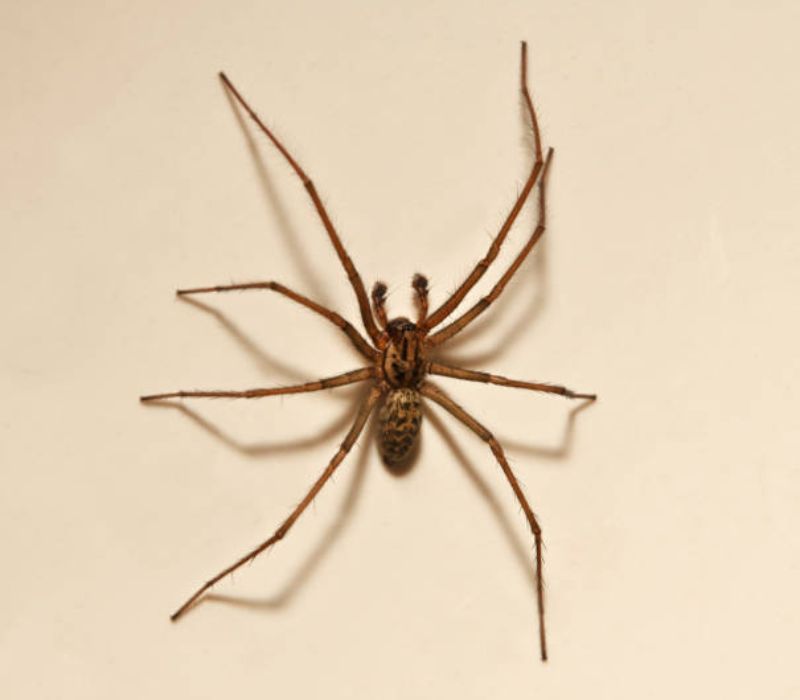
A thick layer of leaves, grass clippings, wood pieces, cardboard, and other debris can create sheltered areas for spiders and the insects they hunt.
Regularly clean around:
- The foundation
- Porch
- Patio
- Garage
- Shed
- Outdoor storage areas
You do not need to make your entire garden spider-free. Focus on keeping the immediate perimeter of your house clean and relatively open.
7. Move Firewood Away From the House
Firewood can provide shelter for spiders, insects, and other small creatures.
If you store firewood outdoors, keep it away from the exterior walls of your home rather than stacking it directly beside doors or windows.
When handling outdoor firewood, wear gloves and inspect pieces before bringing them indoors.
Avoid storing large amounts of outdoor wood inside living areas.
8. Declutter Your Basement
Basements often provide exactly what spiders like: dark, quiet and relatively undisturbed spaces.
Boxes, papers, unused furniture, bags, and stored belongings can create hiding places.
Organize your basement by:
- Removing unnecessary items
- Keeping boxes off the floor
- Leaving space between stored items
- Vacuuming corners regularly
- Cleaning around storage shelves
- Sealing cardboard boxes when appropriate
Reducing clutter makes spider activity easier to spot and gives spiders fewer places to hide.
9. Keep the Attic Clean and Organized
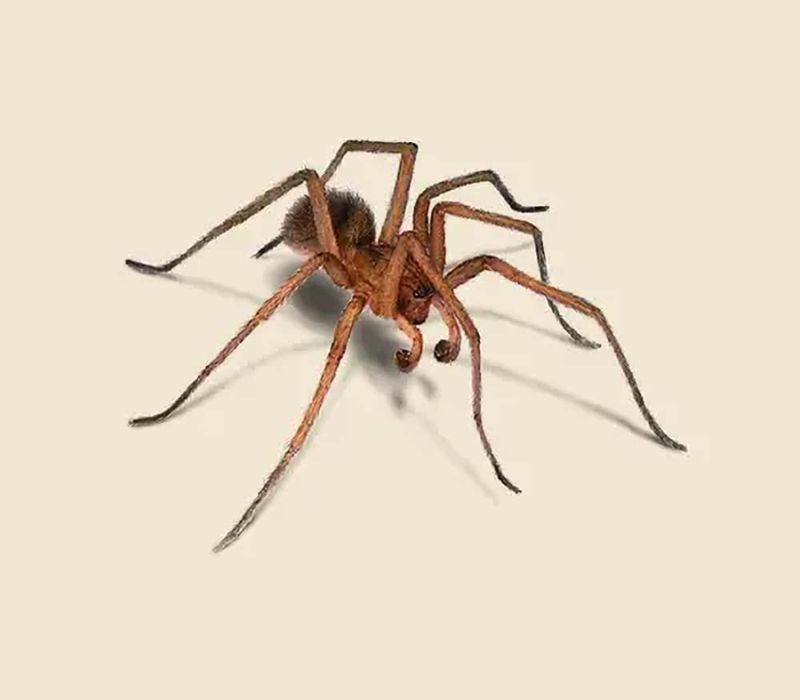
Attics can become another favorite hiding area because they are often visited less frequently.
Inspect your attic for:
- Old boxes
- Cobwebs
- Unused clothing
- Paper piles
- Stored furniture
- Gaps around vents
- Signs of insects
Vacuum accessible corners and remove unnecessary clutter.
Also inspect vents and openings to make sure they are properly screened.
10. Vacuum Spider Webs Regularly
One of the simplest ways to control spiders indoors is regular vacuuming.
Use a vacuum attachment to clean:
- Ceiling corners
- Window frames
- Behind furniture
- Under cabinets
- Baseboards
- Closet corners
- Basement ceilings
- Garage corners
Vacuuming can remove spiders, webs, and egg sacs. Regular removal also makes the environment less suitable for spiders to remain undisturbed.
If you find a large number of webs repeatedly appearing in the same location, investigate why that area is attractive instead of simply cleaning it every day.
11. Remove Spider Egg Sacs
If you see small silk sacs attached to webs or hidden in corners, do not ignore them.
Egg sacs can contain many developing spiders depending on the species.
When safely possible, remove visible egg sacs using a vacuum or another appropriate method. Avoid handling unknown spiders or egg sacs with bare hands.
If you are seeing large numbers of egg sacs, it may be a sign that you have a larger spider population or an abundant insect food source.
12. Control Other Insects in Your Home
This may be the most important long-term strategy.
Remember: spiders are predators.
If your home has a steady supply of insects, spiders have a reason to stay.
Look for:
- Flies
- Ants
- Moths
- Mosquitoes
- Cockroaches
- Silverfish
- Other small insects
Keep food covered, clean crumbs quickly, empty garbage regularly, and fix sources of moisture that may encourage insects.
You may find that reducing other pest activity naturally reduces spider activity as well. Extension guidance consistently recommends eliminating insect prey as part of spider management.
13. Keep Your Kitchen Clean
Your kitchen can attract insects because of food residue and moisture.
To make the area less attractive to pests:
- Wipe counters after cooking.
- Clean crumbs from floors.
- Empty food waste regularly.
- Keep food containers sealed.
- Clean under appliances periodically.
- Wipe sticky spills immediately.
- Do not leave dirty dishes sitting for long periods.
A cleaner kitchen can help reduce the insects that spiders feed on.
14. Manage Moisture
Some spiders are frequently found in damp areas because their prey may also thrive there.
Pay attention to:
- Leaking pipes
- Damp basements
- Bathroom leaks
- Condensation
- Wet storage areas
- Poor ventilation
Repair plumbing leaks promptly and improve ventilation where needed.
In bathrooms, use exhaust fans during and after showers. In basements, address persistent moisture problems rather than simply removing spiders.
15. Clean Under Furniture
Spiders prefer areas that remain quiet and undisturbed.
Move furniture occasionally and vacuum underneath it.
Pay special attention to:
- Beds
- Sofas
- Cabinets
- Storage shelves
- Bookcases
- Large appliances
You do not need to move every piece of furniture every day. A regular deep-cleaning schedule can help prevent hidden areas from becoming long-term spider shelters.
16. Keep Closets Organized
Dark closets with piles of clothing, shoes, bags, and boxes can provide hiding spaces.
Keep floors as clear as possible.
Store seasonal clothing in sealed containers when practical, and occasionally vacuum corners and shelves.
Before putting rarely used items back into storage, inspect them for webs or insects.
17. Inspect Items Before Bringing Them Indoors
Spiders can sometimes enter your home on objects that have been stored outdoors.
Inspect items such as:
- Firewood
- Gardening tools
- Outdoor furniture
- Cardboard boxes
- Plant pots
- Decorations
- Storage containers
A quick inspection before bringing them inside can prevent unwanted hitchhikers.
This is particularly useful for objects that have been sitting in garages, sheds, gardens, or other undisturbed locations.
18. Keep Your Garage Tidy
Garages often contain everything from cardboard boxes to gardening supplies, creating plenty of hiding places.
Organize storage using shelves or sealed containers rather than allowing items to pile directly on the floor.
Vacuum corners and remove webs regularly.
Also inspect the bottom of the garage door for gaps.
A tight-fitting garage door can reduce access for spiders and many other pests.
19. Use Sticky Traps for Monitoring
Sticky traps can help you determine whether spiders are active in particular areas.
Place them in appropriate locations such as:
- Along baseboards
- Behind furniture
- Near storage areas
- In quiet corners
Keep traps away from children and pets.
Sticky traps can be useful for monitoring and capturing certain ground-dwelling spiders, but they are not equally effective for every spider because web-building species may spend much of their time away from the floor.
20. Remove Outdoor Webs
If spiders repeatedly build webs around your doors, windows, porch, or patio, remove them regularly using a broom, vacuum, or suitable outdoor cleaning method.
This can also help you identify where spider activity is concentrated.
Look especially around:
- Porch ceilings
- Exterior lights
- Window corners
- Door frames
- Patio furniture
- Garage entrances
Removing webs is more effective when combined with reducing insects and sealing entry points.
21. Clean Window Corners
Windows provide both entry points and attractive places for insects.
Regularly clean:
- Window tracks
- Frames
- Sills
- Corners
- Screens
Vacuum small debris and remove visible webs.
While cleaning, inspect the frame for cracks or gaps that may need sealing.
22. Make Your Home Less Attractive to Insects at Night
Since insects can attract spiders, nighttime pest prevention matters.
Try to:
- Reduce unnecessary outdoor lighting.
- Keep doors closed.
- Repair window screens.
- Avoid leaving bright lights directly beside open windows.
- Keep garbage containers closed.
- Clean food spills.
Outdoor lighting management is specifically recommended in spider prevention guidance because fewer insects around the structure can mean fewer spiders hunting there.
23. Do Not Rely on Strong Sprays Alone
It can be tempting to spray every spider you see.
However, pesticides alone often do not solve the underlying problem.
If spiders keep entering through gaps or have plenty of insects to eat, spraying individual spiders does not address the conditions attracting them.
Integrated pest management focuses first on exclusion, sanitation, habitat modification, and reducing food sources.
If you decide to use a pesticide, choose a product labeled for the specific use and carefully follow its directions.
Never mix cleaning chemicals or pesticides, and keep treated areas away from children and pets as directed on the product label.
24. Catch Individual Spiders Instead of Panicking
If you find one spider indoors, you do not necessarily need to spray the entire room.
For a spider that you can safely approach, one option is to capture it with a container and a piece of stiff paper and release it outdoors.
Another simple method is to vacuum it.
For unfamiliar or potentially dangerous spiders, avoid handling them and consider professional identification.
25. Create a Regular Spider Prevention Routine
The best results come from consistency.
Instead of waiting until you see dozens of spiders, create a simple monthly routine.
Weekly
- Vacuum visible webs.
- Clean kitchen crumbs.
- Empty food waste.
- Check frequently used doors and windows.
- Keep clutter under control.
Monthly
- Inspect window screens.
- Check door sweeps.
- Vacuum basement and garage corners.
- Clean storage areas.
- Inspect exterior doors and windows.
- Remove outdoor webs.
Seasonally
- Trim vegetation around the house.
- Clean leaves from the foundation.
- Inspect attic and basement storage.
- Check exterior cracks.
- Review outdoor lighting.
- Move firewood and debris away from the house.
This preventative approach is much easier than constantly reacting to spiders.
What Attracts Spiders to a House?
Several conditions can make a house more attractive to spiders.
1. Lots of insects
Spiders follow their food supply.
2. Clutter
Boxes, papers, storage piles, and unused items create hiding places.
3. Outdoor vegetation
Shrubs, vines, and branches touching the house can provide routes and shelter.
4. Exterior lighting
Lights attract insects, which may attract spiders.
5. Cracks and gaps
Openings around doors, windows, foundations, and vents provide access.
6. Quiet areas
Undisturbed corners, attics, basements, garages, and storage spaces can provide ideal locations for webs.
7. Outdoor debris
Firewood, leaves, stones, boards, and other materials near the house can create habitat around the foundation.
What Smells Keep Spiders Away?
You may see many online recommendations for peppermint oil, vinegar, citrus peels, eucalyptus, and other strong-smelling substances.
Although these remedies are popular, you should not rely on household scents as your primary spider-control strategy.
If your goal is long-term prevention, focus on methods with stronger practical support:
- Seal cracks.
- Repair screens.
- Install door sweeps.
- Reduce clutter.
- Remove webs.
- Control insects.
- Trim vegetation.
- Remove outdoor debris.
- Manage moisture.
- Reduce insect-attracting lighting.
These strategies address the reasons spiders are able to enter and remain around your home.
Does a Clean House Prevent Spiders?
A clean house can help, but cleanliness alone does not guarantee a spider-free home.
Even a spotless house can have spiders if there are cracks, gaps, damaged screens, exterior vegetation, outdoor insect activity, or accessible hiding places.
Cleaning is most effective when combined with exclusion.
Think of spider prevention as a three-part system:
Clean + Seal + Reduce Food
Keep the home clean and uncluttered, seal entry points, and reduce insects that spiders depend on.
How to Keep Spiders Out of the Basement
Basements deserve special attention because they often have dark corners, storage clutter, moisture, and limited daily activity.
Try this simple routine:
- Remove unnecessary boxes and clutter.
- Store belongings on shelves.
- Vacuum corners and ceilings.
- Remove visible webs and egg sacs.
- Check basement windows and screens.
- Seal foundation cracks.
- Repair leaks.
- Improve ventilation.
- Reduce insect activity.
- Check around pipes and utility openings.
If spiders repeatedly appear in one specific area, investigate that location for moisture, insects, clutter, or an entry point.
How to Keep Spiders Out of the Bedroom
Finding a spider in your bedroom can be especially unsettling.
Start by keeping the room free from clutter.
Vacuum:
- Under the bed
- Behind nightstands
- Around baseboards
- Inside closet corners
- Behind furniture
Keep windows properly screened and inspect gaps around them.
Do not leave piles of clothing, bags, or boxes sitting undisturbed on the floor.
If you repeatedly see spiders in your bedroom, look beyond the bedroom itself. They may be entering from an adjacent attic, basement, hallway, window, or exterior gap.
How to Keep Spiders Out of the Bathroom
Bathrooms can provide moisture and insects.
To make your bathroom less attractive:
- Repair plumbing leaks.
- Use the exhaust fan.
- Keep windows screened.
- Clean corners regularly.
- Vacuum webs.
- Seal gaps around windows and pipes.
- Avoid leaving damp clutter on the floor.
Pay special attention to areas beneath sinks and around plumbing penetrations.
When Should You Call a Pest Professional?
Occasional spiders are usually not a reason for alarm.
However, consider professional help if:
- You are seeing large numbers of spiders.
- New webs appear constantly.
- You repeatedly find egg sacs.
- Spiders are appearing throughout multiple rooms.
- You suspect a medically significant species.
- You cannot locate the source of the infestation.
- Your home has a persistent insect problem.
- DIY prevention has not reduced activity.
A professional can help identify the species, locate entry points, determine the underlying food source, and recommend an appropriate treatment strategy.
Because spider control depends heavily on species and location, identification should come before choosing a chemical treatment whenever possible.
Common Spider Prevention Mistakes to Avoid
Mistake 1: Only Killing the Spiders You See
Removing individual spiders does not fix entry points or food sources.
Mistake 2: Ignoring Other Insects
If flies, ants, moths, or cockroaches are abundant, spiders have plenty to eat.
Mistake 3: Leaving Outdoor Debris Beside the House
Firewood, boards, leaves, and clutter can provide shelter.
Mistake 4: Forgetting the Garage
Garages are often overlooked during regular cleaning.
Mistake 5: Leaving Damaged Screens
A small hole in a screen can become an easy entry point.
Mistake 6: Spraying Without Identifying the Problem
Chemical treatments may provide temporary control without addressing the underlying conditions.
Mistake 7: Using Too Many DIY Repellents
Strong-smelling oils and homemade mixtures should not replace proven prevention practices.
A Simple Spider-Proofing Checklist
Use this checklist when you want to make your home less inviting to spiders:
- Seal foundation cracks.
- Repair window screens.
- Replace damaged door sweeps.
- Check weatherstripping.
- Vacuum spider webs.
- Remove visible egg sacs safely.
- Declutter basements.
- Organize the attic.
- Clean the garage.
- Keep closets organized.
- Store boxes off the floor.
- Control flies and other insects.
- Keep food sealed.
- Empty garbage regularly.
- Fix plumbing leaks.
- Reduce unnecessary outdoor lighting.
- Trim shrubs away from the house.
- Remove leaves near the foundation.
- Move firewood away from the building.
- Remove outdoor webs.
- Inspect items before bringing them indoors.
- Monitor problem areas with appropriate traps.
- Keep doors and windows closed when practical.
- Inspect rarely used rooms regularly.
- Call a professional if spider activity becomes excessive.
Final Thoughts
Learning how to keep spiders out of your house is less about finding one magical repellent and more about changing the conditions around your home.
Start with the basics: seal cracks, repair screens, install effective door sweeps, reduce clutter, vacuum webs, control insects, and keep vegetation and outdoor debris away from the building.
Remember that spiders are valuable predators outdoors and most species found around homes are harmless. The goal is not necessarily to eliminate every spider from your property. Instead, focus on keeping unwanted spiders outside and making your indoor spaces less attractive to them.
With regular cleaning, good home maintenance, and a little attention to outdoor conditions, you can significantly reduce the chances of spiders making themselves comfortable inside your home.