
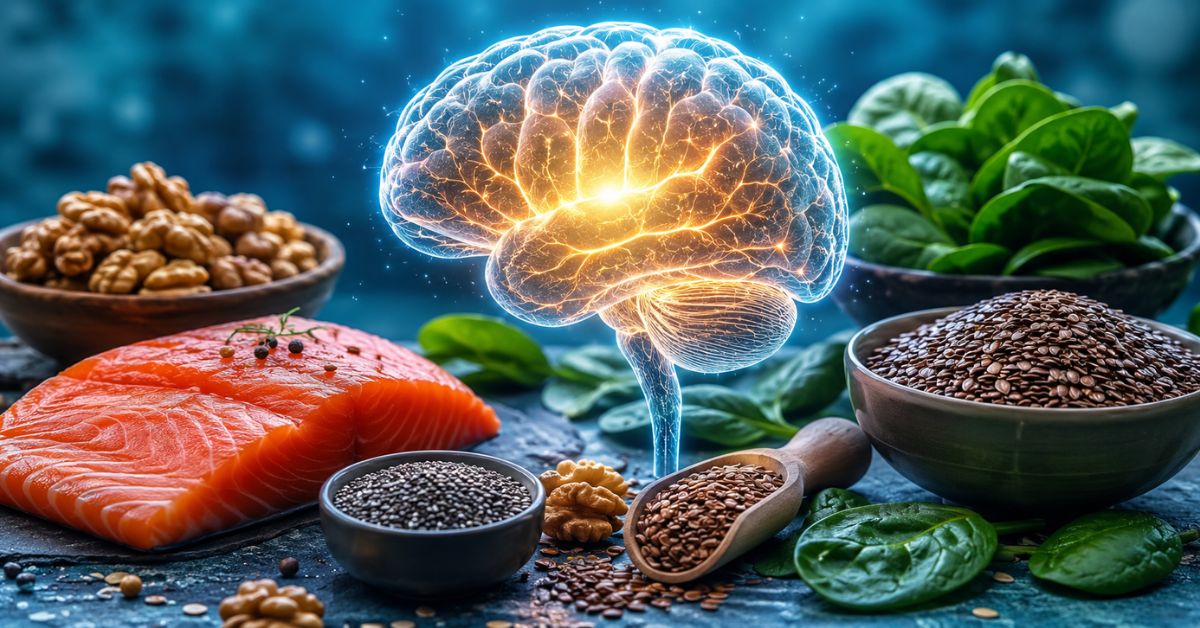
What you eat can play an important role in healthy aging, including the health of your brain. While there is no single food that can guarantee protection from Alzheimer’s disease, research suggests that healthy eating patterns may support cognitive health and may be associated with a lower risk of cognitive decline.
One of the most researched approaches is the MIND diet, which combines elements of the Mediterranean and DASH diets. It emphasizes vegetables, especially leafy greens, berries, whole grains, beans, nuts, fish, and olive oil while limiting red meat, sweets, fried foods, and highly processed foods.
Importantly, no individual food has been proven to prevent Alzheimer’s disease. Instead, researchers are studying how an overall healthy diet may work alongside other lifestyle factors to support brain health.
If you want to make your everyday meals more brain-friendly, adding more of the following foods can be a practical place to start.
What Is the MIND Diet?
MIND stands for Mediterranean-DASH Intervention for Neurodegenerative Delay.
It combines principles from the Mediterranean diet and the DASH diet, with a particular focus on foods that may support cognitive health.
The MIND diet emphasizes:
- Green leafy vegetables
- Other vegetables
- Berries
- Whole grains
- Beans
- Nuts
- Fish
- Olive oil
It also recommends limiting foods such as red meat, sweets, cheese, butter and margarine, fried foods, and fast food.
Several observational studies have linked greater adherence to MIND-style eating with slower cognitive decline or lower dementia risk. However, clinical research has produced more mixed results, so the diet should be viewed as a healthy eating pattern rather than a guaranteed Alzheimer’s prevention method.
15 Foods for Brain Health
1. Leafy Green Vegetables

Leafy greens are one of the most important food groups emphasized by the MIND diet.
Examples include:
- Spinach
- Kale
- Collard greens
- Romaine lettuce
- Swiss chard
- Mustard greens
These vegetables provide a variety of vitamins, minerals, fiber, and plant compounds.
Research has found associations between regular consumption of leafy greens and slower age-related cognitive decline. NIA-funded research has also found that higher adherence to Mediterranean and MIND dietary patterns was associated with fewer signs of Alzheimer’s-related brain pathology, with leafy greens appearing particularly important.
Easy Ways to Eat More Greens
Add spinach to eggs, salads, soups, sandwiches, or smoothies. You can also use leafy greens as the base of a lunch salad instead of relying mainly on refined grains.
2. Berries
Berries are another important food group in the MIND diet.
Good choices include:
- Blueberries
- Strawberries
- Blackberries
- Raspberries
Berries contain plant compounds that are being studied for their potential antioxidant and anti-inflammatory properties.
The MIND diet specifically emphasizes berries over other types of fruit.
You can add berries to oatmeal, plain yogurt, whole-grain cereal, or a homemade smoothie.
However, it is important to remember that berries should be considered part of an overall healthy diet rather than a food that independently prevents Alzheimer’s disease. NIA notes that individual foods have not been proven to prevent Alzheimer’s.
3. Fatty Fish

Fish is another important component of Mediterranean-style eating.
Examples include:
- Salmon
- Sardines
- Trout
- Mackerel
- Tuna
Many types of fish provide omega-3 fatty acids, including DHA, which is important for normal brain function.
Research has found that diets containing regular fish consumption are associated with higher cognitive function and slower cognitive decline with aging. However, research on omega-3 supplements has produced mixed results, so eating fish as part of a balanced diet is different from assuming a fish-oil supplement will prevent Alzheimer’s.
Try adding fish to your meals once or more each week, depending on your dietary preferences and health needs.
4. Extra-Virgin Olive Oil
Olive oil is a major source of healthy unsaturated fat in Mediterranean-style diets.
Instead of using large amounts of butter or highly processed sauces, you can use olive oil in:
- Salads
- Roasted vegetables
- Homemade dressings
- Beans
- Whole grains
- Fish dishes
The goal is not simply to add more calories from oil but to use olive oil as a healthier fat choice within an overall balanced diet.
5. Nuts
Nuts can be an easy brain-friendly snack.
Options include:
- Walnuts
- Almonds
- Pistachios
- Pecans
- Cashews
Nuts provide healthy fats, protein, fiber, vitamins, and minerals.
Choose unsalted or lightly salted nuts when possible. A small handful can be added to oatmeal, salads, yogurt, or eaten as a snack.
Because nuts are calorie-dense, portion size still matters.
6. Beans and Legumes
Beans are an inexpensive and nutritious addition to a brain-friendly eating pattern.
Examples include:
- Black beans
- Kidney beans
- Chickpeas
- Lentils
- Navy beans
- Pinto beans
They provide plant-based protein and fiber and can replace some meals that would otherwise contain large amounts of red or processed meat.
Try adding beans to soups, salads, curries, stews, or grain bowls.
7. Whole Grains
Whole grains are another major part of the MIND diet.
Examples include:
- Oatmeal
- Brown rice
- Whole-wheat bread
- Barley
- Quinoa
- Whole-grain pasta
Whole grains generally provide more fiber and nutrients than refined grains.
You can make simple swaps, such as choosing oatmeal instead of sugary breakfast cereal or brown rice instead of white rice.
8. Other Colorful Vegetables
Leafy greens receive special attention, but other vegetables are important too.
Try including:
- Carrots
- Bell peppers
- Tomatoes
- Broccoli
- Cauliflower
- Zucchini
- Cabbage
- Pumpkin
Eating a variety of vegetables helps provide different nutrients and plant compounds.
A simple rule is to make vegetables a regular part of lunch and dinner rather than treating them as an occasional side dish.
9. Avocados
Avocados provide unsaturated fats along with fiber and other nutrients.
They can be used instead of butter or creamy spreads in some meals.
Try adding sliced avocado to:
- Whole-grain toast
- Salads
- Eggs
- Bean bowls
- Vegetable sandwiches
Avocado is not a proven Alzheimer’s prevention food, but it can fit comfortably into an overall heart- and brain-friendly eating pattern.
10. Tomatoes
Tomatoes are an easy way to increase your vegetable intake.
Fresh tomatoes can be added to salads, sandwiches, soups, sauces, and vegetable dishes.
Instead of focusing on one specific nutrient or food, think about variety. A diet containing different colorful vegetables can provide a broader range of beneficial nutrients.
11. Cruciferous Vegetables

Vegetables such as broccoli, cauliflower, Brussels sprouts, and cabbage can be valuable additions to a healthy diet.
They provide fiber and a variety of vitamins and plant compounds.
Try roasting broccoli with olive oil, adding cauliflower to soups, or using cabbage in salads and stir-fries.
The easiest approach is to rotate vegetables throughout the week rather than eating the same vegetable every day.
12. Seeds
Seeds can provide healthy fats, fiber, protein, and minerals.
Useful choices include:
- Chia seeds
- Flaxseeds
- Pumpkin seeds
- Sunflower seeds
Sprinkle them over oatmeal or yogurt, add them to salads, or incorporate them into homemade energy bites.
As with nuts, portion size matters because seeds can be calorie-dense.
13. Low-Sugar Fruits
Berries are particularly emphasized by the MIND diet, but other whole fruits can also be part of a balanced diet.
Good options include:
- Apples
- Oranges
- Pears
- Peaches
- Plums
Whole fruit is generally preferable to fruit juice because it provides fiber and takes longer to consume.
Instead of drinking a large glass of fruit juice, choose a piece of whole fruit with breakfast or as a snack.
14. Green Tea
Green tea has attracted scientific interest because it contains naturally occurring plant compounds.
Research is exploring whether certain compounds found in tea may influence biological processes related to brain health.
However, green tea should not be viewed as a treatment or proven method for preventing Alzheimer’s disease.
If you enjoy it, unsweetened green tea can be a reasonable alternative to sugary beverages.
15. Plain Yogurt and Other Healthy Foods
Plain yogurt can be part of a balanced diet because it provides protein and nutrients.
Choose options with less added sugar and combine yogurt with berries, nuts, or seeds.
The MIND diet does not simply consist of adding one “superfood” to your diet. Its potential value comes from an overall pattern that emphasizes vegetables, berries, whole grains, beans, nuts, fish, and healthy fats while limiting less nutritious foods.
Foods to Limit for Better Brain and Heart Health
A brain-friendly diet is not only about what you add. It is also about what you eat less often.
The MIND diet recommends limiting several food groups.
1. Red Meat
Red meat can still be included in many people’s diets, but MIND-style eating encourages limiting it.
Instead of making red meat the main protein source every day, rotate between:
- Fish
- Beans
- Lentils
- Poultry
- Nuts
2. Fried Foods
Frequent consumption of fried foods can add substantial amounts of calories and unhealthy fats to the diet.
Try baking, grilling, steaming, roasting, or air-frying foods instead.
3. Sugary Foods
Candy, cakes, cookies, pastries, and other heavily sweetened foods should generally be occasional treats rather than everyday staples.
Reducing added sugar can also make it easier to maintain an overall balanced diet.
4. Fast Food
Fast foods are often high in calories, sodium, saturated fat, and refined carbohydrates.
You do not have to completely eliminate restaurant meals, but choosing grilled foods, vegetables, beans, whole grains, or salads more often can improve the overall quality of your diet.
5. Excessive Butter and Margarine
The MIND diet recommends limiting butter and margarine.
You can often use olive oil or other unsaturated fats instead, depending on your cooking needs and dietary requirements.
Does Diet Really Prevent Alzheimer’s Disease?
This is one of the most important questions to understand.
The answer is not yet proven.
Research suggests that healthy eating patterns may be associated with better cognitive health and potentially lower dementia risk. However, scientists have not established that a particular food or diet can guarantee that a person will not develop Alzheimer’s disease.
For example, observational studies have found promising associations between MIND-style eating and cognitive health. A 2024 analysis involving more than 14,000 participants found that greater adherence to a MIND-style diet was associated with a lower risk of cognitive impairment and slower cognitive decline.
At the same time, the National Institute on Aging notes that clinical trial evidence has been mixed. A recent trial involving 600 older adults found only small cognitive improvements among participants assigned to the MIND diet, similar to the control group.
Therefore, it is more accurate to say that these foods support a healthy dietary pattern associated with brain health rather than saying they prevent Alzheimer’s.
How Diet May Support Brain Health
Researchers are studying several possible connections between diet and brain health.
A healthy eating pattern may support:
- Cardiovascular health
- Healthy blood pressure
- Metabolic health
- Healthy blood sugar levels
- Adequate nutrient intake
- Lower intake of highly processed foods
- Overall healthy aging
This matters because conditions such as high blood pressure, diabetes, obesity, and heart disease are being studied in connection with cognitive decline and Alzheimer’s risk.
Some foods also contain antioxidants and anti-inflammatory compounds, which researchers are investigating for their possible effects on brain aging.
However, scientists are still working to understand exactly how diet influences Alzheimer’s disease.
A Simple One-Day Brain-Friendly Meal Plan
You do not need to completely change your diet overnight.
Here is an example of how MIND-style foods can fit into a normal day.
Breakfast
- Oatmeal
- Blueberries or strawberries
- A small handful of walnuts
- Unsweetened tea
Lunch
- Large leafy-green salad
- Chickpeas or beans
- Tomatoes and bell peppers
- Olive-oil-based dressing
- Whole-grain bread
Afternoon Snack
- Plain yogurt
- Berries
- A few nuts
Dinner
- Grilled salmon
- Brown rice or another whole grain
- Steamed broccoli
- Mixed vegetables
Dessert
- Fresh fruit instead of a highly sugary dessert
This is only an example. A healthy eating pattern can be adapted to different cultures, budgets, dietary preferences, and food availability.
Other Lifestyle Habits That Support Brain Health
Food is only one part of healthy aging.
Research suggests that several lifestyle factors may work together.
Important habits include:
Stay Physically Active
Regular physical activity supports cardiovascular health and healthy aging.
Choose activities that are appropriate for your fitness level, such as walking, swimming, cycling, or strength exercises.
Keep Your Blood Pressure Under Control
High blood pressure is an important risk factor for cardiovascular disease and is also being studied in relation to dementia risk.
Work with a healthcare professional to monitor and manage your blood pressure.
Do Not Smoke
Smoking is harmful to cardiovascular health and overall health.
Quitting smoking can provide health benefits even later in life.
Stay Mentally and Socially Active
Reading, learning new skills, solving puzzles, having conversations, participating in hobbies, and staying socially connected can all be part of an active lifestyle.
Get Adequate Sleep
Good sleep is an important part of overall health.
If you regularly have serious sleep problems, discuss them with a healthcare professional.
Do Alzheimer’s Supplements Work?
You may see supplements marketed as “brain boosters” or “Alzheimer’s prevention supplements.”
Be cautious with these claims.
According to the National Institute on Aging, no vitamin or dietary supplement is currently recommended specifically for preventing Alzheimer’s disease or cognitive decline. Evidence for many supplements remains limited or mixed.
Some supplements can also interact with medications or cause side effects.
Instead of buying a supplement based on an online claim, talk to a healthcare professional about your individual nutritional needs.
Can You Reduce Your Alzheimer’s Risk?
You cannot completely control your risk of Alzheimer’s disease.
Age, genetics, and other factors can influence risk, and researchers are still learning how these factors interact.
However, maintaining a healthy lifestyle can support overall health.
A nutritious diet, regular physical activity, avoiding smoking, managing cardiovascular risk factors, staying socially engaged, and keeping mentally active are all reasonable components of healthy aging.
Conclusion
There is no magic food that can prevent Alzheimer’s disease. However, building a diet around vegetables, leafy greens, berries, whole grains, beans, nuts, fish, and healthy fats can support an overall healthy eating pattern.
The MIND and Mediterranean diets are among the dietary patterns researchers have studied most closely in relation to cognitive health. While the findings are promising, they are not conclusive, so these diets should not be presented as guaranteed Alzheimer’s prevention treatments.
The best approach is to focus on sustainable habits instead of searching for one miracle ingredient.
Add more vegetables to your meals, choose whole grains more often, eat fish regularly if it fits your diet, snack on nuts and berries, use healthy fats such as olive oil, and limit highly processed and sugary foods.
Combined with regular physical activity, good cardiovascular health, adequate sleep, mental stimulation, and other healthy habits, a balanced diet can be an important part of healthy aging.
FAQs
What are the best foods for brain health?
Foods commonly emphasized in brain-healthy eating patterns include leafy green vegetables, berries, whole grains, beans, nuts, fish, and olive oil.
Can blueberries prevent Alzheimer’s?
No single food, including blueberries, has been proven to prevent Alzheimer’s disease. Blueberries can, however, be part of a healthy dietary pattern.
Is the MIND diet proven to prevent Alzheimer’s?
No. Research has found promising associations between MIND-style eating and cognitive health, but clinical evidence is still mixed.
How often should I eat fish for brain health?
The MIND diet includes at least one serving of fish per week. Individual dietary needs can vary, so choose fish according to your overall diet and health needs.
Are nuts good for brain health?
Nuts are included in the MIND diet and provide healthy fats, fiber, protein, vitamins, and minerals. They can be part of a balanced diet when eaten in appropriate portions.
Should I take supplements to prevent Alzheimer’s?
There is currently no vitamin or supplement specifically recommended for preventing Alzheimer’s disease. Talk with a healthcare professional before starting supplements, especially if you take medications.
What foods should I limit?
MIND-style eating recommends limiting red meat, sweets, fried foods, fast foods, and foods high in saturated fats such as butter and certain high-fat dairy products.
Is diet the only way to protect brain health?
No. Diet is only one part of healthy aging. Physical activity, cardiovascular health, mental stimulation, social engagement, adequate sleep, and avoiding smoking can also matter.
What is the easiest change to make?
Start small. Add one serving of vegetables to your daily meals, replace refined grains with whole grains, choose fruit instead of sugary snacks, and include beans, nuts, or fish more regularly.
Medical Disclaimer:
This article is for general educational purposes only and is not medical advice. Eating a healthy diet may support overall health, but no specific food or diet is guaranteed to prevent Alzheimer’s disease. If you have concerns about memory, cognitive changes, medications, or your personal risk of dementia, speak with a qualified healthcare professional.

Credit Card for Beginners USA: Essential Complete Guide to Start Smart in 2026
Credit Card for Beginners USA. If you are new to…

10 Surprising Uses for Rubber Bands Around the House
Have you ever opened a drawer and found a bunch…

Top 10 Uses of Convex Mirror in Your Daily Life (2026 Guide)
Uses of Convex Mirror in Daily Life. Have you ever…

200+ Love Quotes in English (Copy & Paste)
Love is a deep and powerful emotion that connects people…





Leave a Reply