
Keeping your dog clean and well-groomed is about much more than making your pet look cute. Regular grooming helps remove dirt, loose hair, and odors while giving you a chance to notice changes in your dog’s skin, coat, ears, paws, teeth, and nails.
The good news is that you do not always need to visit a professional groomer for basic maintenance. With the right tools, a little patience, and a calm routine, you can safely do many everyday grooming tasks at home.
Whether you have a short-haired puppy, a fluffy adult dog, or a breed with a thick double coat, these dog grooming tips can help you create a simple home grooming routine.
Why Regular Dog Grooming Matters
Regular grooming supports your dog’s overall cleanliness and comfort. Brushing removes loose fur and helps prevent mats, while bathing removes built-up dirt and odors.
Grooming also allows you to check your dog regularly. You may notice dry skin, redness, unusual lumps, irritated paws, parasites, or changes around the ears before they become more noticeable.
However, home grooming should focus on routine care rather than complicated procedures. If your dog has a serious skin problem, badly matted fur, an injured nail, or another health concern, contact a veterinarian or qualified professional groomer.
1. Gather the Right Dog Grooming Tools
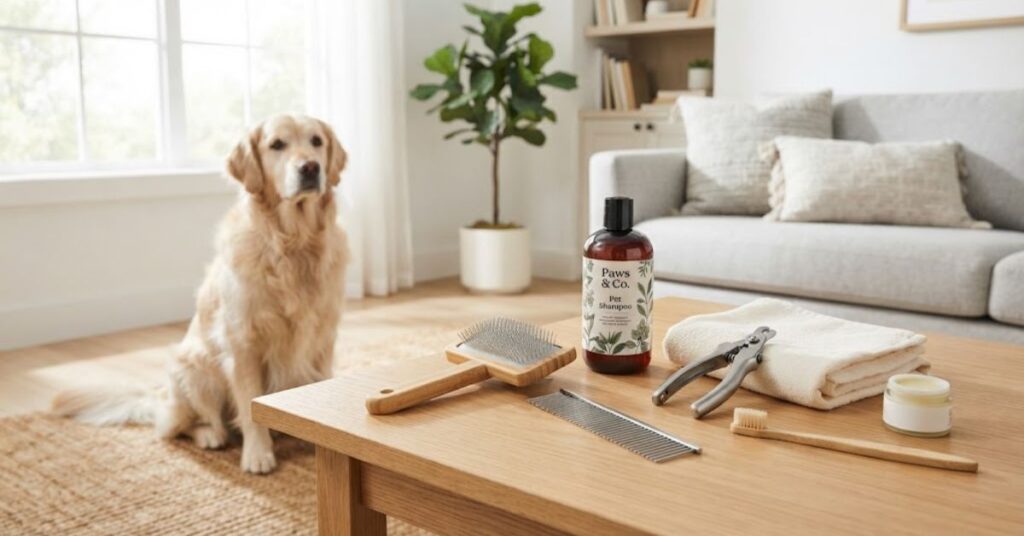
Before starting, prepare everything you need. Having your supplies nearby can make grooming less stressful for both you and your dog.
Depending on your dog’s coat and needs, your basic grooming kit may include:
- A suitable dog brush or comb
- Dog shampoo
- Absorbent towels
- A non-slip bath mat
- Dog nail clippers or a suitable nail grinder
- Dog toothbrush and dog-safe toothpaste
- Cotton pads for gentle ear cleaning
- A grooming table or secure non-slip surface
- A hair dryer designed for pets, if appropriate
- Treats for positive reinforcement
Choose tools according to your dog’s coat type. A slicker brush may work well for some longer coats, while a bristle brush may be more suitable for certain short-haired dogs.
Avoid using human shampoo or household cleaning products on your dog. Products made for people can be unsuitable for canine skin.
2. Start Grooming When Your Dog Is Calm
One of the most important dog grooming tips is to avoid forcing your pet into a grooming session when they are frightened or highly excited.
Choose a quiet time when your dog is relaxed. Let your dog sniff the brush, comb, towel, or other equipment before using it.
Start with short sessions. If your dog becomes uncomfortable, take a break and try again later.
Reward calm behavior with praise, attention, or small treats. Over time, your dog can learn that grooming is a normal and positive part of life.
3. Brush Your Dog Regularly
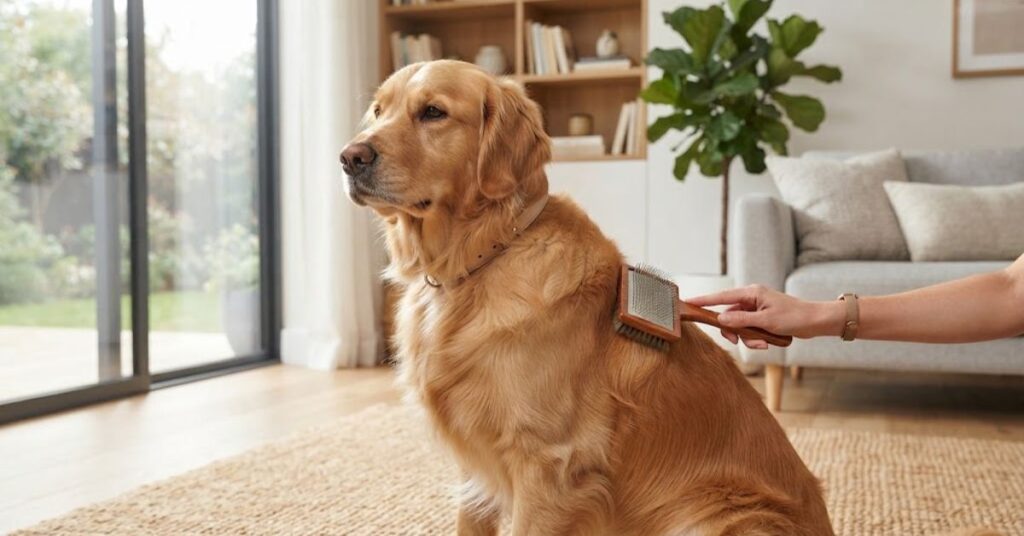
Brushing is one of the easiest grooming habits to establish at home.
Regular brushing removes loose hair, dirt, and debris from the coat. It can also help distribute natural oils throughout the fur, which may make the coat look healthier.
The ideal brushing schedule depends on the dog’s coat.
Short-haired dogs may need brushing once or twice a week, while dogs with long, curly, or thick coats may require much more frequent brushing.
When brushing:
- Start gently.
- Work in small sections.
- Brush in the direction of hair growth when appropriate.
- Pay attention to areas where tangles commonly form.
- Check the skin as you work.
- Reward your dog for remaining calm.
Never aggressively pull through a large mat. Severe mats can be painful and may require professional assistance.
4. Check for Mats and Tangles
Long-haired and curly-coated dogs can develop mats quickly, particularly behind the ears, under the legs, around the collar, and near the tail.
Run your fingers gently through the coat while brushing. If you find a small tangle, carefully work through it with an appropriate comb or brush.
Do not cut mats close to the skin with household scissors. Dog skin can easily be caught accidentally, especially when a mat is tight against the body.
For extensive or tightly packed mats, professional grooming is usually the safest option.
5. Bath Your Dog When Needed
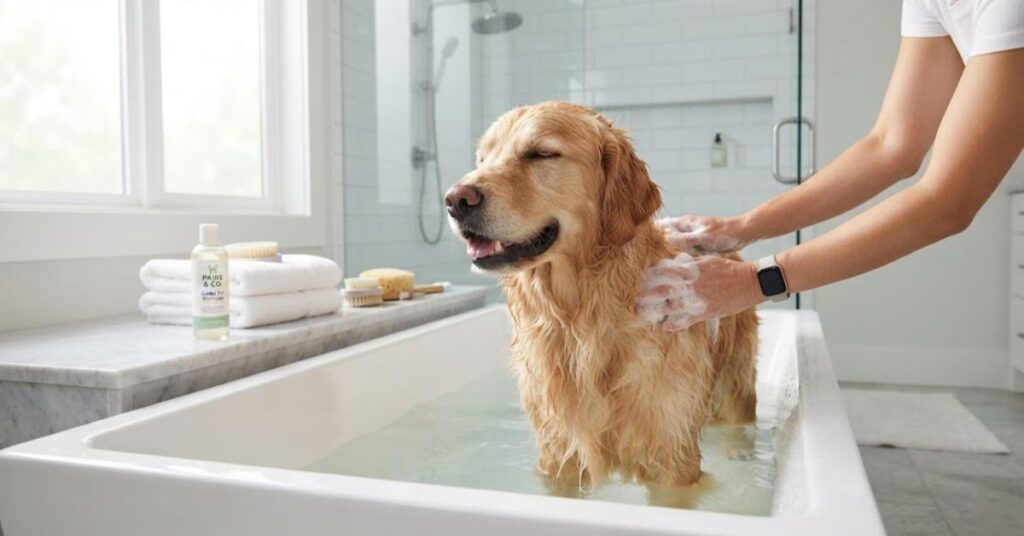
Dogs do not necessarily need frequent baths. Bathing too often can sometimes dry or irritate the skin, depending on the dog and the products used.
How often your dog needs a bath depends on factors such as:
- Coat type
- Outdoor activity
- Lifestyle
- Skin condition
- Exposure to dirt
- Odor
- Veterinary recommendations
Before bathing, brush the coat to remove loose fur and tangles.
Use lukewarm water and a dog-specific shampoo. Keep shampoo away from the eyes and avoid getting water directly into the ear canals.
Rinse thoroughly because leftover shampoo can irritate the skin.
Afterward, gently towel-dry your dog. If using a dryer, use a pet-safe dryer or an appropriate low, cool setting and keep it moving rather than concentrating heat on one area.
6. Make Bath Time Less Stressful
Some dogs love water, while others act as though bath time is the worst event of the week.
You can make bathing easier by preparing everything beforehand.
Place a non-slip mat in the tub or bathing area so your dog has secure footing. Speak calmly and reward cooperative behavior.
Avoid spraying water directly into your dog’s face. Instead, use a gentle stream around the body and clean the face separately with a damp cloth if appropriate.
Keep the experience calm and efficient.
If your dog becomes extremely frightened or aggressive during bathing, do not turn the process into a struggle. A professional groomer or veterinarian can help you determine a safer approach.
7. Trim Your Dog’s Nails Carefully
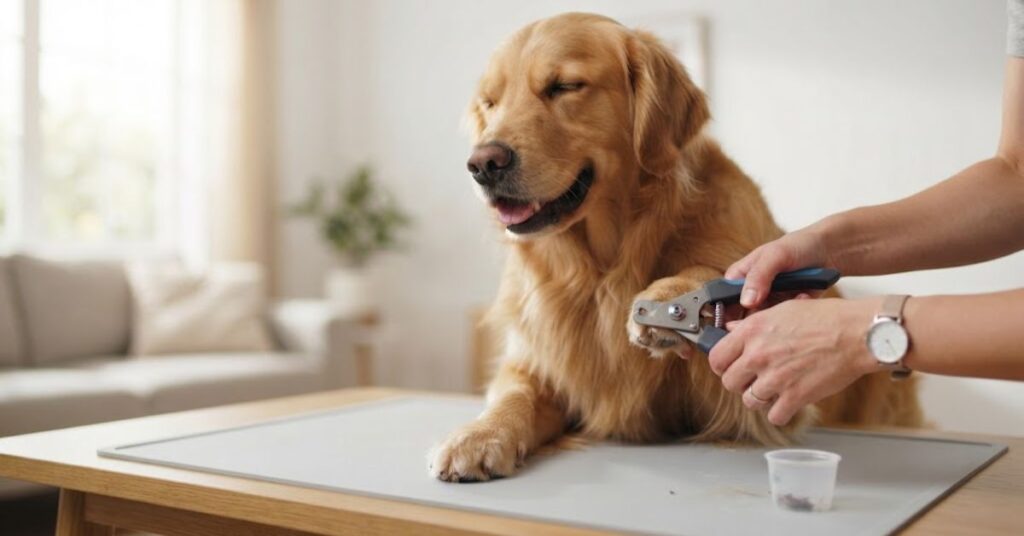
Overgrown nails can affect the way a dog walks and may become uncomfortable.
Regular nail checks are therefore an important part of home grooming.
The biggest concern when trimming nails is the quick, which contains blood vessels and nerves. Cutting into it can cause pain and bleeding.
If you are new to nail trimming, start by simply touching your dog’s paws and rewarding calm behavior.
When you are ready to trim:
- Use tools designed for dogs.
- Trim only a small amount at a time.
- Keep your dog calm.
- Check the nail after each cut.
- Have styptic powder or another appropriate bleeding-control product available.
- Stop if your dog becomes highly distressed.
If you are unsure where to cut, ask a veterinarian or professional groomer to demonstrate the technique.
8. Keep Your Dog’s Paws Clean
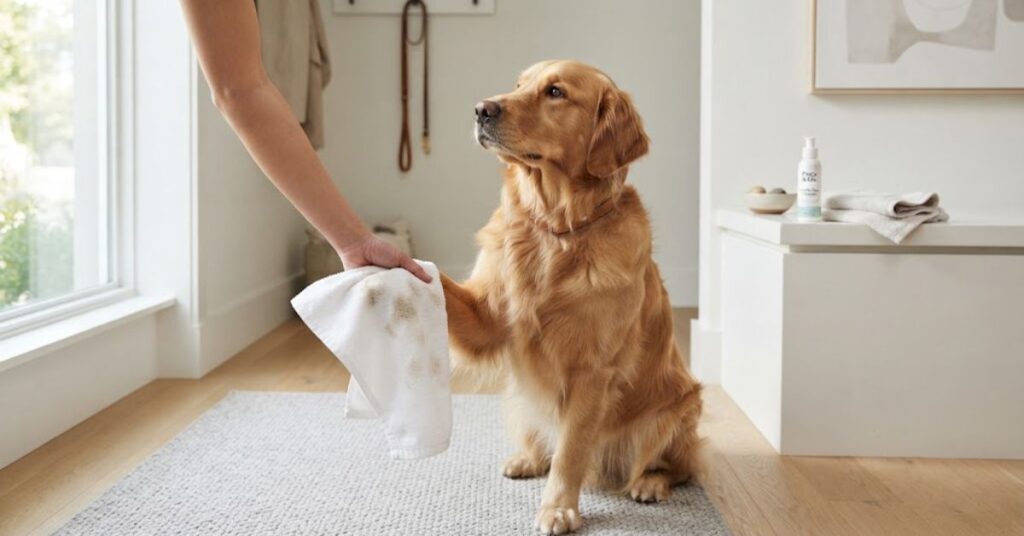
Your dog’s paws can collect dirt, mud, grass, and other debris during walks and outdoor play.
Make checking the paws part of your grooming routine.
Look between the toes and around the paw pads. Remove visible dirt gently with a damp cloth or rinse the paws when necessary.
Long hair between the paw pads can sometimes collect debris, but trimming this area requires care. If you are unsure how much to trim, have a professional groomer handle it.
After walks during wet weather, dry the paws thoroughly.
9. Check and Clean Your Dog’s Ears
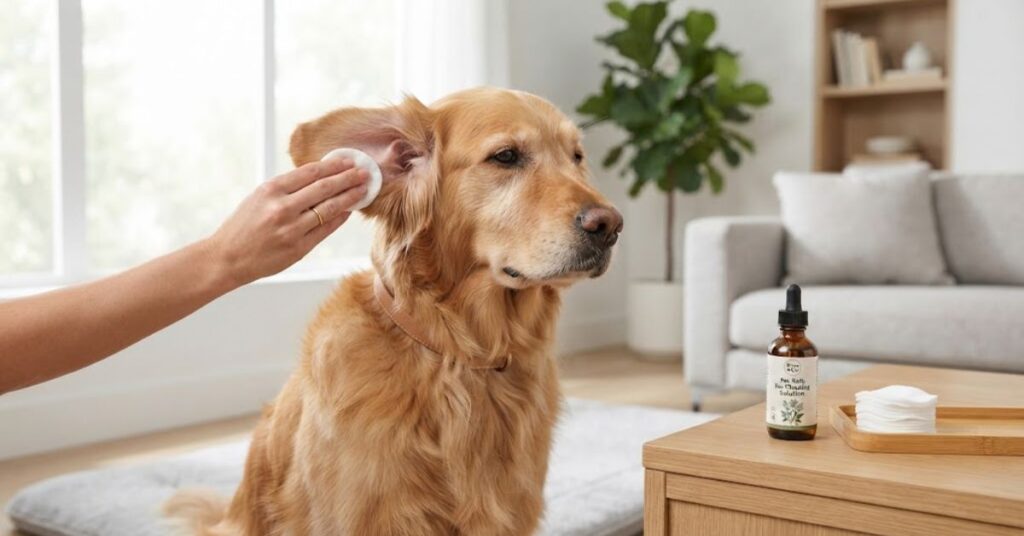
Ear care should be gentle.
Some dogs need regular ear cleaning, while others require very little maintenance. Dogs with floppy ears or certain ear problems may need more frequent checks.
Look for signs such as:
- Redness
- Swelling
- Strong odor
- Excessive discharge
- Frequent scratching
- Repeated head shaking
These can indicate a problem that requires veterinary attention.
For routine cleaning, use a veterinarian-recommended dog ear cleaner and follow the product instructions.
Never insert cotton swabs deep into your dog’s ear canal. Avoid using homemade solutions unless your veterinarian specifically recommends one.
10. Brush Your Dog’s Teeth
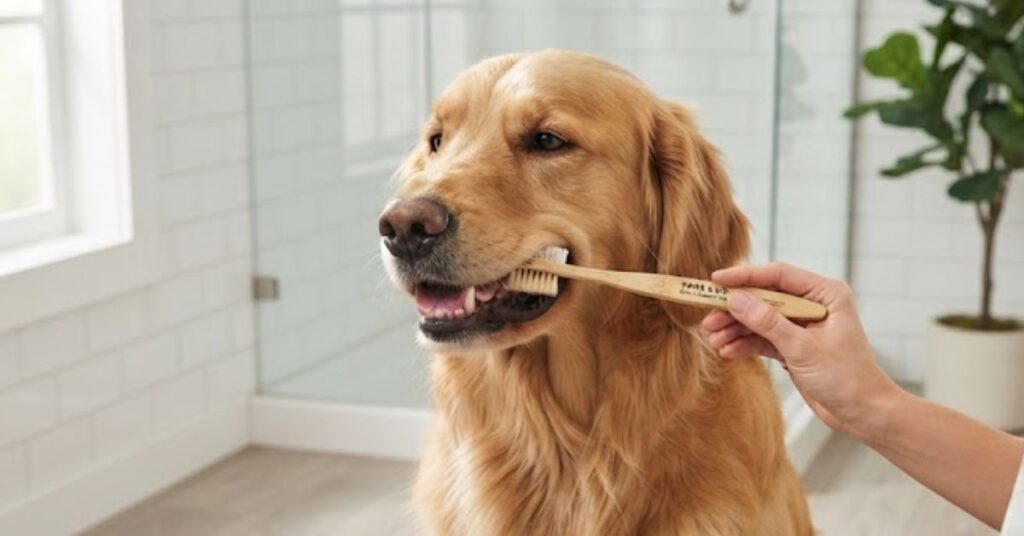
Dental care is another important part of grooming that is easy to overlook.
Plaque can build up on teeth and contribute to dental problems. Regular tooth brushing can help support oral hygiene.
Use a toothbrush and toothpaste specifically made for dogs. Human toothpaste should not be used because some ingredients can be harmful if swallowed.
Introduce brushing slowly.
First, let your dog become comfortable with having your fingers near the mouth. Then introduce the toothbrush and gradually begin brushing.
Focus on the outside surfaces of the teeth and keep sessions short at first.
If you notice persistent bad breath, swollen gums, bleeding, loose teeth, or difficulty eating, contact your veterinarian.
11. Keep Your Dog’s Face Clean
Some dogs, especially those with facial folds or long hair around the eyes and mouth, may need additional cleaning.
Use a clean, soft, damp cloth to gently wipe away dirt around the face.
Be especially careful around the eyes. Do not use household cleaners, scented wipes, or products that are not designed for dogs.
If you notice excessive tearing, discharge, redness, swelling, or discomfort around the eyes, seek veterinary advice instead of trying to solve the problem through grooming alone.
12. Groom According to Your Dog’s Coat Type
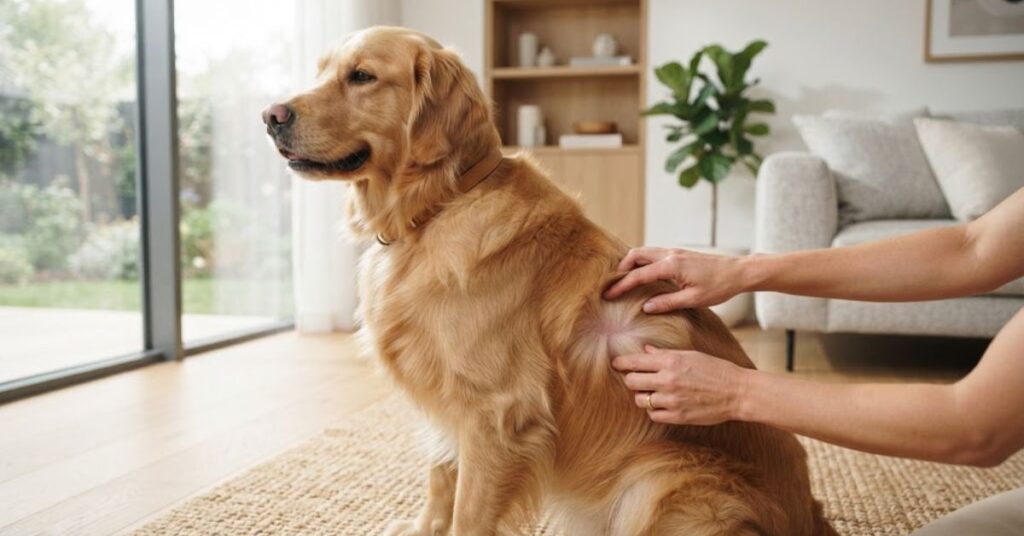
Not every dog should be groomed in the same way.
Short-haired dogs
Short-haired breeds often need relatively simple grooming. Regular brushing can remove loose fur and help keep the coat clean.
Long-haired dogs
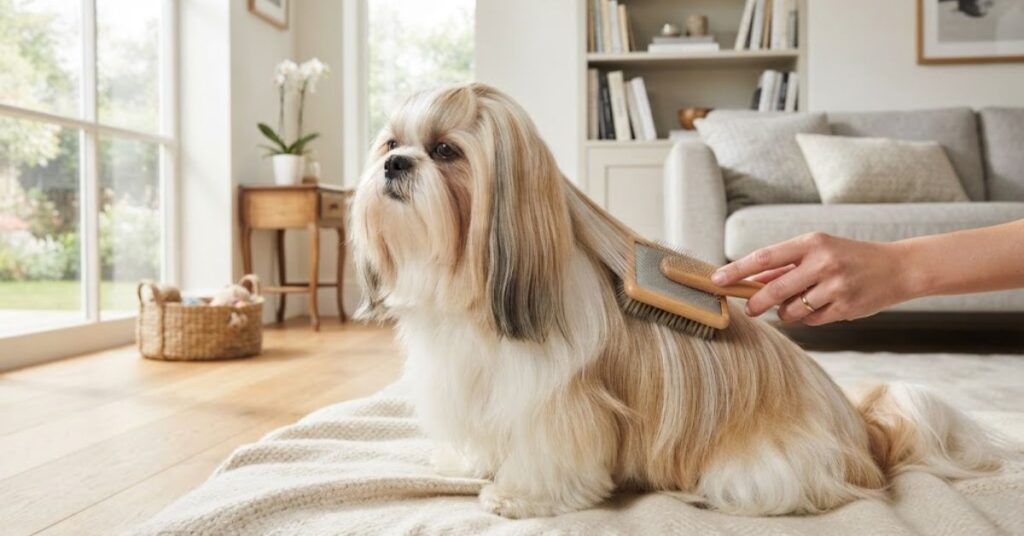
Long coats may require frequent brushing to prevent tangles and mats.
Pay particular attention to areas behind the ears, around the legs, and under the collar.
Curly-coated dogs
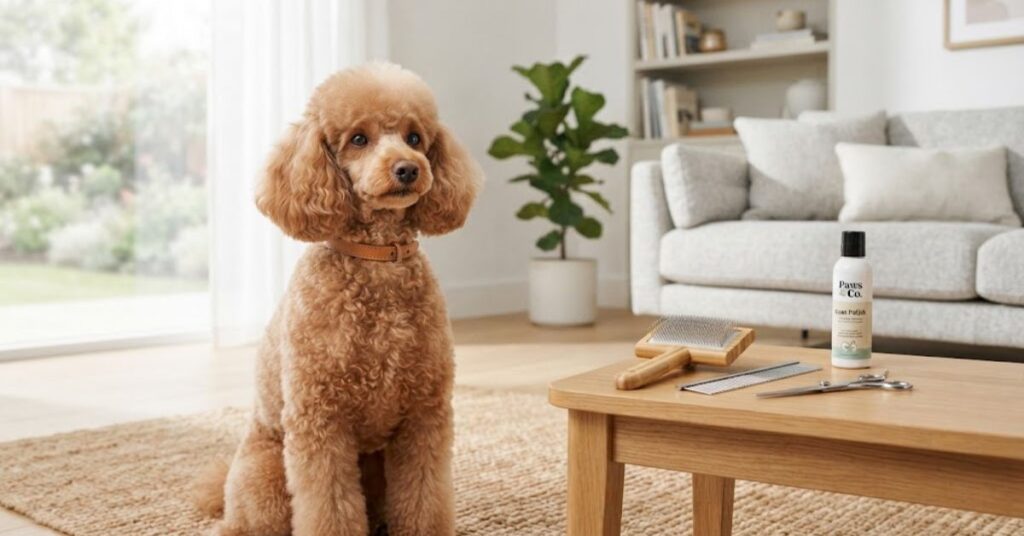
Curly coats can mat easily and often require consistent brushing and professional grooming.
Double-coated dogs
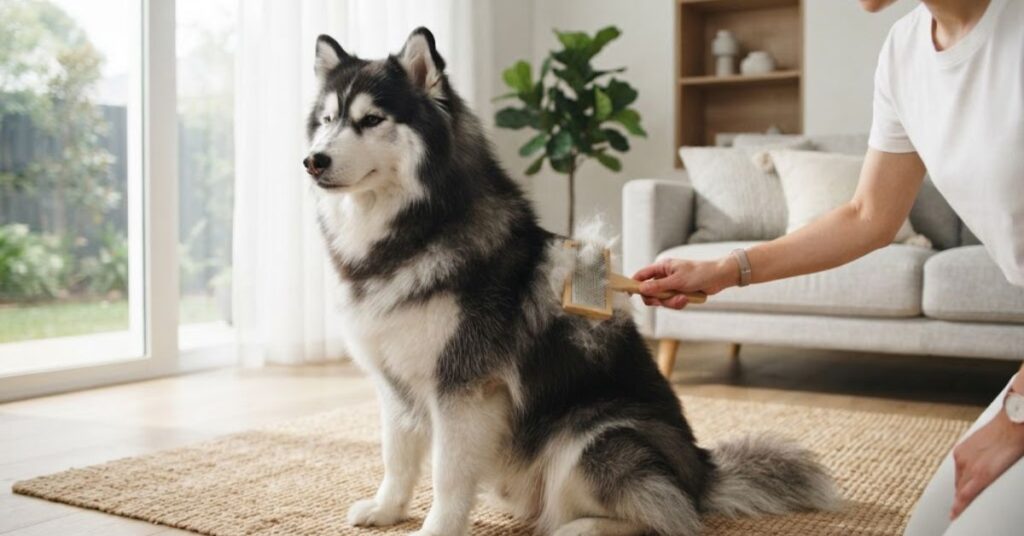
Dogs with double coats shed their undercoat seasonally. Regular brushing can help remove loose undercoat.
Avoid shaving a double-coated dog simply because they shed. Their coat has an important role in protecting the skin and regulating temperature.
If you are unsure about your dog’s coat, ask a professional groomer or veterinarian for breed-specific advice.
13. Do Not Use Household Scissors for Major Haircuts
It may be tempting to give your dog a quick haircut using scissors from your desk drawer.
However, this can be risky.
Dogs move unexpectedly, and their skin can be difficult to distinguish from tightly tangled fur. A sudden movement can result in an accidental cut.
Basic trimming should be limited to tasks you understand and can perform safely. For major haircuts, breed-specific styling, severe mats, or complicated grooming, use a qualified professional.
14. Turn Grooming Into a Regular Routine
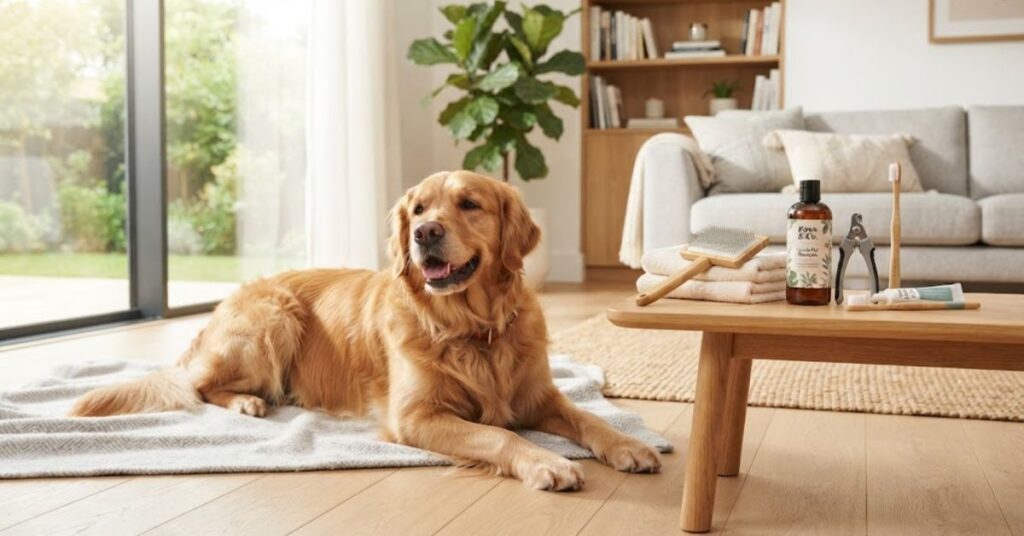
Consistency is more important than having a long grooming session once in a while.
Create a simple routine based on your dog’s needs.
For example:
Daily:
Check paws, coat, eyes, and general cleanliness.
Several times a week:
Brush the coat according to coat type.
Weekly:
Inspect ears, nails, teeth, and skin.
As needed:
Bathe your dog and clean dirty paws or facial areas.
Regularly:
Schedule professional grooming when your dog’s breed or coat requires it.
Your dog’s routine may look different depending on age, breed, coat, lifestyle, and health.
15. Know When to Call a Professional
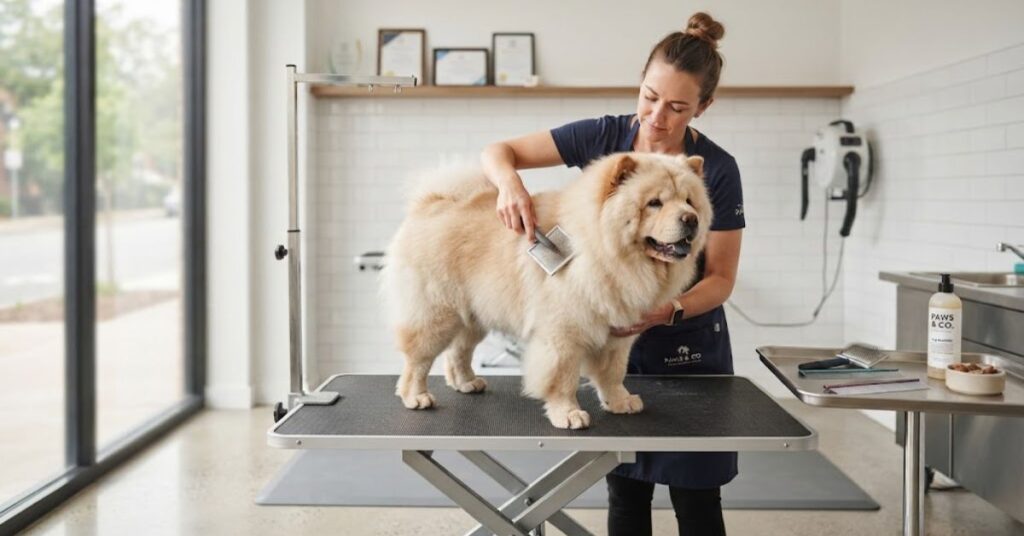
Home grooming is excellent for routine maintenance, but it cannot replace professional care in every situation.
Consider professional grooming if your dog has:
- Severe matting
- A coat that requires specialized clipping
- Extreme anxiety during grooming
- Difficulty standing or staying still
- A complicated haircut requirement
- Severely overgrown nails
- Skin problems that need attention
- A grooming-related injury
A veterinarian should handle medical problems rather than relying on grooming alone.
Common Dog Grooming Mistakes to Avoid
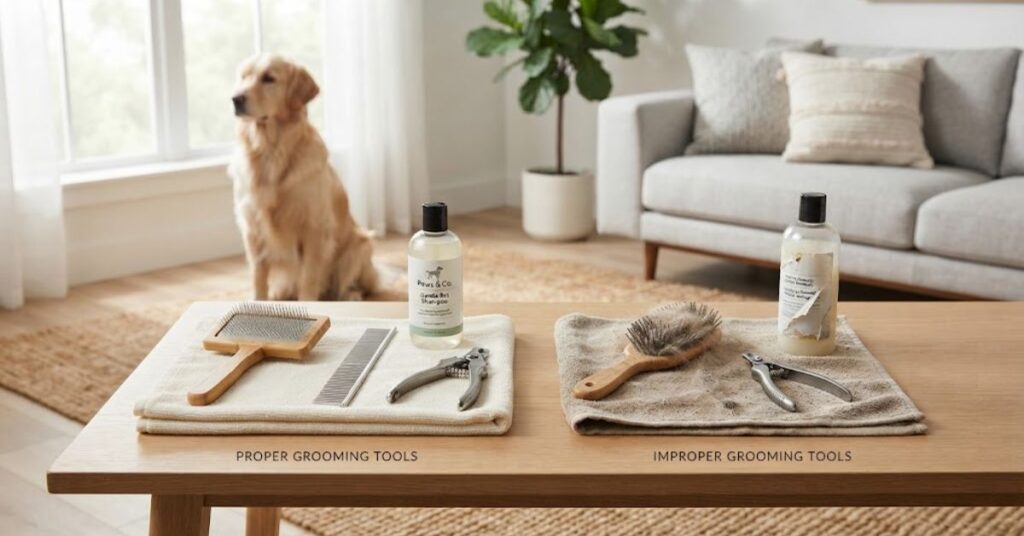
Even well-intentioned pet owners can make grooming mistakes.
Bathing too often
Frequent bathing can contribute to dry or irritated skin in some dogs. Follow a sensible schedule based on your dog’s individual needs.
Using human products
Human shampoo, toothpaste, and other personal-care products are not automatically safe for dogs.
Choose products specifically formulated for pets.
Pulling through painful mats
Never aggressively yank at tightly tangled fur. This can hurt your dog and damage the skin.
Cutting nails too quickly
Taking off too much nail can cause bleeding and pain. Small, controlled trims are safer.
Ignoring your dog’s body language
Whining, freezing, growling, pulling away, excessive panting, or repeated attempts to escape may indicate that your dog is stressed.
Take a break and reassess.
Trying complicated haircuts without experience
A professional groomer has the tools and training to handle complicated coat styles safely.
How to Make Your Dog Enjoy Grooming
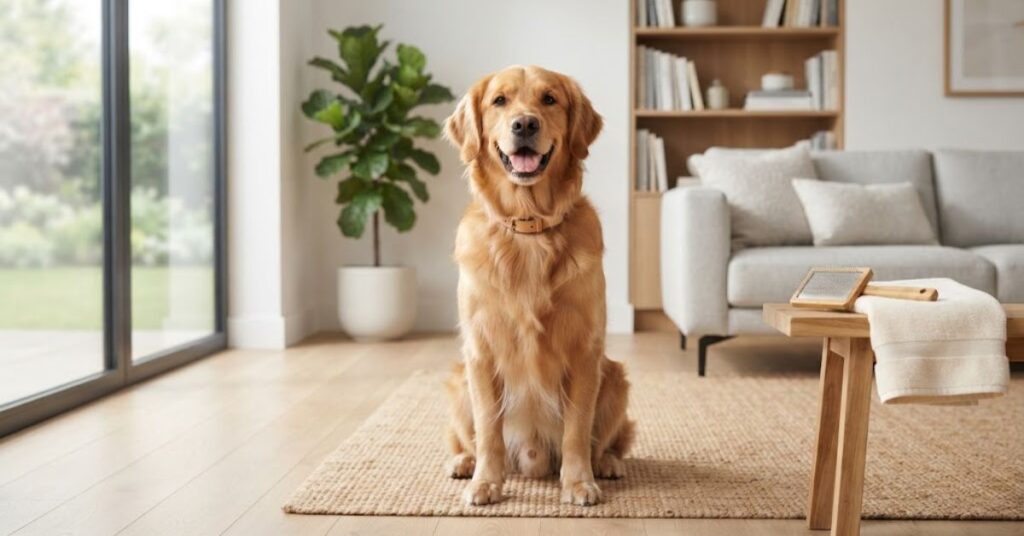
Positive reinforcement can make a significant difference.
Start with very short sessions. Give your dog a reward after calm behavior.
For example, you might:
- Show your dog the brush.
- Reward calm behavior.
- Touch the coat with the brush.
- Reward again.
- Brush one small section.
- Take a break.
- Gradually increase grooming time.
This approach can help your dog build positive associations with grooming.
Never punish your dog for being afraid of grooming. Fear can become stronger when the experience is associated with punishment.
How Often Should You Groom Your Dog?
There is no single grooming schedule that works for every dog.
A short-haired dog that spends most of its time indoors may require less brushing than a long-haired dog that spends lots of time outdoors.
As a general guide:
| Grooming Task | Typical Frequency |
| Coat brushing | Several times a week or as needed |
| Bathing | As needed |
| Nail checks | Weekly |
| Tooth brushing | Ideally regularly |
| Ear checks | Weekly or as recommended |
| Paw checks | Frequently, especially after walks |
| Professional grooming | Based on breed and coat |
Your veterinarian or groomer can recommend a more specific routine for your dog.
Frequently Asked Questions
Can I groom my dog at home?
Yes. Many routine tasks, including brushing, bathing, basic paw cleaning, and dental care, can be performed at home when done correctly.
How often should I brush my dog?
It depends on the coat. Short-haired dogs may need brushing once or twice a week, while long or curly coats may need daily brushing.
Can I use human shampoo on my dog?
It is better to use shampoo specifically formulated for dogs. Human shampoos may not be suitable for canine skin.
How often should I bathe my dog?
Bathing frequency depends on your dog’s coat, lifestyle, activity level, and skin needs. Bathe when necessary rather than following a one-size-fits-all schedule.
How can I stop my dog from being afraid of grooming?
Start slowly, keep sessions short, use positive reinforcement, and introduce grooming tools gradually.
Should I shave my dog in summer?
Not necessarily. Some dogs, particularly double-coated breeds, should not be shaved simply to keep them cool. Ask a veterinarian or professional groomer about your dog’s specific coat.
What should I do if I accidentally cut my dog’s nail too far?
Stay calm and apply an appropriate pet-safe bleeding-control product according to its directions. If bleeding does not stop or you are concerned about the injury, contact your veterinarian.
Final Thoughts
Learning how to groom your dog at home can make pet care easier while helping you build a stronger relationship with your furry companion.
The most important dog grooming tips are to choose the right tools, work slowly, use dog-safe products, pay attention to your pet’s body language, and avoid grooming tasks that are beyond your experience.
Regular brushing, bathing when needed, nail checks, paw care, ear checks, and dental care can all become simple parts of your routine.
Most importantly, grooming should be a calm and positive experience. Take your time, reward good behavior, and remember that professional help is always an option when a grooming task becomes difficult or unsafe.



Leave a Reply