
Ever wonder why professional housekeepers can make a home look spotless in a fraction of the time it takes most people? It’s not because they work harder; it’s because they work smarter. Professional cleaners follow proven methods, use the right tools, and stick to efficient routines that help them clean thoroughly without wasting time.
The good news is that you don’t need years of cleaning experience to achieve the same results. By adopting a few simple housekeeping habits, you can keep your home cleaner, healthier, and easier to maintain every day.
In this guide, you’ll discover 20 things professional housekeepers always do to keep homes sparkling clean. These practical tips are easy to follow and can save you both time and effort.
What Makes Professional Housekeepers Different?
Professional housekeepers don’t simply clean what’s visible. They follow a system that ensures every room is cleaned efficiently while preventing dirt from spreading from one area to another.
Some of their biggest strengths include:
- Working with a cleaning plan rather than cleaning randomly.
- Using the correct cleaning product for each surface.
- Cleaning from top to bottom.
- Following a consistent routine.
- Paying attention to small details many homeowners overlook.
These habits help them deliver consistent results every single time.
1. They Always Clean from Top to Bottom
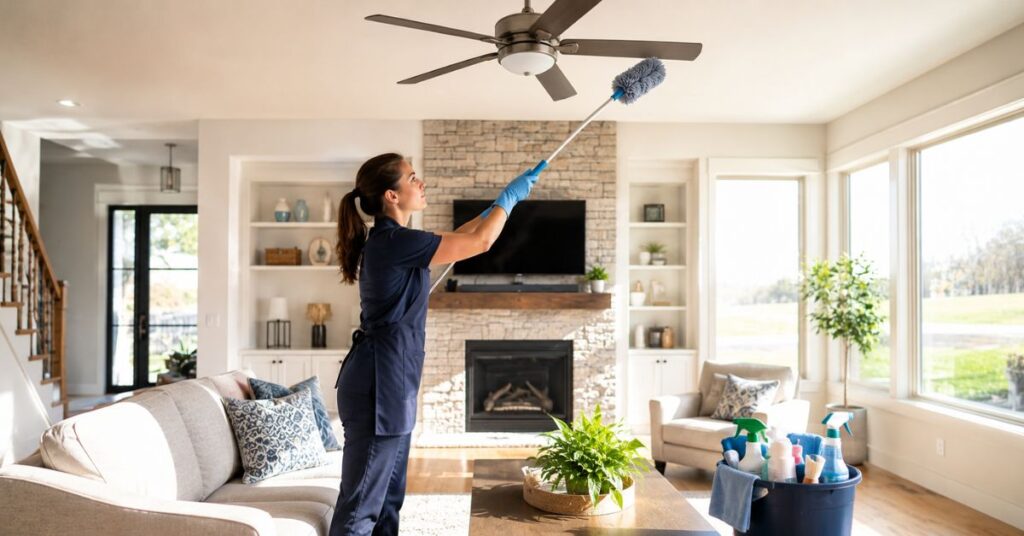
One of the biggest secrets professional housekeepers follow is cleaning from the highest surfaces down to the lowest.
Dust naturally falls downward. If you vacuum first and dust afterward, you’ll end up cleaning the floor twice.
Professional cleaners usually follow this order:
- Ceiling fans
- Light fixtures
- Shelves
- Furniture
- Countertops
- Floors
Why It Works
Cleaning from top to bottom prevents dust and debris from landing on areas you’ve already cleaned, making the entire process faster and more efficient.
Professional Tip: Always save vacuuming and mopping for the very end.
2. They Declutter Before They Start Cleaning
Professional housekeepers never waste time cleaning around clutter.
Before wiping any surface, they remove:
- Toys
- Papers
- Clothes
- Dishes
- Decorations that can be moved safely
A clutter-free room is much quicker to clean and looks dramatically better once finished.
Why It Works
Less clutter means fewer obstacles, allowing every surface to be cleaned properly.
3. They Use Microfiber Cloths Instead of Paper Towels
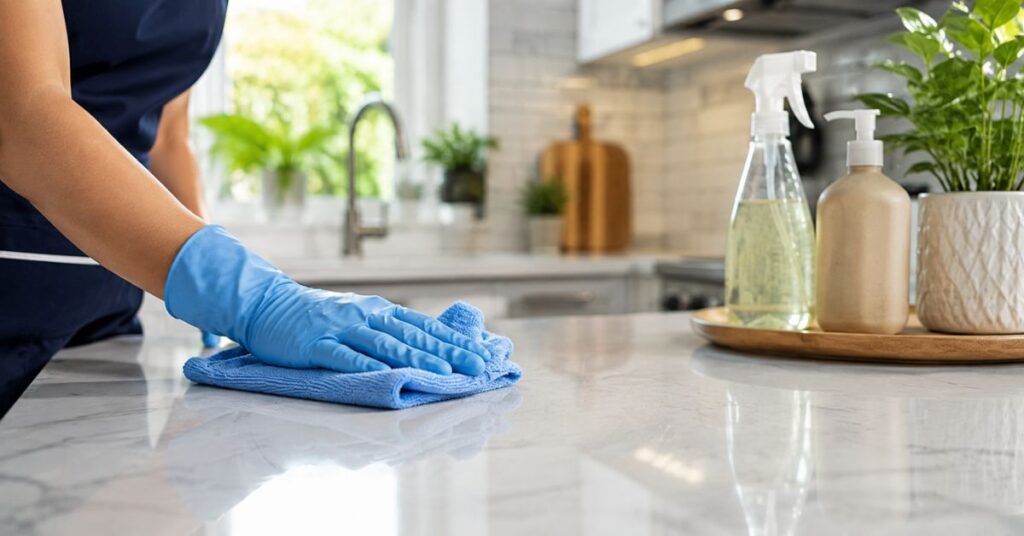
Microfiber cloths are one of the favorite tools used by professional cleaners.
Unlike paper towels, microfiber traps dust, grease, and bacteria instead of simply pushing them around.
Benefits include:
- Reusable
- More absorbent
- Streak-free cleaning
- Better dust removal
- Environmentally friendly
Professional housekeepers often keep separate microfiber cloths for kitchens, bathrooms, glass, and general dusting to prevent cross-contamination.
4. They Clean One Room at a Time
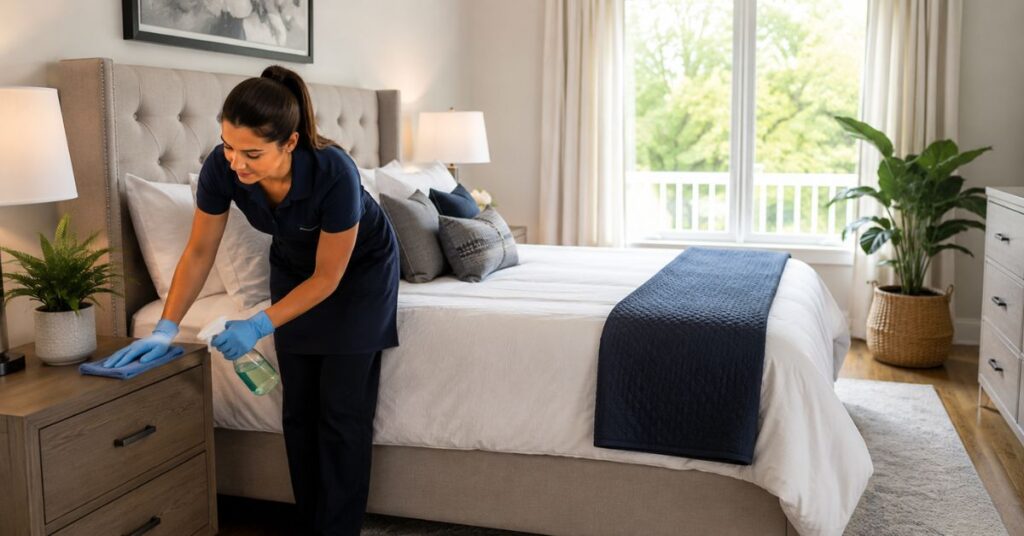
Many homeowners jump between rooms, which wastes both time and energy.
Professional housekeepers complete one room before moving to the next.
For example:
Kitchen → Bathroom → Bedrooms → Living Room
This organized approach ensures nothing gets forgotten.
Why It Works
Room-by-room cleaning improves focus and creates visible progress, keeping motivation high.
5. They Always Follow a Cleaning Checklist
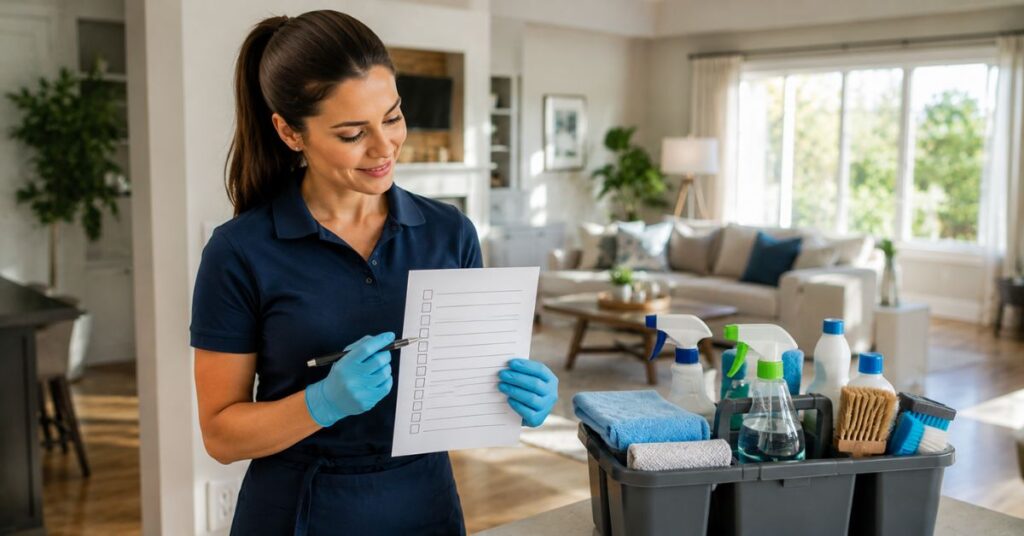
Professional cleaners rarely rely on memory.
Instead, they follow a checklist that includes every important task.
A simple checklist may include:
✔ Dust furniture
✔ Clean mirrors
✔ Wipe countertops
✔ Sanitize high-touch surfaces
✔ Vacuum carpets
✔ Mop floors
Why It Works
Checklists improve consistency and reduce the chance of missing hidden areas.
6. They Let Cleaning Products Do the Work
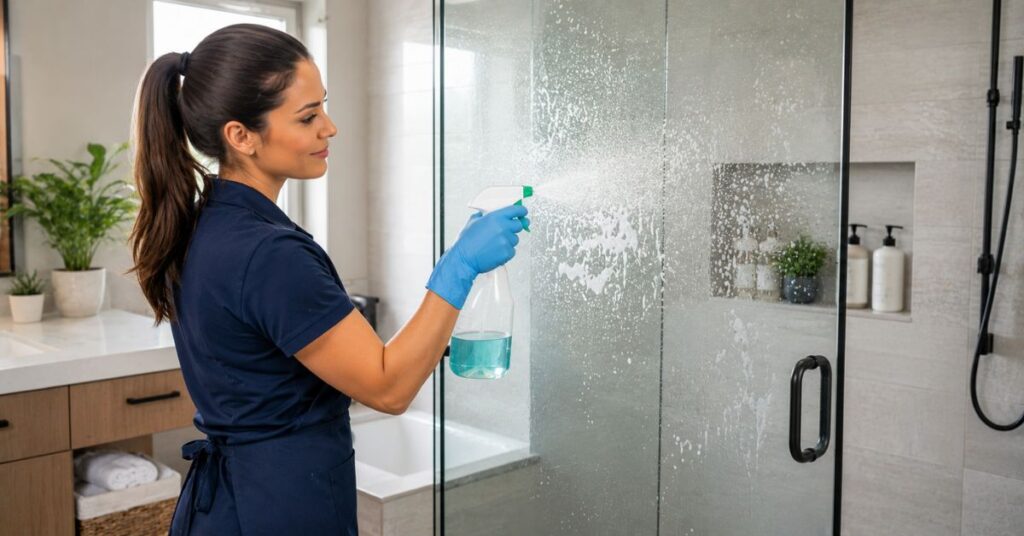
Many people spray a cleaner and wipe it away immediately.
Professional housekeepers know better.
Most disinfectants and bathroom cleaners need several minutes to break down grease, soap scum, and bacteria.
They typically:
- Spray the cleaner.
- Leave it for several minutes.
- Clean another area while waiting.
- Return and wipe the surface.
Why It Works
Allowing products to sit reduces scrubbing and produces better cleaning results.
7. They Disinfect High-Touch Surfaces Every Day
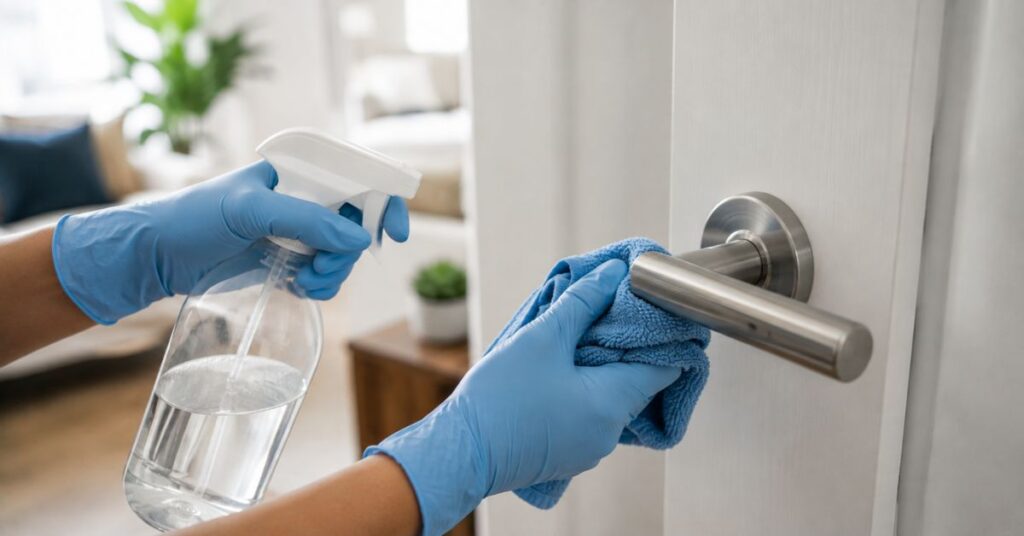
Professional housekeepers pay special attention to areas people touch constantly.
Examples include:
- Door handles
- Light switches
- Refrigerator handles
- Cabinet handles
- TV remotes
- Faucet handles
- Toilet flush handles
These surfaces collect germs faster than almost any other area in the home.
Daily disinfecting helps reduce the spread of bacteria and viruses.
8. They Vacuum Before Mopping
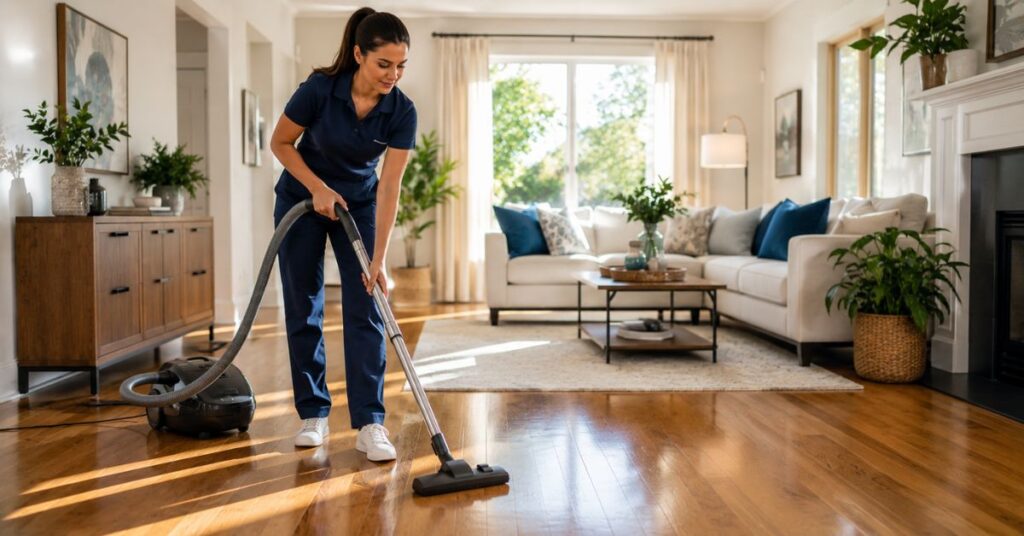
One of the most common cleaning mistakes is mopping before vacuuming or sweeping. Professional housekeepers always remove loose dirt, crumbs, pet hair, and dust before using a mop.
Vacuuming first prevents dirt from turning into muddy streaks on the floor and allows the mop to clean the surface instead of simply moving debris around.
Why It Works
A clean floor starts with removing dry debris first. This simple habit also helps protect hardwood, laminate, and tile floors from scratches caused by grit.
Professional Tip: Use the vacuum’s edge attachment along baseboards and corners where dust tends to collect.
9. They Change Cleaning Water Regularly
Professional housekeepers never clean an entire home with the same bucket of dirty water.
As cleaning continues, water quickly fills with dust, grease, and bacteria. Using dirty water only spreads grime from one room to another.
Instead, they:
- Replace mop water when it becomes cloudy.
- Rinse microfiber cloths frequently.
- Wash sponges after each major cleaning task.
- Use fresh water for kitchens and bathrooms separately.
Why It Works
Fresh cleaning water leaves surfaces cleaner, reduces streaks, and prevents cross-contamination between rooms.
10. They Keep Cleaning Supplies Organized
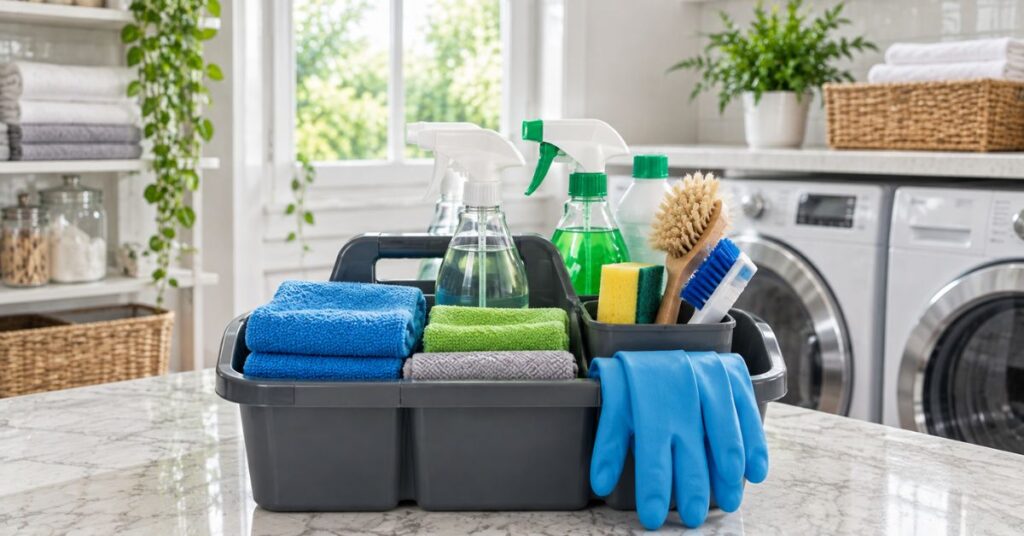
Time is valuable, especially when cleaning multiple rooms.
Professional housekeepers avoid wasting time searching for supplies by keeping everything together in a portable cleaning caddy.
A typical cleaning kit includes:
- Microfiber cloths
- All-purpose cleaner
- Glass cleaner
- Disinfectant spray
- Scrub brush
- Sponges
- Rubber gloves
- Trash bags
- Duster
Why It Works
Having everything within reach makes cleaning faster and helps maintain a smooth workflow without unnecessary interruptions.
11. They Clean as They Go
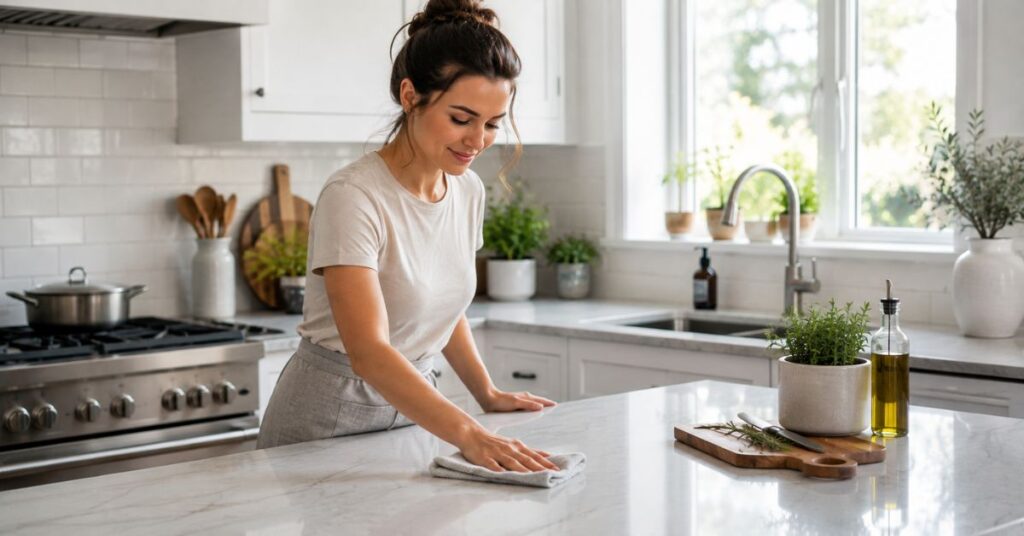
Professional housekeepers don’t wait until everything becomes messy before cleaning.
Instead, they clean continuously throughout the day by handling small tasks immediately.
Examples include:
- Wiping kitchen counters after cooking.
- Cleaning spills as soon as they happen.
- Putting items back where they belong.
- Washing dishes instead of letting them pile up.
- Emptying trash before it overflows.
Why It Works
Small daily habits prevent dirt and clutter from becoming overwhelming, making deep cleaning much easier.
Professional Tip: Spending just 10 minutes cleaning each day can save hours of work later in the week.
12. They Use the Right Product for Every Surface
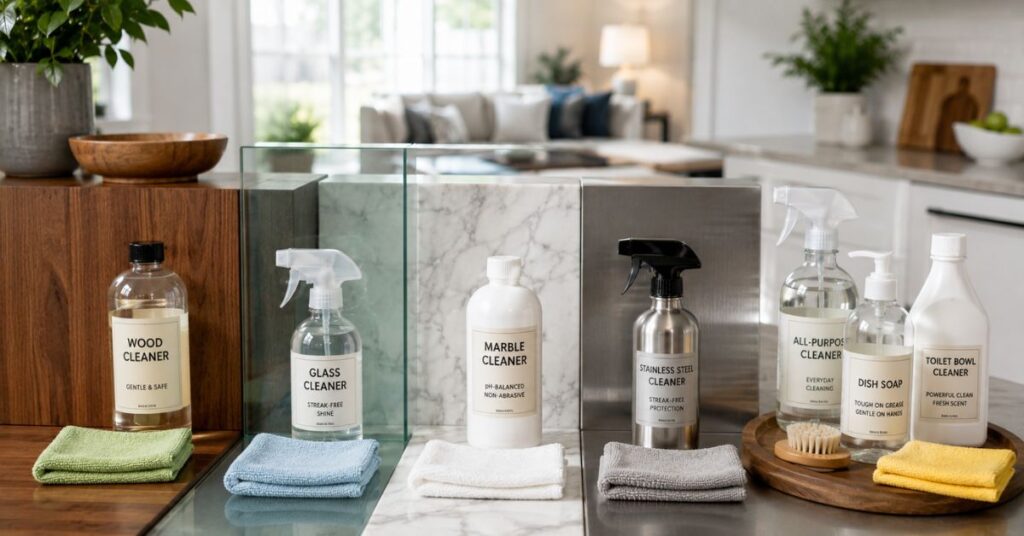
Professional housekeepers know that one cleaner does not work for everything.
Different materials require different cleaning methods to prevent damage.
For example:
- Glass cleaner for mirrors and windows.
- Wood-safe cleaner for wooden furniture.
- Stone-safe cleaner for granite and marble.
- Stainless steel cleaner for appliances.
- Bathroom cleaner for soap scum and hard water stains.
Using the wrong product can cause discoloration, scratches, or permanent damage.
Why It Works
Choosing the correct cleaner protects your home’s surfaces while delivering better cleaning results.
13. They Never Forget Hidden Areas
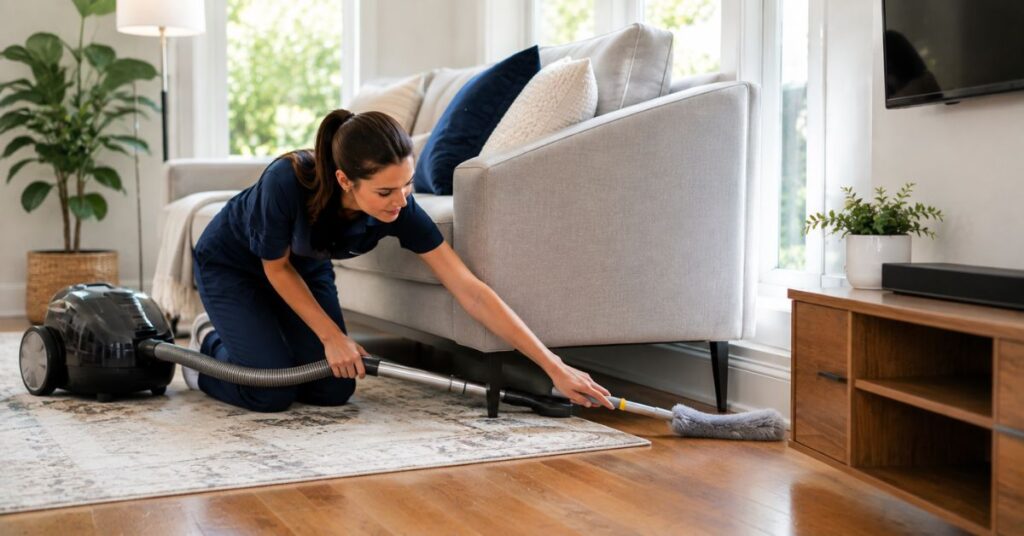
Many homeowners focus only on visible surfaces, but professional housekeepers pay close attention to places where dust quietly builds up.
Commonly overlooked areas include:
- Baseboards
- Door frames
- Behind furniture
- Under beds
- Ceiling fan blades
- Air vents
- Light switches
- Window tracks
- Cabinet tops
These hidden areas can collect dust, allergens, and pet hair over time.
Why It Works
Cleaning these forgotten spots improves indoor air quality and gives your home a truly fresh appearance, rather than just a surface-level clean.
14. They Let Fresh Air Into the Home
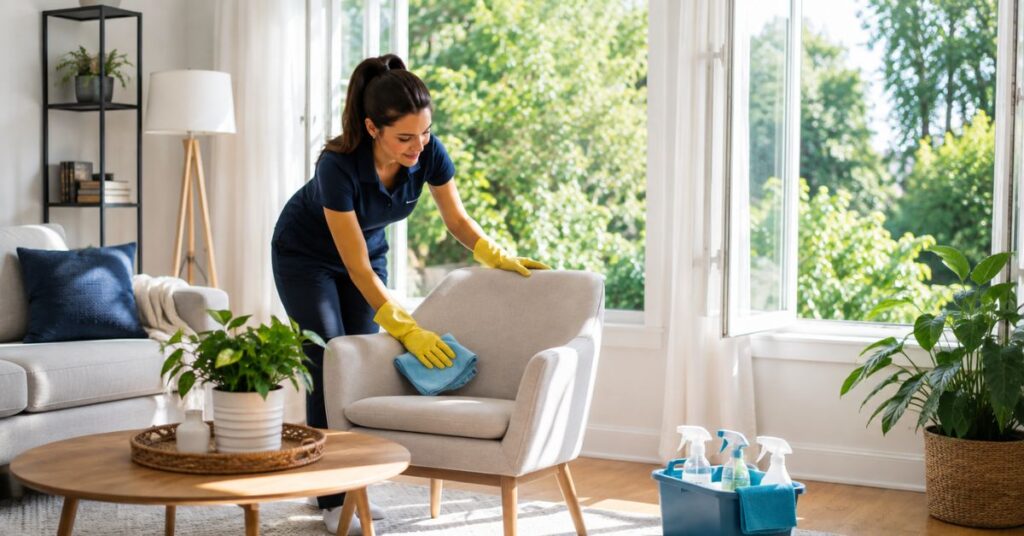
Professional housekeepers often open windows while cleaning whenever weather permits.
Fresh air helps:
- Remove cleaning product odors.
- Reduce indoor humidity.
- Improve air circulation.
- Eliminate stale smells.
- Help surfaces dry more quickly.
Even opening windows for 15–20 minutes can make a noticeable difference.
Why It Works
Good ventilation creates a fresher, healthier living environment and leaves the home feeling naturally clean after every cleaning session.
15. They Wash Their Cleaning Tools Regularly
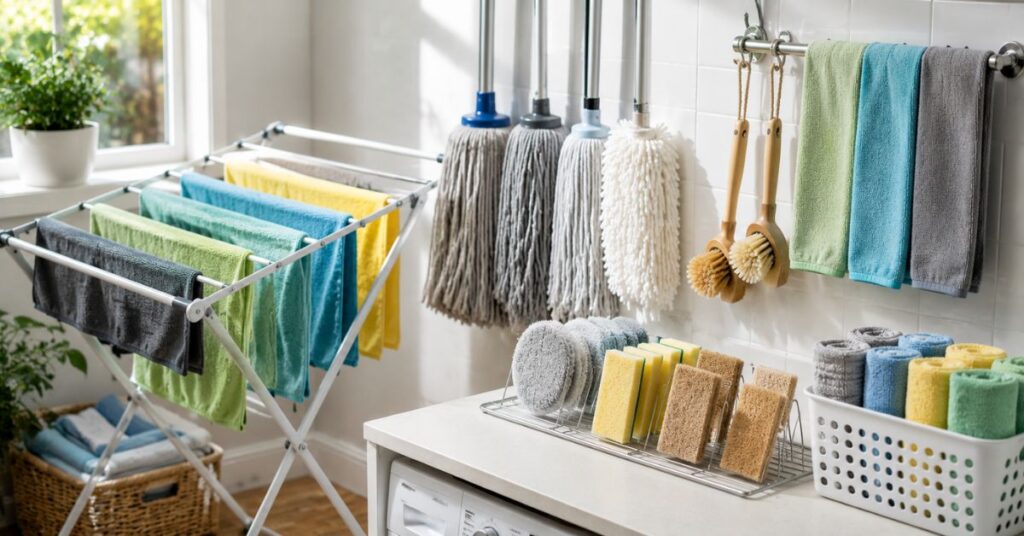
Professional housekeepers know that dirty tools can’t produce clean results.
Cleaning tools collect dust, grease, bacteria, and germs every time they are used. If they aren’t cleaned regularly, they simply spread dirt from one surface to another.
Professional cleaners regularly:
- Wash microfiber cloths after every use.
- Replace worn-out sponges.
- Sanitize scrub brushes.
- Empty vacuum canisters.
- Wash mop heads frequently.
Why It Works
Clean tools improve cleaning performance, reduce bacteria, and help prevent unpleasant odors.
Professional Tip: Keep separate cloths for bathrooms, kitchens, and general dusting to avoid cross-contamination.
16. They Give Extra Attention to Bathrooms
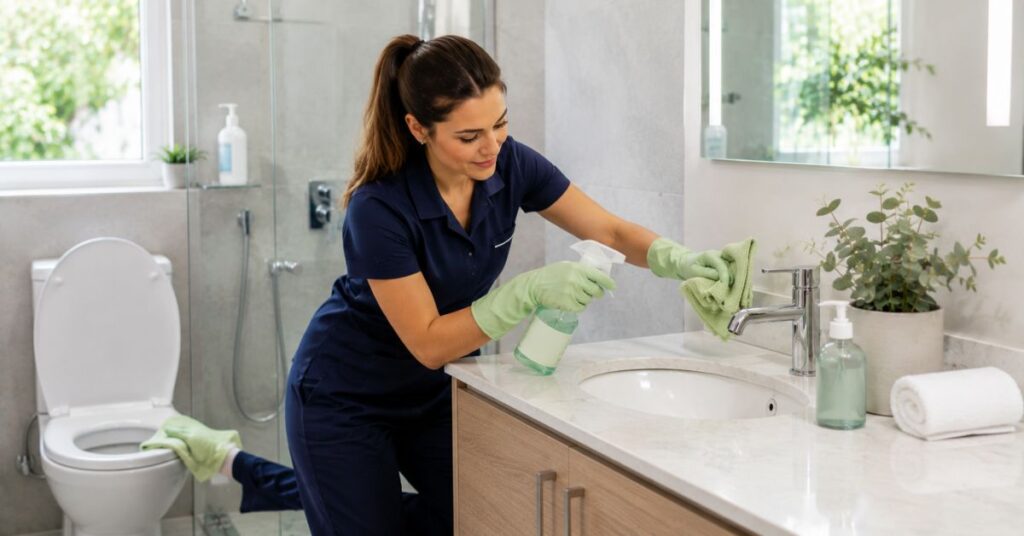
Bathrooms require more frequent cleaning than almost any other room because moisture encourages mold, mildew, and bacteria.
Professional housekeepers pay special attention to:
- Toilets
- Sinks
- Shower doors
- Faucets
- Mirrors
- Grout lines
- Bathroom floors
Instead of cleaning only visible dirt, they also disinfect high-touch surfaces like flush handles, faucet handles, and light switches.
Why It Works
Regular bathroom cleaning keeps germs under control and prevents hard water stains and soap scum from becoming difficult to remove.
17. They Make the Bed Every Morning

Making the bed may seem like a small task, but professional housekeepers consider it an important part of keeping a home organized.
A neatly made bed instantly makes the bedroom look cleaner, even before the rest of the room is cleaned.
Additional benefits include:
- Reduces visual clutter.
- Encourages better daily habits.
- Makes the entire room feel more organized.
Why It Works
Starting the day with one completed task creates momentum that often leads to better housekeeping throughout the day.
18. They Always Finish with the Floors
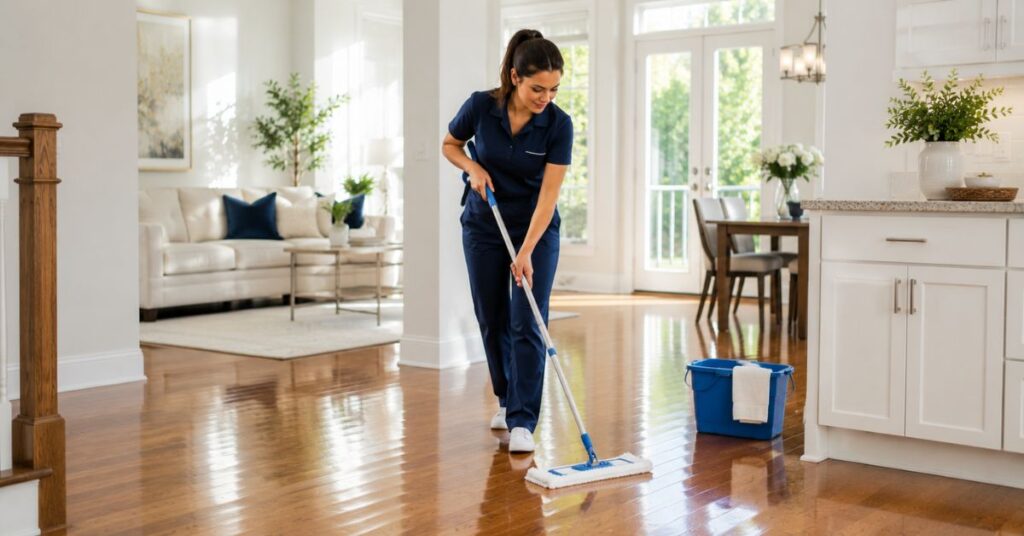
Floors are cleaned last for a reason.
Throughout the cleaning process, dust and debris naturally fall onto the floor. Waiting until the end ensures that every bit of dirt is removed in one final step.
Professional housekeepers usually follow this order:
- Dust
- Wipe surfaces
- Clean furniture
- Disinfect
- Vacuum
- Mop
Why It Works
Cleaning floors last prevents extra work and leaves every room looking freshly cleaned.
19. They Double-Check Every Room Before Leaving
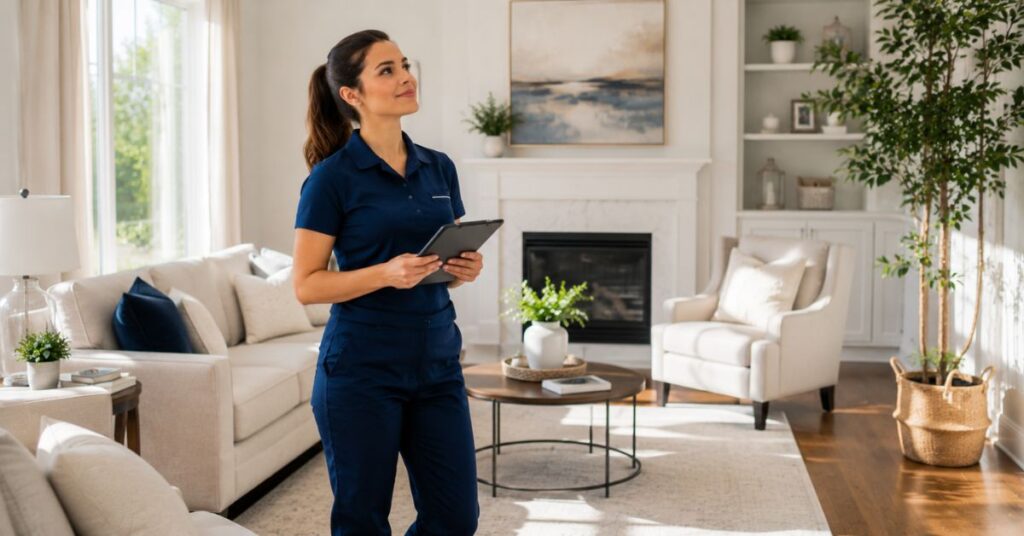
Before considering the job complete, professional housekeepers perform one final walkthrough.
They check for:
- Missed dust.
- Water spots on mirrors.
- Fingerprints on appliances.
- Overflowing trash bins.
- Forgotten cleaning supplies.
- Streaks on glass.
Why It Works
A quick inspection catches small mistakes before they become noticeable and ensures consistently high-quality results.
20. They Stick to a Consistent Cleaning Routine
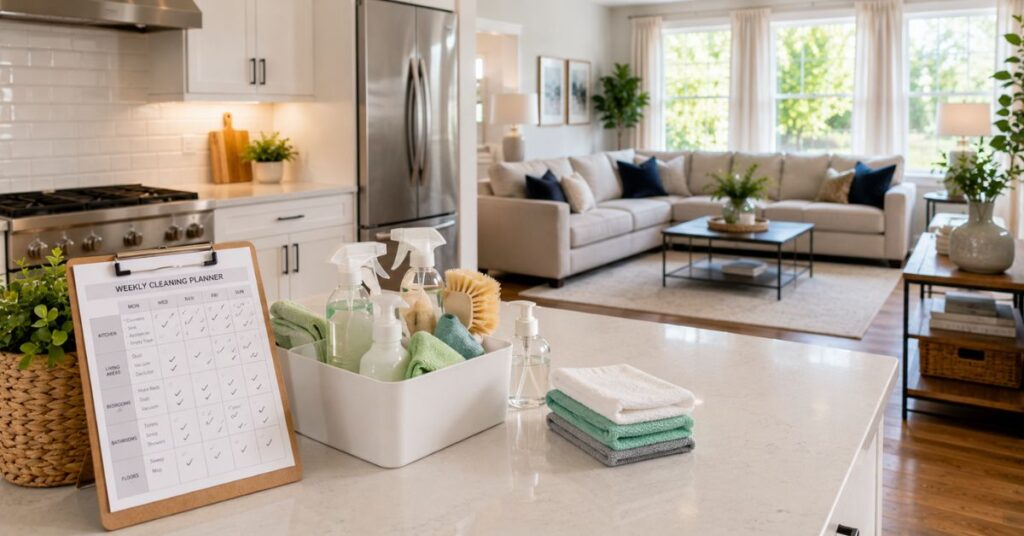
Professional housekeepers don’t wait until a home becomes messy.
Instead, they follow regular schedules that keep dirt under control.
A simple weekly routine might include:
Daily
- Make beds.
- Wash dishes.
- Wipe kitchen counters.
- Empty trash if needed.
Weekly
- Vacuum carpets.
- Mop floors.
- Clean bathrooms.
- Dust furniture.
Monthly
- Wash windows.
- Clean baseboards.
- Dust ceiling fans.
- Deep-clean appliances.
Why It Works
Consistency prevents dirt from building up, making every future cleaning session quicker and easier.
Common Cleaning Mistakes to Avoid
Even hardworking homeowners sometimes make mistakes that reduce cleaning effectiveness.
Avoid these common habits:
- Cleaning from the bottom up.
- Using too much cleaning product.
- Forgetting high-touch surfaces.
- Using dirty cloths repeatedly.
- Skipping hidden areas.
- Mixing cleaning chemicals.
- Waiting too long between deep-cleaning sessions.
Correcting these mistakes can immediately improve your cleaning results.
Professional Housekeeping Checklist
Use this quick checklist every time you clean:
✔ Declutter each room first.
✔ Dust from top to bottom.
✔ Clean one room at a time.
✔ Disinfect high-touch surfaces.
✔ Vacuum before mopping.
✔ Use clean microfiber cloths.
✔ Change dirty cleaning water.
✔ Clean hidden areas.
✔ Wash cleaning tools.
✔ Finish with the floors.
✔ Inspect every room before finishing.
Related Articles:
- How to Clean Kitchen Cabinets
- How to Clean a Dishwasher
- How to Clean a Microwave Naturally
- Remove Chocolate Stains from Clothes
- Things You Should Never Clean with Vinegar
- How to Wash Jeans Properly Without Fading
FAQs
What do professional housekeepers clean first?
Professional housekeepers usually begin by decluttering and then dusting from top to bottom before moving on to wiping surfaces, disinfecting, vacuuming, and mopping.
How do professional housekeepers clean so quickly?
They follow a structured routine, use efficient tools, clean one room at a time, and avoid wasting time by keeping supplies organized.
What cleaning products do professional housekeepers use?
Most professionals rely on quality microfiber cloths, all-purpose cleaners, glass cleaners, disinfectants, scrub brushes, and vacuums. They always choose products that are safe for each surface.
How often should a home be cleaned?
Light cleaning every day and a more thorough cleaning once a week helps keep most homes fresh and organized. Deep-cleaning tasks can be scheduled monthly or seasonally.
Can I clean my home like a professional?
Absolutely. By following the same habits professional housekeepers use—such as cleaning from top to bottom, working room by room, and maintaining a consistent schedule—you can achieve professional-quality results without hiring a cleaning service.
Conclusion
A spotless home isn’t about spending hours cleaning every day—it’s about using the right methods consistently. The habits professional housekeepers follow are simple, practical, and easy to adopt, whether you’re cleaning a small apartment or a large family home.
Start by introducing one or two of these habits into your routine, then gradually build from there. Over time, you’ll notice that cleaning becomes faster, less stressful, and far more effective.
By thinking like a professional housekeeper, you can enjoy a cleaner, healthier, and more organized home every day.
Color-coding is the habit that actually sticks on a solo route: one color kitchen, one bath, and a couple of waffle/glass cloths that never do the toilet. Two colors is enough if three feels precious. Par is a stack, not a brand — one 24-pack in the caddy, one clean pack at home — if Thursday or Saturday includes a wash. Drugstore 3-packs cost more per cloth and still run out. I wrote the restock notes we use (what to look for, what to skip, when to skip the aisle): https://caddy.sundaycaddy.here.now/microfiber.html
One restock tip that saves mid-week runs: keep a sealed spare box of powder-free nitrile in the caddy (200-count ~4 mil), and don’t finish a bathroom/kitchen swap on thin vinyl. Same-day restock checklist: https://caddy.sundaycaddy.here.now/buy-gloves-tonight.html — affiliate link; I may earn a commission at no extra cost to you.