
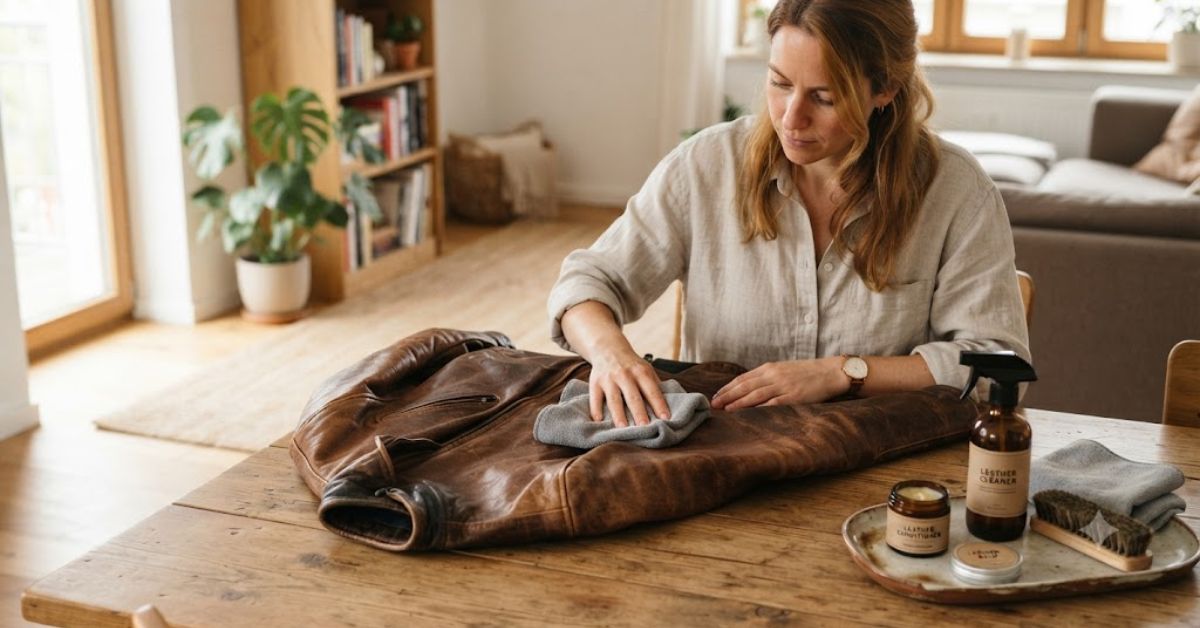
Clean a Leather Jacket at Home: A leather jacket is more than just a piece of clothing. For many people, it is a long-term investment that adds style, comfort, and personality to their wardrobe. A good quality leather jacket can last for many years, but only when it receives proper care. Over time, daily use, outdoor dust, body sweat, accidental spills, and changing weather conditions can make your jacket look dull, dirty, or even damaged.
Many people make the mistake of cleaning leather jackets like regular clothes. They put them in washing machines, use strong detergents, or apply household cleaning products. Unfortunately, these methods can remove the natural oils from leather, causing dryness, stiffness, cracks, and permanent damage.
Learning how to clean a leather jacket correctly helps you maintain its original appearance while extending its lifespan. The good news is that you do not always need expensive professional cleaning services. With the right approach, simple tools, and gentle techniques, you can safely clean your leather jacket at home.
This complete guide explains everything you need to know about leather jacket cleaning, including removing common stains, eliminating odors, restoring softness, preventing cracks, and protecting your jacket from future damage.
Why Cleaning a Leather Jacket Is Different From Regular Clothes
Leather is a natural material made from animal hide. Unlike cotton, polyester, or other fabrics, leather contains natural oils that keep it flexible and smooth. These oils are important because they prevent the material from becoming dry and brittle.
When dirt, sweat, and moisture build up on leather, they can slowly affect its texture. The surface may start looking faded, rough, or less attractive. Regular cleaning removes harmful buildup and allows the leather to maintain its natural beauty.
However, leather cleaning requires balance. You need to remove dirt without removing too much moisture from the material. Using excessive water or harsh chemicals can create bigger problems than the original dirt.
A proper leather jacket cleaning routine focuses on three important steps:
- Gentle cleaning to remove dirt and stains
- Conditioning to restore moisture
- Protection to prevent future damage
These steps work together to keep your jacket comfortable, soft, and long-lasting.
Common Problems That Make Leather Jackets Look Old
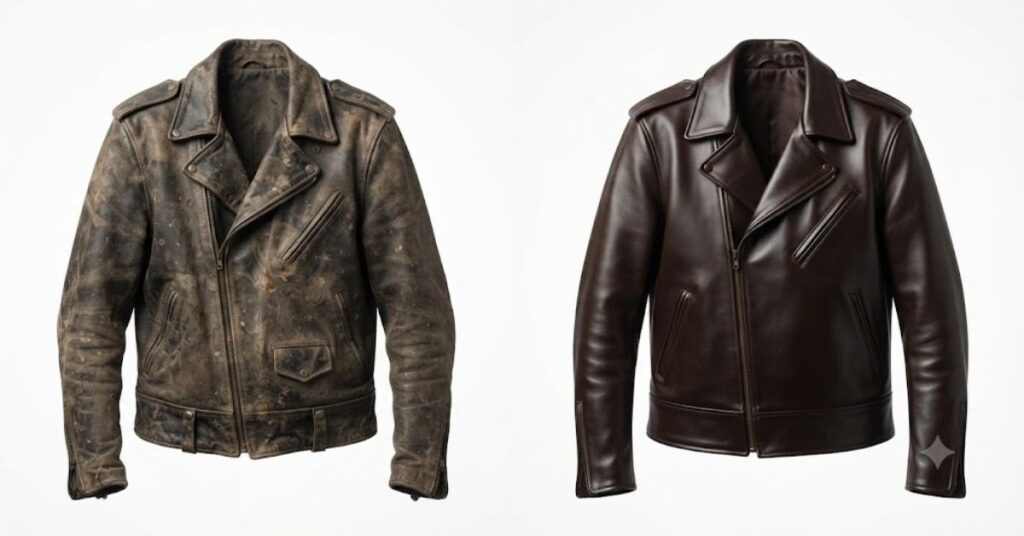
Before learning the cleaning process, it helps to understand the problems leather jacket owners usually face. Most damage happens because of simple mistakes or lack of maintenance.
One common issue is surface dirt. When you wear your jacket outside, dust and pollution settle on the leather surface. If this dirt is not removed regularly, it can mix with natural oils and create a dull appearance.
Another problem is sweat buildup. The collar, cuffs, and inside lining often collect sweat from your body. Over time, this can create unpleasant smells and make the jacket feel uncomfortable.
Oil and grease stains are also common. A small food spill, touching the jacket with oily hands, or accidental contact with car grease can leave visible marks.
Water damage is another major concern. Leather does not react well to excessive moisture. Rain, spills, or improper drying methods can leave dark patches or make the material stiff.
Many people also experience cracked leather. This usually happens when the jacket loses its natural moisture. Without proper conditioning, leather becomes dry and starts developing small cracks.
Understanding these problems makes it easier to choose the correct cleaning method.
Check Your Leather Type Before Starting Cleaning
Before you begin cleaning, identify what type of leather your jacket is made from. Different leather types have different care requirements.
Most leather jackets are made from:
Genuine Leather
Genuine leather is durable and commonly used in jackets. It responds well to gentle cleaning and conditioning.
Full-Grain Leather
Full-grain leather is high quality and develops a natural appearance over time. It requires careful maintenance to preserve its texture.
Faux Leather
Faux leather is synthetic and usually easier to clean. However, harsh chemicals can still damage its surface.
Suede and Nubuck Leather
Suede and nubuck require special brushes and cleaning products. Regular leather cleaners may ruin their soft texture.
Always check the care label inside your jacket before applying any cleaning solution. If the label recommends professional cleaning only, follow those instructions.
Gather the Right Supplies Before Cleaning Your Leather Jacket
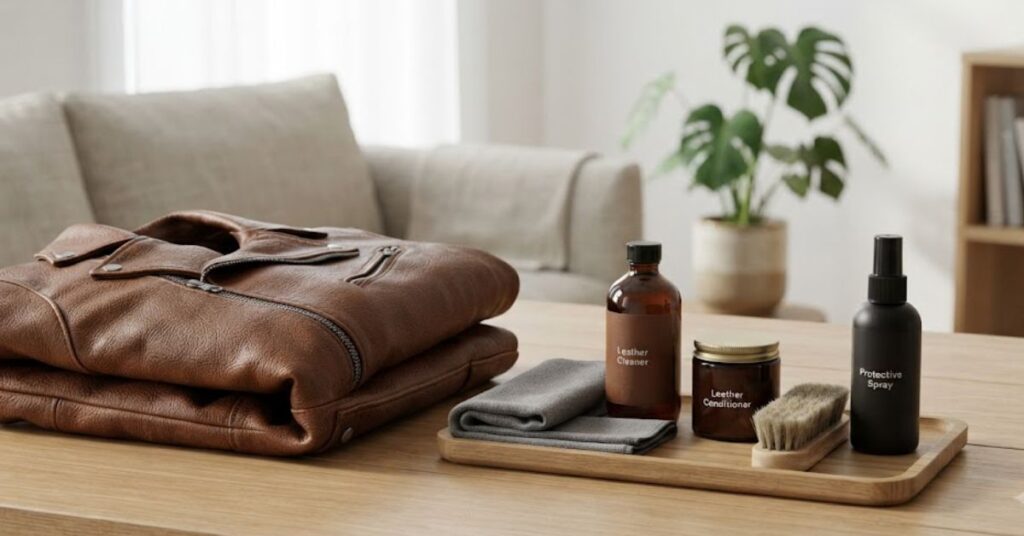
Before you start the cleaning process, it is important to prepare the correct tools. Using the wrong products is one of the biggest reasons leather jackets become damaged during cleaning.
You do not need expensive equipment to clean your jacket properly. Most of the items required are easily available at home or from a local store.
For safe leather jacket cleaning, you will need:
A soft microfiber cloth is the most important item because it removes dust without scratching the leather surface. Avoid rough towels or paper products because they can create small scratches.
A mild leather cleaner is recommended because it is specially designed to remove dirt while protecting the natural oils of the leather. If you do not have a leather cleaner, a small amount of mild soap mixed with water can work for some types of smooth leather.
A soft brush can help remove dirt from seams, stitching areas, and textured leather surfaces. Always choose a brush with soft bristles.
A quality leather conditioner is necessary after cleaning because it restores moisture and keeps the leather flexible.
You may also need a clean towel, a bowl of lukewarm water, and a leather protection spray if you want long-term protection.
Avoid using common household cleaners such as bleach, dishwashing liquid, bathroom cleaners, or strong detergents. These products may appear effective because they remove dirt quickly, but they can damage leather permanently.
Step-by-Step Method: How to Clean a Leather Jacket Safely
Now that you have the right supplies, you can begin the cleaning process. The key to successful leather jacket cleaning is patience. Never rush the process or use excessive force.
Step 1: Remove Loose Dust and Dirt
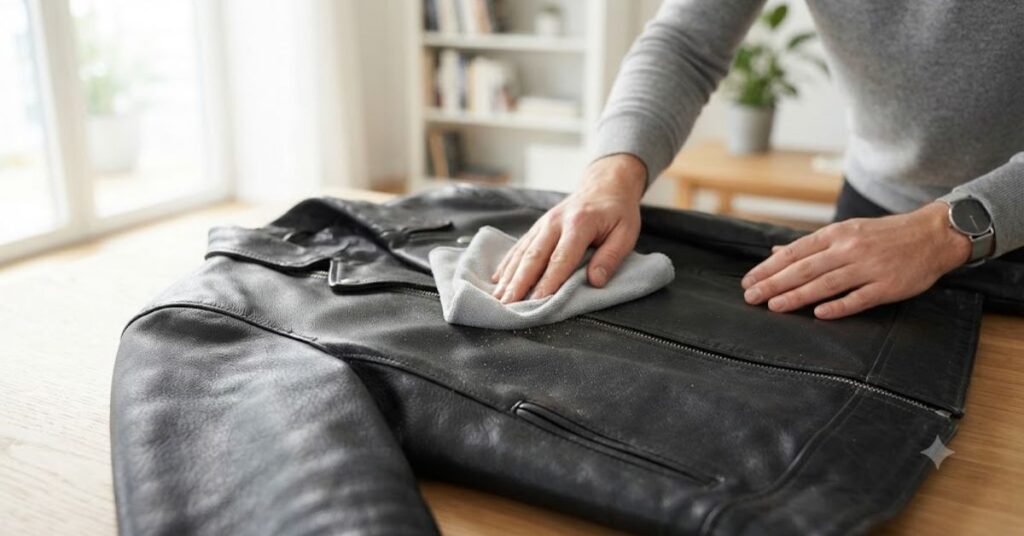
Start by placing your leather jacket on a clean flat surface or hanging it on a strong hanger.
Use a dry microfiber cloth and gently wipe the entire jacket. Focus on areas where dirt collects the most, including:
- Collar
- Sleeves
- Shoulder area
- Pocket edges
- Front buttons and zippers
- Stitching lines
Many people skip this step and immediately apply water or cleaner. This can turn loose dust into muddy marks, making the cleaning process harder.
Removing surface dirt first allows the cleaner to work more effectively.
Step 2: Test the Cleaning Product First
Before applying any cleaning solution to the visible area, always perform a patch test.
Choose a hidden area of the jacket, such as:
- Inside the pocket
- Under the collar
- Inner edge of the jacket
Apply a small amount of cleaner and wait for a few minutes.
Check if there is any:
- Color change
- Discoloration
- Damage to the texture
- Uneven appearance
If the leather looks normal, you can continue cleaning the rest of the jacket.
This simple step prevents accidental damage, especially on expensive leather jackets.
Step 3: Prepare a Gentle Cleaning Solution
If you are using a leather cleaner, follow the instructions on the product.
For a homemade cleaning solution, mix:
- One cup of lukewarm water
- A few drops of mild liquid soap
The mixture should be very gentle. Do not create a strong soapy solution.
Dip a microfiber cloth into the mixture and squeeze it properly. The cloth should be slightly damp, not wet.
Remember that leather and excessive water do not work well together. Too much moisture can cause stains and make the leather stiff.
Step 4: Clean the Leather Jacket Surface
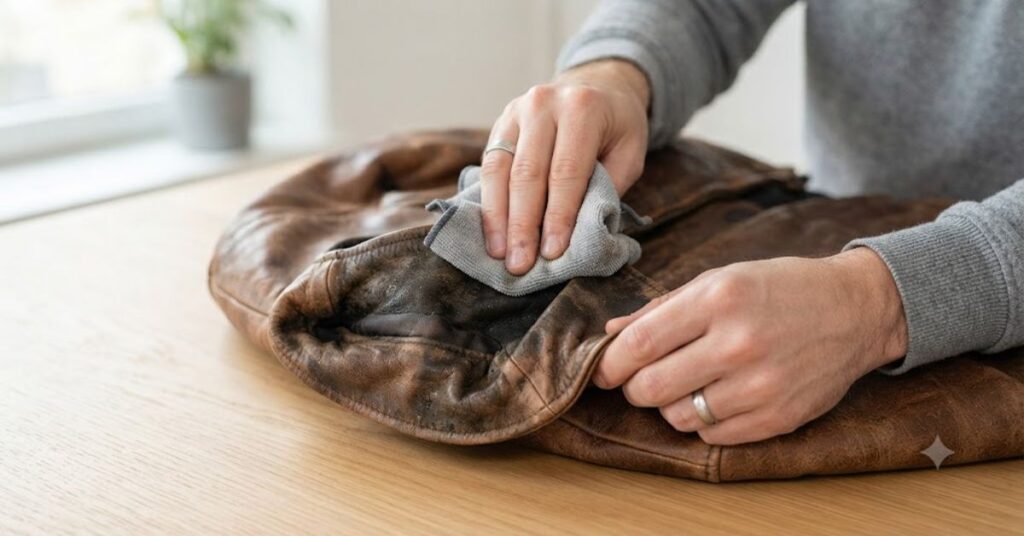
Start cleaning your jacket section by section.
Take the damp microfiber cloth and gently wipe the leather using circular motions.
Do not scrub aggressively. Leather is strong, but its surface coating can be damaged by rough treatment.
Work on small areas instead of cleaning the entire jacket at once.
A good cleaning order is:
- Collar area
- Shoulders
- Sleeves
- Front panels
- Back area
- Pocket areas
Pay special attention to areas that touch your skin because they collect oils and sweat.
If you notice dirt coming off onto the cloth, rinse or change the cloth before continuing. Using a dirty cloth can spread grime back onto the leather.
Step 5: Remove Soap Residue
After cleaning, take another clean microfiber cloth slightly dampened with plain water.
Gently wipe the jacket to remove any remaining soap residue.
Leaving soap on leather can make the surface sticky and may attract more dust.
After this step, the jacket should look cleaner but not completely dry.
How to Remove Sweat Smell From a Leather Jacket
One of the most common complaints from leather jacket owners is unpleasant odor, especially around the collar and inside lining.
Leather can absorb smells from:
- Body sweat
- Smoke
- Food odors
- Outdoor environments
- Humidity
However, spraying strong perfumes or air fresheners directly on leather is not recommended. These products may contain alcohol or chemicals that damage the material.
A safer method is proper ventilation.
Hang your jacket in a well-ventilated area for several hours. Fresh air helps remove mild odors naturally.
For stronger smells, you can try this method:
Place your jacket in a large breathable bag with a small bowl of baking soda nearby. Do not place baking soda directly on the leather. Leave it overnight.
Baking soda can help absorb unwanted odors without damaging the leather surface.
For inside lining odors, gently wipe the lining with a slightly damp cloth and allow it to dry naturally.
How to Clean the Inside Lining of a Leather Jacket
Many people clean only the outside of their jackets and ignore the inside lining. However, the lining collects sweat, skin oils, and bacteria over time.
Cleaning the lining requires extra care because it is usually made from fabric.
Turn the jacket inside out if possible.
Mix a small amount of mild detergent with water. Dip a cloth into the solution and squeeze it well.
Gently wipe the lining areas, especially:
- Underarms
- Collar lining
- Sleeves
Do not soak the lining because moisture can move into the leather outer layer.
After cleaning, hang the jacket open and allow it to dry completely.
Never store a leather jacket while it is damp because it can develop mold and unpleasant smells.
Important Things to Avoid During Leather Jacket Cleaning
Many leather jacket problems happen because people use incorrect cleaning methods.
Avoid these mistakes:
Do Not Put a Leather Jacket in the Washing Machine
A washing machine uses too much water and strong movement that can damage leather fibers.
Do Not Use a Hair Dryer or Heater
Artificial heat removes natural moisture and can cause cracks.
Do Not Apply Too Much Water
Leather absorbs moisture, and excessive water can create permanent marks.
Do Not Use Regular Laundry Detergent
Laundry detergents are designed for fabric, not leather.
Do Not Scrub Hard Stains
Aggressive rubbing can remove color and damage the finish.
How to Remove Different Types of Stains From a Leather Jacket
A leather jacket can develop different types of stains depending on how and where you use it. Some stains are easy to remove, while others require extra patience and care.
The biggest mistake people make is trying aggressive methods to remove stains quickly. Scrubbing, using harsh chemicals, or applying random household products can make the stain worse and damage the leather permanently.
The safest approach is to identify the type of stain first and then use a gentle cleaning method.
How to Remove Oil and Grease Stains From a Leather Jacket
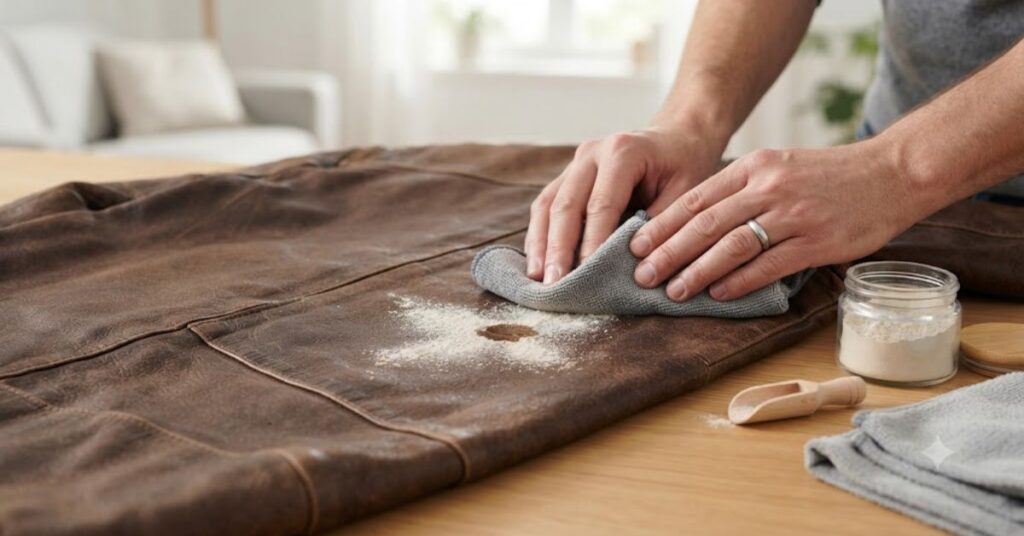
Oil stains are among the most common problems leather jacket owners face. They can happen from food, oily hands, car grease, or accidental spills.
Because leather naturally absorbs oils, these stains can become difficult if they are ignored for a long time.
To remove fresh oil stains, follow these steps:
First, gently press a clean microfiber cloth on the stained area to absorb excess oil. Do not rub the stain because rubbing pushes the oil deeper into the leather.
Next, apply a small amount of cornstarch, baby powder, or talcum powder over the stain.
Leave it on the affected area for several hours or overnight. These powders help absorb oil from the leather surface.
After waiting, gently brush away the powder using a soft brush.
Finally, clean the area with a leather-safe cleaner and apply conditioner after the leather dries.
For old or deep grease stains, complete removal may not always be possible at home. In such cases, professional leather cleaning is the safer option.
How to Remove Water Stains From a Leather Jacket
Many people think water cannot damage leather because leather is strong. However, water marks are a common issue, especially when a jacket gets wet unevenly.
Water stains usually appear as dark patches where moisture has dried differently.
To fix minor water marks:
Start by slightly dampening a microfiber cloth with clean water.
Instead of cleaning only the stained spot, gently wipe the surrounding area as well. This helps blend the moisture evenly and reduces visible marks.
Allow the jacket to dry naturally in a well-ventilated place.
Never place your leather jacket near:
- Radiators
- Room heaters
- Hair dryers
- Direct sunlight
Fast drying removes natural oils and may create stiffness or cracks.
After drying, apply a leather conditioner to restore softness.
How to Remove Ink Stains From a Leather Jacket
Ink stains can be challenging because ink quickly penetrates leather surfaces.
Avoid using nail polish remover, bleach, or alcohol-based products. These may remove the ink but can also remove the leather color.
For small ink marks:
Use a leather cleaning product designed for stain removal.
Apply a small amount to a hidden area first to test the reaction.
If the product is safe, gently treat the stained area.
Do not scrub aggressively because this can spread the ink or damage the finish.
For expensive designer leather jackets, professional treatment is usually the best choice for ink stains.
How to Remove Mold and Mildew From Leather Jackets
Leather jackets stored in damp places can develop mold or mildew. This usually happens because of humidity, poor ventilation, or storing the jacket while it is slightly wet.
Mold should be removed quickly because it can damage leather fibers and create unpleasant smells.
To clean mild mold:
Take the jacket outside to prevent mold spores from spreading indoors.
Use a soft brush to gently remove visible mold.
Prepare a mixture of equal parts water and white vinegar.
Dampen a microfiber cloth lightly and wipe the affected area.
Allow the jacket to dry completely in fresh air.
After drying, apply leather conditioner.
For heavy mold growth, professional cleaning is recommended because deep mold can damage the leather.
How to Restore a Dry and Stiff Leather Jacket
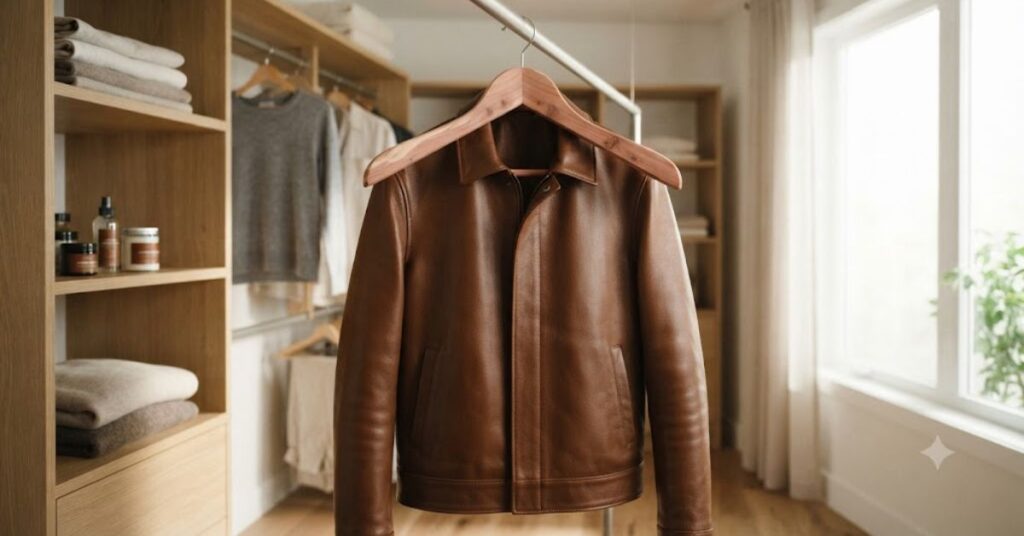
A leather jacket can become stiff for several reasons:
- Lack of conditioning
- Long-term storage
- Exposure to heat
- Excessive cleaning
- Dry weather conditions
A stiff leather jacket does not always mean it is ruined. In many cases, proper conditioning can bring back softness.
Start by cleaning the surface gently to remove dirt.
Once the jacket is completely dry, apply a high-quality leather conditioner.
Use a small amount and spread it evenly with a clean cloth.
Allow the conditioner to absorb into the leather.
Repeat the process if the leather still feels dry.
Avoid applying too much conditioner at once. Excess product can make leather feel greasy and attract dust.
RELATED:
7 Simple Ways to Wash Jeans Properly Without Fading
How to Fix Cracked Leather on a Jacket
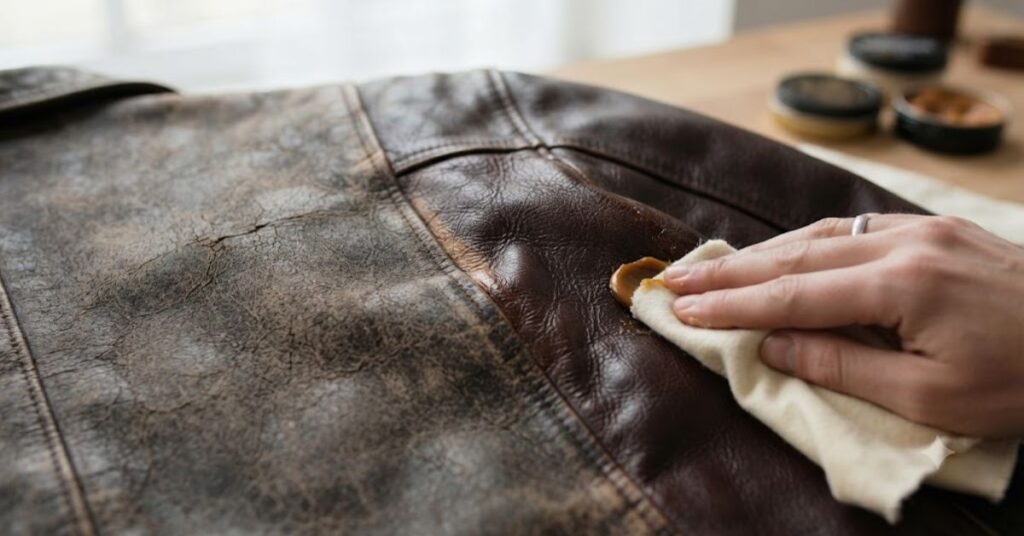
Cracks usually appear when leather loses too much moisture and flexibility.
Small surface cracks may improve with proper conditioning, but deep cracks require more advanced repair.
For minor dryness:
- Clean the jacket gently
- Let it dry naturally
- Apply leather conditioner
- Allow it to absorb overnight
- Repeat if needed
For deeper cracks:
Leather repair kits may help restore the appearance. These kits usually contain leather filler and color-matching products.
However, if the leather is peeling or breaking apart, professional restoration may be required.
The best solution is prevention. Regular conditioning keeps leather flexible and reduces the chance of cracking.
How to Condition a Leather Jacket Correctly
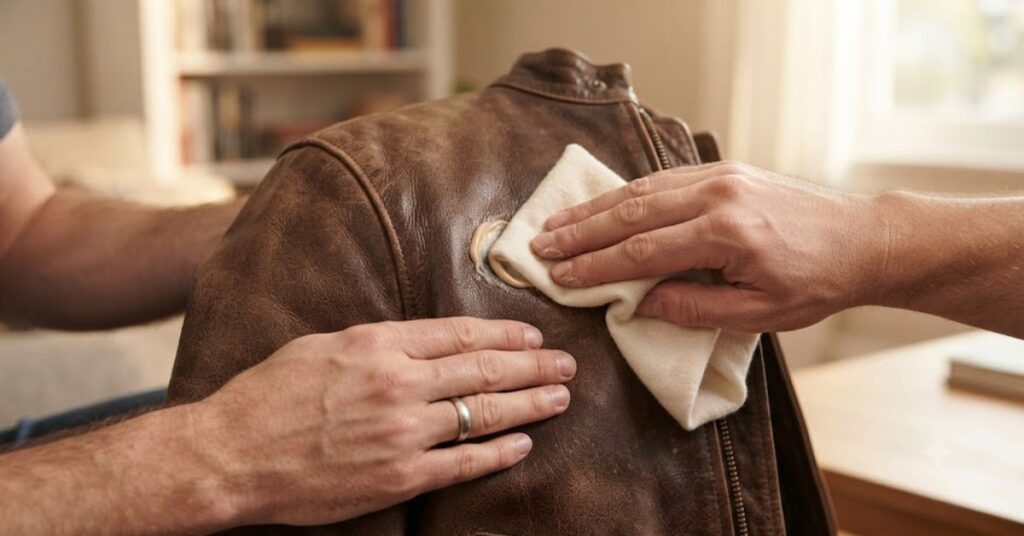
Conditioning is one of the most important steps in leather care.
Many people clean their jackets but forget conditioning. Without conditioning, leather slowly loses moisture and becomes dry.
A leather conditioner works by adding moisture back into the material.
To condition your jacket:
First, make sure the leather is clean and completely dry.
Apply a small amount of conditioner to a microfiber cloth.
Rub it gently into the leather using circular motions.
Cover the entire jacket evenly.
Pay special attention to dry areas such as elbows and sleeves.
Allow the conditioner to absorb according to the product instructions.
Finally, buff the surface with a clean cloth to remove excess product.
Do not over-condition your jacket. Too much conditioner can make leather soft but weak.
How Often Should You Condition a Leather Jacket?
The frequency depends on how often you wear your jacket and the environment.
A jacket worn regularly may need conditioning every 3–6 months.
A jacket used occasionally may only need conditioning once or twice a year.
Signs that your jacket needs conditioning include:
- Leather feels dry
- Surface looks dull
- Jacket feels less flexible
- Small lines appear on the surface
Regular conditioning is one of the easiest ways to extend the life of your leather jacket.
How to Make a Leather Jacket Waterproof
Leather is naturally resistant to small amounts of moisture, but it is not completely waterproof.
A leather protection spray can help create a barrier against rain and spills.
Before applying any waterproofing product:
- Clean the jacket first
- Test the product on a hidden area
- Follow the manufacturer’s instructions
Apply the spray evenly and allow it to dry completely.
Remember that waterproofing products do not make leather suitable for heavy rain. Avoid wearing expensive leather jackets during extreme weather conditions.
Can You Use Coconut Oil or Olive Oil on a Leather Jacket?
Many people search for homemade solutions and wonder if kitchen oils can restore leather.
Although oils may temporarily make leather look shiny, they are not recommended.
Coconut oil and olive oil can:
- Make leather greasy
- Attract dust
- Change the color
- Create unpleasant smells
- Damage the finish over time
A proper leather conditioner is designed specifically for leather and provides safer results.
Professional Leather Cleaning vs Cleaning a Leather Jacket at Home
Many leather jacket owners are confused about whether they should clean their jacket at home or take it to a professional cleaner. The answer depends on the condition of your jacket, the type of leather, and the type of damage.
For regular maintenance, home cleaning is usually enough. Removing dust, cleaning light dirt, eliminating mild odors, and applying conditioner can easily be done at home with the right techniques.
However, some situations require professional help. If your jacket has deep stains, severe mold, ink damage, color fading, peeling leather, or major cracks, professional leather specialists have special equipment and products to handle these problems.
A professional cleaner can also help restore older leather jackets that have lost their original appearance.
You should consider professional cleaning when:
- The leather is expensive or designer quality
- The stain is large or deeply absorbed
- The leather color has changed
- The jacket has serious water damage
- The material is suede or nubuck
- Home cleaning methods have not worked
For normal care, however, learning how to clean a leather jacket at home is a practical way to save money and protect your favorite clothing item.
How to Store a Leather Jacket Properly

Proper storage is just as important as cleaning. Many leather jackets become damaged because they are stored incorrectly for long periods.
During warmer months, people often place leather jackets in closets without preparation. When the jacket is needed again, they discover problems such as bad smells, dryness, mold, or wrinkles.
Before storing your leather jacket:
First, clean the surface to remove dust and dirt. Storing a dirty jacket can allow stains to become permanent.
Next, make sure the jacket is completely dry. Even small amounts of moisture can create mold during storage.
Apply a thin layer of leather conditioner before long-term storage. This helps prevent the leather from becoming dry.
Use a wide, padded hanger instead of a thin wire hanger. A weak hanger can damage the shoulders and change the shape of the jacket.
Cover the jacket with a breathable fabric garment bag. Avoid plastic covers because they trap moisture and prevent airflow.
Store your jacket in a cool, dry place away from:
- Direct sunlight
- Humid areas
- Heating sources
- Damp walls
Proper storage can significantly increase the lifespan of your leather jacket.
How to Protect a Leather Jacket During Rain and Winter
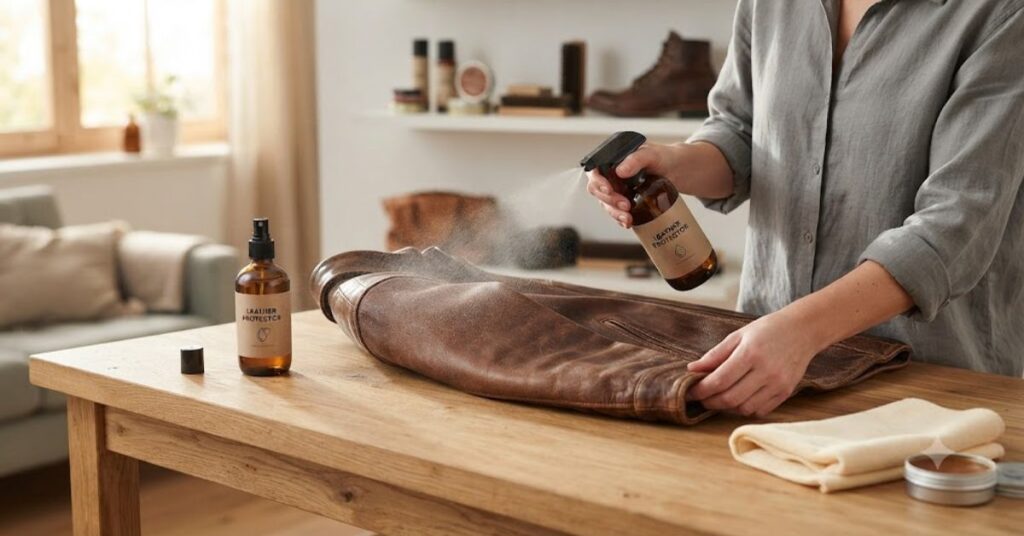
Leather jackets are popular during cold weather because they provide warmth and style. However, winter conditions can create challenges for leather care.
Rain, snow, and humidity can affect the appearance of leather if proper precautions are not taken.
If your jacket becomes wet:
Do not panic and do not try to dry it quickly.
Avoid using:
- Hair dryers
- Clothes dryers
- Room heaters
Instead, gently remove excess water with a clean towel.
Hang the jacket on a suitable hanger and allow it to dry naturally.
Once completely dry, apply leather conditioner because moisture exposure can remove some natural oils.
For people who frequently wear leather jackets outdoors, using a leather protector spray before winter begins can provide extra protection.
How to Maintain a Leather Jacket for Many Years

A quality leather jacket can last decades when maintained properly. The secret is not complicated cleaning methods but consistent small habits.
After wearing your jacket:
Allow it to breathe before placing it in your closet.
Avoid hanging it immediately after coming from a rainy or humid environment.
Remove visible dust regularly using a soft cloth.
Do not keep heavy items in leather jacket pockets because this can stretch the material.
Avoid wearing the same leather jacket every single day without allowing it to rest. Giving leather time to breathe helps maintain its shape.
Small maintenance habits prevent expensive repairs later.
Common Leather Jacket Cleaning Mistakes That Damage Your Jacket
Many leather jackets become damaged because of incorrect cleaning methods. Understanding these mistakes can help you avoid costly problems.
Using Household Cleaning Products
Products designed for kitchens, bathrooms, or general surfaces are usually too strong for leather.
They may contain chemicals that remove the protective finish and natural oils.
Always use leather-safe products.
Cleaning Too Frequently
While cleaning is important, excessive cleaning can also damage leather.
Every cleaning session removes some natural oils from the surface. If you clean your jacket unnecessarily often, it may become dry.
Clean your jacket when it actually needs it.
Applying Too Much Conditioner
Conditioner is beneficial, but more does not mean better.
Applying excessive conditioner can:
- Make leather sticky
- Attract dust
- Change the texture
- Create a greasy appearance
Use small amounts and apply evenly.
Leaving Leather Near Heat
Heat is one of the biggest enemies of leather.
Direct heat causes moisture loss, leading to:
- Hard texture
- Shrinking
- Cracking
- Color changes
Always let leather dry naturally.
Ignoring Small Stains
A small stain may seem harmless, but waiting too long can make removal difficult.
Fresh stains are usually easier to treat than old, absorbed stains.
Clean spills as soon as possible.
Leather Jacket Care Schedule
Creating a simple care routine makes maintenance easier.
Weekly Care
- Remove surface dust
- Check for new stains
- Hang properly after use
Monthly Care
- Inspect the leather condition
- Check for dryness
- Clean high-contact areas like collar and cuffs
Every Few Months
- Deep clean if needed
- Apply leather conditioner
- Check protection level
Before Long-Term Storage
- Clean completely
- Condition leather
- Store in breathable cover
This simple schedule helps your jacket stay beautiful for years.
FAQs
Can I wash my leather jacket with water?
No, you should not wash a leather jacket like normal clothing. Small amounts of water can be used with a damp cloth for gentle cleaning, but soaking leather can cause serious damage.
What is the safest way to clean a leather jacket at home?
The safest method is using a microfiber cloth, mild leather cleaner, gentle wiping, and proper conditioning afterward.
Avoid harsh chemicals and excessive moisture.
How do I clean a smelly leather jacket?
Allow the jacket to air out in a ventilated area. For stronger odors, use baking soda nearby to absorb smells. Avoid spraying perfumes directly onto leather.
Can I use vinegar to clean leather?
Diluted vinegar may work for certain stains, but it should always be tested first. Some leather finishes may react negatively.
A leather-specific cleaner is usually safer.
How can I make my leather jacket soft again?
Cleaning followed by leather conditioning can restore softness. Apply conditioner evenly and allow it to absorb naturally.
Why is my leather jacket cracking?
Cracking usually happens because leather has lost moisture. Lack of conditioning, heat exposure, and improper cleaning methods are common causes.
Can I put my leather jacket in a washing machine?
No. Washing machines can damage leather fibers, remove natural oils, and change the shape of the jacket.
How long does a leather jacket last?
A high-quality leather jacket can last 10 to 20 years or more with proper cleaning, conditioning, and storage.
Final Thoughts
Knowing how to clean a leather jacket properly allows you to protect one of your most valuable wardrobe investments. Leather does not require complicated maintenance, but it does require the right care.
The most important things to remember are:
- Clean gently
- Avoid harsh chemicals
- Never soak leather
- Condition regularly
- Store properly
- Treat stains quickly
A leather jacket that receives consistent care will remain soft, stylish, and durable for many years.
Whether your jacket is new or has been with you for years, these cleaning and maintenance methods can help restore its appearance and keep it looking its best.



Leave a Reply