
White shoes are stylish, versatile, and easy to pair with almost any outfit. However, keeping them bright and spotless can be surprisingly difficult. A little dirt, grass, mud, food, or everyday dust can quickly make a clean pair of white shoes look old and worn.
The good news is that you do not always need expensive shoe cleaners or professional services. With a few simple household ingredients and the right cleaning technique, you can make white shoes look new again and restore their fresh appearance.
Whether you have white canvas sneakers, leather shoes, mesh trainers, or everyday fabric footwear, the key is to choose a cleaning method that is safe for the material. In this guide, you will learn several easy ways to clean white shoes, remove stubborn stains, brighten yellowed areas, and keep your favorite shoes looking fresh for longer.
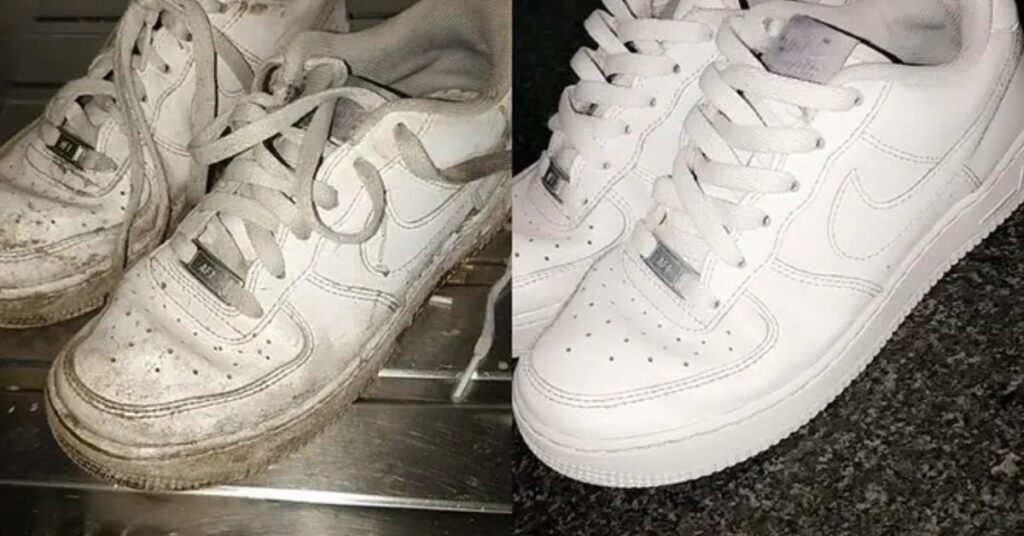
Why Do White Shoes Get Dirty So Easily?
White shoes show dirt much more clearly than darker footwear. Dust and soil can settle into the fabric, while sweat, oils, grass, and food stains can leave visible marks.
Some common reasons white shoes lose their bright appearance include:
- Walking on dusty or muddy surfaces
- Everyday outdoor use
- Sweat and body oils
- Food and drink spills
- Grass stains
- Improper washing
- Storing shoes while they are still damp
- Using too much detergent
- Drying shoes incorrectly
- Allowing stains to sit for too long
Fortunately, most everyday stains can be treated at home if you use the right method.
10 Easy Ways to Make White Shoes Look New Again
1. Start by Removing Loose Dirt
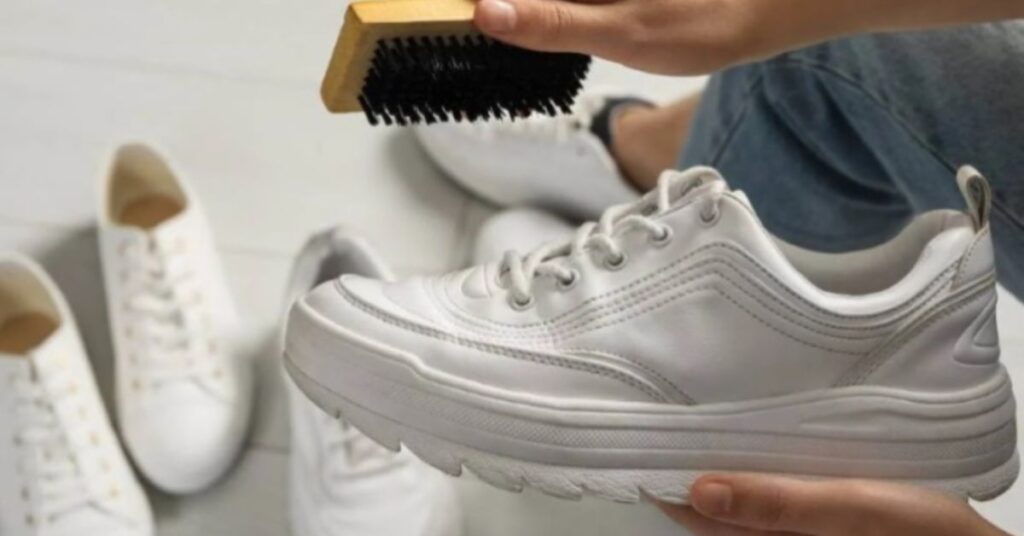
Before using any liquid cleaner, remove as much loose dirt as possible. This simple step prevents mud and dust from spreading across the shoe during cleaning.
What You Need
- Soft-bristled brush
- Old toothbrush
- Dry microfiber cloth
How to Do It
First, remove the shoelaces if possible. Shake the shoes gently to remove loose dust and small particles.
Next, use a soft brush to gently brush the entire surface. Pay special attention to the sole, seams, stitching, and textured areas where dirt tends to collect.
For small or difficult areas, use an old soft toothbrush.
Avoid scrubbing aggressively because hard brushing can damage delicate fabric or push dirt deeper into the material.
Once the loose dirt is gone, you can move on to deeper cleaning.
2. Clean White Canvas Shoes With Dish Soap
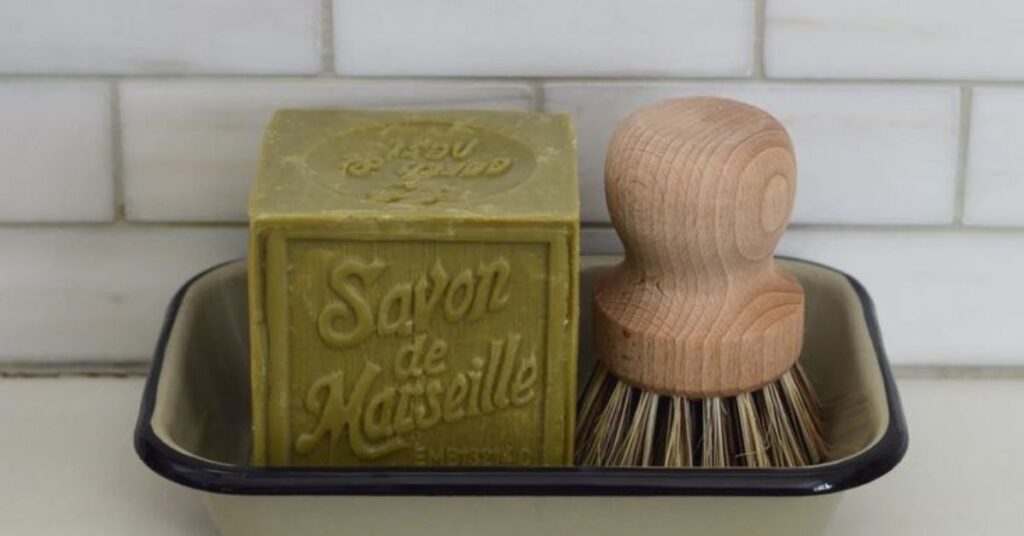
Dish soap is one of the easiest household cleaners for white canvas shoes. It can help break down everyday dirt, grease, and surface stains without requiring a specialized shoe-cleaning product.
You Need
- Mild dish soap
- Warm water
- Soft toothbrush
- Microfiber cloth
- Small bowl
Step-by-Step Method
Mix a few drops of mild dish soap with warm water in a bowl.
Dip a soft toothbrush into the solution and gently scrub the dirty areas using small circular motions.
Work gradually instead of soaking the entire shoe. Too much water can make canvas shoes take longer to dry and may contribute to unpleasant odors.
After cleaning, use a clean damp cloth to remove soap residue.
Stuff the shoes with clean white paper towels or a dry cloth to help maintain their shape while they dry.
Allow them to air-dry completely away from direct heat.
3. Use Baking Soda for Stubborn Stains
Baking soda can be useful when ordinary soap and water are not enough. It can help lift grime and freshen shoes that have developed unpleasant odors.
Ingredients
- 2 tablespoons baking soda
- Small amount of mild dish soap
- Water
- Soft toothbrush
Directions
Place the baking soda in a small bowl. Add a few drops of dish soap and enough water to create a thick paste.
Apply the paste to stained areas using a soft toothbrush.
Gently scrub in circular motions for about a minute. Do not use excessive pressure.
Let the mixture sit for approximately 10 to 15 minutes.
Then wipe the shoes with a clean, damp microfiber cloth.
Allow the shoes to air-dry naturally.
This method works particularly well on many white canvas sneakers, but always test a small hidden area first.
4. Try a Gentle Baking Soda and Hydrogen Peroxide Mixture
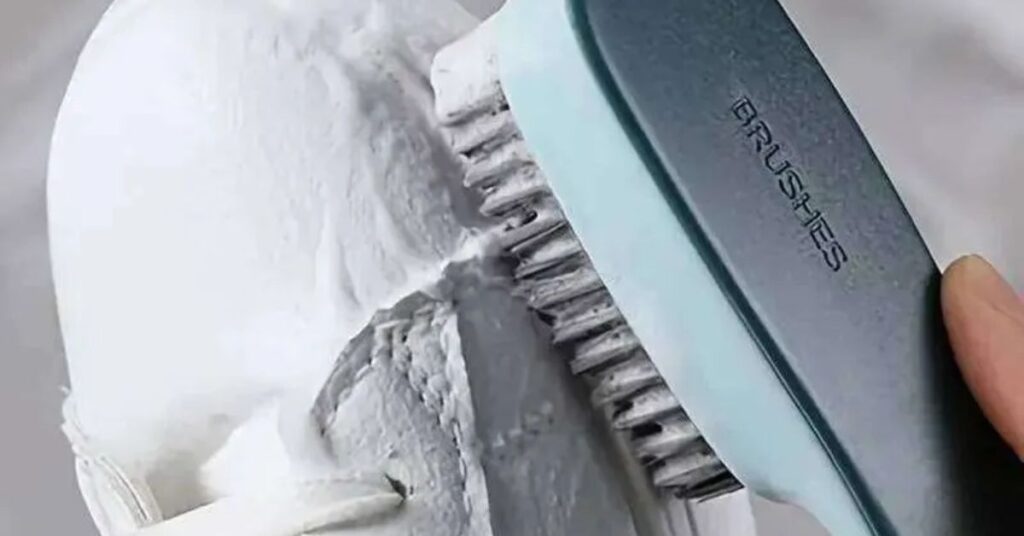
For particularly stubborn stains on suitable white fabric shoes, some people use a mixture of baking soda and hydrogen peroxide.
However, this method should be used carefully. Hydrogen peroxide can affect certain materials, dyes, finishes, and adhesives. It is best reserved for appropriate white fabric shoes and should always be spot-tested first.
You Need
- Baking soda
- 3% hydrogen peroxide
- Soft toothbrush
- Clean cloth
How to Use It
Mix a small amount of baking soda with enough 3% hydrogen peroxide to form a paste.
Apply a thin layer to the stained area.
Gently brush the stain using a soft toothbrush.
Allow it to sit briefly, then wipe the area thoroughly with a clean damp cloth.
Do not use this method blindly on leather, suede, colored materials, or delicate finishes.
If you are unsure about your shoe material, choose a gentler cleaning method instead.
5. Clean White Rubber Soles With Baking Soda
Sometimes the upper part of the shoe is clean, but the rubber sole still looks gray, yellow, or dirty. Cleaning the sole separately can make a dramatic difference.
What You Need
- Baking soda
- Mild dish soap
- Old toothbrush
- Damp cloth
Method
Mix baking soda with a few drops of dish soap and water to create a paste.
Apply it directly to the rubber sole and midsole.
Use an old toothbrush to scrub the rubber in small circular motions.
For deep grooves, seams, and textured sections, use the tip of the toothbrush to reach the dirt.
Wipe away the residue with a damp cloth.
Repeat if necessary.
Because rubber soles can collect a surprising amount of dirt, this simple step can make your entire pair look significantly cleaner.
6. Use a Magic Eraser on White Rubber
A melamine foam cleaning sponge, commonly called a magic eraser, can be helpful for scuff marks on white rubber soles.
Lightly dampen the sponge and gently rub the dirty rubber surface.
Avoid aggressive scrubbing because melamine foam is mildly abrasive. It can remove the finish from some materials or create a dull appearance.
For this reason, use it primarily on appropriate rubber surfaces rather than delicate fabric, leather, suede, or mesh.
After cleaning, wipe the area with a clean damp cloth.
7. Clean White Leather Shoes Carefully
Leather requires a different approach from canvas. Excessive water can damage leather, so avoid soaking the shoes.
You Need
- Soft cloth
- Mild soap
- Lukewarm water
- Leather conditioner
Cleaning Process
Remove loose dirt using a dry soft cloth or soft brush.
Mix a very small amount of mild soap with lukewarm water.
Dip a microfiber cloth into the solution and wring it out thoroughly. The cloth should be damp rather than wet.
Gently wipe the leather surface.
For scuff marks, use light pressure and repeat gradually instead of scrubbing aggressively.
After cleaning, wipe the shoes with another slightly damp cloth to remove residue.
Allow them to dry naturally.
Once completely dry, apply a suitable leather conditioner if recommended for your specific shoe.
Never place leather shoes directly against a heater or use a hair dryer on high heat.
8. Clean White Mesh Shoes Without Damaging Them
Mesh shoes are comfortable and breathable, but their open structure can trap dirt easily.
Because mesh can be delicate, aggressive scrubbing may stretch or damage the material.
Steps
Start by removing dry dirt with a soft brush.
Mix mild dish soap with lukewarm water.
Dip a soft toothbrush into the solution.
Gently brush the mesh using light strokes.
Do not saturate the shoe.
Use a clean damp microfiber cloth to remove soap.
Press a dry towel against the surface to absorb excess moisture.
Stuff the shoes with clean white paper towels to help maintain their shape.
Let them dry naturally in a well-ventilated area.
9. Remove Grass Stains From White Shoes
Grass stains are especially common on sneakers worn outdoors. The longer a grass stain remains untreated, the more difficult it may become to remove.
Start by brushing away any dried grass and dirt.
Then mix mild dish soap with warm water.
Apply the solution to the stain using a soft toothbrush.
Gently work from the outside of the stain toward the center.
Avoid spreading the stain to clean areas.
Wipe away the cleaning solution with a damp cloth.
Repeat the process if necessary.
For stubborn stains on washable white fabric, a suitable oxygen-based laundry stain remover may also help. Always check the shoe manufacturer’s care instructions before applying any stain-removing product.
10. Wash White Shoelaces Separately
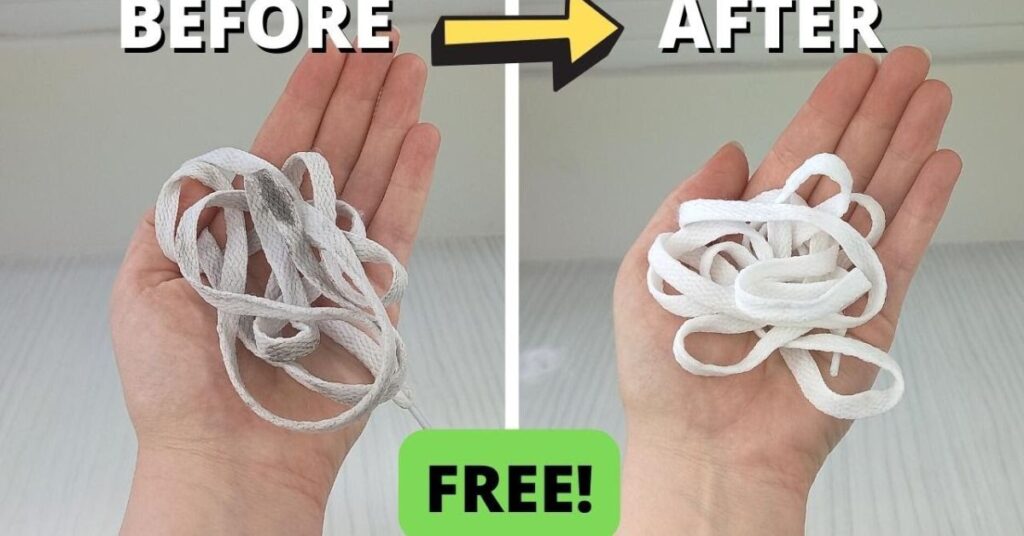
Dirty shoelaces can make freshly cleaned shoes look dirty again.
Fortunately, they are usually easy to clean separately.
Remove the laces and shake off loose dirt.
Fill a bowl with warm water and add a small amount of mild laundry detergent.
Soak the laces for about 15 to 30 minutes.
Gently rub them together to loosen dirt.
Rinse thoroughly with clean water.
Press them between clean towels to remove excess moisture.
Let them air-dry completely before putting them back into the shoes.
If your laces are heavily stained, you may need to repeat the process.
Can You Put White Shoes in the Washing Machine?
Some washable canvas or fabric sneakers can be machine washed, but not every shoe should go into a washing machine.
Before machine washing, check the manufacturer’s care instructions.
Avoid machine washing shoes made from:
- Leather
- Suede
- Delicate materials
- Shoes with glued decorative elements
- Footwear with sensitive finishes
If your fabric shoes are machine washable, remove the laces and loose dirt first.
Place the shoes inside a mesh laundry bag or pillowcase.
Use a gentle cycle with cold or lukewarm water and a mild detergent.
Avoid using excessive detergent.
After washing, reshape the shoes and let them air-dry.
Never assume that every white sneaker is machine washable simply because it is made from fabric.
How to Remove Yellow Stains From White Shoes
Yellowing can happen for several reasons, including oxidation, detergent residue, prolonged exposure to heat, or improper drying.
The first step is to identify the material.
For washable white fabric, start with a gentle soap-and-water cleaning method. If the yellowing remains, a fabric-safe oxygen-based cleaner may be appropriate depending on the manufacturer’s instructions.
Avoid randomly mixing cleaning chemicals.
In particular, never combine bleach with ammonia, acids, or other household cleaners.
Also remember that chlorine bleach is not always the best option for white shoes. It can weaken some fabrics, damage adhesives, and sometimes create additional discoloration.
How to Dry White Shoes Without Yellowing
Cleaning your shoes is only half the job. Drying them correctly is equally important.
After cleaning, gently remove excess moisture with a clean towel.
Stuff the shoes with white paper towels or clean white cloths to help absorb water and maintain their shape.
Place them somewhere with good airflow.
Keep them away from direct sunlight if the manufacturer’s care instructions warn against it, and avoid radiators, heaters, and high-heat dryers.
High temperatures can damage adhesives and certain shoe materials.
Allow the shoes to dry completely before wearing them.
Never store shoes while they are still damp because trapped moisture can encourage unpleasant odors and other problems.
Common Mistakes That Can Ruin White Shoes
When trying to make white shoes look new again, avoid these common mistakes.
Using Too Much Water
Soaking shoes can damage certain materials and adhesives. Whenever possible, clean using controlled amounts of moisture.
Scrubbing Too Hard
Aggressive scrubbing can damage mesh, canvas, leather, and printed surfaces.
Gentle repeated cleaning is usually safer than one extremely aggressive cleaning session.
Using Strong Bleach
Bleach may seem like an obvious choice for white shoes, but it can damage some materials and adhesives. It can also cause discoloration.
Only use a product if the shoe manufacturer says it is suitable.
Drying Shoes With High Heat
Hair dryers, radiators, and dryers can cause materials to shrink, warp, crack, or separate.
Air drying is generally safer.
Ignoring the Soles
A dirty rubber sole can make an otherwise clean shoe look old.
Always give the midsoles and outsoles some attention.
Leaving Stains Untreated
Fresh stains are often easier to remove than old, set-in stains.
If you spill something on white shoes, clean it as soon as practical.
How to Keep White Shoes Clean Longer
Once you have successfully cleaned your shoes, a few habits can help keep them looking fresh.
1. Clean Small Marks Quickly
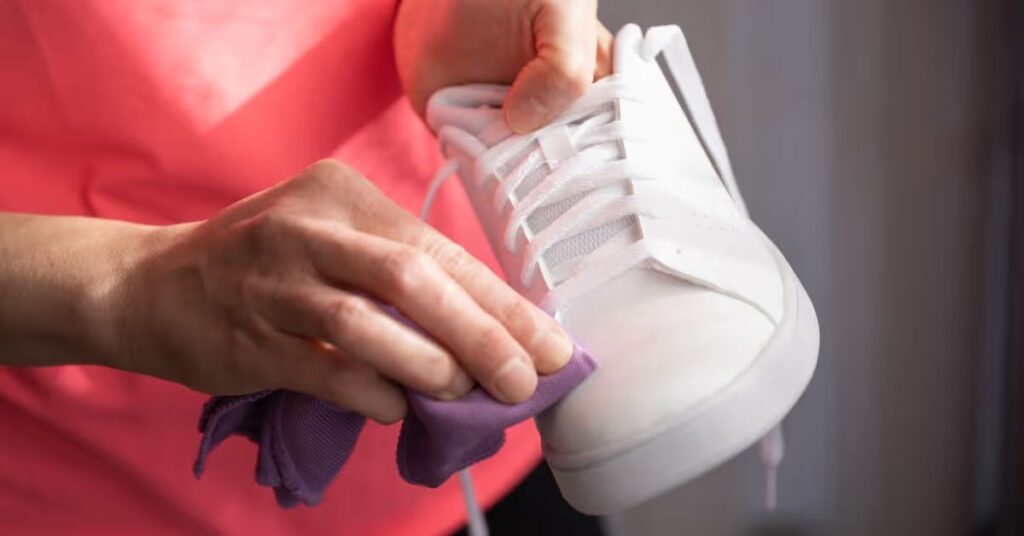
Do not wait until dirt builds up. Wipe small stains as soon as you notice them.
2. Brush Off Dirt Regularly
A quick brushing after outdoor use can prevent dirt from becoming deeply embedded.
3. Avoid Wearing White Shoes in Bad Weather
Rain, mud, and wet grass can quickly stain white footwear.
4. Store Shoes Properly
Keep shoes in a clean, dry, well-ventilated area.
5. Let Shoes Air Out
After wearing them, allow moisture to evaporate before placing them in a closed cabinet.
6. Use Shoe Protection When Appropriate
Some materials can benefit from a manufacturer-approved protective spray. Always check compatibility before applying it.
7. Rotate Your Shoes
If possible, avoid wearing the same pair every day. Giving shoes time to air out can help them stay fresher.
How Often Should You Clean White Shoes?
There is no universal schedule because it depends on how often you wear them and where you wear them.
If you wear white sneakers frequently, a quick surface cleaning every week or two can help prevent buildup.
Deep cleaning may only be necessary when visible stains appear.
The best strategy is simple: clean small messes early instead of waiting until the entire shoe becomes dirty.
Frequently Asked Questions
What is the easiest way to make white shoes look new again?
Start by removing loose dirt, then clean the appropriate material with mild soap and water. For canvas, a baking soda paste can help with some stubborn stains, while rubber soles can often be cleaned separately with baking soda and gentle brushing.
Can baking soda clean white shoes?
Yes, baking soda can help remove grime and odors from some white fabric shoes and rubber soles. Always test a small area first and avoid using aggressive scrubbing.
Can I use toothpaste on white shoes?
Some people use white, non-gel toothpaste on rubber areas to remove minor marks. However, toothpaste can be mildly abrasive and is not suitable for every shoe material. It is safer to test it on a small hidden area first.
Does vinegar clean white shoes?
Diluted white vinegar may help with certain odors or light stains, but it is not appropriate for every shoe material. Avoid using acidic cleaners on materials that can be damaged by them, and never mix vinegar with bleach.
Can I use bleach on white sneakers?
Bleach is not automatically safe just because a shoe is white. It can damage fabrics, adhesives, and finishes. Always follow the manufacturer’s care instructions and consider gentler alternatives first.
Why do white shoes turn yellow after washing?
Yellowing can result from oxidation, detergent residue, heat exposure, or the interaction between cleaning products and the shoe material. Proper rinsing and air drying can help reduce the risk.
How can I clean white shoes without damaging them?
Use the gentlest effective method for the shoe’s material. Avoid soaking, excessive scrubbing, strong chemicals, and high heat. Always check the manufacturer’s cleaning instructions when available.
How do I clean white shoes without washing them?
Remove loose dirt with a soft brush, then use a lightly damp microfiber cloth with a small amount of mild soap. Clean small sections at a time and allow the shoes to air-dry.
Final Thoughts
Learning how to make white shoes look new again does not require expensive equipment or complicated cleaning routines. In many cases, basic household supplies such as mild dish soap, baking soda, a soft toothbrush, microfiber cloths, and clean water are enough to improve the appearance of dirty sneakers.
The most important thing is to match the cleaning method to the shoe material. Canvas, mesh, leather, and rubber all respond differently to moisture and cleaning products.
For the best results, remove stains early, clean gently, avoid excessive water, and let your shoes dry naturally. With regular care and proper storage, your favorite white shoes can stay brighter, cleaner, and fresher for much longer.
A little maintenance after each few wears can save you from having to deal with stubborn stains later—and help your white shoes look their best every time you wear them.