
A successful hotel experience begins long before guests enter their rooms. From spotless floors and fresh linens to clean bathrooms and well-maintained public spaces, housekeeping plays a major role in shaping how guests feel about a property. Even the most attractive hotel, with excellent dining and modern facilities, can struggle to earn positive reviews if its cleanliness standards are inconsistent.
For hotel housekeeping management, housekeeping should never be treated as a background department. It is one of the most important operational areas influencing guest satisfaction, hotel reputation, employee performance, and profitability.
Managing housekeeping effectively requires more than assigning room-cleaning duties. It involves building a reliable team, establishing clear standards, managing labor costs, maintaining inventory, using technology, and creating a culture of accountability.
Whether you manage a boutique hotel, a large luxury property, or a busy business hotel, the right housekeeping strategies can improve daily operations and create a better guest experience.
In this guide, we explore practical strategies general managers can use to build a successful housekeeping department and maintain consistently high hotel standards.
1. Establish Clear Housekeeping Standards
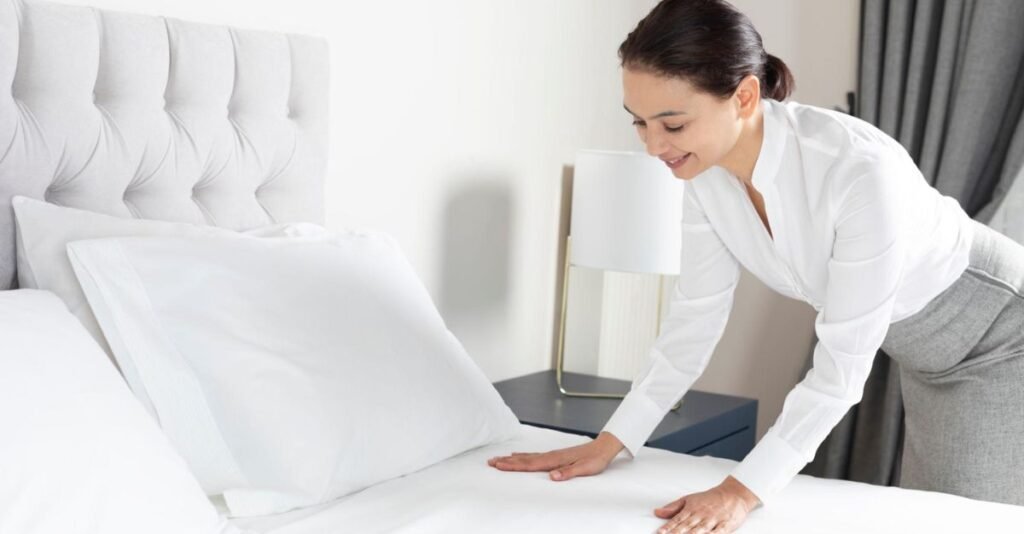
The foundation of a successful housekeeping department is consistency. Guests expect their rooms to meet the same cleanliness standards every time they visit, regardless of which employee prepares the room.
General managers should work with housekeeping supervisors to establish written cleaning procedures for every area of the property.
These standards should cover:
- Guestroom cleaning and inspection.
- Bathroom sanitation and restocking.
- Bed-making and linen presentation.
- Dusting and floor maintenance.
- Public-area cleaning.
- Waste removal and disposal.
- Lost-and-found procedures.
- Reporting maintenance problems.
A written standard operating procedure (SOP) helps employees understand exactly what is expected of them.
For example, a guestroom cleaning checklist might require staff to inspect under the bed, disinfect frequently touched surfaces, check bathroom fixtures, replace used towels, and verify that all amenities are available.
2. Invest in Housekeeping Staff Training
Housekeeping employees directly influence the hotel’s cleanliness and guest experience. Even experienced workers need regular training because cleaning products, equipment, safety procedures, and guest expectations can change.
General managers should ensure that new employees receive proper onboarding before working independently.
Training should include:
- Correct room-cleaning techniques.
- Safe handling of cleaning chemicals.
- Proper use of housekeeping equipment.
- Hygiene and sanitation procedures.
- Guest privacy and professional behavior.
- Workplace safety and injury prevention.
- Time management and room preparation.
- Reporting damaged or missing items.
Training should not end after the first few days. Short refresher sessions can help employees maintain their skills and learn improved procedures.
For example, supervisors can demonstrate a more efficient bathroom-cleaning sequence or explain how to use microfiber cloths correctly to reduce cross-contamination.
Hotels should also encourage experienced employees to share practical knowledge with newer team members.
3. Improve Communication Between Departments
Housekeeping cannot operate successfully in isolation. It depends on accurate information from the front desk, maintenance, laundry, and management teams.
Poor communication can create unnecessary delays and guest dissatisfaction.
Consider a common situation: a guest checks out early, but the housekeeping team does not receive the update. The room remains marked as occupied, delaying cleaning and preventing the front desk from assigning it to an arriving guest.
To prevent these problems, general managers should establish reliable communication procedures.
Important information to share includes:
- Guest checkouts and expected arrivals.
- Early check-ins and late checkouts.
- VIP guest requirements.
- Room maintenance issues.
- Special cleaning requests.
- Out-of-order and out-of-service rooms.
- Lost property and guest complaints.
A short daily briefing between housekeeping supervisors and front-office representatives can help teams identify priorities before the hotel becomes busy.
Digital communication systems can also reduce delays by allowing departments to update room status in real time.
4. Use Room Inspections to Maintain Quality
Completing a room-cleaning assignment does not automatically mean the room is ready for a guest.
A final inspection helps identify missed details before a guest discovers them.
General managers should establish a room-inspection system that supervisors can follow consistently.
An effective inspection should cover:
Bedroom
- Bed linens are clean and properly arranged.
- Furniture is dust-free.
- Floors and carpets are clean.
- Lighting and electrical equipment work.
- Waste bins are empty.
- Guest supplies are properly arranged.
Bathroom
- Toilet, sink, shower, and bathtub are clean.
- Mirrors and glass surfaces are free from marks.
- Fresh towels are available.
- Toiletries are replenished.
- Drains are clear.
- No unpleasant odors are present.
Final room check
- Room temperature is comfortable.
- Curtains and windows are properly arranged.
- Maintenance issues are reported.
- No cleaning equipment or personal belongings are left behind.
Supervisors can use digital or printed inspection forms to record problems and identify recurring mistakes.
However, inspections should not become a process of blaming employees. Their purpose is to protect quality and identify opportunities for improvement.
5. Manage Housekeeping Labor Costs Effectively
Labor is one of the major operating expenses in hotel housekeeping. Poor scheduling can increase costs, create employee stress, and reduce cleaning quality.
General managers should plan staffing according to actual hotel occupancy, expected checkouts, room types, and special cleaning requirements.
For example, a hotel with high occupancy and many departures may need additional morning housekeeping coverage. On quieter days, staffing can be adjusted without compromising cleanliness.
Useful labor-management strategies include:
- Reviewing occupancy forecasts before preparing schedules.
- Assigning workloads based on room condition and complexity.
- Monitoring overtime hours.
- Avoiding unnecessary staff shortages.
- Cross-training employees for suitable tasks.
- Tracking average room-cleaning times.
- Reviewing productivity without sacrificing quality.
It is important not to measure employee performance only by the number of rooms cleaned. A rushed cleaning process can result in complaints, rework, and higher long-term costs.
6. Maintain an Organized Inventory System
Running out of clean towels, bed sheets, toiletries, or cleaning supplies can disrupt daily operations.
Inventory management is therefore an essential responsibility for housekeeping leadership.
Hotels should maintain accurate records of frequently used supplies and establish minimum stock levels for important items.
A practical inventory system should monitor:
- Bed sheets and pillowcases.
- Bath towels and hand towels.
- Guest toiletries.
- Cleaning chemicals.
- Disposable gloves and protective equipment.
- Vacuum bags and equipment supplies.
- Laundry products.
- Guestroom amenities.
Managers should review inventory regularly and investigate unusual consumption or shortages.
For example, if towel consumption increases unexpectedly, the housekeeping manager should check laundry processes, stock records, and room usage patterns before placing additional orders.
Proper storage is equally important. Cleaning chemicals should be clearly labeled and stored according to manufacturer instructions and applicable safety requirements.
7. Choose the Right Cleaning Equipment and Products
The quality of housekeeping work depends partly on the tools employees use.
Outdated or unsuitable equipment can slow down cleaning, increase physical effort, and produce inconsistent results.
General managers should consult housekeeping supervisors before purchasing equipment. Employees who use the tools every day can provide valuable feedback about performance and practical needs.
Useful housekeeping equipment may include:
- Commercial vacuum cleaners.
- Microfiber cleaning cloths.
- Floor-cleaning machines.
- Cleaning carts.
- Color-coded cleaning tools.
- Wet-floor warning signs.
- Protective gloves.
- Approved disinfectants and cleaning solutions.
Hotels should select products based on the surfaces being cleaned, manufacturer instructions, safety requirements, and the hotel’s operating budget.
Employees must understand that cleaning chemicals should never be mixed unless the product manufacturer explicitly permits it. Particular care is necessary with products containing bleach and acids or ammonia.
8. Use Technology to Improve Housekeeping Operations
Technology can make housekeeping more organized, responsive, and efficient.
Traditional paper-based systems can work for small properties, but larger hotels often benefit from digital housekeeping tools.
A property management system (PMS) integrated with housekeeping software can help departments manage room status and communicate updates.
Useful technology features include:
- Real-time room-status updates.
- Digital cleaning assignments.
- Maintenance requests.
- Room-inspection records.
- Staff task tracking.
- Inventory monitoring.
- Housekeeping performance reports.
For example, when a guest checks out, the front desk can update the room status. Housekeeping supervisors can then assign the room for cleaning and monitor its progress.
Digital systems can also help managers identify recurring delays, maintenance issues, and staffing challenges.
However, technology should support employees rather than create unnecessary complexity. General managers should select systems that match the hotel’s size, budget, and operational requirements.
9. Prioritize Guest Feedback and Complaints
Guest feedback provides valuable information about housekeeping performance.
A room may pass an internal inspection, but guests can still identify issues that employees or supervisors overlooked.
Common housekeeping-related complaints include:
- Dust on furniture.
- Stained or damaged linens.
- Unpleasant bathroom odors.
- Missing toiletries.
- Dirty carpets.
- Incomplete room cleaning.
- Slow responses to cleaning requests.
General managers should review online reviews, guest surveys, and direct complaints regularly.
When a complaint occurs, the team should respond quickly and professionally.
A useful complaint-handling process includes:
- Listen carefully without interrupting the guest.
- Acknowledge the concern and apologize appropriately.
- Arrange a suitable solution as quickly as possible.
- Inform the housekeeping supervisor.
- Record the complaint for follow-up.
- Identify the underlying cause and prevent repetition.
Managers should look for patterns rather than treating every complaint as an isolated incident.
For example, repeated complaints about bathroom cleanliness may indicate a training problem, an unrealistic workload, or an ineffective inspection process..
10. Create a Positive and Respectful Work Environment
Housekeeping is physically demanding work. Employees spend long hours standing, lifting supplies, pushing carts, and cleaning multiple areas.
A department cannot perform consistently when its employees feel ignored, overworked, or unsupported.
General managers should build a workplace culture that respects housekeeping employees and recognizes their contribution to hotel success.
Practical ways to improve employee satisfaction include:
- Providing suitable equipment and protective supplies.
- Ensuring reasonable workloads.
- Recognizing outstanding performance.
- Offering opportunities for professional development.
- Encouraging employees to share suggestions.
- Providing clear communication from supervisors.
- Addressing workplace concerns fairly.
Small recognition programs can make a meaningful difference. For example, managers can recognize employees who consistently meet inspection standards, demonstrate teamwork, or receive positive guest feedback.
Employee well-being should also include safe work practices, suitable breaks, and proper instruction on lifting and chemical handling.
11. Establish a Preventive Maintenance Partnership
Housekeeping employees are often the first to notice problems inside guest rooms.
They may discover leaking faucets, damaged furniture, malfunctioning lights, broken locks, or air-conditioning problems during routine cleaning.
If these issues are not reported promptly, they can lead to guest complaints, room downtime, and more expensive repairs.
General managers should establish a simple reporting process between housekeeping and maintenance.
A useful process includes:
- Recording the problem immediately.
- Identifying the affected room or area.
- Assigning the maintenance request.
- Setting a priority based on urgency.
- Updating the room status when necessary.
- Confirming that repairs have been completed.
For example, a leaking bathroom pipe should be reported immediately because it can create water damage and safety risks.
Regular preventive maintenance inspections can also help identify problems before they affect guests.
12. Introduce Sustainable Housekeeping Practices
Sustainability is becoming an important part of hotel operations. Housekeeping departments can contribute by reducing unnecessary waste, water consumption, and energy use.
General managers should introduce practical environmental measures without compromising hygiene or guest comfort.
Examples include:
- Using refillable dispensers where appropriate.
- Reducing unnecessary single-use packaging.
- Following linen and towel reuse programs.
- Choosing suitable concentrated cleaning products.
- Using energy-efficient equipment.
- Monitoring water consumption.
- Separating recyclable waste where facilities permit.
Linen reuse programs should always respect guest preferences and hotel hygiene requirements.
Hotels should also review cleaning product usage to avoid excessive chemical consumption.
13. Monitor Housekeeping Performance with the Right KPIs
General managers need reliable information to understand whether the housekeeping department is performing well.
Key performance indicators (KPIs) help identify strengths, weaknesses, and opportunities for improvement.
Useful housekeeping KPIs include:
Room inspection pass rate: The percentage of inspected rooms that meet the hotel’s cleanliness standards.
Guest cleanliness satisfaction: Feedback and ratings specifically related to room and public-area cleanliness.
Room turnaround time: The time taken to prepare a room after checkout.
Labor cost per occupied room: Housekeeping labor expenses in relation to occupied rooms.
Re-cleaning rate: The percentage of rooms that require additional cleaning because of missed standards.
Maintenance reporting time: How quickly housekeeping employees report maintenance problems.
Inventory variance: The difference between recorded inventory and actual stock.
Managers should interpret these measurements together rather than relying on a single number.
For instance, a very short room turnaround time may appear positive, but if inspection results are poor, the department may be rushing through cleaning assignments.
KPIs should help managers make better decisions, not encourage employees to sacrifice quality.
14. Prepare Housekeeping for Busy Seasons and Unexpected Situations
Hotels experience fluctuations in occupancy throughout the year. Holidays, conferences, weddings, tourism seasons, and local events can increase room demand.
General managers should prepare housekeeping teams before these busy periods begin.
Preparation may include:
- Reviewing occupancy forecasts.
- Adjusting staff schedules.
- Checking linen and amenity inventory.
- Inspecting cleaning equipment.
- Preparing additional room attendants.
- Coordinating with laundry services.
- Reviewing emergency procedures.
Unexpected situations also require planning. These may include employee absences, equipment breakdowns, water supply interruptions, or unusually large group check-ins.
A clear backup plan helps managers respond without allowing cleanliness standards to decline.
For example, a hotel expecting a large conference group can prepare additional cleaning coverage and coordinate room priorities with the front desk before guests arrive.
15. Build a Strong Relationship Between Management and Housekeeping
One of the most effective ways to improve housekeeping is to make it part of the hotel’s overall management strategy.
General managers should regularly visit guest floors, observe operations, speak with employees, and review department performance.
These visits should be supportive rather than intimidating.
Managers can ask practical questions:
- Are employees receiving their supplies on time?
- Which rooms require additional attention?
- Are current staffing levels suitable?
- What problems are affecting cleaning quality?
- Are maintenance requests being resolved?
- What improvements would employees recommend?
This approach helps management understand daily operational challenges instead of relying only on reports.
It also sends an important message: housekeeping is a respected and essential part of the hotel’s success.
A Practical Daily Housekeeping Checklist for General Managers
A simple daily review can help general managers maintain operational control.
- Review hotel occupancy and expected checkouts.
- Confirm housekeeping staff assignments.
- Check the availability of clean linen and essential supplies.
- Review priority rooms and special guest requests.
- Confirm that inspected rooms meet cleanliness standards.
- Check unresolved maintenance requests.
- Review guest cleanliness complaints.
- Discuss operational problems with the housekeeping supervisor.
- Recognize employees who demonstrate excellent performance.
- Confirm that important tasks are completed before the next shift.
This checklist can be adapted to the hotel’s size, service level, and operating procedures.
Common Housekeeping Management Mistakes to Avoid
Even experienced hotel managers can make decisions that negatively affect housekeeping performance.
Some common mistakes include:
1. Focusing only on cleaning speed: Rushing employees can lead to missed details, guest complaints, and repeated work.
2. Ignoring employee feedback: Housekeeping employees often understand operational problems better than anyone else.
3. Delaying equipment replacement: Poor-quality tools increase physical effort and reduce productivity.
4. Skipping room inspections: Without quality checks, small cleaning mistakes can reach guests.
5. Poor communication between departments: Incorrect room information creates delays and unnecessary work.
6. Ordering supplies without tracking inventory: This can result in shortages, waste, and unnecessary expenses.
7. Treating housekeeping as a low-priority department: Cleanliness is central to the guest experience and hotel reputation.
Avoiding these mistakes can help general managers build a more reliable and professional housekeeping operation.
Conclusion
Housekeeping success is essential to the overall performance of any hotel. Clean guest rooms, well-maintained public spaces, properly trained employees, and efficient daily operations all contribute to a positive guest experience.
For general managers, the goal should be to create a housekeeping department that combines consistent cleaning standards with strong communication, effective staffing, responsible budgeting, and employee development.
By investing in training, using practical technology, monitoring performance, maintaining inventory, and listening to guest feedback, hotel leaders can improve both operational efficiency and service quality.
Most importantly, successful housekeeping begins with recognizing the value of the people who make hotel cleanliness possible.
When general managers support their housekeeping teams and treat cleanliness as a shared responsibility, they create a stronger foundation for guest satisfaction, positive reviews, and long-term hotel success.
Frequently Asked Questions (FAQs)
1. Why is housekeeping important in hotel management?
Housekeeping maintains cleanliness, hygiene, and the overall appearance of a hotel. It directly influences guest satisfaction, online reviews, room readiness, and the property’s reputation.
2. What are the main responsibilities of a hotel housekeeping manager?
A housekeeping manager supervises cleaning staff, assigns room-cleaning duties, maintains cleanliness standards, manages inventory, coordinates with other departments, conducts inspections, and monitors employee performance.
3. How can general managers improve housekeeping efficiency?
General managers can improve efficiency through proper staff scheduling, employee training, clear cleaning procedures, effective communication, regular inspections, and suitable housekeeping technology.
4. What are the most important housekeeping KPIs?
Important KPIs include room inspection pass rate, guest cleanliness satisfaction, room turnaround time, labor cost per occupied room, re-cleaning rate, and inventory variance.
5. How can hotels reduce housekeeping costs?
Hotels can control costs by improving staff scheduling, reducing supply waste, maintaining equipment, monitoring inventory, preventing unnecessary re-cleaning, and using resources efficiently without compromising cleanliness.
6. How does technology help hotel housekeeping?
Housekeeping software can improve room-status tracking, cleaning assignments, maintenance reporting, staff coordination, and performance monitoring.
7. How can hotels improve housekeeping employee motivation?
Hotels can improve motivation by offering regular training, fair workloads, appropriate equipment, respectful supervision, recognition programs, and opportunities for career development.
8. How often should hotel rooms be inspected?
Hotels should establish inspection procedures based on their service standards and operational needs. Guest rooms should receive appropriate quality checks before being released as ready for new arrivals, with additional inspections based on risk and performance.
9. What is the role of housekeeping in guest satisfaction?
Housekeeping creates a clean, comfortable, and welcoming environment. Consistent cleanliness helps guests feel safe and comfortable, encouraging positive feedback and repeat visits.
10. What should a general manager review in a daily housekeeping meeting?
A daily meeting should cover occupancy, room assignments, expected checkouts, staffing, supply availability, maintenance issues, guest requests, inspection results, and unresolved operational concerns.

Farheen Gull is the founder of True Housekeeping, a home and lifestyle platform dedicated to helping readers create cleaner, healthier, and more organized homes. She shares practical cleaning tips, kitchen advice, home organization ideas, gardening inspiration, and helpful household guides. Her goal is to make everyday home management easier and more enjoyable for readers around the world.