
Fresh basil is one of the most versatile herbs you can keep in your kitchen. Its bright aroma, tender leaves, and fresh flavor can instantly elevate everything from pasta and pizza to salads, soups, sandwiches, and homemade sauces. Unfortunately, basil is also one of the quickest herbs to spoil. You may buy a beautiful bunch from the grocery store or harvest it from your garden, only to discover wilted, blackened leaves a few days later. When that happens, many people end up throwing it away, wasting both food and money.
Learning Creative Ways to Use Up Fresh Basil Before It Goes Bad helps you enjoy every leaf while it’s still fresh. Whether you have a small handful left after making dinner or an overflowing garden harvest, there are countless ways to turn extra basil into delicious meals, flavorful condiments, and freezer-friendly ingredients. Knowing what to do with extra fresh basil also helps reduce kitchen waste while adding fresh, vibrant flavors to everyday cooking.
In this guide, you’ll discover practical fresh basil storage tips, learn how to keep basil fresh longer, and explore some of the best ways to use fresh basil in your daily meals. From easy recipes to long-term preservation methods, these ideas will help you enjoy basil’s fresh taste instead of watching it spoil in your refrigerator.
Why Fresh Basil Goes Bad So Quickly
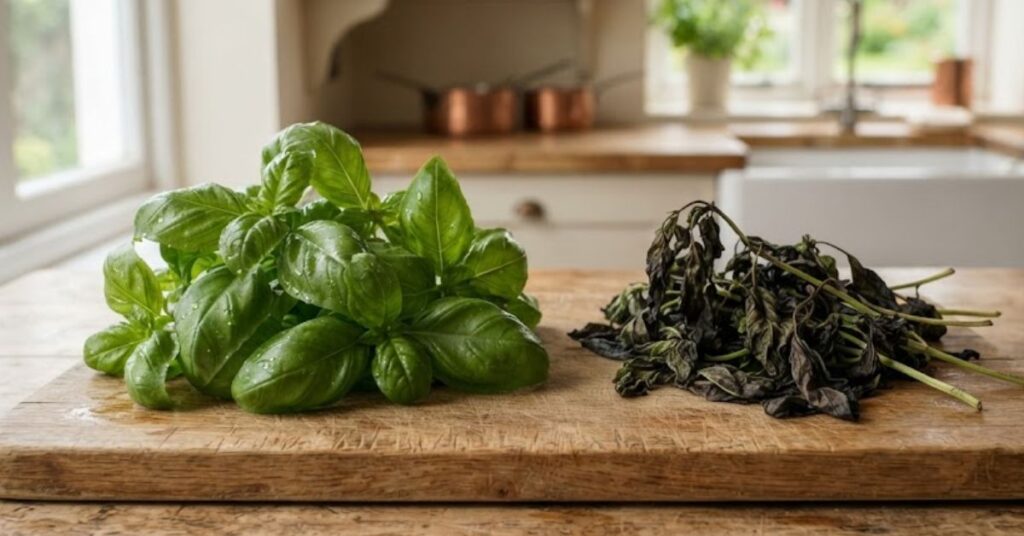
If you’ve ever wondered why basil seems to wilt almost overnight, you’re not alone. Unlike hardy herbs such as rosemary or thyme, basil has delicate leaves that bruise easily and react quickly to changes in temperature and moisture. Understanding why basil spoils so fast is the first step toward reducing waste and finding Creative Ways to Use Up Fresh Basil Before It Goes Bad.
One of the biggest reasons basil deteriorates quickly is its high water content. The leaves are soft and tender, making them extremely sensitive to cold temperatures. Many people automatically place fresh herbs in the refrigerator, but basil often develops black spots or turns mushy when exposed to temperatures below about 50°F (10°C). Cold damage breaks down the leaf cells, causing basil to lose its fresh appearance within days.
Moisture is another major factor. Washing basil before storing it may seem like a good idea, but excess water trapped between the leaves encourages mold growth and speeds up spoilage. If the leaves remain damp, bacteria can also multiply more quickly, reducing the herb’s shelf life.
Poor airflow is another common mistake. Stuffing basil into tightly packed plastic bags traps humidity, creating the perfect environment for decay. At the same time, leaving basil in direct sunlight or near warm appliances can cause the leaves to wilt rapidly because they lose moisture faster than they can absorb it.
Fresh basil typically lasts only three to seven days when stored improperly. However, using the right fresh basil storage tips and learning how to keep basil fresh longer can significantly extend its shelf life. The better you store basil, the more time you’ll have to enjoy it in your favorite dishes before it goes bad.
Fresh Basil Storage Tips That Make It Last Longer
Proper storage is the easiest way to enjoy basil for several extra days. Since basil is sensitive to both cold and moisture, choosing the right storage method makes a huge difference. These fresh basil storage tips will help you extend its freshness while maintaining its vibrant flavor and aroma.
Store Basil Like Fresh Flowers
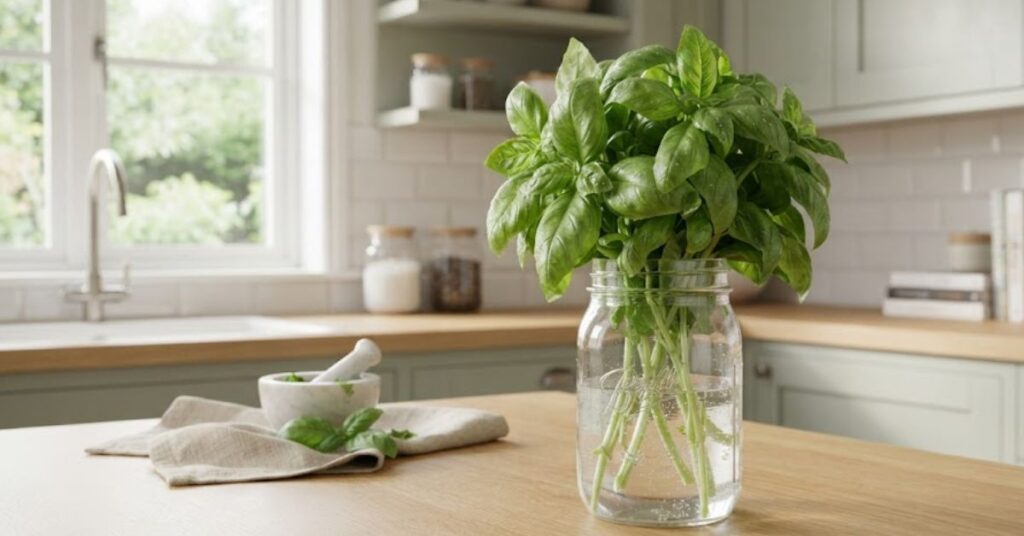
One of the simplest methods is treating basil like a bouquet. Trim the stems slightly and place them upright in a clean jar filled with an inch or two of fresh water. Keep the jar on your kitchen counter away from direct sunlight and heat. Loosely cover the leaves with a plastic bag to retain some humidity without trapping too much moisture. Change the water every couple of days to keep the stems fresh.
Refrigerate Only When Necessary
If your kitchen is very warm, refrigeration may be necessary, but basil needs extra protection from the cold. Wrap the leaves gently in a slightly damp paper towel before placing them inside a breathable storage bag or container. This method helps balance moisture levels while preventing excessive drying. Avoid storing basil near the back of the refrigerator, where temperatures are often cold enough to damage the leaves.
Avoid Washing Until You’re Ready to Use It
Many people wash herbs immediately after bringing them home, but basil stays fresher when kept dry. Wait until you’re ready to cook before rinsing the leaves. If you must wash basil ahead of time, dry it thoroughly using paper towels or a salad spinner before storing it.
Use Airtight Containers Carefully
An airtight container can protect basil from drying out, but only if the leaves are completely dry. Even small amounts of trapped moisture can encourage mold growth. Line the container with a dry paper towel to absorb excess humidity and replace it if it becomes damp.
Freeze for Long-Term Storage
If you know you won’t use basil within a few days, freezing is one of the best ways to use fresh basil without wasting it. Whole leaves, chopped basil, or basil mixed with olive oil all freeze well and retain much of their flavor for future cooking.
These storage methods not only reduce waste but also give you more time to enjoy your basil in recipes. When combined with smart meal planning, you’ll rarely find yourself throwing away wilted herbs again.
Creative Ways to Use Up Fresh Basil Before It Goes Bad
One of the easiest ways to avoid wasting basil is to start using it in more than just Italian dishes. This fragrant herb pairs beautifully with vegetables, fruits, meats, cheeses, grains, and even beverages. If you’ve been wondering what to do with extra fresh basil, these practical ideas will help you enjoy every leaf while adding fresh flavor to everyday meals.
1. Make Classic Homemade Basil Pesto
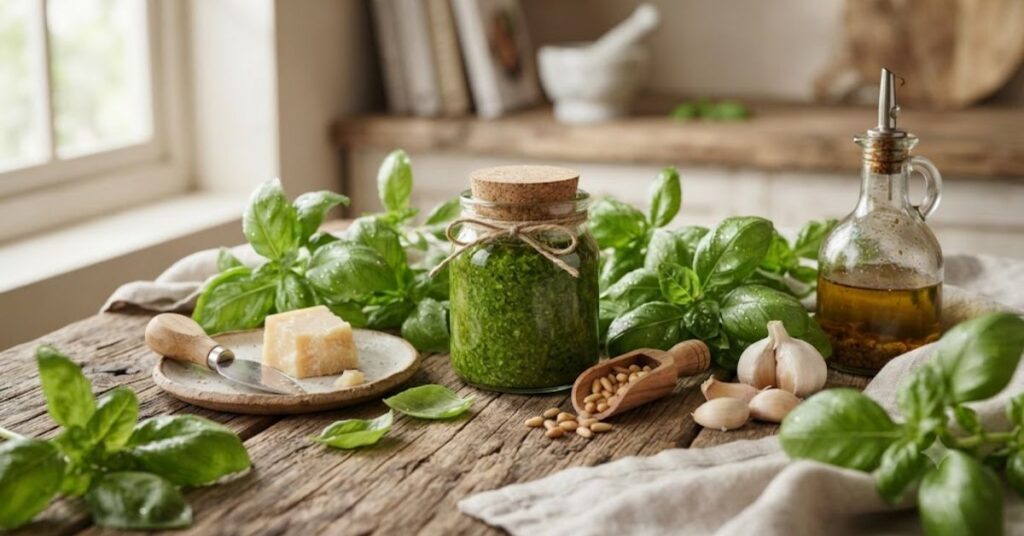
A homemade basil pesto recipe is one of the most popular ways to use a large bunch of basil. Simply blend fresh basil leaves with garlic, Parmesan cheese, pine nuts or walnuts, olive oil, and a pinch of salt. Toss it with pasta, spread it on sandwiches, stir it into soups, or freeze small portions for future meals.
2. Freeze Basil in Olive Oil Cubes
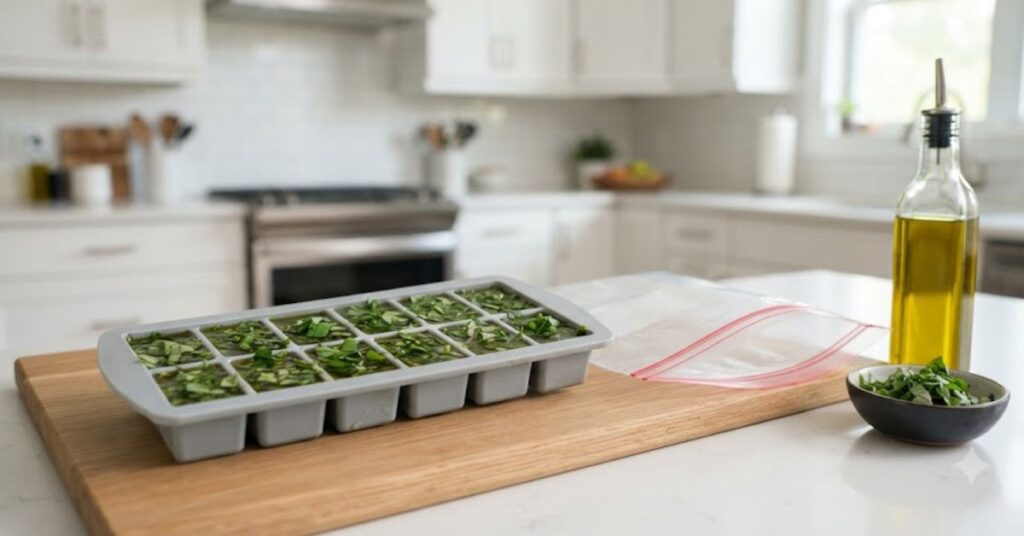
Chop fresh basil and mix it with extra virgin olive oil before spooning the mixture into an ice cube tray. Once frozen, transfer the cubes to a freezer-safe bag. These cubes melt perfectly into soups, sauces, roasted vegetables, and pasta dishes.
3. Blend Basil Into Smoothies
Adding a handful of basil to fruit smoothies creates a refreshing herbal flavor. Basil pairs especially well with strawberries, pineapple, mango, peaches, lemons, and spinach. It’s a simple way to enjoy extra herbs while increasing your daily intake of fresh greens.
4. Add Basil to Fresh Salads
Fresh basil can transform an ordinary salad into something special. Tear the leaves instead of cutting them to preserve their aroma. Mix basil with tomatoes, cucumbers, mozzarella, avocado, berries, or grilled chicken for a colorful and flavorful meal.
5. Stir Basil Into Pasta Dishes
Pasta is one of the best ways to use fresh basil because the herb adds freshness without overpowering other ingredients. Sprinkle chopped basil over spaghetti, fettuccine, creamy Alfredo, baked ziti, or simple garlic butter noodles just before serving.
6. Top Homemade Pizza With Fresh Basil
Instead of baking basil with the pizza, add fresh leaves immediately after it comes out of the oven. The residual heat softens the leaves while preserving their bright green color and signature aroma.
7. Mix Basil Into Scrambled Eggs or Omelets
Breakfast becomes much more flavorful with chopped basil. Add it to scrambled eggs, vegetable omelets, breakfast sandwiches, or egg muffins along with tomatoes, spinach, mushrooms, and cheese.
8. Prepare Garlic Basil Butter
Blend softened butter with minced garlic, chopped basil, lemon zest, and black pepper. This compound butter tastes amazing on grilled steak, seafood, roasted vegetables, baked potatoes, corn on the cob, and warm bread.
9. Infuse Olive Oil With Fresh Basil
Create your own herb-infused oil by gently warming olive oil with fresh basil. Once cooled, use it for bread dipping, roasted vegetables, grilled chicken, homemade dressings, or pasta dishes. Always store infused oils safely and use them within recommended food-safety guidelines.
10. Add Basil to Homemade Salad Dressings
Fresh basil gives vinaigrettes a bright, garden-fresh flavor. Blend basil with olive oil, lemon juice, Dijon mustard, garlic, honey, and vinegar to create a dressing that’s perfect for leafy salads, grain bowls, and roasted vegetables.
11. Make Fresh Basil Tea
Fresh basil isn’t just for savory dishes. Steep a handful of clean basil leaves in hot water for 5–7 minutes to create a light herbal tea with a refreshing aroma. Add honey, lemon, or fresh ginger for extra flavor. You can also chill the tea and serve it over ice during warm weather. While basil tea has been used traditionally for relaxation and digestion, it’s best enjoyed as part of a balanced diet rather than as a medical remedy.
12. Mix Basil Into Homemade Soups
Fresh basil adds brightness to both creamy and broth-based soups. Stir chopped basil into tomato soup, vegetable soup, minestrone, chicken soup, or creamy potato soup just before serving. Adding it at the end preserves its fresh flavor and vibrant green color.
13. Create Flavorful Sandwiches and Wraps
Fresh basil can transform a simple sandwich into something special. Layer basil leaves with turkey, grilled chicken, mozzarella, tomatoes, avocado, or roasted vegetables. It also works wonderfully in wraps and paninis, adding a burst of freshness without needing extra seasoning.
14. Season Rice and Grain Bowls
Cooked rice, quinoa, couscous, and farro all benefit from fresh herbs. Stir chopped basil into warm grains with olive oil, roasted vegetables, toasted nuts, or grilled shrimp. This simple addition makes everyday side dishes taste fresher and more colorful.
15. Blend Homemade Herb Sauce
Create a quick green sauce by blending basil with parsley, garlic, olive oil, lemon juice, and a pinch of salt. Use it as a topping for grilled meats, seafood, roasted vegetables, or baked potatoes. It’s also delicious as a dipping sauce for fresh bread.
16. Make Fresh Herb Butter
If you’ve been wondering how to use leftover basil, herb butter is an easy answer. Mix softened butter with finely chopped basil, garlic, black pepper, and a little lemon zest. Roll it into a log, refrigerate, and slice off pieces whenever you need to add flavor to vegetables, steak, fish, or warm dinner rolls.
17. Prepare Homemade Marinades
Fresh basil works beautifully in marinades for chicken, shrimp, beef, tofu, and vegetables. Blend basil with olive oil, garlic, lemon juice, vinegar, and your favorite seasonings. Let the food marinate for at least 30 minutes before cooking to infuse it with fresh herbal flavor.
18. Make Basil Vinegar
Fill a clean glass bottle with fresh basil leaves and cover them with white wine vinegar or apple cider vinegar. Allow the mixture to infuse for one to two weeks in a cool, dark place before straining. Basil vinegar makes an excellent addition to homemade salad dressings and marinades.
19. Create Homemade Herb Salt
Pulse fresh basil with coarse sea salt in a food processor until well combined. Spread the mixture on a baking sheet and allow it to dry completely before storing it in an airtight jar. Sprinkle herb salt over roasted vegetables, grilled meats, popcorn, or homemade bread for extra flavor.
20. Bake Basil Into Homemade Bread
Chopped basil adds wonderful flavor to homemade focaccia, biscuits, dinner rolls, savory muffins, and artisan bread. Pair it with garlic, Parmesan cheese, or sun-dried tomatoes for bakery-quality results. This is one of the best ways to use fresh basil if you have a large harvest from your garden.
Homemade Basil Pesto Recipe
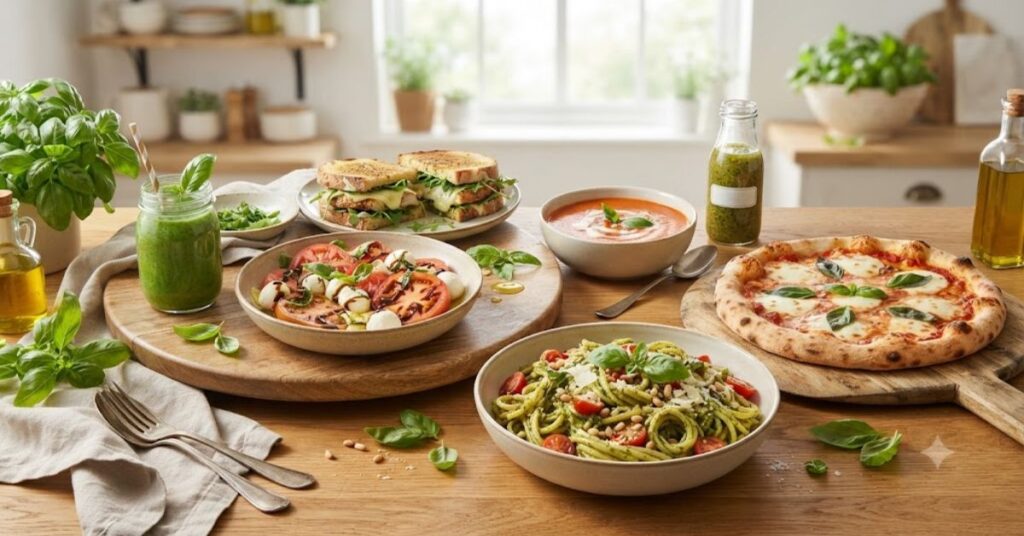
A homemade basil pesto recipe is one of the easiest and most delicious solutions when you have too much basil. Pesto takes only a few minutes to prepare and can be used in countless meals throughout the week.
Ingredients
- 2 cups fresh basil leaves
- ½ cup grated Parmesan cheese
- ⅓ cup pine nuts or walnuts
- 2 garlic cloves
- ½ cup extra virgin olive oil
- Salt and black pepper to taste
- 1 tablespoon fresh lemon juice (optional)
Instructions
- Wash and thoroughly dry the basil leaves.
- Add basil, garlic, nuts, and Parmesan to a food processor.
- Pulse until finely chopped.
- Slowly drizzle in the olive oil while blending.
- Add lemon juice, salt, and pepper.
- Blend until smooth but slightly textured.
Storage Tips
Store pesto in an airtight container with a thin layer of olive oil on top to reduce browning. Refrigerate for up to five days or freeze in ice cube trays for up to six months.
Serving Ideas
Enjoy pesto with pasta, grilled chicken, seafood, sandwiches, pizza, roasted vegetables, eggs, crackers, or as a dip for fresh bread.
Can You Freeze Fresh Basil?
Many people ask, Can you freeze fresh basil? The answer is yes. Freezing is one of the easiest ways to enjoy basil long after the growing season ends.
Whole basil leaves can be frozen after washing and drying them thoroughly. Place them in a single layer on a baking sheet until frozen, then transfer them to freezer bags. Although the texture softens after thawing, the flavor remains excellent for cooked dishes.
Another popular method is freezing chopped basil mixed with olive oil in ice cube trays. These ready-to-use cubes can be added directly to soups, pasta sauces, stews, and sautéed vegetables.
Some cooks also blanch basil for a few seconds in boiling water before freezing. Blanching helps preserve the bright green color, although it isn’t required for every recipe.
Properly frozen basil maintains good quality for about six months. Label freezer bags with the date so you can use the oldest batches first.
How to Preserve Fresh Basil Leaves
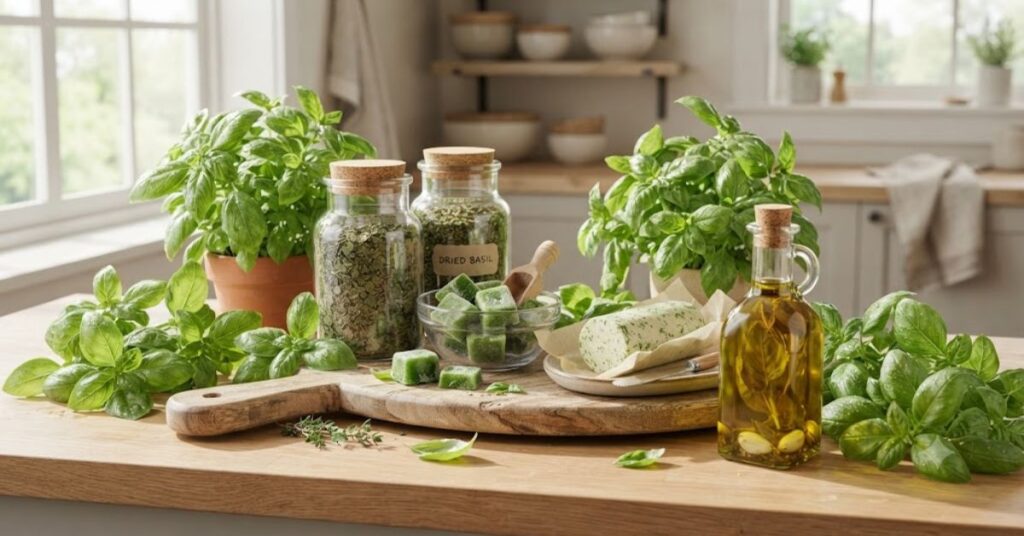
Knowing how to preserve fresh basil leaves helps you reduce waste while keeping this flavorful herb available year-round.
Drying
Tie basil stems together and hang them upside down in a warm, dry area with good airflow. You can also use a dehydrator on a low setting. Once dry, crumble the leaves into airtight containers.
Freezing
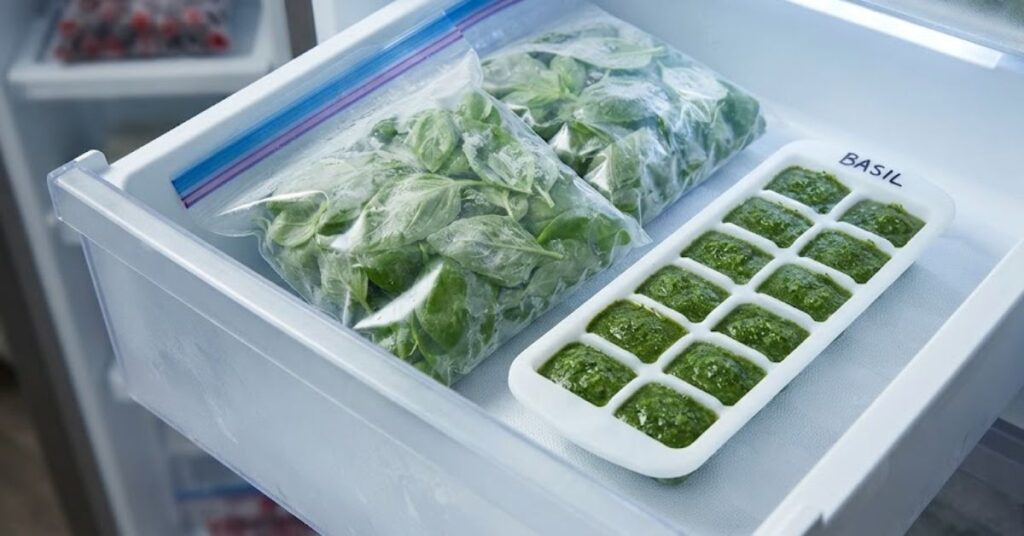
Freezing preserves more flavor than drying. Whole leaves, chopped basil, pesto, and olive oil cubes are all excellent freezing options.
Oil Preservation
Blend basil with olive oil and freeze the mixture in small portions. This method works well because basil stored in oil should be frozen rather than kept at room temperature for food safety.
Herb Butter
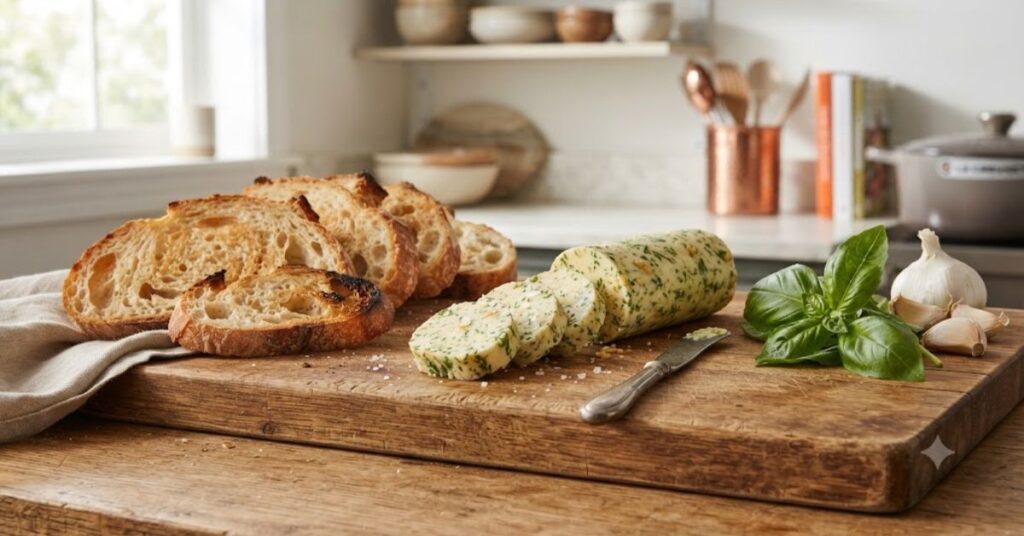
Mix chopped basil into softened butter before freezing. Slice off portions whenever needed for cooking.
Herb Salt
Dry basil thoroughly before combining it with coarse salt. Herb salt lasts for months when stored in a cool, dry place and adds wonderful flavor to everyday cooking.
Common Mistakes That Cause Basil to Go Bad
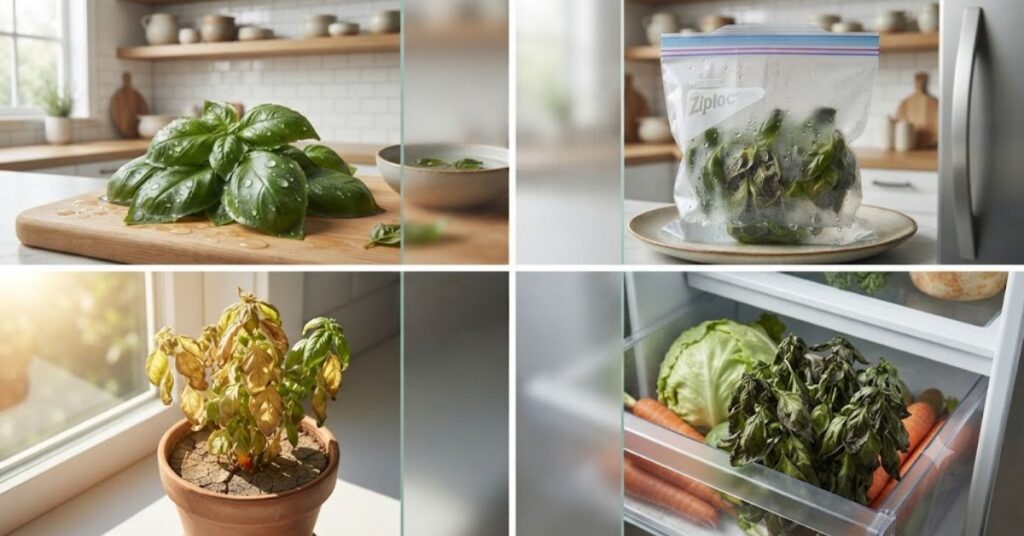
Even with the best intentions, a few common mistakes can shorten basil’s lifespan.
Washing Too Early
Excess moisture encourages mold and speeds up spoilage. Wash basil only before using it.
Refrigerating Incorrectly
Very cold temperatures can blacken basil leaves. Store basil properly and avoid placing it near the coldest part of the refrigerator.
Using Plastic Bags
Sealed plastic bags trap humidity and reduce airflow, leading to faster decay.
Leaving Leaves Wet
Always dry basil completely before storing it in containers or freezer bags.
Heat and Direct Sunlight
High temperatures quickly wilt basil. Keep it away from sunny windows and hot appliances.
Improper Freezing
Freezing wet basil causes ice crystals that damage the leaves. Dry basil thoroughly before freezing for better quality.
By avoiding these mistakes and following fresh basil storage tips, you’ll enjoy fresher herbs and waste far less food.
FAQs
1. Can you freeze fresh basil?
Yes. Freeze whole leaves, chopped basil, pesto, or basil mixed with olive oil. This is one of the easiest Creative Ways to Use Up Fresh Basil Before It Goes Bad.
2. How long does fresh basil stay fresh?
Properly stored basil usually stays fresh for 5–7 days, while frozen basil can last around six months.
3. What’s the best way to store basil?
Treat basil like fresh flowers by placing the stems in water at room temperature away from direct sunlight.
4. Can basil be dried?
Yes. Air-drying or using a dehydrator creates dried basil that works well in soups, sauces, and seasoning blends.
5. What should I do with extra fresh basil?
Turn it into pesto, herb butter, salad dressing, herb salt, infused oil, or freeze it for future meals.
6. Is frozen basil good for cooking?
Absolutely. Frozen basil is perfect for soups, pasta sauces, casseroles, stews, and cooked dishes.
7. Can you eat basil after it wilts?
Slightly wilted basil is usually safe to cook with if it has no mold or unpleasant odor. Discard basil that is slimy, moldy, or has a foul smell.
8. Should basil be refrigerated?
Only if necessary. Basil generally stays fresher at room temperature when stored properly in water, although warm climates may require careful refrigeration.
Conclusion
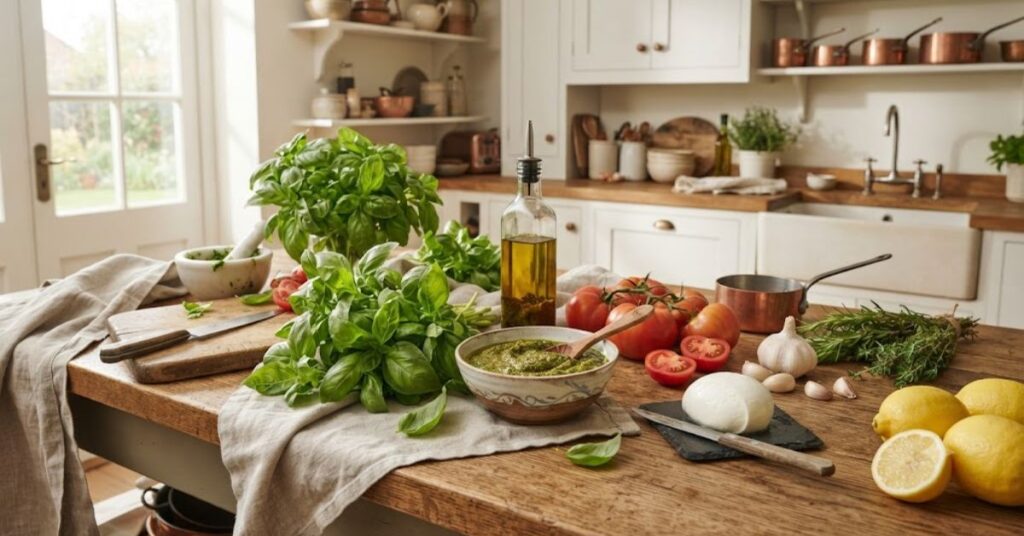
Fresh basil may be delicate, but with the right approach, there’s no reason to let it go to waste. From making homemade pesto and herb butter to freezing olive oil cubes, infusing vinegar, preparing marinades, and adding basil to everyday meals, there are countless Creative Ways to Use Up Fresh Basil Before It Goes Bad. These simple ideas help reduce food waste, save money, and ensure you always have fresh flavor ready for your favorite recipes.
Following smart fresh basil storage tips, learning how to keep basil fresh longer, and knowing how to preserve fresh basil leaves will help you enjoy this versatile herb throughout the week and even for months when frozen. Whether you’re growing basil in your garden or buying it from the grocery store, making the most of every bunch is easier than you might think. Try several of these ideas, experiment with new fresh basil recipe ideas, and discover just how many delicious ways basil can brighten your everyday cooking.